

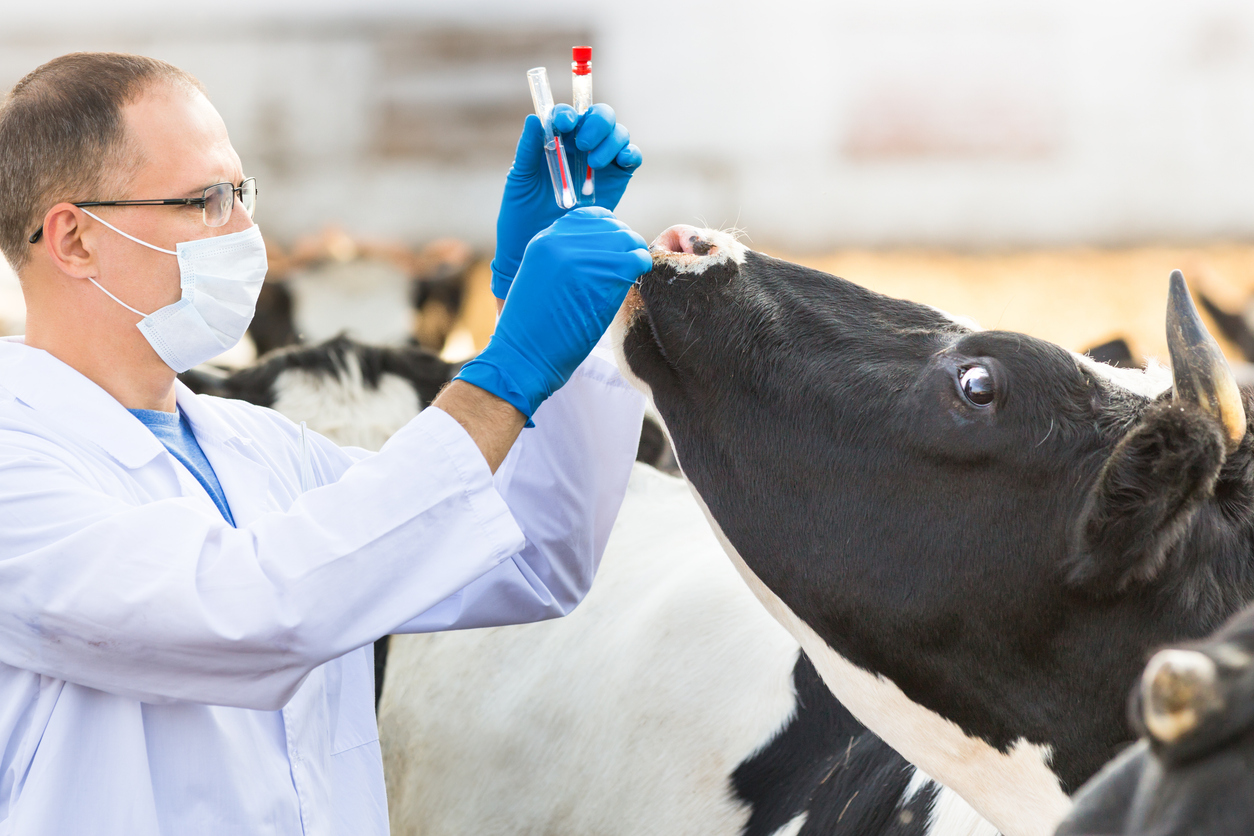
In animal health, sample accuracy starts the moment you collect it. Whether you’re drawing blood from cattle for disease surveillance, swabbing a dog’s mouth in a mobile clinic, or collecting wildlife samples in the field, labeling is the vital precursor to achieve reliable results.
But here’s the truth: field conditions make labeling harder than most people realize. Weather, time pressure, and rough handling can all cause labels to fail, and this can lead to identification uncertainty.
Let’s look at the most common challenges you’ll face when labeling on-site and how you can tackle them head-on.
1. Harsh Environmental Conditions
On-site sampling doesn’t happen in a clean, climate-controlled lab. You’re working in dusty barns, wet fields, or freezing pastures. Labels that aren’t built for these environments peel off, smear, or become unreadable long before the sample reaches the lab.
What to do: Choose labels with aggressive adhesives that stand up to moisture, temperature swings, and rough transport. Pair them with pre-printed barcodes or durable field markers to keep IDs intact.
2. Limited Time and Space
Mobile veterinary units, livestock pens, and field tents do not leave much room or time for careful labeling. You need speed without sacrificing accuracy.
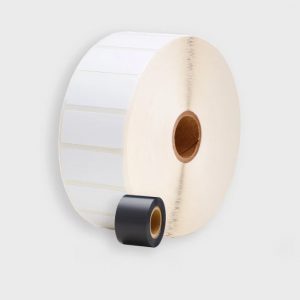
What to do: Use pre-marked labware for collection or pre-printed barcoded labels. They eliminate handwriting errors, speed up the process, and keep samples organized in tight workspaces.
3. Chain of Custody at Risk
Every person who handles a sample relies on its label to confirm identity. One bad label can break the chain, wasting valuable work and resources.
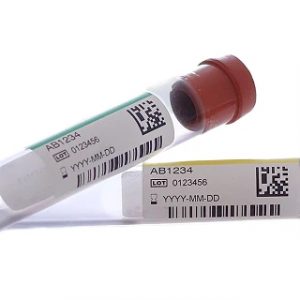
What to do: Implement sequential barcodes, tamper-evident features, and clear ID protocols so every sample stays traceable from start to finish.

4. Field-to-Lab Compatibility
Some labels survive the field but fail in the lab, especially when exposed to solvents, autoclaves, or deep-freeze storage.
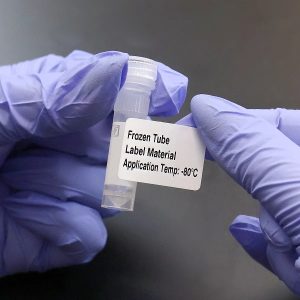
What to do: Select labels designed for both environments. Cryo-safe labels, for example, can go on tubes in the field and still perform at -196°C without cracking or peeling.
5. High-Volume Collection Hazards
During herd testing or vaccination drives, speed is everything. But speed without systems creates mistakes, like duplicate IDs, misapplied labels, or missing information.
What to do: Use barcode scanning in real time to validate IDs and color-coding to quickly distinguish sample types or locations.
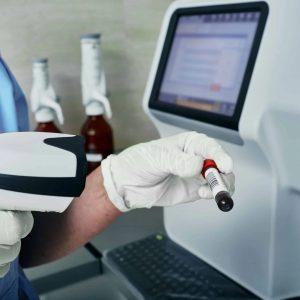
A failed label doesn’t just cost a few cents. It can cost critical data, treatment delays, or even public health setbacks. In animal health, where every sample matters, your labeling process must be as tough and reliable as your team in the field.
At Computype we design durable, harsh-environment labels and pre-marked labware built to perform in both the barnyard and the lab bench. Don’t let field conditions decide the fate of your samples. Talk to us today and put a tougher labeling system to work for your team.
Connect with our labelling experts today
Blog article form
"*" indicates required fields