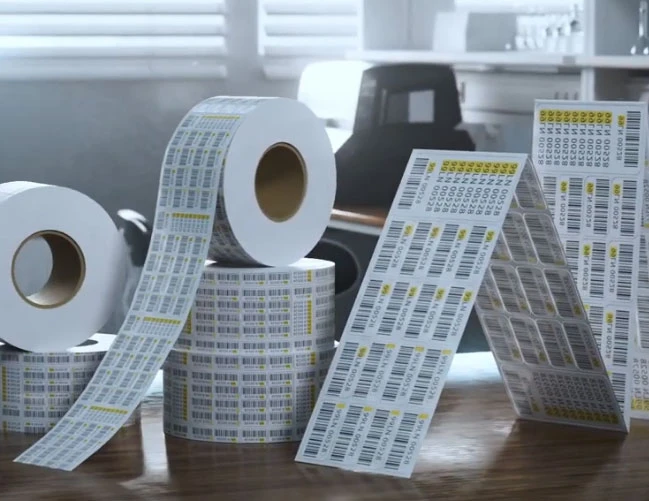
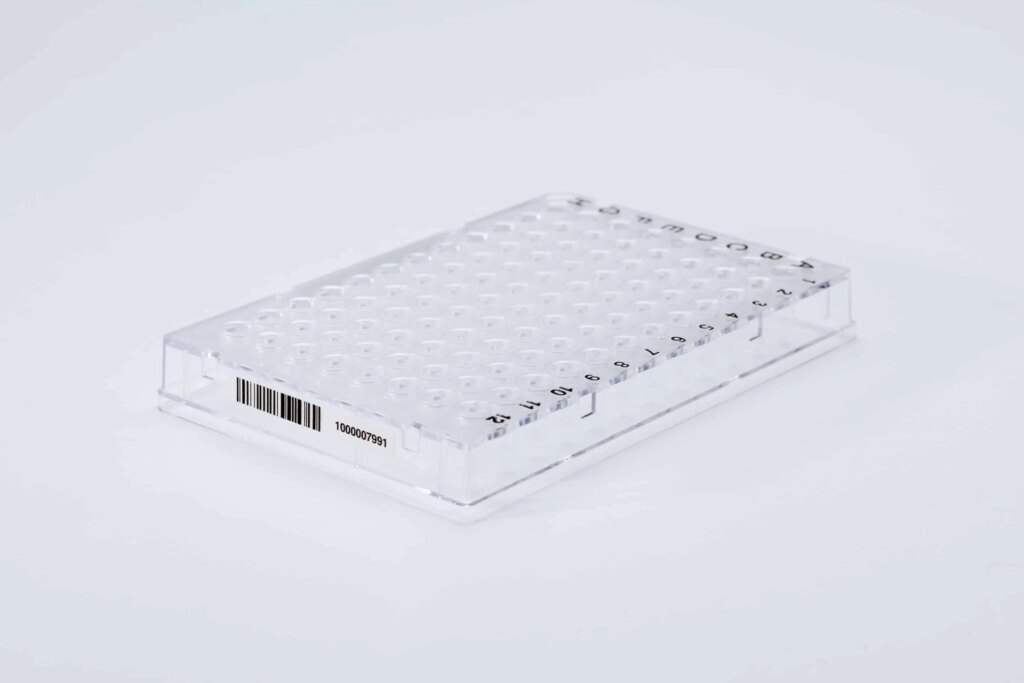
blood bag labels
ISBT 128 blood bag labels.
Blood bag labels support accurate identification from collection through transfusion. They keep donation data, product codes, and ABO/Rh information clear and scannable at every step. Strong adhesion, flexible constructions, and high-contrast barcodes help labels stay secure and readable on blood bags during handling, storage, and transport.
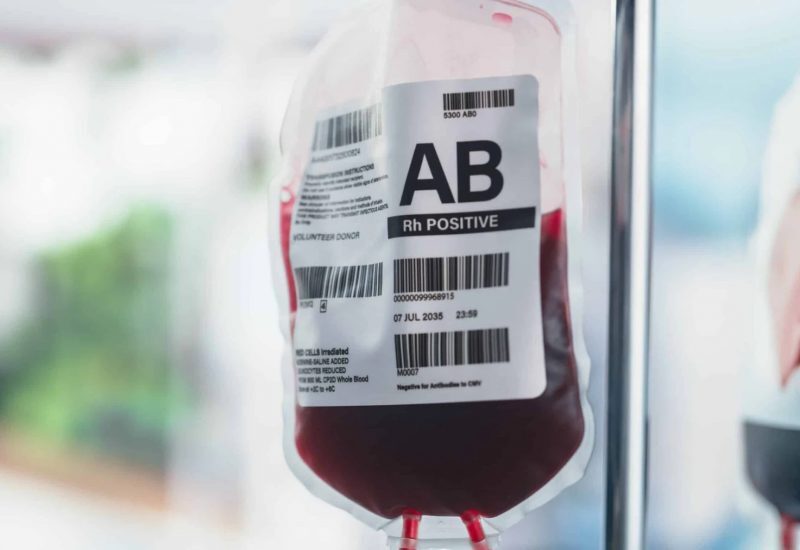
Blood bag labels for blood banks and collection.
Blood bag labels come in standard ISBT 128 sizes and DIN formats to support consistent identification and layout requirements. Matte and gloss finishes help balance scan performance and readability, while high-contrast print surfaces keep barcodes and variable data clear. Durable constructions and reliable adhesion keep labels secure on flexible blood bags through handling, storage, and transport.
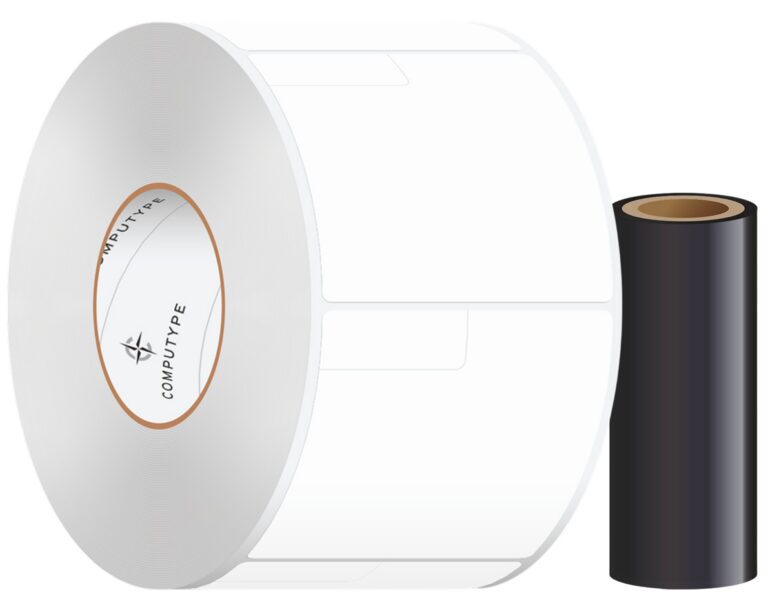
Blood Bag Labels – 4″ x 4″ w/ Cut-Out – 3″ Printer Core
ISBT 128 compliant blood bag labels with precision DIN label cut-out. Thermal transfer ribbons included.
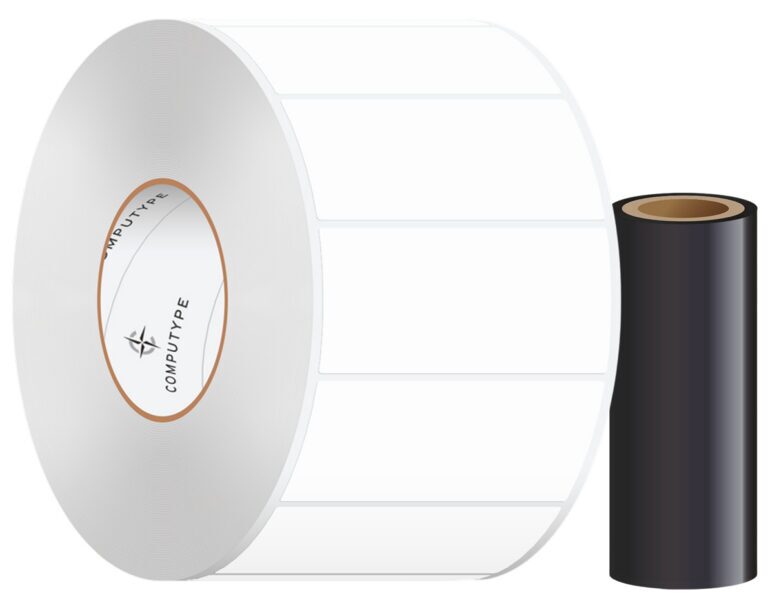
Blood Bag Labels – 4″ x 2″ – 3″ Printer Core
ISBT 128 compliant 4″ x 2″ blood bag labels with a 3″ printer core. Thermal transfer ribbons included.
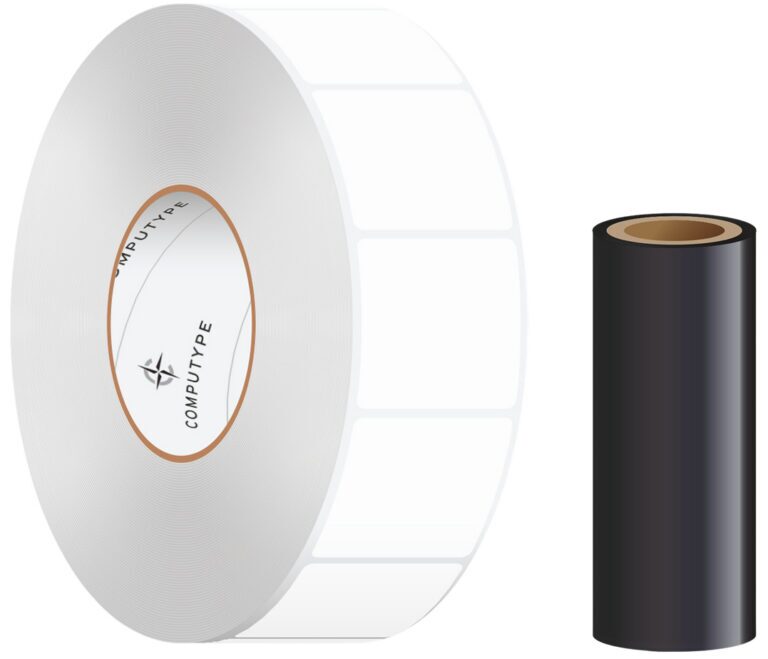
Blood Bag Labels – 2″ x 2″ – 3″ Printer Core
ISBT 128 compliant single quadrant square blood bag labels. Thermal transfer ribbons included.

Gloss DIN Labels – 1.75″ x 0.75″ – 1″ Printer Core
Gloss finish donation identification number (DIN) labels with a 1″ printer core. Ribbons included.
Matte DIN Labels – 1.75″ x 0.75″ – 1″ Printer Core
Matte finish donation identification number (DIN) labels with a 1″ printer core. Ribbons included.

Blood Bag Labels 4″ x 4″ – Gloss Finish
ISBT 128 compliant print-on-demand blood bag labels with a gloss finish. Thermal transfer ribbons included.
Blood Bag Labels – 4″ x 4″ w/ Cut-Out – Gloss Finish
ISBT 128 compliant print-on-demand blood bag labels with a gloss finish and DIN label cut-out. Thermal transfer ribbons included.
Plasma Bag Labels – Matte Finish
ISBT 128 compliant print-on-demand plasma bag labels with a matte finish. Thermal transfer ribbons included.
Plasma Bag Labels – Gloss Finish
ISBT 128 compliant print-on-demand plasma bag labels with a gloss finish. Thermal transfer ribbons included.
Plasma Bag Labels – Gloss Finish
ISBT 128 compliant print-on-demand plasma bag labels with a gloss finish. Thermal transfer ribbons included.
Blood Bag Labels – 4″ x 4″ w/ Cut-Out – Gloss Finish
ISBT 128 compliant print-on-demand blood bag labels with a gloss finish and DIN label cut-out. Thermal transfer ribbons included.
Blood Bag Labels 4″ x 4″ – Gloss Finish
ISBT 128 compliant print-on-demand blood bag labels with a gloss finish. Thermal transfer ribbons included.
Gloss DIN Labels – 1.75″ x 0.75″ – 1″ Printer Core
Gloss finish donation identification number (DIN) labels with a 1″ printer core. Ribbons included.
Plasma Bag Labels – Matte Finish
ISBT 128 compliant print-on-demand plasma bag labels with a matte finish. Thermal transfer ribbons included.
Matte DIN Labels – 1.75″ x 0.75″ – 1″ Printer Core
Matte finish donation identification number (DIN) labels with a 1″ printer core. Ribbons included.
Blood Bag Labels – 2″ x 2″ – 3″ Printer Core
ISBT 128 compliant single quadrant square blood bag labels. Thermal transfer ribbons included.
Blood Bag Labels – 4″ x 2″ – 3″ Printer Core
ISBT 128 compliant 4″ x 2″ blood bag labels with a 3″ printer core. Thermal transfer ribbons included.
Blood Bag Labels – 4″ x 4″ w/ Cut-Out – 3″ Printer Core
ISBT 128 compliant blood bag labels with precision DIN label cut-out. Thermal transfer ribbons included.
Matte DIN Labels – 1.75″ x 0.75″ – 1″ Printer Core
Matte finish donation identification number (DIN) labels with a 1″ printer core. Ribbons included.
Gloss DIN Labels – 1.75″ x 0.75″ – 1″ Printer Core
Gloss finish donation identification number (DIN) labels with a 1″ printer core. Ribbons included.
Custom Blood Bag Labels.
- custom fit
- engineered materials
- flexible printing
Don’t see what you’re looking for? Get custom blood bag labels built for your workflows and storage conditions.
Custom die-cut sizes, shapes, and formats
Adhesives, coatings, and laminates
Pre-printed, partial, or on-demand
Achieve consistent, reliable blood bag identification with high-performance labels built for real blood bank conditions.
Donation identification number (DIN) label sets.
DIN labels keep each donation clearly identified from collection through processing and transfusion. These DIN labels align with ISBT 128 structures, supporting consistent numbering, barcode placement, and readable text. Multi-label sets help match bags, segments, and associated materials, while durable constructions maintain scan accuracy and legibility throughout handling, storage, and transport conditions.
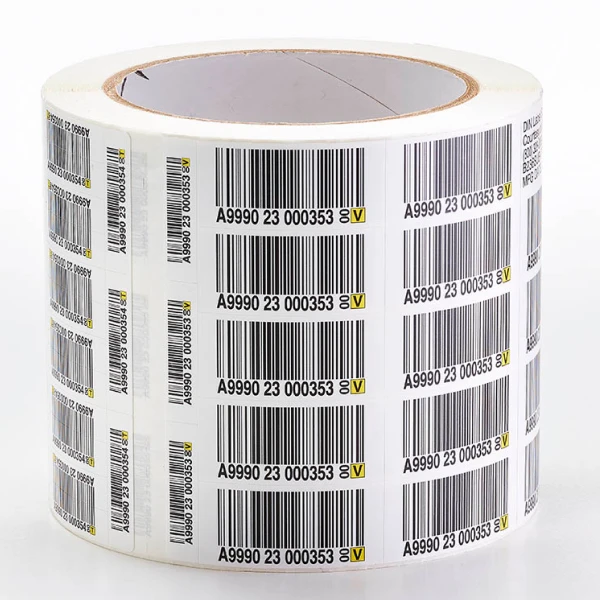
Pre-Printed DIN Labels.
- sequence management, double adhesive labels
Pre-printed DIN labels deliver consistent numbering, barcode accuracy, and layout control for blood collection and processing.
- Fixed DIN structures reduce numbering errors
- Consistent barcode quality across all labels
- Double (piggyback) adhesive DIN labels
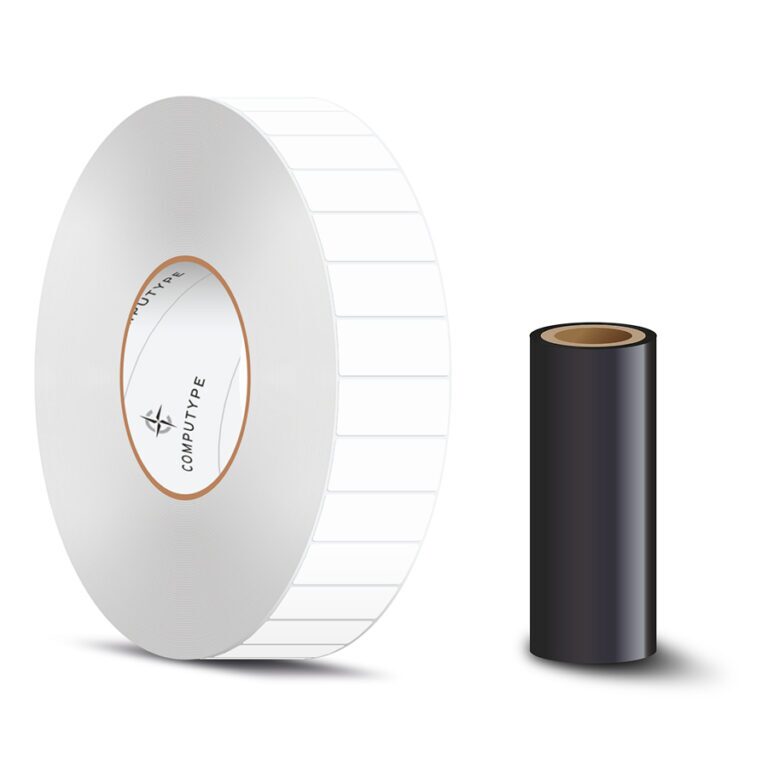
Print-on-Demand DIN Labels.
- ribbons included, blood donor ids
Print-on-demand DIN labels enable real-time numbering, flexible data entry, and on-site printing within controlled blood banks.
- Generate blood labels at point of collection
- Print real-time, durable labels
- Available in single rolls or sets
Unique identification for every blood donation.
DIN structures assign a distinct identifier to each donation, supporting traceability from collection through processing and storage.
Standardized data across blood bank workflows.
Consistent DIN formatting aligns labeling across bags, segments, and records, helping teams manage data accurately.
Reliable traceability for regulated environments.
Structured DIN labeling supports compliance efforts and helps maintain clear records throughout handling, transport, and transfusion.
Blood bag label requirements and performance.
Blood bag labels must support standardized identification while staying readable through collection, processing, storage, and transfusion. ISBT 128 formats, DIN structures, and label layout requirements guide how critical information appears on each bag. The right construction supports durable adhesion, clean scanning, and dependable performance across blood bank storage and handling conditions.
isbt 128
ISBT 128 labeling defines barcode structures, data formats, and layout expectations, helping ensure consistent identification and compatibility across blood collection and transfusion systems.
din structure
DIN structures assign unique identifiers to each donation, linking bags, segments, and records while supporting accurate tracking throughout the entire blood lifecycle.
sequence management
Blood bank storage environments introduce temperature changes, handling cycles, and inventory movement, requiring labels that remain readable and securely applied throughout.
blood label adhesives
### Adhesion and edge lift resistance
Blood bag labels need strong, consistent adhesion on flexible plastic surfaces that bend, flex, and move throughout handling and storage. Secure constructions help prevent edge lift and label flagging that can interfere with barcode scanning or obscure critical information. Stable adhesion also helps preserve traceability during refrigeration, transport, component processing, and routine blood bank handling. Durable label materials maintain a clean appearance and dependable attachment without compromising readability across demanding workflows.
cold storage labels
### Cold and frozen label performance
Blood bank workflows often include refrigerated storage, cold transport, and frozen plasma labeling applications that place additional demands on label materials and adhesives. Strong constructions help maintain readability, barcode performance, and secure adhesion as temperatures shift throughout storage and handling. Frozen plasma labels also need stable adhesion and resistance to lifting or brittleness during long-term low-temperature storage. Consistent cold-temperature performance supports reliable blood product identification from storage through transport and final use.
label performance testing
### Label performance testing
Blood bag labels need reliable adhesion, stable barcode performance, and consistent readability throughout collection, processing, storage, and transfusion workflows. Dedicated engineering labs test label materials and adhesives against temperature changes, moisture exposure, handling friction, and flexible blood bag surfaces to support dependable long-term performance. Adhesive testing, cold storage evaluation, and material compatibility testing help identify constructions that maintain secure adhesion and clear identification across demanding blood bank environments where traceability remains critical.
sequence management service
### Sequence management services
Pre-printed DIN labels require accurate sequencing and controlled data management across batches, production runs, and facilities. Structured sequence management supports guaranteed non-duplicated DIN sequences while maintaining consistent barcode formatting and traceability throughout blood bank workflows. Controlled serialization reduces the risk of missing ranges, numbering inconsistencies, and identification issues that can interrupt collection, processing, storage, and transfusion operations. Consistent numbering structures also support organized workflows and dependable identification across connected blood products and records.
Regulatory compliance
### Regulatory compliance
Blood bag labels often support workflows shaped by ISBT 128 standards, DIN formatting requirements, and FDA considerations including 21 CFR 175.105 for adhesive constructions. Label materials, layouts, barcode structures, and adhesives all play a role in maintaining accurate identification throughout blood collection and transfusion workflows. The right construction supports dependable traceability, consistent scanning, and stable adhesion while aligning with operational and regulatory expectations across blood bank environments.

Shop all print-on-demand blood label kits.
Shop blank label sets built for thermal transfer printing—each paired with compatible ribbons and designed for durability, compliance, and reliable barcode performance across blood bags, tubes, and segment formats.
-
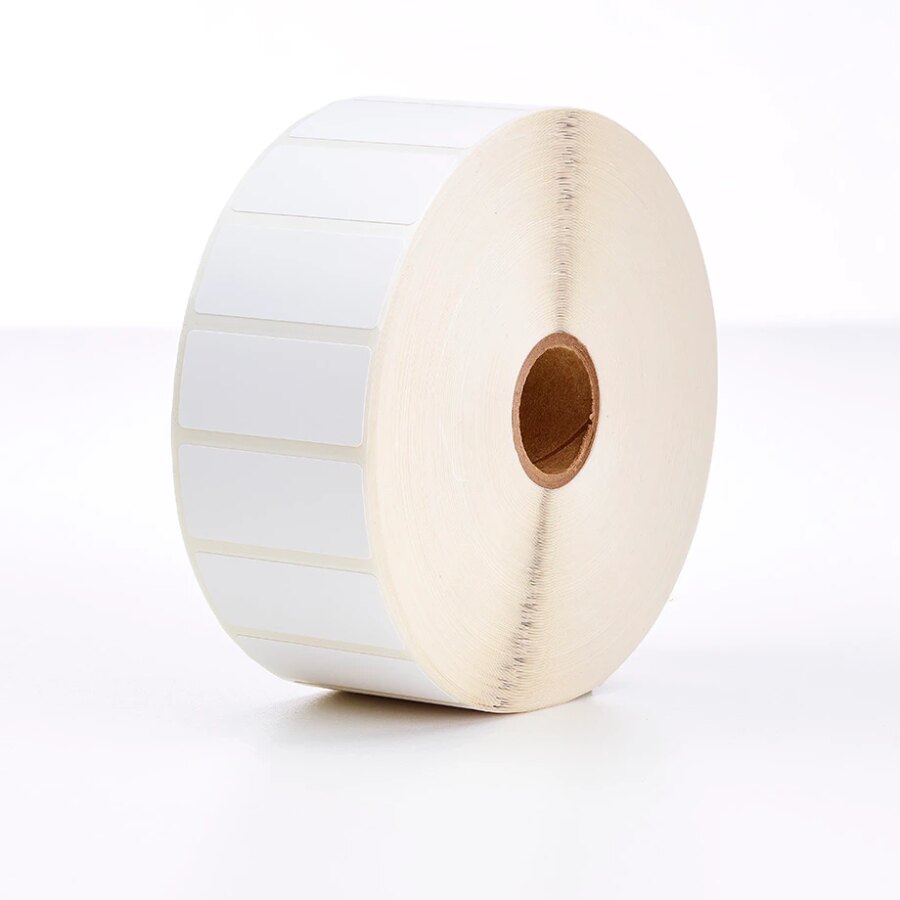
Donation Identification Number (DIN) Labels – Gloss Film, 1.75″ x 0.75″ – 1″ Printer Core
$77.34 Add to cart -
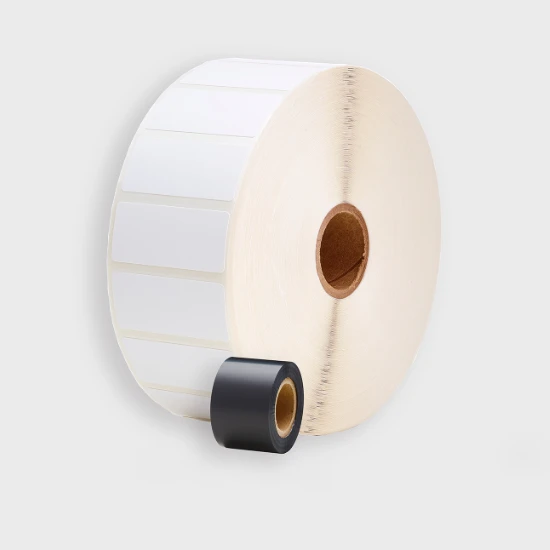
Donation Identification Number (DIN) Labels – Matte Film, 1.75″ x 0.75″ – 1″ Printer Core
$151.36 Add to cart -
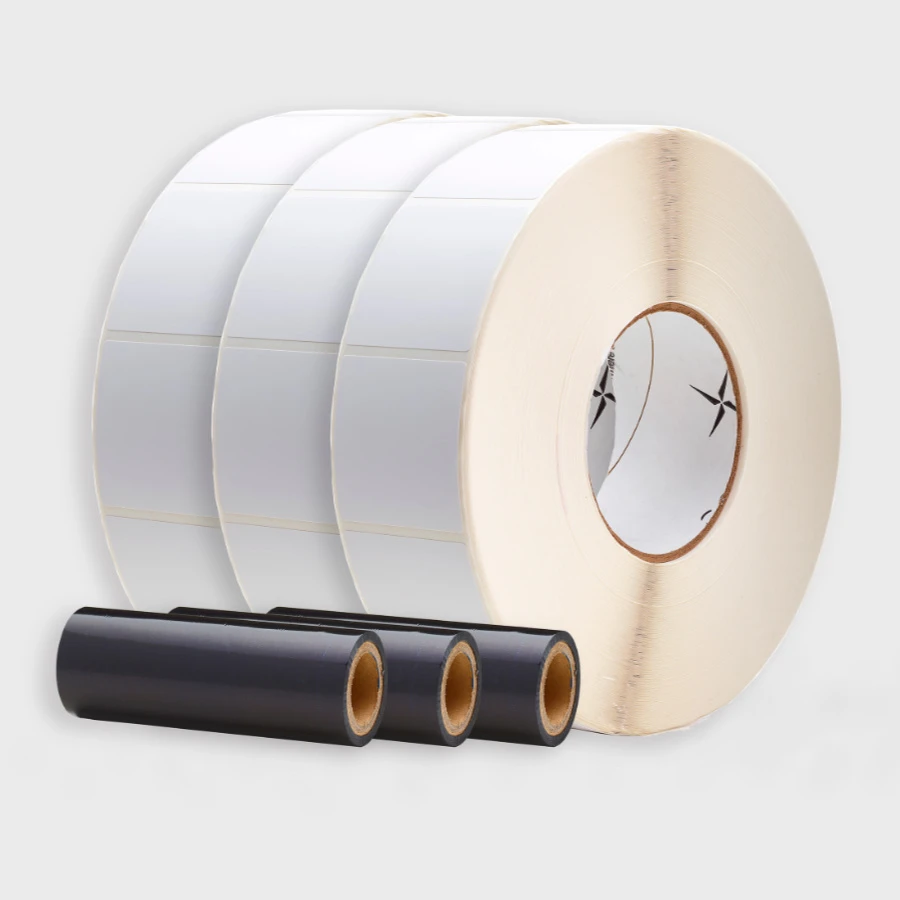
Blood Bag Labels ISBT 128 – 2″ x 2″ – 3″ Printer Core
$228.65 Add to cart -
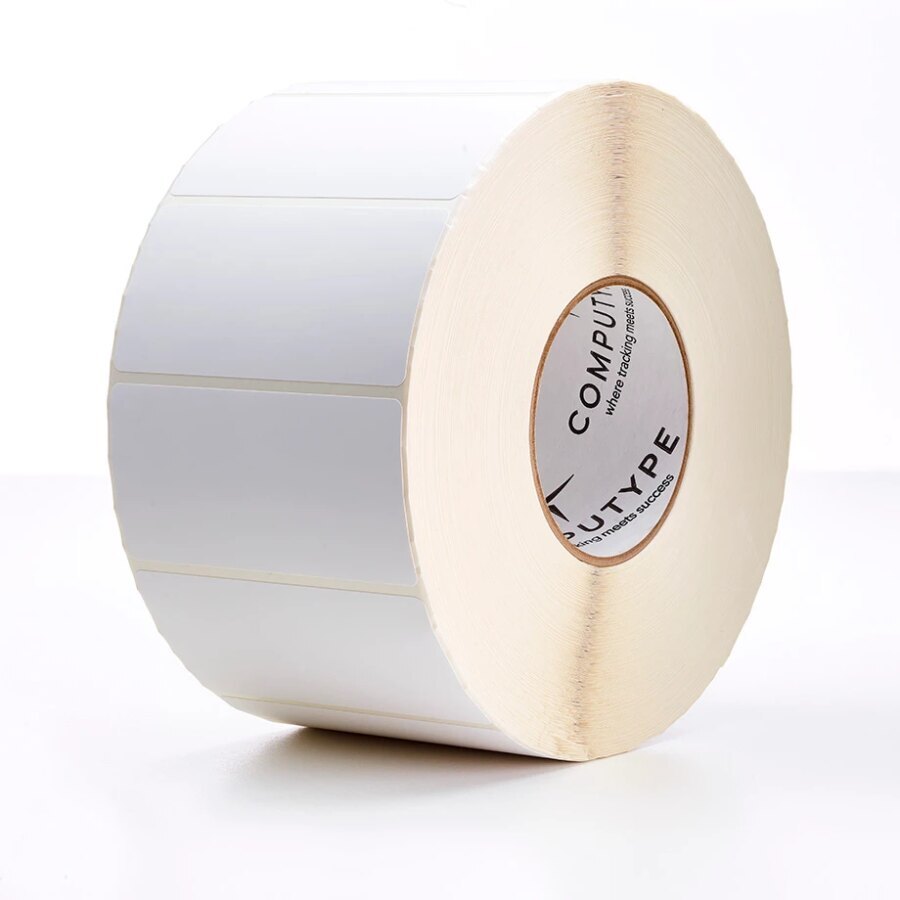
Blood Bag Labels ISBT 128 – 4″ x 2″ – 3″ Printer Core
$399.14 Add to cart -
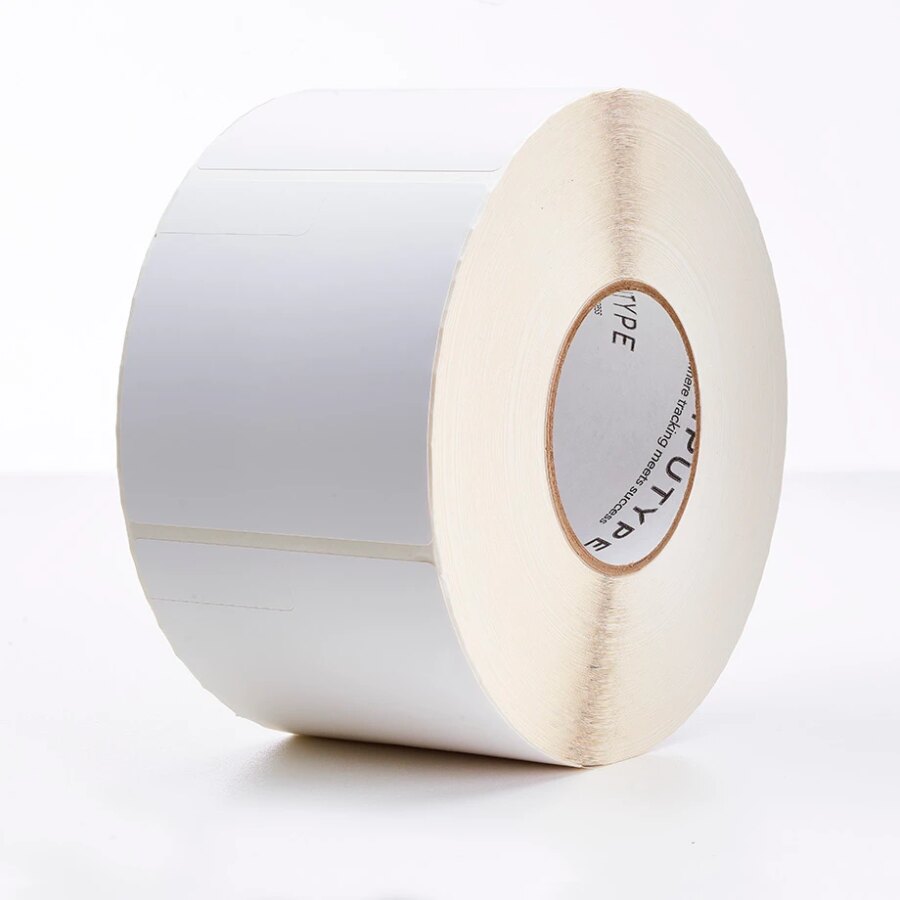
Blood Bag Labels ISBT 128 – 4″ x 4″ w/ Cut-Out – 3″ Printer Core
$367.41 Add to cart

Let’s get labeling.
Have questions? We’re here to help.
Contact us to connect with a specialist who understands your industry and can provide the right solutions for your business. Let’s start a conversation.
New Contact Us Inquiry Form
element
requirements
donation identification number (DIN)
13 characters; includes facility ID, year, serial; globally unique for 100 years
product code
Must use ISBT 128 standardized codes; exact to prepared product
blood group (abo/rh)
Printed in large bold font; verified serologically; barcoded for automation
expiration date/time
Must show both date and time; varies by component type
facility identifier
Mandatory on every label; ties donation to facility
special attributes
Examples: irradiated, leukoreduced, CMV–, pathogen-reduced, frozen; required if applicable
intended use
Autologous, directed, emergency release, or research use; must be clear to prevent misuse
volume/quantity
Required for plasma or pooled components; must be accurate to unit
Blood Bag Labels.
Blood bank labels and traceability.
Used to identify blood bags and components throughout collection, processing, storage, and transfusion workflows.Blood bag labels must remain legible and securely bonded through collection, processing, storage, transport, and transfusion. Labels are exposed to refrigeration, handling, condensation, and disinfectants, often over extended periods. Identification errors at this level affect chain-of-custody and patient safety, making consistent adhesion, readability, and data integrity essential throughout the full lifecycle.
Blood Tube Labels.
Patient blood draw workflows.
Applied to blood tubes to maintain accurate identification through collection, handling, and downstream laboratory processing.Blood tube labels are applied in fast-paced patient blood draw workflows involving multiple tubes per draw and repeated handling. Small label formats, tight placement tolerances, and barcode readability are common challenges. Blood collection labels must support reliable scanning and identification as tubes move through racks, analyzers, storage, and transport without slowing clinical or laboratory processes.
Blood Component Labels.
Post-processing identification.
Applied to blood components to maintain identification accuracy after separation, modification, or relabeling steps.Blood component labeling often occurs after separation, pooling, or modification, requiring labels to bond reliably to existing containers and, in some cases, over other labels. These labels must support updated identifiers, component codes, and dates without obscuring critical information. Relabeling increases risk, so placement accuracy and long-term readability are critical to maintaining traceability.
Donation Identification Number (DIN) Labels.
Blood collection labels.
Used to assign and apply a single donation identity across multiple labels during initial blood collection.DIN label sets are applied at collection and accessioning to establish a single, traceable identity across multiple containers and records. These sets must maintain sequence integrity and consistent readability across all labels. Errors in numbering, duplication, or application can compromise traceability downstream, making controlled sets and clear differentiation between labels essential from the start.
Plasma and Frozen Component Labels.
Frozen blood product labels.
Designed to identify plasma and frozen components during long-term cold storage and frozen handling conditions.Plasma and frozen blood component labels operate in extreme cold environments where moisture, frost, and condensation are common. Labels must remain readable and attached during freezing, frozen storage, and thawing. Failures often occur when labels crack, lift, or lose scan quality in cold chain conditions, making construction and performance under frozen handling especially important.
Not sure which label fits your workflow? Request samples to evaluate durability, readability, and fit before making a decision.