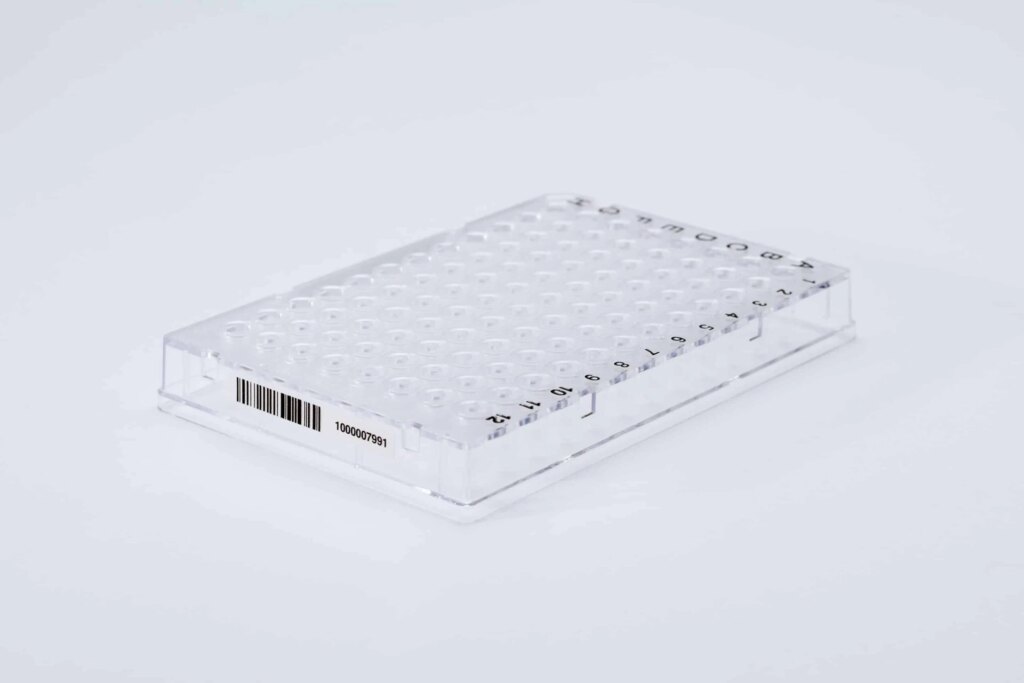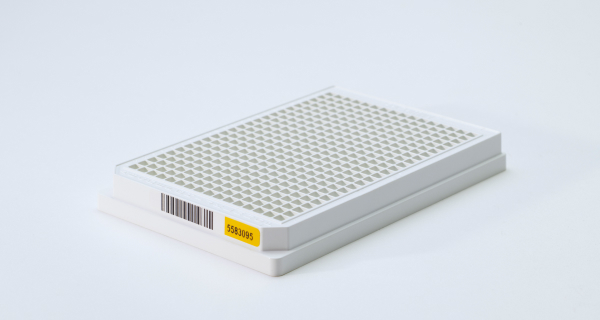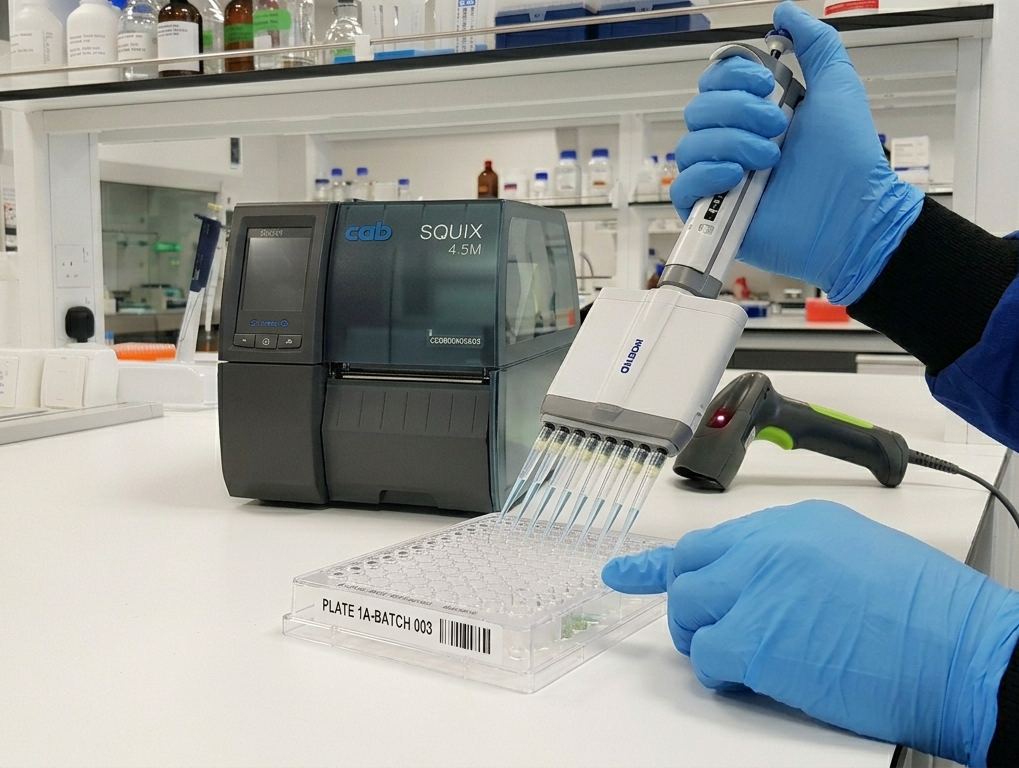
tire labels
Tire labels for every stage of production.
Tire labeling demands reliability across demanding applications, production stages, and operating environments. Tire labels support identification, traceability, and communication from pre-cure bead labeling through retail tread labeling, retread processing, and specialty tire applications. Understanding where and when labels are applied helps align durability, data, and presentation requirements across the full tire lifecycle.
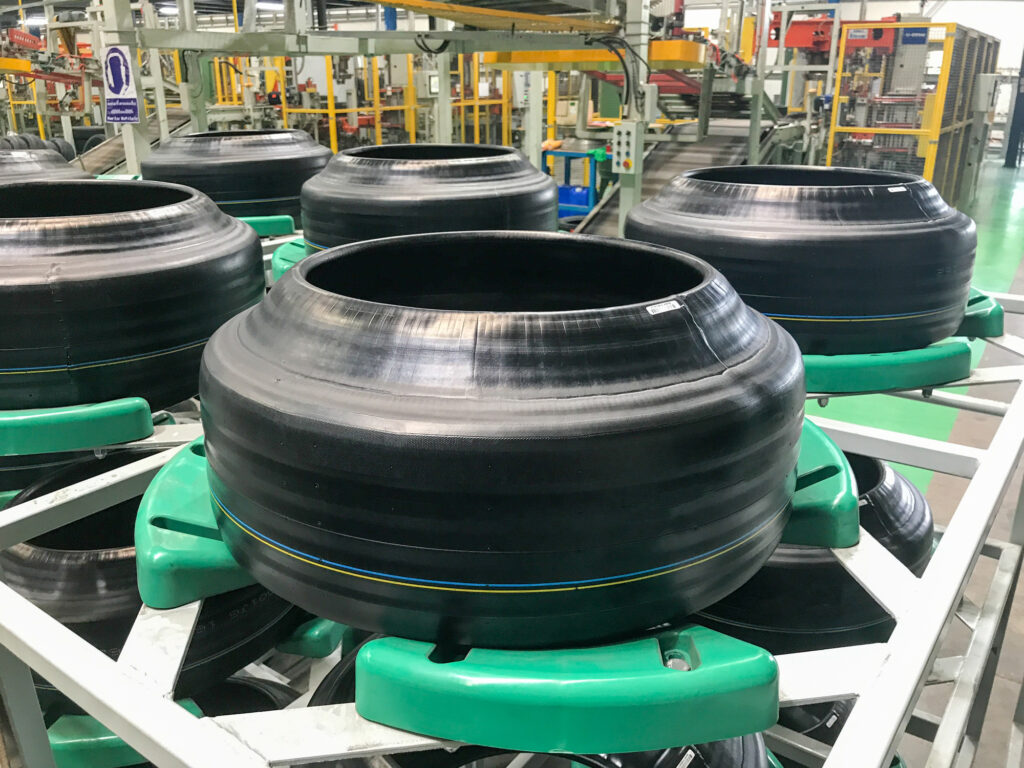
Find the right tire label for your application.
Tire labels serve different purposes depending on where and when they are applied in the tire lifecycle. Manufacturing, compliance, retread, and specialty applications each introduce distinct requirements for durability, data, and handling. An application-driven approach ensures tire labels align with real production conditions, regulatory needs, and operational workflows rather than relying on one-size-fits-all constructions.
Tire Bead Labels.
Pre-cure tire tracking.
Applied before curing to permanently identify tires during manufacturing, tracking, and downstream processing.Tire bead labels attach to the bead area early in the manufacturing process and remain with the tire through curing and handling. These labels carry critical data such as barcodes, serial numbers, or dates and must withstand vulcanization heat, sustained pressure, and mechanical stress without losing adhesion or compromising barcode readability.
Tire Tread Labels.
Retail & compliance communication.
Applied after manufacturing to display regulatory, performance, and consumer information at the point of sale.Tire tread labels apply after finishing and focus on visual clarity rather than extreme durability. These labels display compliance markings, performance ratings, icons, color elements, and supporting text for retail and distribution environments. Tread labels prioritize legibility, layout control, and clean removal after handling, merchandising, or short-term storage.
Retread Tire Labels.
Retread tire process tracking.
Used during retread operations to track tire history, processing stages, and reuse cycles.Retread tire labels support identification and traceability throughout retread processing and subsequent service life. These labels often record retread history, internal identifiers, or processing dates and balance durability with flexibility. Retread labels must tolerate handling, cleaning, and processing while allowing replacement or updating across multiple retread cycles.
Tire Bladder Labels.
Curing bladder identification.
Applied to tire curing bladders to support tracking, maintenance, and lifecycle management.Tire bladder labels identify and track curing bladders used during tire manufacturing. These labels must withstand repeated heat exposure, flexing, and handling without degrading or detaching. Bladder labels support maintenance schedules, usage tracking, and inventory control while remaining readable throughout repeated curing cycles.
Specialty Tire Labels.
Non-automotive tire labels.
Designed for specialty, industrial, and non-standard tires with unique sizes, materials, and handling requirements.Specialty tire labels support identification and tracking for tire types outside standard passenger and commercial categories. Applications include industrial, agricultural, off-road, truck, bicycle, and equipment tires. These labels prioritize durability, legibility, and surface compatibility while adapting to varied tire geometries, materials, and production workflows.
Request tire label samples to test durability, adhesion, and readability in your specific application before finalizing a labeling solution.
Optimizing tire label printing for data control.
Tire labels often combine fixed regulatory information with variable production data. Optimizing the printing approach helps control how that data is generated, applied, and maintained across manufacturing, handling, and distribution, reducing variability while supporting consistent identification and traceability.
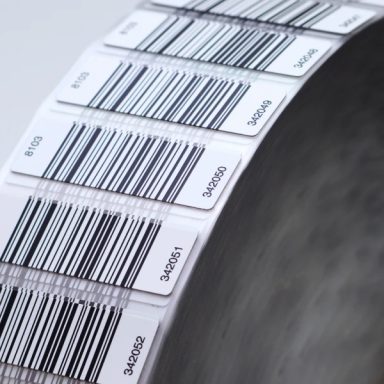
pre-printed labels
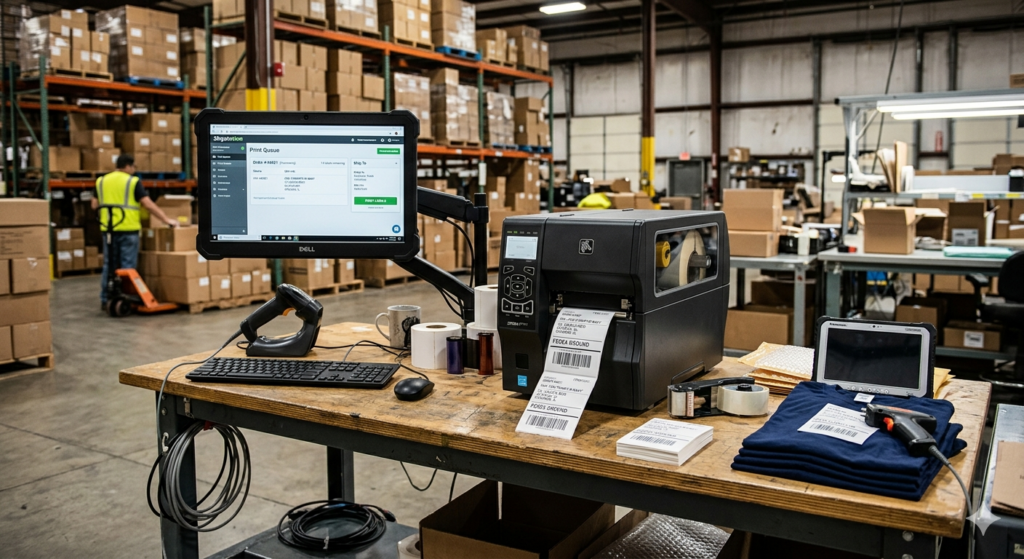
Print-on-demand tire labels allow variable data to be printed in-house at the time of application. This approach supports adding serial numbers, date codes, internal identifiers, or other production-specific data without committing those elements during label manufacturing.
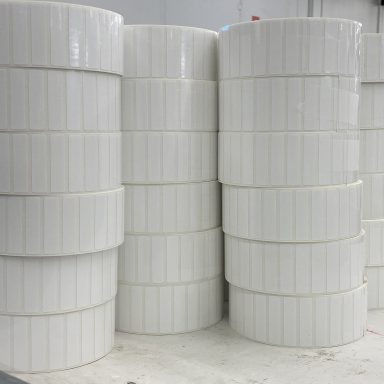
print-on-demand albels
Pre-printed tire labels are produced with fixed layouts and predefined data elements. This approach supports consistent formatting, controlled reproduction of static information, and standardized presentation of regulatory, branding, or identification content across tire programs.
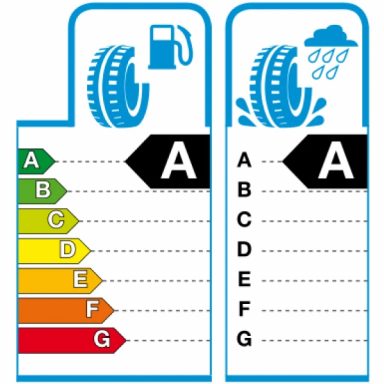
hybrid printing
Hybrid tire labeling combines pre-printed label elements with variable data added separately. This approach supports standardized label formats while allowing specific data fields to be printed or applied later under controlled production and distribution conditions.
High-contrast tire barcodes for reliable scans.
Maintain high-contrast black-and-white barcode printing by preserving label whiteness and ribbon density through heat, cure cycles, and production exposure.
Color-coded tire labels for communication and control.
Use full-color printing for retail tread labels and controlled color coding for bead and in-plant identification systems.
Clear, human-readable and regulatory data.
Produce legible DOT codes, batch numbers, size information, and compliance layouts that remain readable throughout production and distribution.

Computype supplies tire manufacturers worldwide, shipping over 300 million tire bead labels per year to more than 25 countries across North America, Europe, and other global markets.
Environmental demands across tire production.
Tire manufacturing exposes labels to sustained heat, compression, mechanical handling, and aggressive surface interaction. From green tire assembly through vulcanization, post-cure processing, and distribution, identification systems must maintain adhesion, legibility, and barcode performance without compromise. Durable labeling directly supports production visibility, traceability, and controlled data capture across every stage of tire manufacturing.
high heat labels
Tire labels withstand elevated temperatures during green tire handling, post-cure cooling, and high-ambient plant environments. Stable constructions prevent adhesive flow, edge lifting, and print degradation, preserving barcode readability and data integrity even when production temperatures rise.
vulcanization-safe labels
Vulcanization-safe labels endure sustained heat, compression, and rubber expansion inside curing molds. This performance enables pre-cure tracking and identification before tires enter the press, improving production visibility and maintaining traceability throughout the full cure cycle.
abrasion-resistant labels
Throughout manufacturing and distribution, tire labels resist abrasion, scuffing, stacking pressure, and surface contact. Robust constructions preserve barcode contrast and human-readable clarity despite repeated handling, protecting in-process tracking and downstream identification accuracy.
Performance matched to production stage.
Engineer tire labels to perform at the specific stage they’re used, from pre-cure tracking to retail presentation and distribution.
Pre-cure tire tracking with vulcanization-safe labels.
Support pre-cure tracking and mold-stage visibility with label systems designed to withstand heat, pressure, and processing stress.
Engineered adhesives for rubber surfaces.
Match adhesive systems to uncured rubber, cured tires, or temporary applications to ensure proper bond strength and clean removal where required.
Trusted by global tire manufacturers and distributors.
Scale matters in tire manufacturing. Production environments demand label systems that perform consistently across millions of units, multiple plants, and varied regulatory markets. With hundreds of millions of tire labels shipped annually across North America, Europe, and more than 25 countries worldwide, we support high-volume tire production with disciplined execution and proven reliability.
High-volume tire label production.
Ship over 300 million tire bead labels annually, supporting high-volume production across North America, Europe, and more than 25 countries.
Controlled production and data accuracy.
Maintain consistent quality, controlled data execution, and reliable performance at scale across diverse tire manufacturing operations.
Trusted by leading tire brands.
Support major global tire manufacturers with labeling systems engineered for production control, compliance, and long-term performance.

Let’s get labeling.
Have questions? We’re here to help.
Contact us to connect with a specialist who understands your industry and can provide the right solutions for your business. Let’s start a conversation.

validate tire label performance early
Tire labeling requirements vary by application stage, durability targets, and data complexity. Reviewing materials, print durability, and data needs early helps align label performance with real production conditions.