Cryo labels for liquid nitrogen immersion and storage.
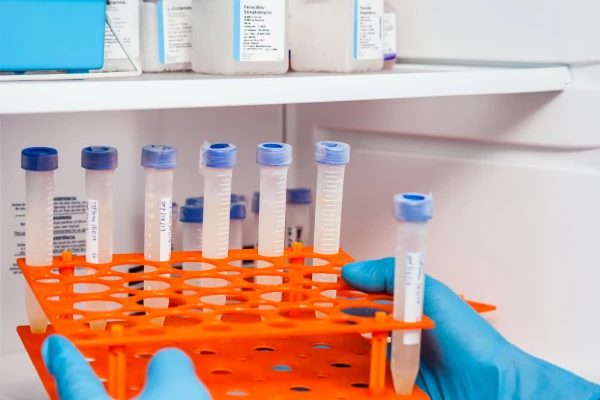
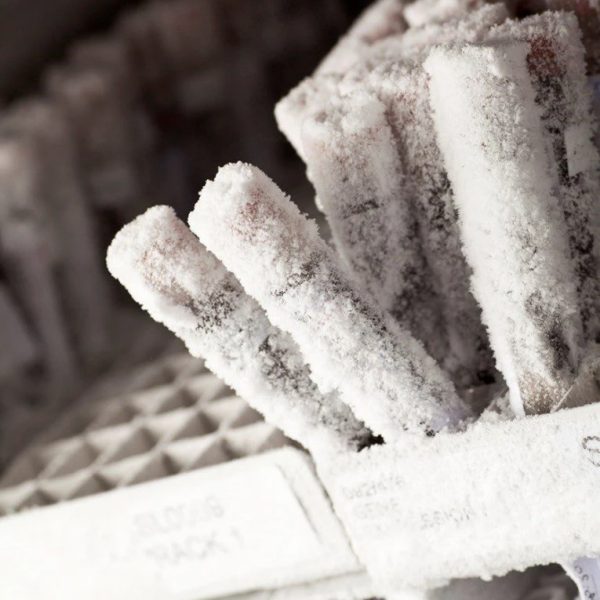
Cryo labels used for liquid nitrogen immersion and storage must withstand the most severe cryogenic conditions. At -196 °C, adhesion, flexibility, and print legibility must be maintained on plastic and glass labware in liquid nitrogen storage.
These liquid-nitrogen-safe cryo labels are designed to form a permanent bond under cryogenic conditions, even through repeated freeze–thaw handling. An initial 15-minute dwell time supports early bond strength, while allowing up to 24 hours maximizes adhesive flow and cohesion for long-term stability in liquid nitrogen storage systems.
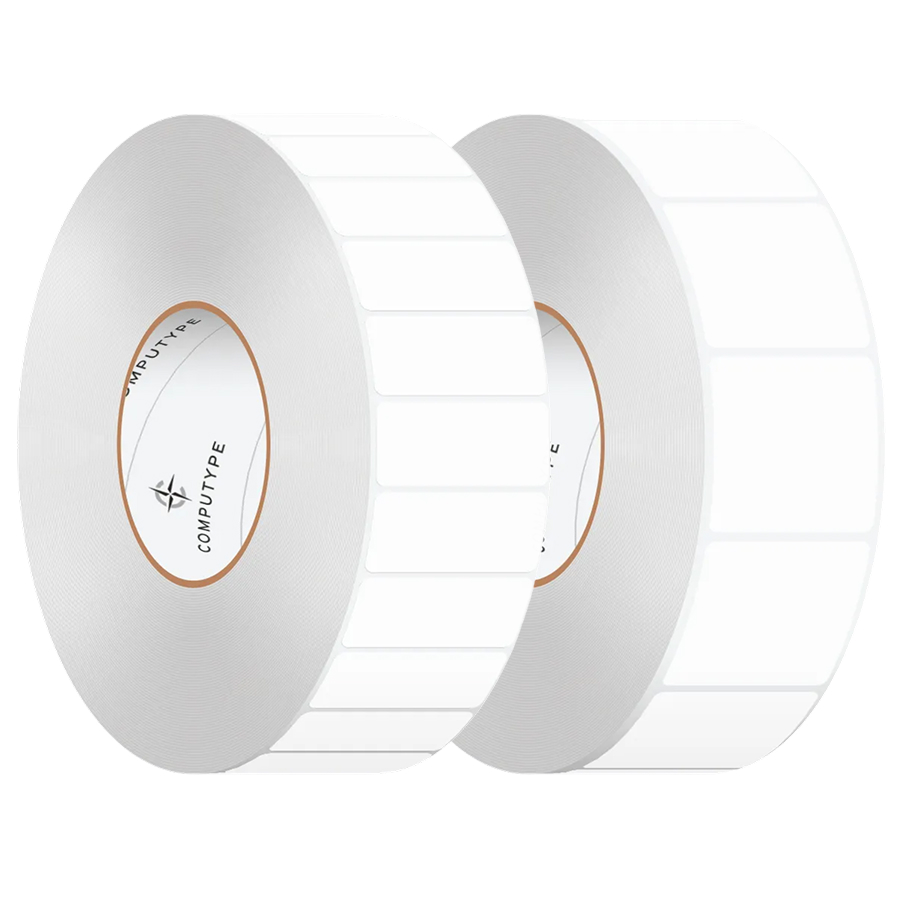
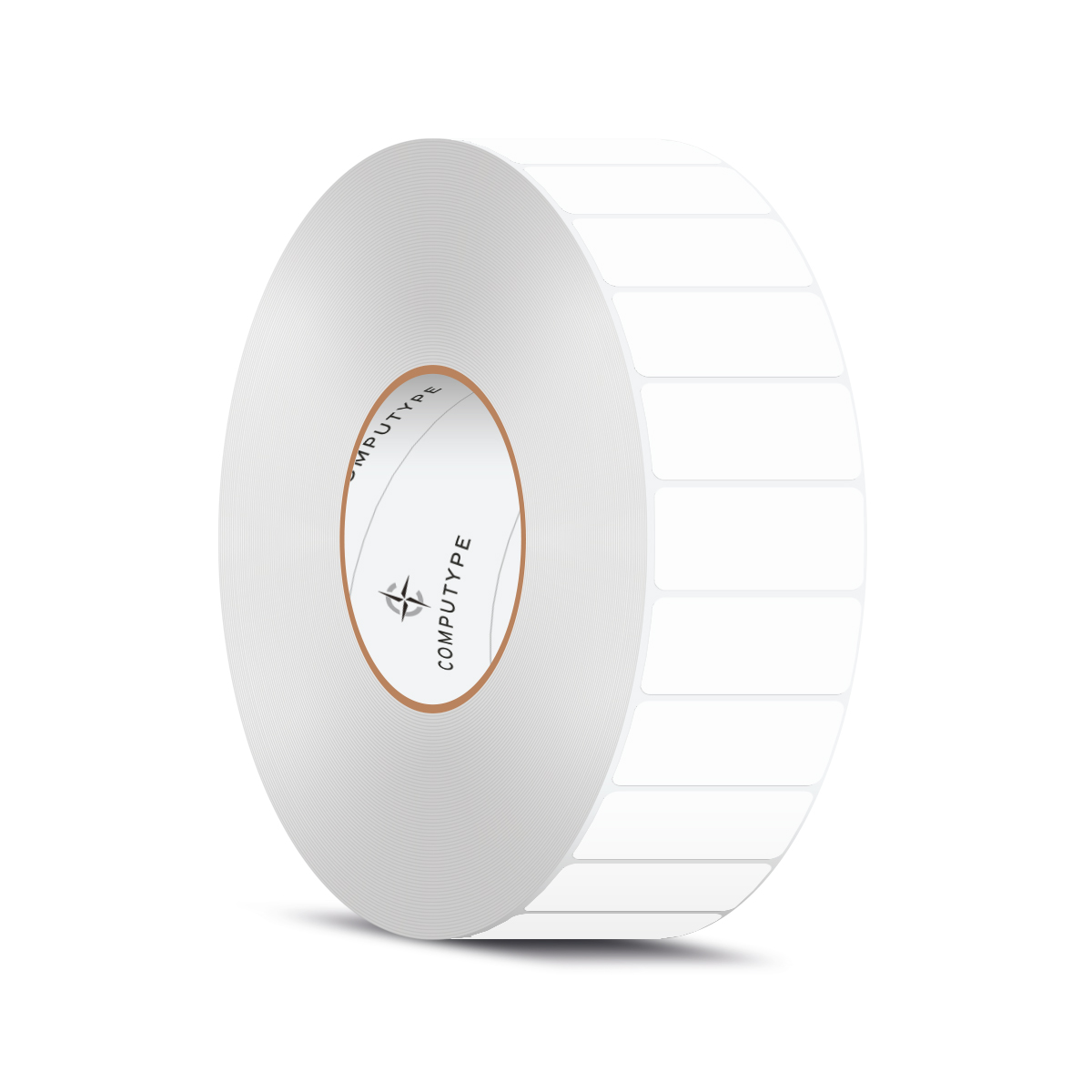
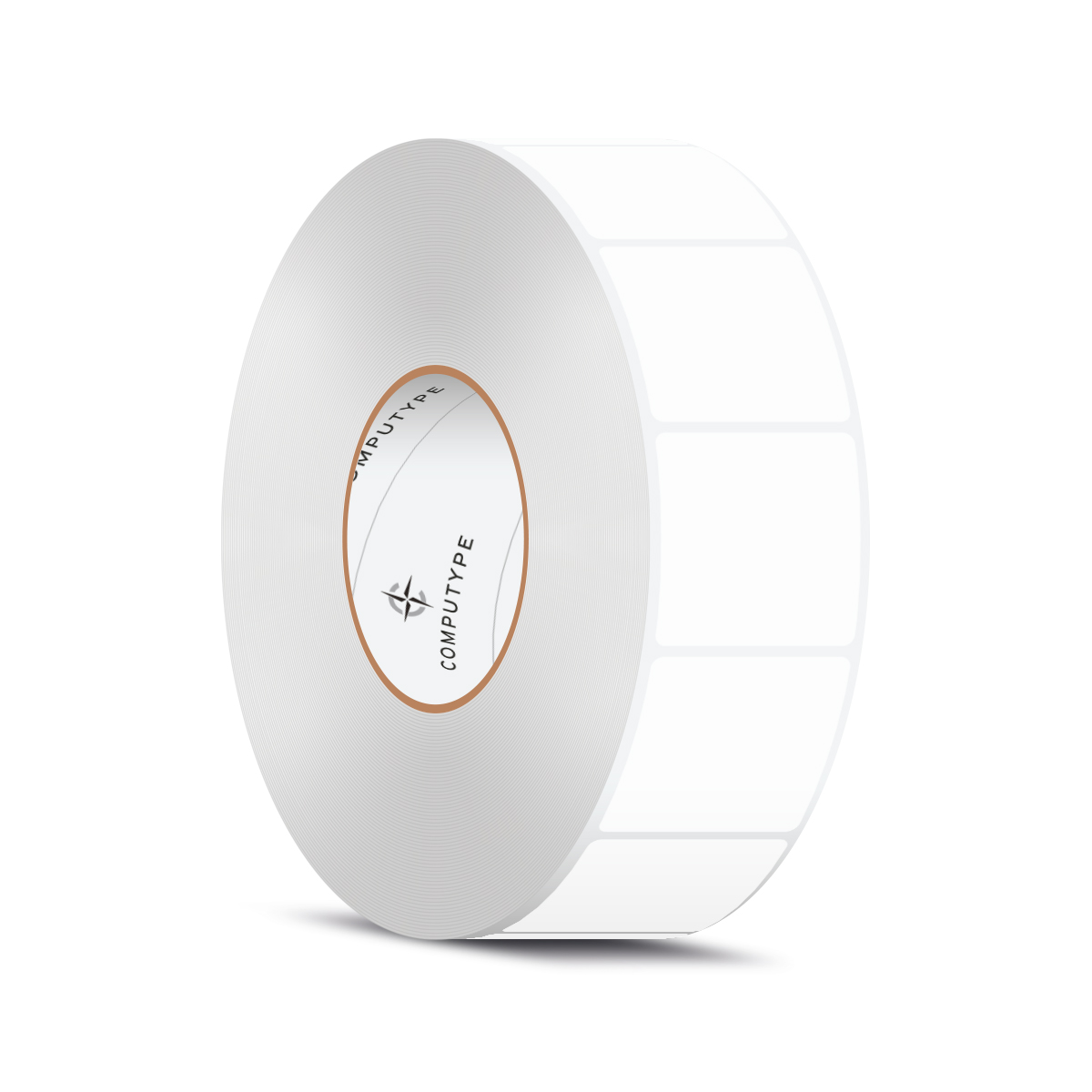
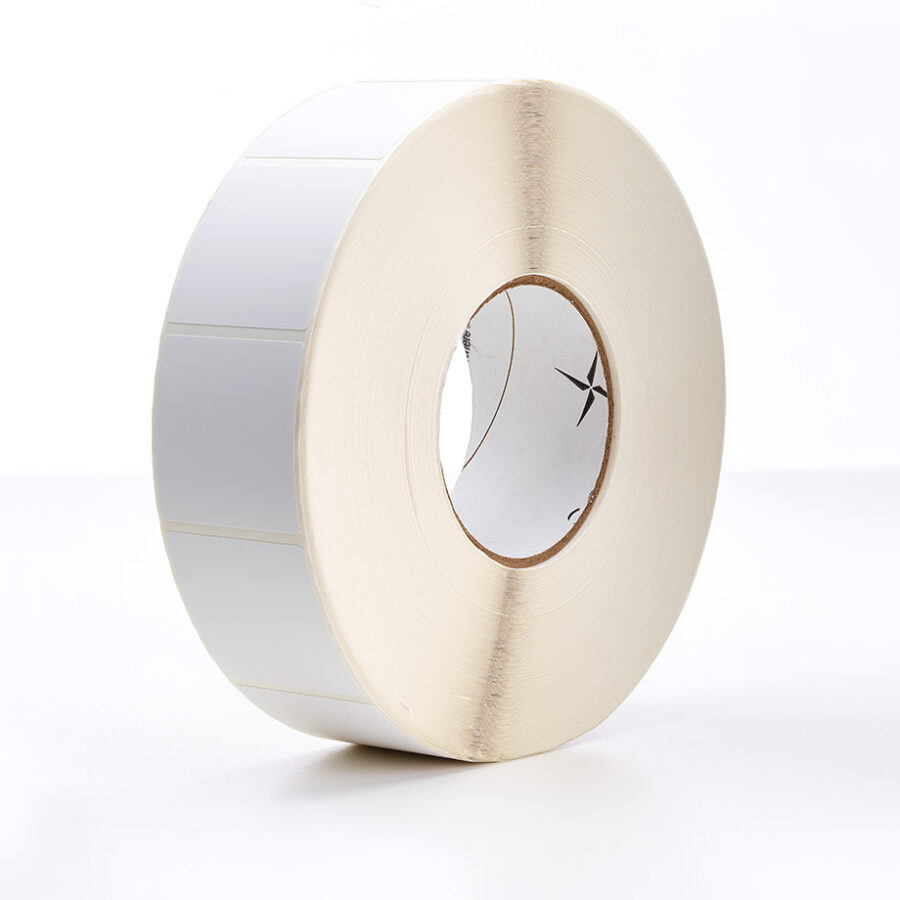
blank label rolls
A top-coated polypropylene face stock protects printed barcodes and human-readable data from chemicals, dry ice, steam autoclaves, and gamma radiation, keeping sample identification legible and scannable throughout long-term cryogenic storage. The permanent acrylic adhesive is formulated to wet out and anchor at ultra-low temperatures, delivering dependable adhesion where standard cryogenic labels fail.
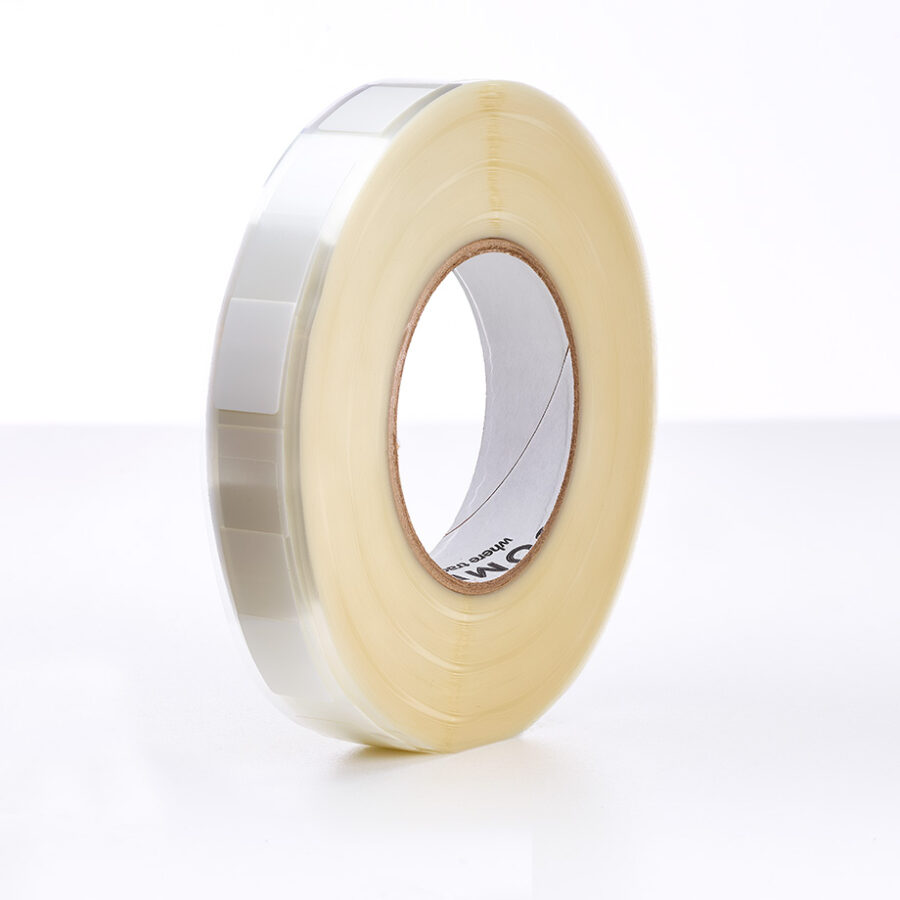
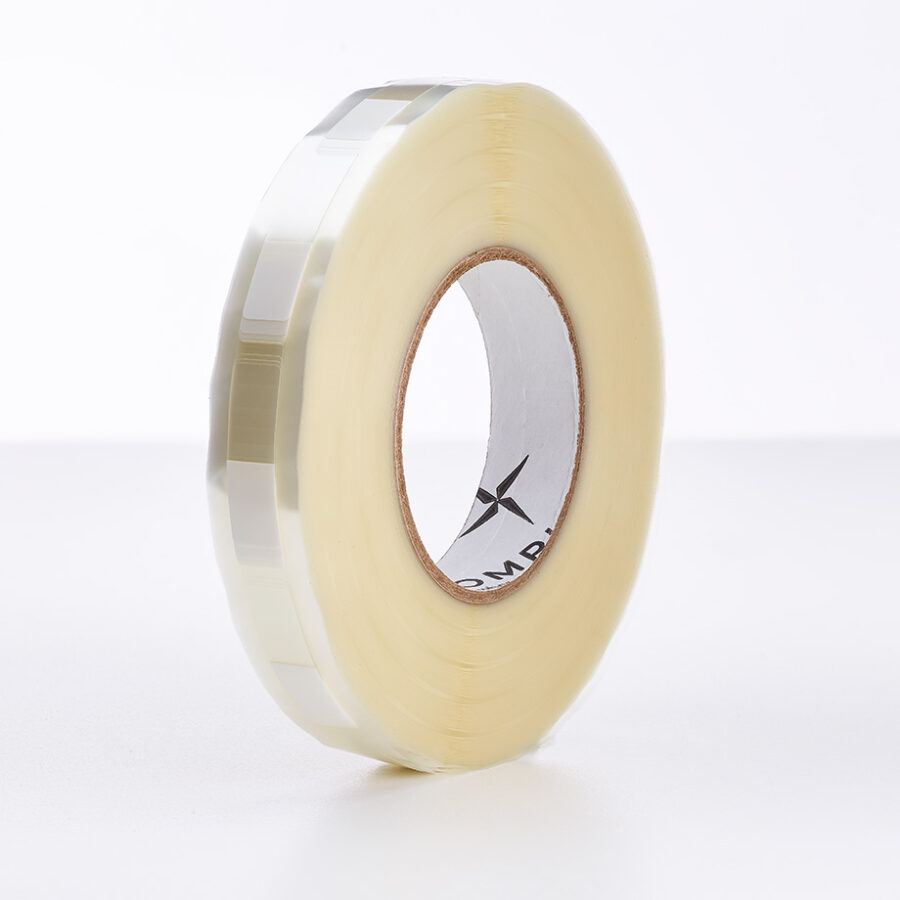
thermal transfer ribbons
A specifically matched resin thermal-transfer ribbon is included to ensure liquid-nitrogen-safe cryo labels perform as a complete printing system, not just a durable material. At cryogenic temperatures, incompatible inks can crack, fade, or detach from the surface — even when the label itself remains bonded. This ribbon is engineered to work with the top-coated polypropylene face stock, allowing the printed image to adhere strongly to the label.
Cryogenic application and storage temperature.
Applies at -20 °C (-4 °F) and remains adhered and legible during storage at -196 °C (-320 °F).
Engineered labels for LN₂ cryogenic storage.
Label construction withstands repeated liquid nitrogen immersion without cracking, delamination, or adhesive failure.
Barcodes remain readable after liquid nitrogen immersion.
Printed barcodes remain scannable after liquid nitrogen immersion, handling, and repeated retrieval from storage.
Liquid nitrogen immersion exposes labels to rapid thermal shock, material embrittlement, and adhesive failure at -196 °C. Standard cryogenic labels often crack, delaminate, or lose barcode legibility under these conditions—especially during repeated immersion and retrieval cycles.
Liquid nitrogen-safe label construction is designed to prevent these failures through flexible face stocks, cryogenically stable adhesives, and print durability suited for direct immersion. The resulting label maintains adhesion and readable barcodes throughout liquid nitrogen storage, handling, and downstream laboratory workflows.
thermal stress
Liquid-nitrogen-safe cryo labels are built to remain intact through –196 °C storage, vapor-phase exposure, and repeated freeze–thaw cycling. Materials are selected to prevent cracking, curling, and dimensional drift as tubes contract and expand, keeping barcodes aligned and readable.
Cryogenic workflows expose labels to solvents, alcohols, disinfectants, and laboratory reagents during handling and processing. The label construction protects both adhesion and print integrity, ensuring barcodes and text do not smear, dissolve, or fade over time.
Cryo labels must survive gloved handling, rack movement, centrifugation, and repeated retrieval from dewars and freezers. The face stock, adhesive, and print system resist edge lift, abrasion, and image fracture, preserving reliable identification throughout long-term sample storage.
polypropylene cryo label
White polypropylene provides the mechanical backbone of a liquid-nitrogen-safe cryo label. Unlike brittle films, polypropylene maintains flexibility and dimensional stability as temperatures plunge toward –196 °C, preventing cracking, curling, or edge lift during freeze–thaw cycling. Its low moisture uptake also protects the printed image and adhesive layer from ice formation and condensation during handling. In cryogenic storage, the face stock must remain intact so that barcodes, text, and symbols stay aligned and readable even as the underlying tube contracts and expands.
permanent acrylic adhesive
A permanent acrylic adhesive is used because cryogenic storage demands both low-temperature wet-out and long-term cohesion. At ultra-low temperatures, many adhesives become glass-hard and lose surface contact. This formulation remains tacky enough to bond to plastic and glass labware, yet strong enough to resist peel, shear, and thermal stress over time. The adhesive layer is what keeps the label anchored as tubes move between liquid nitrogen, vapor-phase storage, and ambient handling.
print-receptive topcoat
The top-coated surface is what allows thermal-transfer resin ink to become a durable part of the label, not just something sitting on it. This coating is engineered to accept and anchor the printed image, producing sharp barcodes, dense blacks, and chemical-resistant text. In cryogenic environments, where labels encounter liquid nitrogen, solvents, dry ice, and sterilization cycles, the topcoat prevents ink fracture, smearing, and image loss. It is the layer that turns a printed cryo label into a scannable, long-term identification tool.
adhesive dwell time
Dwell time is not optional in cryogenic labeling — it is a performance variable. After application, the adhesive continues to flow and build contact with the surface, increasing bond strength over time. An initial 15-minute dwell provides early holding power, while allowing up to 24 hours maximizes adhesion before the label is exposed to liquid nitrogen or deep-freeze storage. Skipping this step reduces ultimate bond strength, even with a cryo-rated adhesive.
label compliance
These liquid-nitrogen-safe cryo labels are produced using materials that comply with FDA 21 CFR 175.105 and RoHS Directive 2011/65/EU. FDA 21 CFR 175.105 is commonly referenced in laboratories and biobanks because it governs adhesives used in indirect contact with regulated materials, while RoHS limits the use of restricted substances in electronic and laboratory environments.
This compliance helps ensure the label system is suitable for use in regulated lab workflows, biomedical research, and long-term sample storage. Additional regulatory or material requirements can be evaluated when needed, allowing the label construction to be aligned with application-specific compliance and validation needs.
Contact us to connect with a specialist who understands your industry and can provide the right solutions for your business. Let’s start a conversation.