

Labeling in animal health spans clinics, farms, trials, and reference labs—each with unique operations and regulatory needs. Our solutions are engineered for sample integrity, accuracy, and efficiency at every stage.
Whether you’re labeling tubes, slides, or test cards, you’ll find flexible options for in-house printing, pre-printed label sets, or even pre-marked labware.
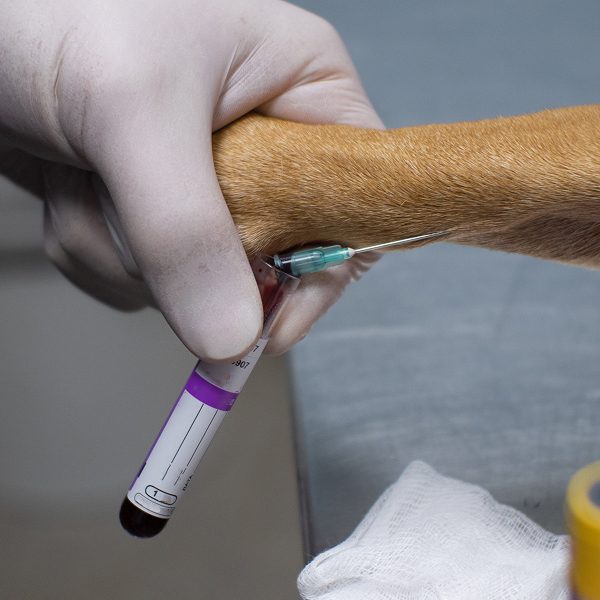
Animal health labeling isn’t one-size-fits-all. Whether you’re working with cryovials, microscope slides, or genetic test cards, labeling challenges vary by species, sample type, and workflow. These are real-world labeling needs we’ve encountered—and solved—across diagnostics, research, clinical trials, and veterinary care.
Common across clinics, trials, and farm testing, these containers face rough handling, refrigeration, and transit.
Transport media for swabs, as well as standard blood and serum tubes, require reliable label adhesion.
Barcode clarity, print durability, and layout consistency help minimize intake delays and labeling errors.
Label performance is critical once slides enter staining, archiving, or microscope workflows.
Handling, staining, and archiving introduce challenges that demand high-contrast, solvent-resistant labels.
Options include top-coated thermal transfer labels, self-laminating formats, or pre-marked glass surfaces.
Label performance is critical once slides enter staining, archiving, or microscope workflows.
Handling, staining, and archiving introduce challenges that demand high-contrast, solvent-resistant labels.
Options include top-coated thermal transfer labels, self-laminating formats, or pre-marked glass surfaces.
Moisture, refrigeration, and irregular handling can quickly degrade label readability and adhesion.
Label stability prevents scanning issues, smudging, or lost traceability under harsh and inconsistent conditions.
Solutions include solvent-resistant coatings, strong adhesives, and layouts compatible with lab software systems.
Identification must remain intact as these materials move from barns to processing labs and archives.
These samples move in bulk from barns to central labs — often unchilled and handled outside controlled settings.
Labels designed for this process hold up through sorting, mailing, and sample prep without degradation.
Explore materials firsthand—request sample labels built for the conditions your workflows face across veterinary, livestock, and research settings.
From in-house printing to fully pre-marked labware, label performance depends on the right construction. Explore how face stocks, adhesives, coatings, and ribbons come together to meet traceability, durability, and compliance demands in veterinary, livestock, and laboratory environments.
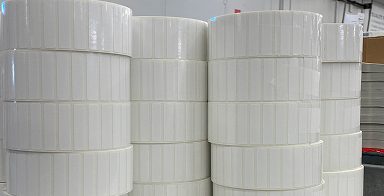
Print-ready label materials designed for thermal transfer systems. Ideal for facilities that want flexibility, control, and speed when printing barcodes or study-specific IDs on demand.
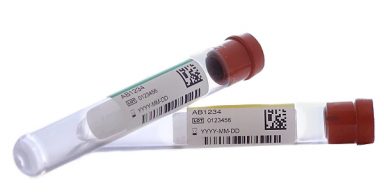
Pre-printed labels designed for enhanced durability and clarity. Supports high-resolution barcodes, color-coding, custom layouts, and topcoats for solvent, moisture, or abrasion resistance.
Pre-serialized or custom formats
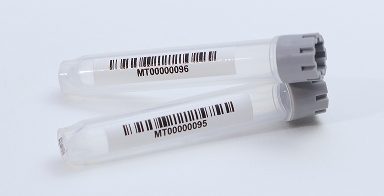
Labware arrives pre-identified with barcodes, human-readable IDs, or color marks. Increases consistency, speeds up intake, and reduces labeling errors during busy or regulated workflows.
Maximum durability
Optional tare weights and reports
Cleanroom production available
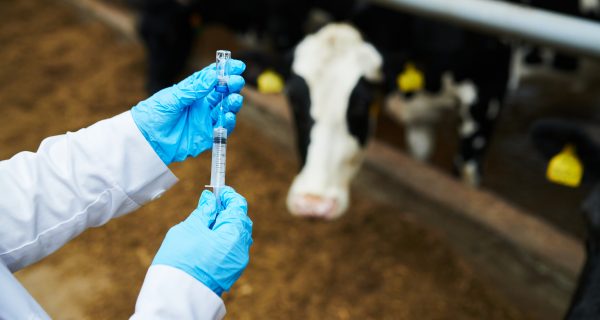
Supports GLP, GCP, and USDA requirements with validated materials, audit-ready formats, and consistent data integrity from intake to archive.
Barcode-ready solutions ensure accurate tracking through clinics, farms, labs, and storage—reducing risk and improving workflow confidence.
Minimizes relabeling, accelerates intake, and reduces errors so staff can focus on testing, care, and decision-making—not labeling logistics.
From liquid nitrogen cryovials to refrigerated milk and fecal samples, labels must remain affixed and scannable through cold chains, freeze-thaw cycles, and long-term cryogenic storage across animal genetics, diagnostics, and vaccine workflows.
Routine handling, stacking, and transit expose labeled samples to abrasion in clinics, barns, and labs. Reinforced face stocks and high-performance ribbons ensure that barcodes and text remain readable throughout movement and processing.
Slides, tubes, and QC vials are often exposed to ethanol, formalin, or other solvents during staining, rinsing, or sterility testing. Label constructions and topcoats prevent smearing, fading, or delamination in these lab environments.
Animal health workflows require face stocks that can perform under diverse conditions, from cryogenic storage to chemical exposure. We primarily use durable films such as polyester and polypropylene, selected for their resistance to tearing, moisture, and solvents. These materials offer excellent barcode contrast and dimensional stability, even in cold, humid, or rough handling environments. Polyester is often used for cryo and chemical applications due to its strength and low shrinkage, while polypropylene is favored for its flexibility and clarity. For slide and swab labels, thin films allow for tight wrapping and compatibility with curved or irregular shapes. Face stocks are engineered to accept thermal transfer imaging with high resolution, ensuring consistent scannability. Options are available in white, clear, or matte finishes, depending on whether visibility, optical clarity, or scan contrast is prioritized. Specialized constructions can also support direct marking or integrate features like destructibility or tamper-evidence when required.
Adhesive performance is critical in animal health labeling due to exposure to cold, moisture, solvents, and physical stress. We offer both acrylic and rubber-based adhesives tailored for specific use conditions. Acrylic adhesives are chosen for cryogenic storage, long-term durability, and chemical resistance. These adhesives maintain tack at -80°C and below, making them ideal for blood and semen cryovials or long-term archived samples. Rubber-based adhesives, often used on sample jars and plastic bags, provide excellent initial tack and perform well on rough or low-energy surfaces, though they may have lower resistance to solvents and heat. Some constructions use solvent acrylics for a balance of long-term adhesion and chemical tolerance. For cleanroom or biologic workflows, low-migration adhesives are available to reduce contamination risk. Application temperature and surface energy are key factors in adhesive selection. All adhesives are validated for label permanence under use conditions including refrigeration, freeze-thaw, and handling with gloved hands.
Coatings and laminates protect printed information and enhance label durability during exposure to chemicals, abrasion, and harsh environments. Topcoats are often applied to face stocks to improve thermal transfer ribbon anchoring, especially for resin ribbons used in cryogenic or solvent-exposed workflows. These coatings crosslink with ribbon resin to prevent smudging, scratching, or fading during handling, staining, or rinsing steps. Self-laminating labels are available for microscope slides and tubes, providing a built-in clear film that wraps over the printed area to seal in information. This format is commonly used in cytology, histology, or necropsy workflows where solvent contact is expected. Additional overlaminates can be applied to pre-printed labels for added resistance to abrasion and UV. Selection of coating or laminate depends on sample type, required dwell time, and whether labels will be stored long-term, used in high-traffic labs, or transported through cold chain environments.
For pre-printed labels, inks are selected based on solvent resistance, adhesion, and compatibility with topcoated substrates. UV-cured and thermal-set inks are used for high-durability applications such as cryogenic storage or harsh chemical exposure. For in-house thermal transfer printing, ribbon selection is essential. Resin ribbons are recommended for long-term or high-durability needs—such as cryo, ethanol, or abrasion-prone applications—due to their superior resistance to chemicals, moisture, and heat. Wax/resin ribbons may be used for routine labeling where durability needs are moderate, such as clinic tube labels. Ribbon performance depends on matching the ribbon type to both the face stock and the topcoat. Proper ribbon selection ensures barcode clarity, reduces printer wear, and prevents transfer failure during printing. Color ribbons are also available for color-coded workflows. All ribbons and inks are tested for adhesion, smudge resistance, and compatibility with key substrates used in animal diagnostics, genetics, and reference labs.
Our label constructions are optimized for thermal transfer printing systems commonly used in clinical and veterinary labs. Labels are compatible with standard 300 dpi and 600 dpi printers, including models from Zebra, CAB, TSC, and others. These printers allow for high-resolution imaging of barcodes, human-readable text, and serialized identifiers. Label materials are available in roll and fan-fold formats and are designed to support reliable feeding, edge detection, and peeling under a range of environmental conditions. Specific constructions are compatible with small-diameter tubes or curved surfaces, ensuring accurate label application without edge lifting or wrinkling. For customers using in-house printing systems, we offer matched ribbon and label kits with validated performance across commonly used veterinary sample types. Our pre-marked labware solutions also integrate seamlessly with automated systems. Whether printing one-off sample IDs or running high-throughput kits, compatibility with your equipment and labeling workflows is a core consideration in product design.
Label design plays a central role in ensuring traceability, reducing relabeling errors, and supporting system integration. Designs can include 1D or 2D barcodes, human-readable alphanumerics, color blocks, serialized ranges, and layout elements that align with LIMS, collection forms, or vial markers. For clinical trials or blinded studies, custom data structures and masking formats are available to protect study integrity. Label dimensions are chosen to match specific labware—such as short-wrap tube labels, wraparound cryo formats, or slide flags—ensuring readability and adhesion. Material selection, adhesive performance, and printer compatibility all influence what design elements are viable. Pre-printed labels can incorporate custom brand colors or security features, while in-house designs prioritize layout simplicity and scanning accuracy. Label sets for field kits or sample submissions can be matched across forms, tubes, and bags to streamline intake. All design options are tested for scan reliability, print durability, and workflow fit.
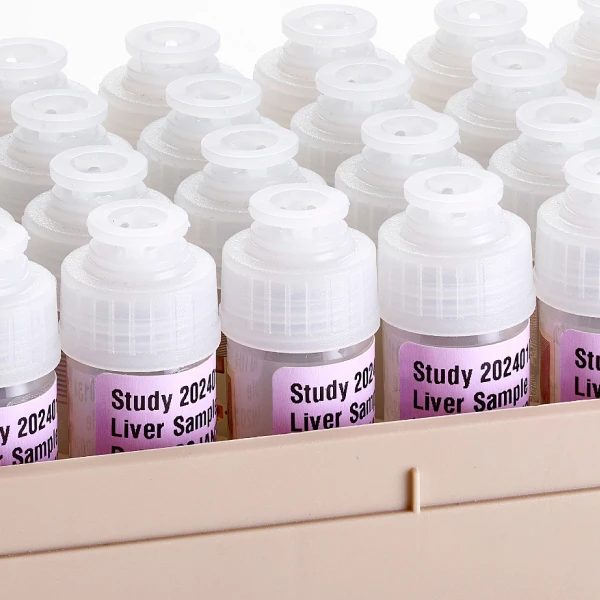
Thermal transfer printers and tube labelers streamline labeling across clinics, research labs, and surveillance programs. These supported systems are well-matched to our materials and sample types, helping ensure clear barcodes, consistent placement, and efficient sample intake.
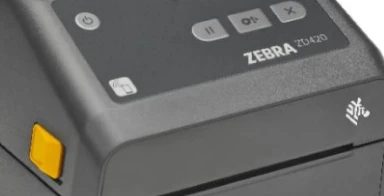
Compact thermal transfer printers ideal for clinics and small labs labeling blood tubes, swabs, and slides with clear, durable barcodes.
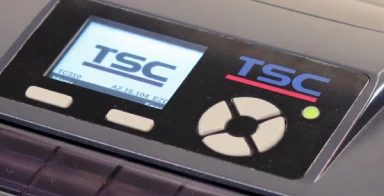
Reliable desktop printers for veterinary and diagnostics environments; excellent for printing tube labels, jar labels, and sample submission sets.
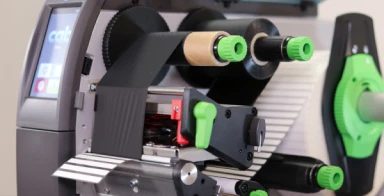
Versatile, high-performance printers used in high-throughput animal labs for printing custom label sets, tube wraps, and cryo-compatible barcodes.

Automates vertical tube labeling for capped or filled tubes in veterinary or genetic labs; ideal for robotic workflows and LIMS integration.
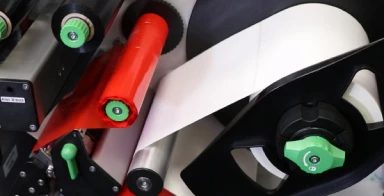
Simplifies semi-automated tube labeling with a foot pedal or button trigger—great for increasing consistency in veterinary and field trial labs.
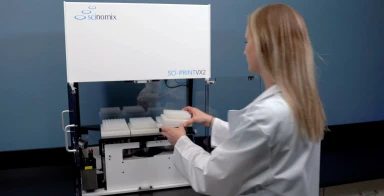
Fully automates printing and labeling of lab tubes; supports random access loading, common in reference labs and veterinary diagnostic workflows.

Have questions? We’re here to help.
Contact us to connect with a specialist who understands your industry and can provide the right solutions for your business. Let’s start a conversation.
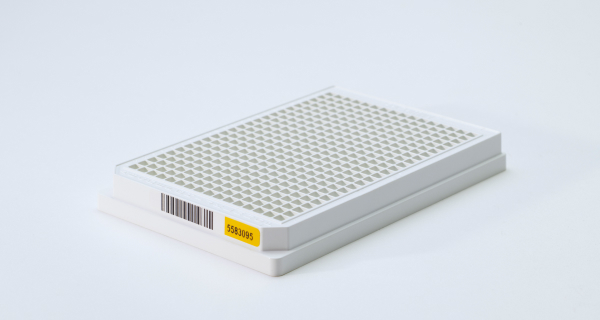
Receive microplates with identifiers already applied, eliminating labeling steps during plate setup and processing. Ensure consistent, durable identification across assays, screening, and storage while reducing manual handling and improving workflow efficiency.
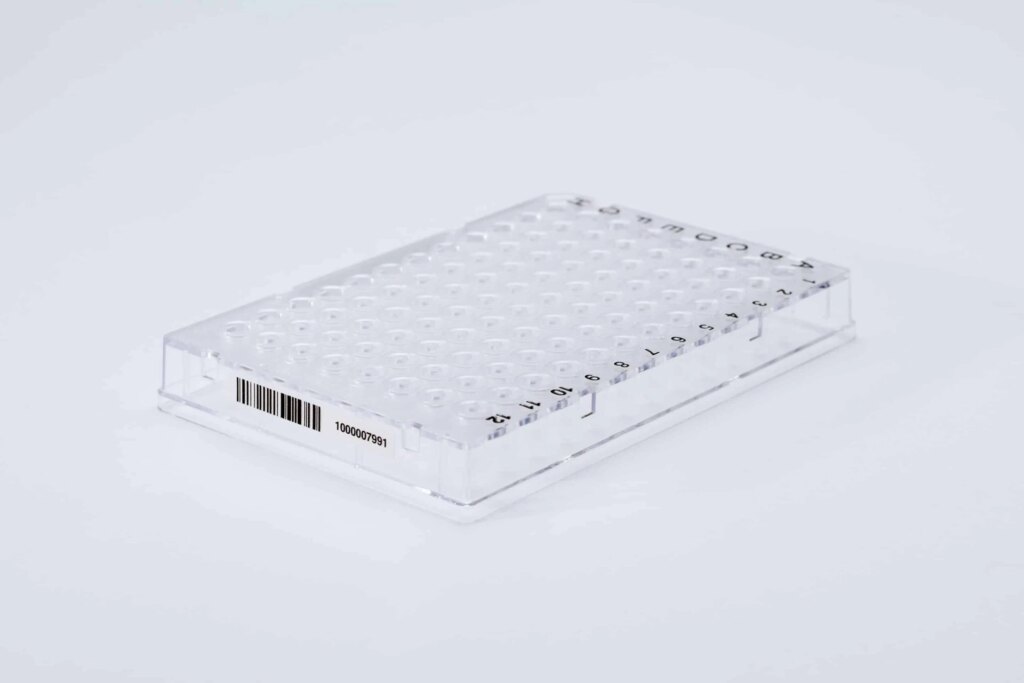
Pre-barcoded microplates arrive ready to use with verified identifiers applied before delivery. This approach removes labeling from your workflow and ensures consistent identification across plate handling, processing, and storage environments.
Eliminate labeling steps during plate setup, loading, and processing workflows.
Use pre-verified plate IDs to maintain accuracy across batches and screening runs.
Receive plates sorted, kitted, or prepared to match assay workflows and laboratory processes.
Pre-barcoded microplates fit high-throughput environments where plates move rapidly through automated workflows and labeling can create delays or variability. This includes automated screening facilities, compound and plate libraries, and CROs running large-scale studies, as well as core labs managing shared plate resources where speed, consistency, and reduced handling drive efficiency and improve data integrity.
Get microplate labels professionally printed with controlled data, advanced converting, and durable materials. Ensure consistent plate identification across batches while eliminating in-house printing and reducing variability in labeling for assays, screening, and high-throughput workflows.
Pre-printed plate labels combine controlled printing, advanced converting, and durable materials to deliver consistent, ready-to-use identification. This approach ensures every plate label meets requirements for data accuracy, layout consistency, and performance across handling and processing.
Receive pre-printed plate labels with guaranteed unique IDs, controlled sequencing, and validated data across batches and runs.
Use color coding to differentiate assays, plate types, or workflows and improve visual organization across plate libraries.
Use engineered label constructions that resist chemicals, handling, and environmental exposure during plate processing and storage.
Pre-printed labeling fits laboratories that run standardized plate workflows with fixed data structures. This includes screening labs running standardized assays, diagnostic labs processing consistent plate formats, and research environments where plate layouts and identifiers remain consistent across runs.
Print microplate labels as needed using live data from laboratory systems. Generate labels during plate setup, sample loading, or assay preparation, with well IDs, plate IDs, and variable data applied at the point of use. This approach supports workflows where plate data changes frequently or requires immediate, accurate identification.
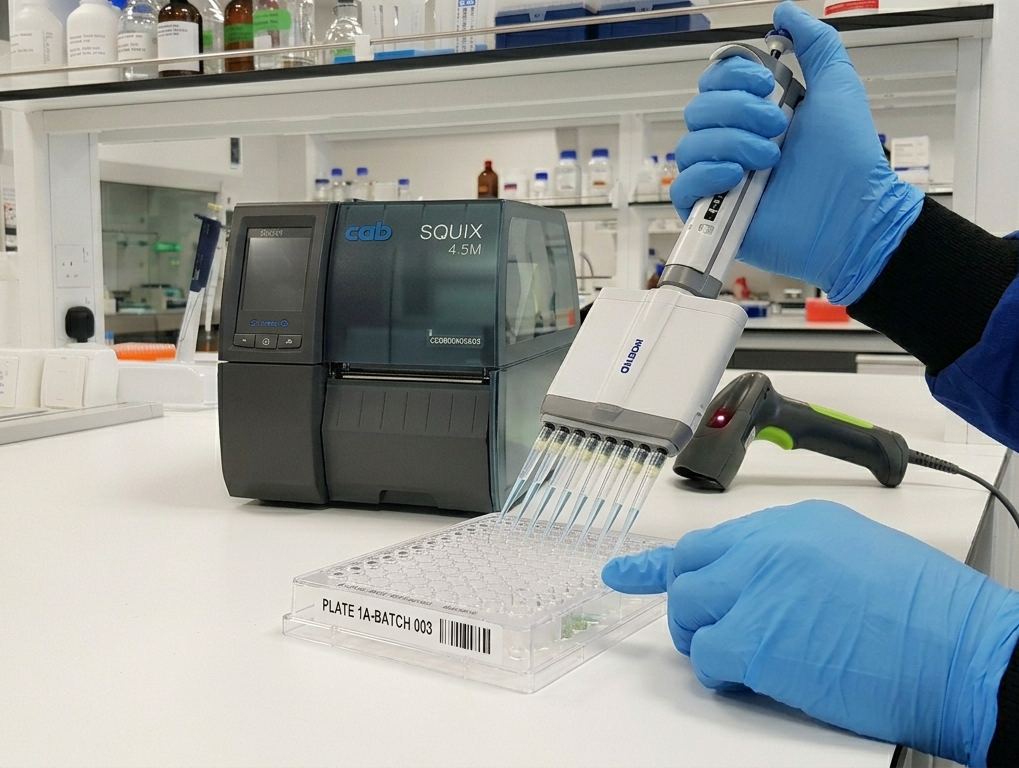
Blank plate labels designed for small formats, flat surfaces, and secure adhesion on plates.
Print high-resolution barcodes and text for plate IDs and sample tracking.
Thermal transfer ribbons produce durable images resistant to chemicals, moisture, and handling.
Apply labels consistently to plates during setup or automated workflows.
Print-on-demand labeling fits laboratories that generate or update plate data in real time. This includes screening labs, genomics workflows, and assay development environments where plates are created, modified, and labeled during processing, and where accurate, immediate identification is required.
Print blood bag labels as needed using live data from blood bank systems. Generate labels during collection, component processing, or labeling steps, with donation identification numbers, product codes, and variable data applied at the point of use. This approach supports workflows where blood data updates in real time and requires immediate, accurate identification.
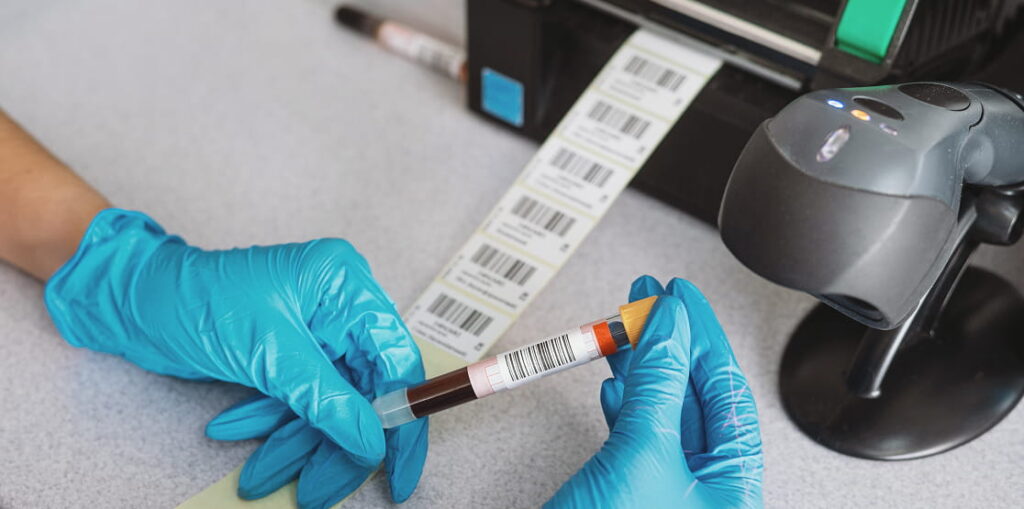
Set up a complete labeling workflow using the right materials and equipment to print and apply labels directly during blood collection, component processing, and blood bank handling workflows.
Start with blank label stock engineered for flexible PVC blood bags.
Print high-resolution barcodes and text for complex blood label layouts.
Use included thermal transfer ribbons to produce durable barcode labels.
Integrate barcode software to generate ISBT 128 labels and DIN data.
Print-on-demand labeling fits blood banks and collection centers that generate or update donation data in real time. This includes blood collection sites, processing labs, and transfusion services where blood bags are labeled on demand, and workflows require immediate, accurate identification without relying on pre-printed labels.
Get blood bag labels professionally printed with controlled data, advanced converting, and durable materials. Eliminate in-house printing while ensuring every label meets performance requirements for blood bank use, including handling, cold storage, and transfusion.
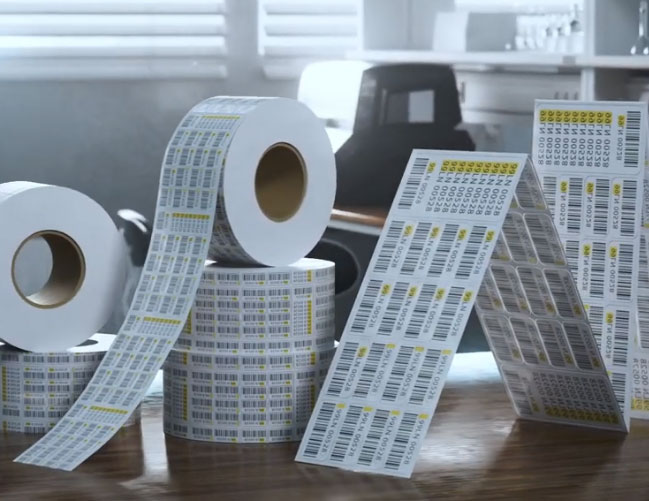
Pre-printed labeling combines controlled printing, advanced converting, and durable materials to deliver consistent, ready-to-use blood bag labels. This approach removes variability from in-house printing and ensures every label meets requirements for DIN accuracy, barcode performance, and reliable identification across blood bank workflows.
Receive pre-printed labels with guaranteed unique DIN sequences, controlled serialization, and validated data across batches and production runs.
Maintain consistent DIN formats to ensure accurate identification across blood bags, segments, and associated components.
Use engineered label constructions designed to resist edge lift, moisture, and routine handling, helping maintain adhesion and readability throughout blood collection.
Pre-printed labeling fits blood banks and collection centers that manage high volumes of donations and require controlled, repeatable identification. This includes blood collection sites, processing facilities, and transfusion services where standardized labeling, consistent DIN assignment, and stable data support efficient, validated workflows without frequent changes.
In laboratory environments, data often isn’t final until the last moment—at the bench, at the instrument, or during sample handling. Printing labels on demand helps ensure each tube or vial reflects the most accurate information, while fitting naturally into the way your work actually happens.
In laboratory environments, data often isn’t final until the last moment—at the bench, at the instrument, or during sample handling. Printing labels on demand helps ensure each tube or vial reflects the most accurate information, while fitting naturally into the way your work actually happens.
In laboratory environments, data often isn’t final until the last moment—at the bench, at the instrument, or during sample handling. Printing labels on demand helps ensure each tube or vial reflects the most accurate information, while fitting naturally into the way your work actually happens.
Compatible resin ribbons ensuring clear, durable print for barcodes and text
Compatible resin ribbons ensuring clear, durable print for barcodes and text
In laboratory environments, data often isn’t final until the last moment—at the bench, at the instrument, or during sample handling. Printing labels on demand helps ensure each tube or vial reflects the most accurate information, while fitting naturally into the way your work actually happens.
In laboratory environments, data often isn’t final until the last moment—at the bench, at the instrument, or during sample handling. Printing labels on demand helps ensure each tube or vial reflects the most accurate information, while fitting naturally into the way your work actually happens.
Compatible resin ribbons ensuring clear, durable print for barcodes and text
Compatible resin ribbons ensuring clear, durable print for barcodes and text
Compatible resin ribbons ensuring clear, durable print for barcodes and text
Compatible resin ribbons ensuring clear, durable print for barcodes and text
In laboratory environments, data often isn’t final until the last moment—at the bench, at the instrument, or during sample handling. Printing labels on demand helps ensure each tube or vial reflects the most accurate information, while fitting naturally into the way your work actually happens.
In laboratory environments, data often isn’t final until the last moment—at the bench, at the instrument, or during sample handling. Printing labels on demand helps ensure each tube or vial reflects the most accurate information, while fitting naturally into the way your work actually happens.
In laboratory environments, data often isn’t final until the last moment—at the bench, at the instrument, or during sample handling. Printing labels on demand helps ensure each tube or vial reflects the most accurate information, while fitting naturally into the way your work actually happens.
Durable labels that stay attached through handling, storage, or cryogenic conditions
Compatible resin ribbons ensuring clear, durable print for barcodes and text
Compact, consistent, durable thermal transfer printing at the point of use
Label management software to format labels and connect to sample data or LIMS
In laboratory environments, data often isn’t final until the last moment—at the bench, at the instrument, or during sample handling. Printing labels on demand helps ensure each tube or vial reflects the most accurate information, while fitting naturally into the way your work actually happens.
Take advantage of our volume discounts for bulk orders. Reach out to us for a personalized quote tailored to your needs.
"*" indicates required fields