
cryo rack labels

Cryogenic storage labels for freezers.

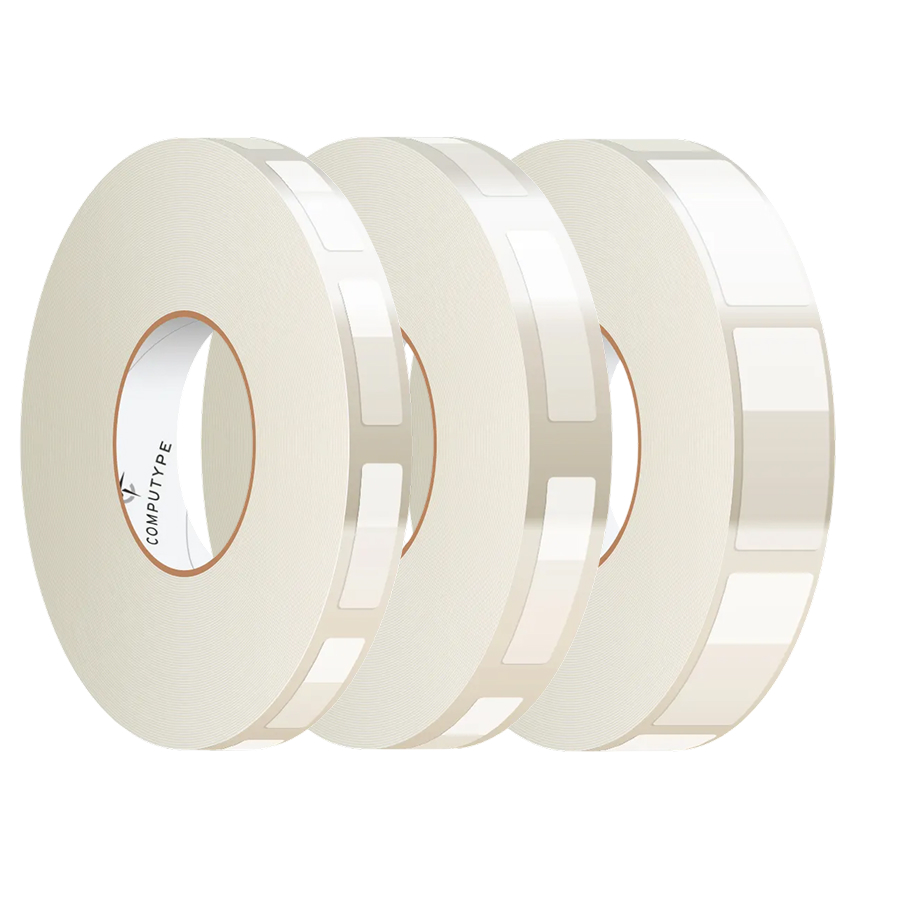
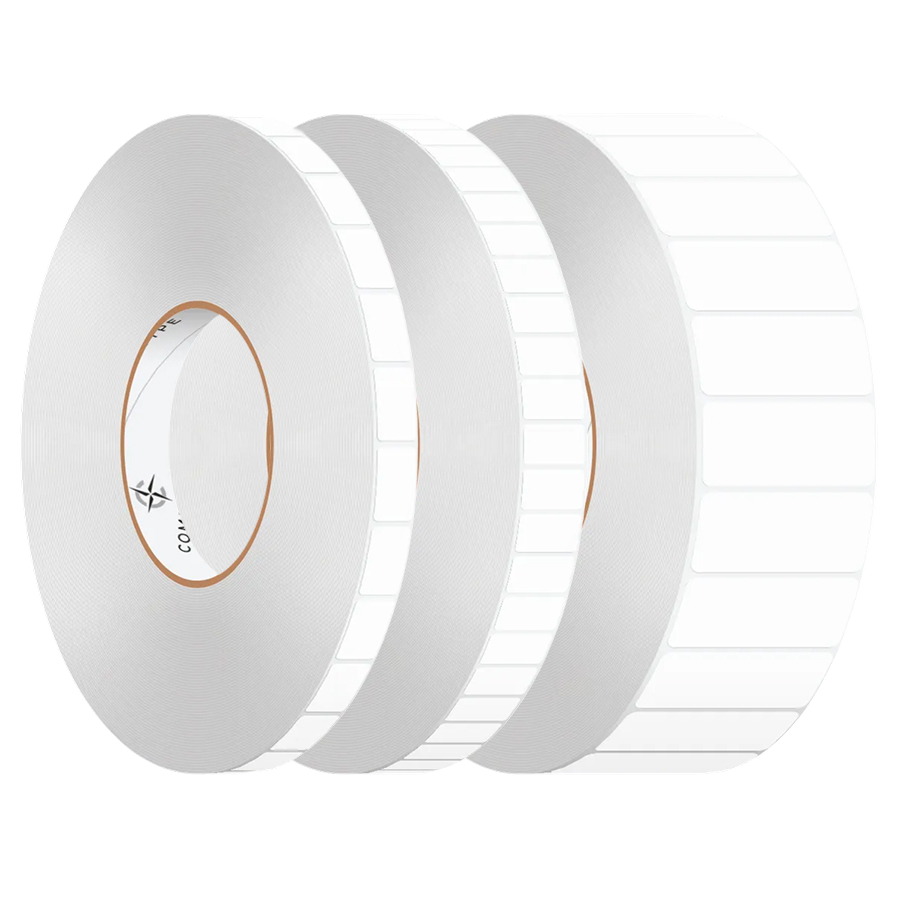
Cryogenic storage labels support reliable identification across freezer boxes, metal storage racks, and other cold storage systems. From liquid nitrogen conditions to standard freezers, these labels maintain adhesion, readability, and durability. Built for cryogenic storage environments, they withstand handling, condensation, and long-term storage while keeping barcodes clear and scannable.

metal-cryo-rack-label-drawer

Cryogenic storage labels for metal racks freezers.

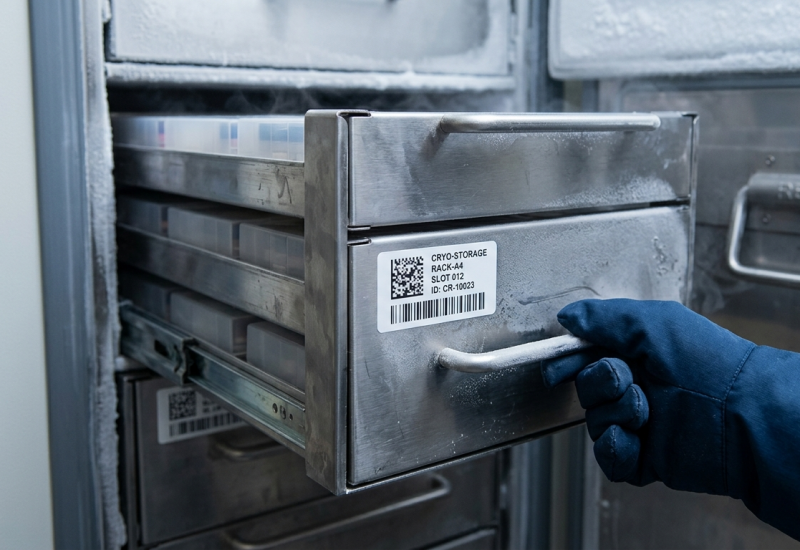
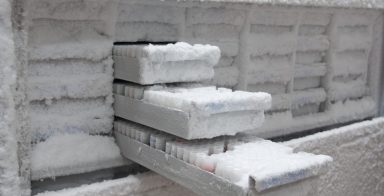
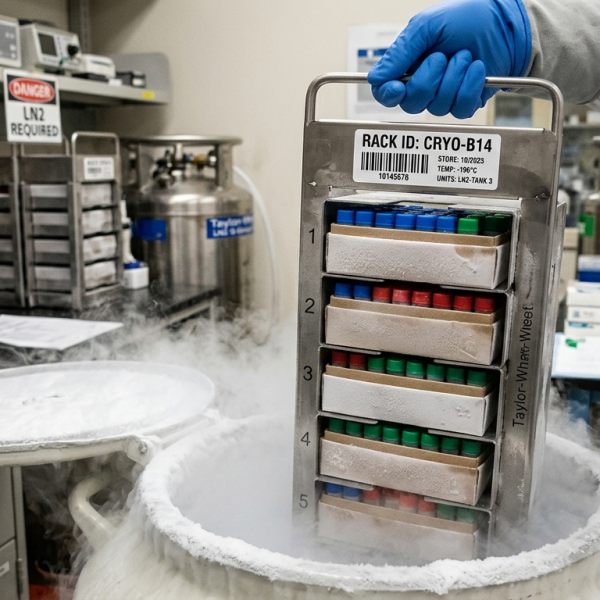
Cryo rack labels are designed for the long-term identification of metal storage racks used in freezers, ultra-low temperature environments, dewars, and liquid nitrogen systems. Engineered to maintain adhesion and barcode readability through condensation, frost, and repeated handling, these labels support accurate rack identification, location management, and inventory organization throughout the storage lifecycle. 

Cryogenic Rack Labels.

Cryogenic rack labels are engineered for long-term identification of metal storage racks in freezers and LN2 environments.

  • Durable labels for metal cryo racks

  • Resists frost, condensation, and routine handling

  • Thermal transfer printable for barcodes and rack IDs

Improve rack-level organization, location tracking, and inventory management throughout cryogenic storage.

Metal cryogenic rack identification.

Maintain clear rack IDs and barcodes through cryogenic storage, handling, reorganization, and routine inventory activities.

Cryogenic storage location tracking.

Find and verify storage locations quickly with durable rack labels that support organized inventory systems.

Print cryo rack labels on demand.

Create new rack IDs and barcode labels immediately as storage layouts and collections change.

Freezer box labels for ultra-low temperature storage.

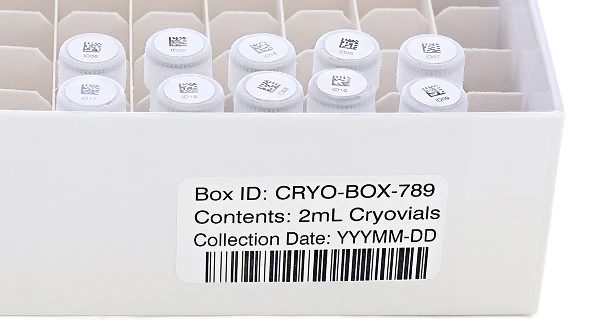
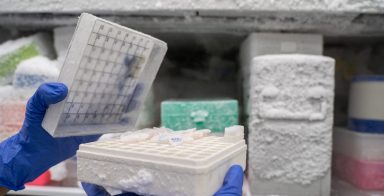
Freezer box labels support the organization and identification of cryogenic sample storage boxes across a range of low-temperature environments. Designed for cardboard and plastic freezer boxes, these labels maintain barcode readability and clear identification through handling, condensation, and routine inventory activities. Select the label that aligns with your storage temperature and performance requirements.

Cryogenic Box Labels.

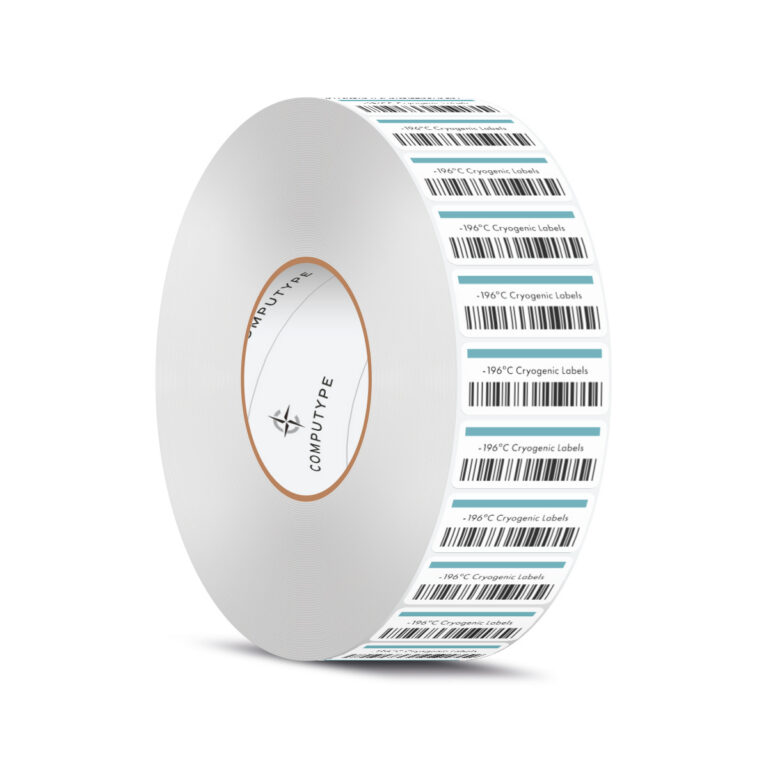
Cryogenic box labels for −196°C storage, labeling cardboard cryovial boxes in liquid nitrogen environments.

  • Long-term sample storage
  • Maintain integrity over time
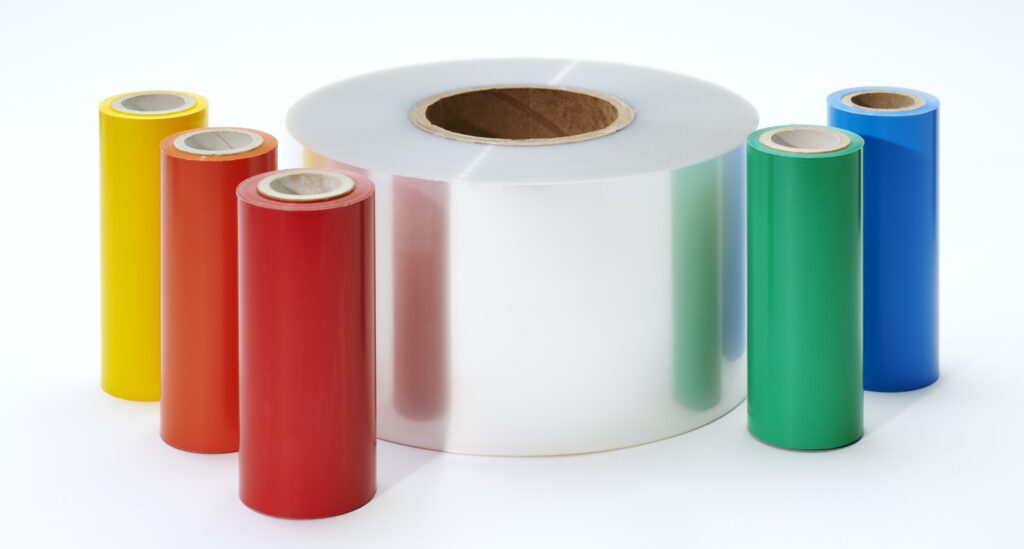
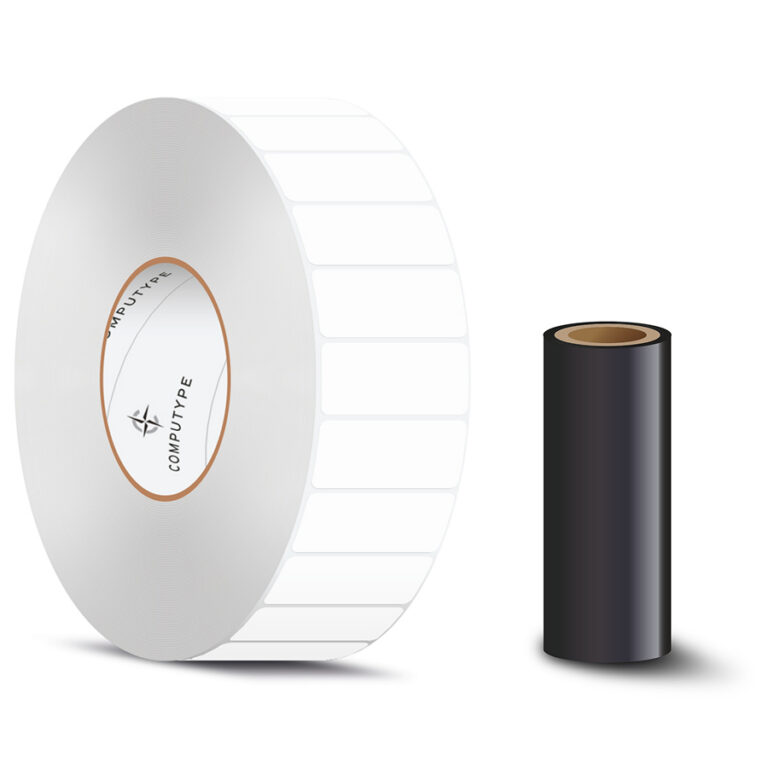
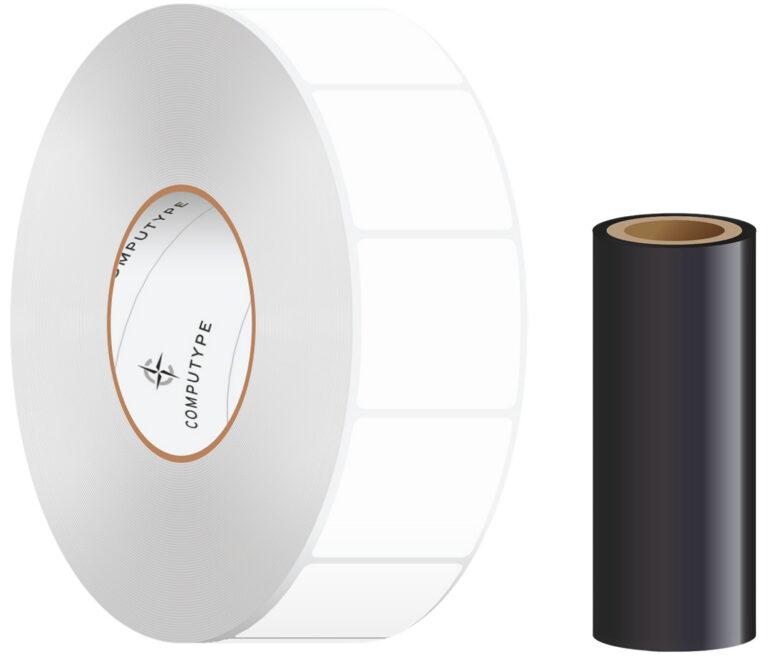
  • Includes compatible ribbons

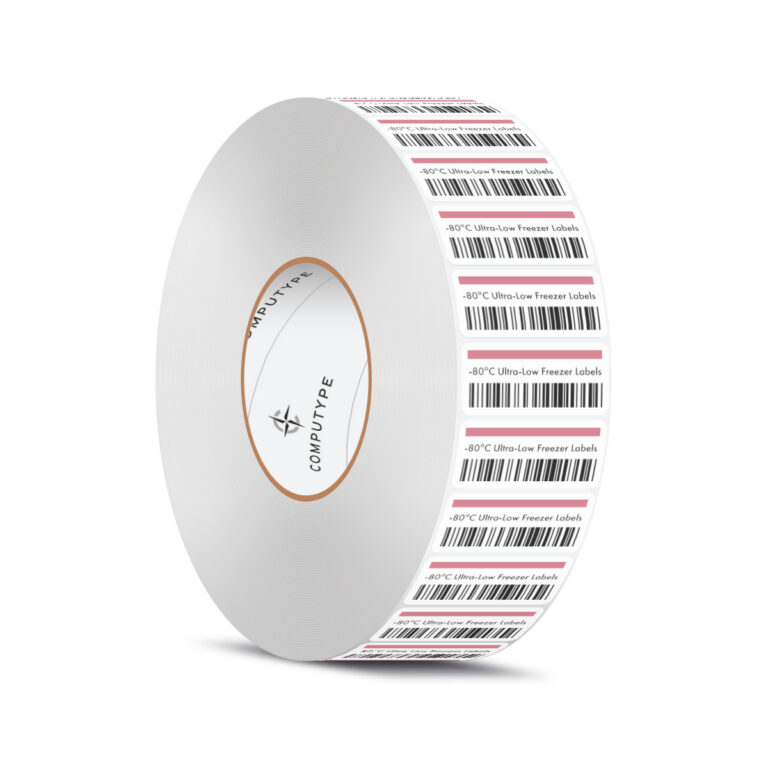
Ultra-Low Freezer Box Labels.

Ultra-low freezer labels for −80°C storage, labeling cardboard freezer boxes in ultra-low temperature laboratory freezers.

  • Active sample storage systems
  • Resists frost and abrasion
  • Includes compatible ribbons

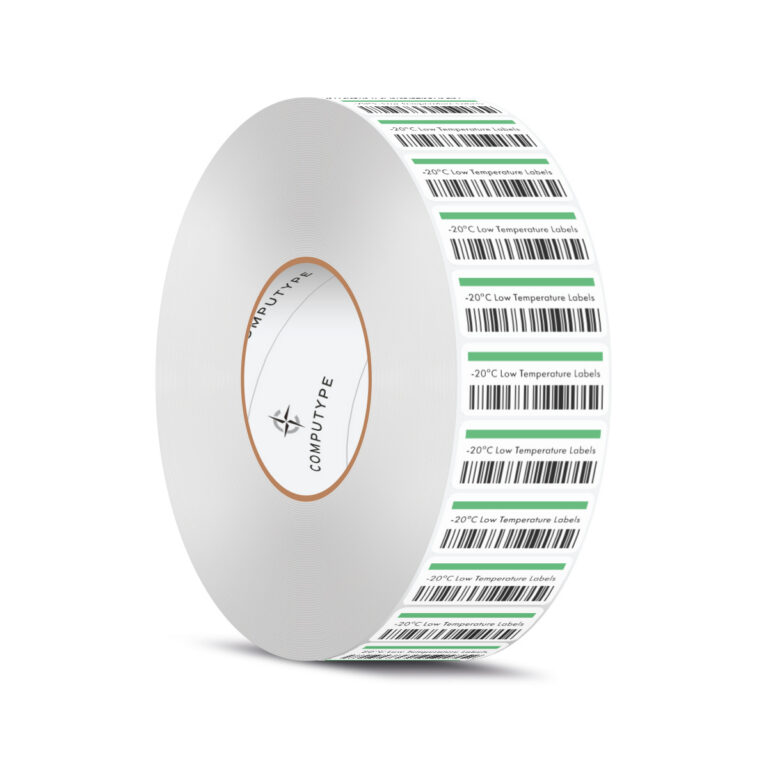
Low-Temperature Freezer Box Labels.

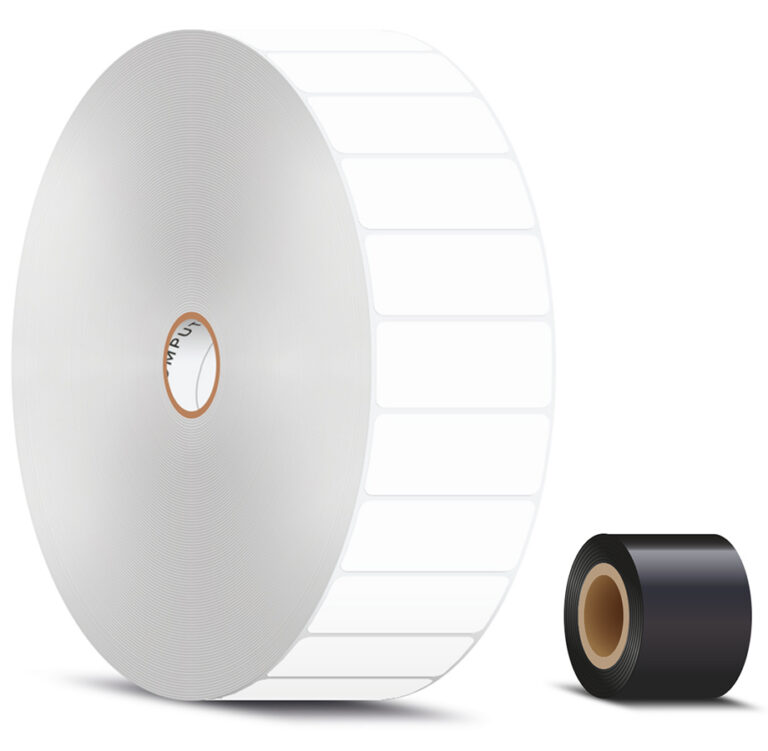
Low-temperature labels for −20°C storage, labeling cardboard freezer boxes and containers in standard laboratory freezers

  • General laboratory storage
  • Withstand frequent handling
  • Includes compatible ribbons

Organize freezer samples with confidence.

Keep freezer box inventories clearly identified and easy to navigate throughout long-term storage and retrieval.

Match labels to storage temperatures.

Choose label materials rated for freezer, ultra-low temperature, and liquid nitrogen storage environments.

Improve barcode-based inventory control.

Track freezer box contents accurately with durable barcodes that support scanning throughout storage workflows.

Engineered label solutions for cryogenic storage.

Cryo labels for metal racks and storage boxes rely on engineered label materials and adhesives built for real lab storage conditions. From tightly packed racks to frequently handled freezer boxes, cryo storage labels maintain contact, resist wear, and remain readable across changing temperatures. Each construction supports consistent identification across rack and box systems used in laboratory freezer storage.

Medical samples in -80.

long-term storage

Maintain readable labels over extended cryo storage periods, supporting identification as samples remain stored and are retrieved over time.

The researcher opens the storage box that keeps the sample in -80C refrigerator. To finds samples of protein used for the further experiment for biochemical laboratory.

freezer management

Support structured storage using racks and freezer boxes, keeping samples arranged and identifiable within dense storage configurations.

cold-cryo-related

frequent handling

Support labeling in environments where racks and boxes are regularly handled, moved, and accessed during routine lab workflows.

metal cryogenic labels

Cryo rack labels bond to the materials used in real laboratory storage systems, including metal racks and plastic storage boxes. Labels must stay in place across smooth, rigid metal surfaces as well as lower surface energy plastics like polypropylene commonly used in freezer boxes. Adhesives are selected to maintain contact across these different materials without lifting, edge curl, or loss of adhesion. This allows consistent labeling across racks and boxes without changing label constructions, even as storage configurations vary between systems, formats, and lab environments.

cryogenic storage environments

Cryo rack labels support storage conditions ranging from liquid nitrogen environments to standard laboratory freezers. Materials and adhesives are selected to remain stable at −196°C, −80°C, and −20°C without cracking, shrinking, or losing adhesion. Labels must handle temperature transitions during storage, retrieval, and handling, including exposure to condensation and frost. This allows a consistent labeling approach across cryogenic storage and freezer systems, supporting racks, boxes, and labware without needing different materials for each temperature range.

abrasion and handling resistance

Cryo rack labels hold up under repeated handling, contact with racks, and movement within dense storage systems. Labels encounter friction as racks slide in and out, boxes stack and unstack, and samples are accessed during routine workflows. Surface coatings and materials are selected to resist scuffing, smearing, and wear while maintaining readable barcodes. This supports consistent identification even as labels experience frequent physical interaction across storage systems, reducing the risk of damaged or unreadable labels over time.

thermal transfer printing

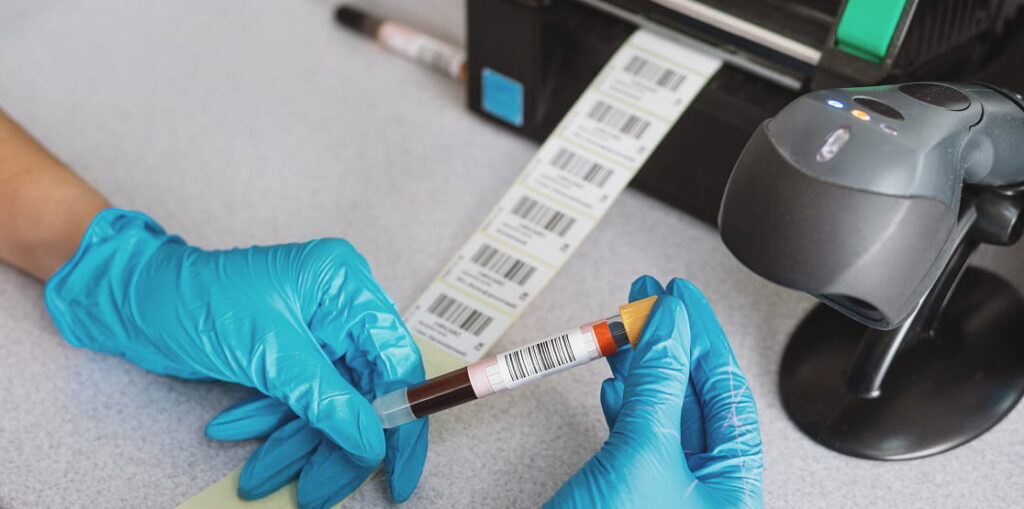
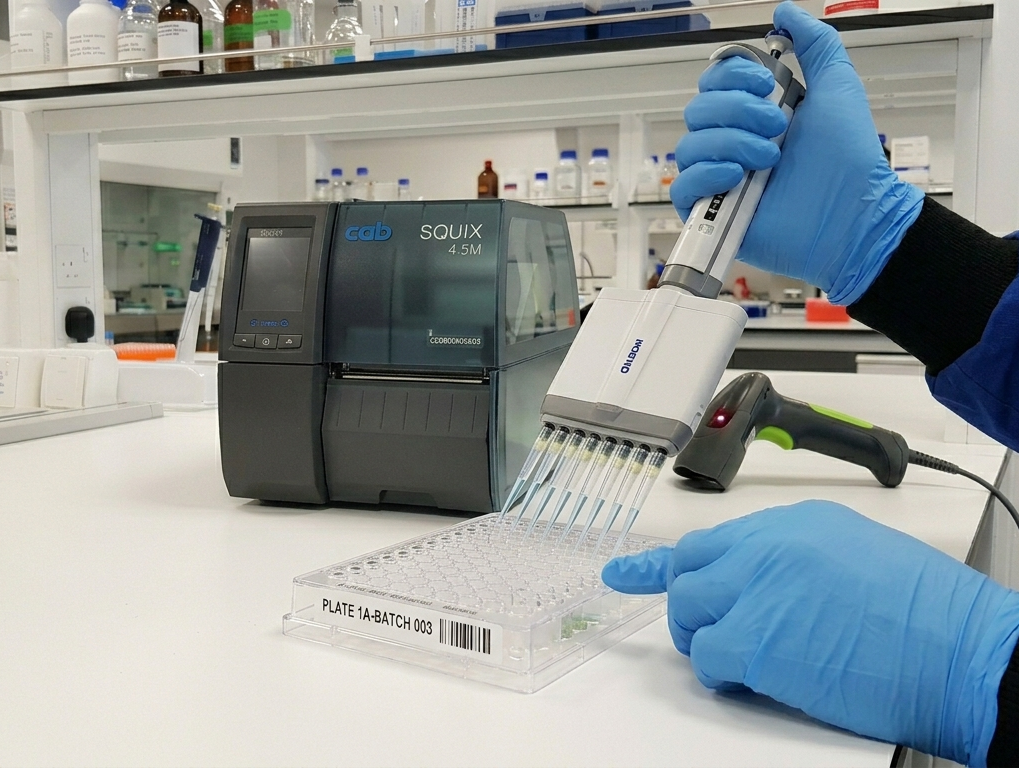
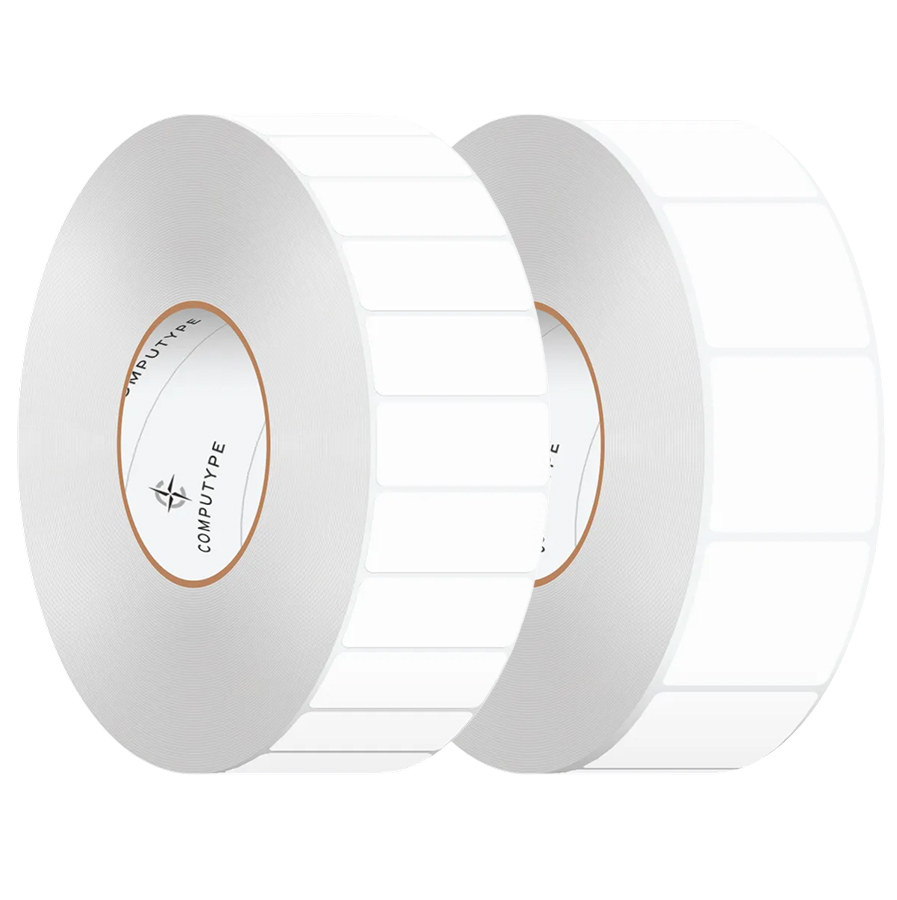
Cryo rack labels support thermal transfer printing for in-house label production using compatible ribbons. This printing method produces durable images that remain readable across cryogenic and freezer storage conditions. Labels are engineered to work with matched ribbon formulations, supporting consistent barcode quality, text clarity, and resistance to smearing. This allows labs to print labels on demand for racks, boxes, and other storage applications while maintaining consistent performance across different storage environments.

label performance testing

Cryo rack labels are validated through testing that reflects real storage and handling conditions. Label constructions are evaluated for adhesion, durability, and print performance across metal racks, plastic storage boxes, and cryogenic environments. Testing includes exposure to low temperatures, handling, and environmental factors like condensation. This ensures labels maintain contact, remain readable, and perform consistently over time, supporting reliable identification across storage systems used in laboratory environments.

metal-cryo-rack-labeled

Custom Cryo and Freezer Labels.

Custom cryogenic labels are built to match your rack and box configurations, storage conditions, and labeling requirements.

  • Custom die-cut sizes, shapes, and formats

  • Adhesives, coatings, and laminates for labs

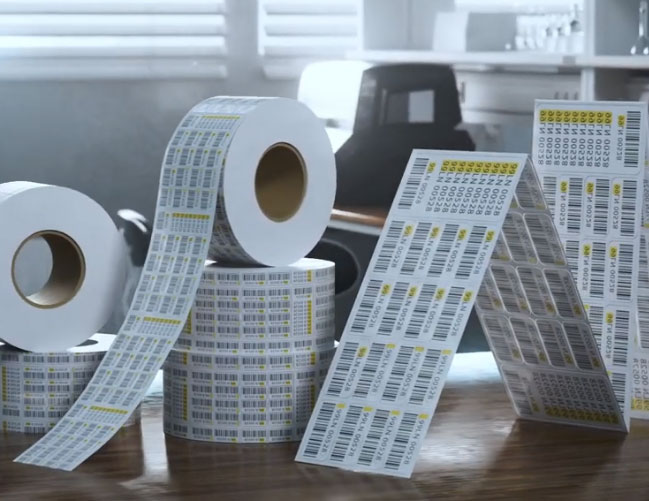
  • Pre-printed, partial, or on-demand

Get labels that fit your storage setup, stay in place, and keep barcodes clear across cryogenic and freezer environments.

Additional cryogenic labels for laboratory storage.

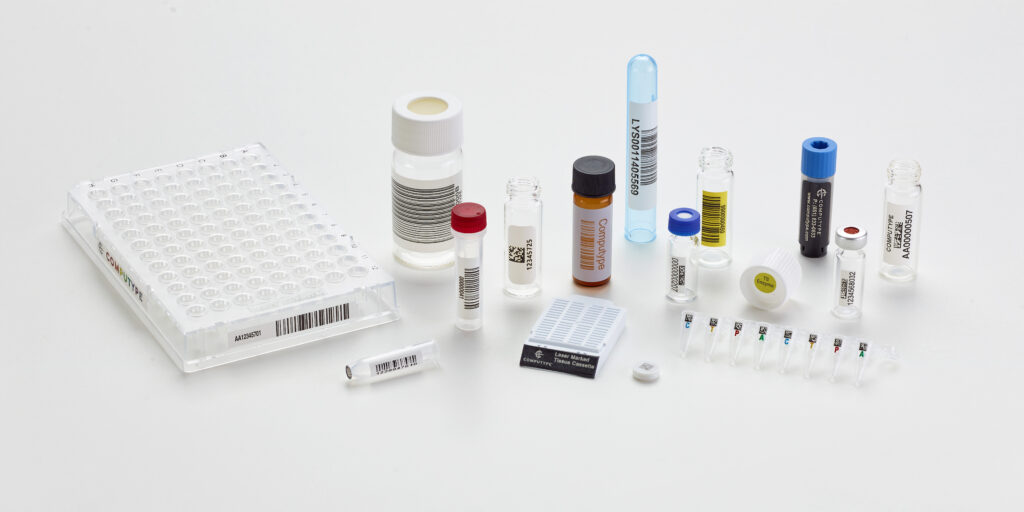
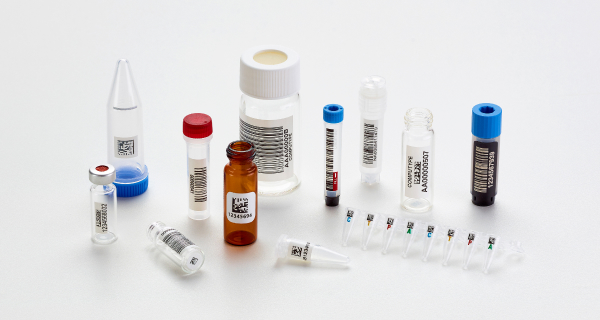
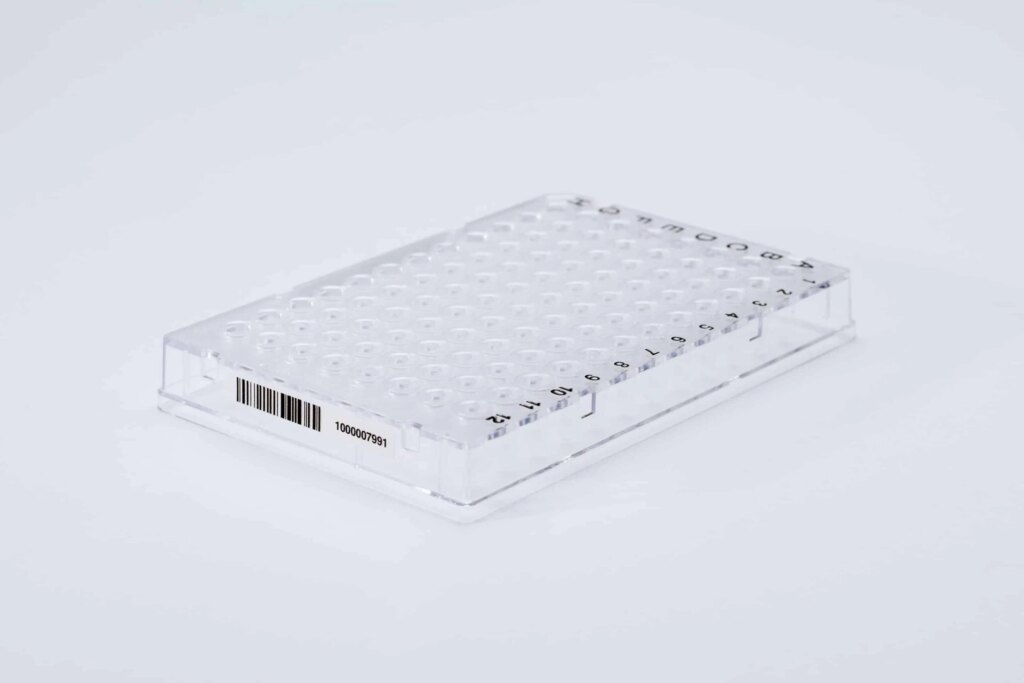
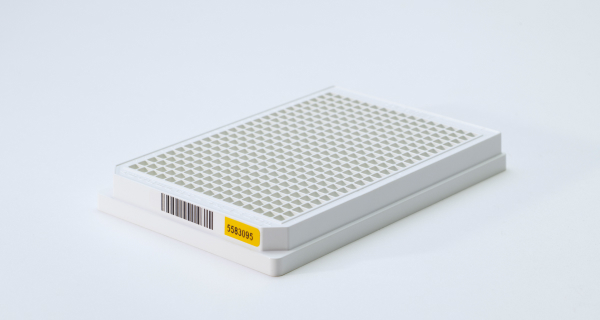
Cryogenic storage labels support one part of a complete labeling system used across laboratory storage. Additional cryogenic labels cover tubes, vials, plates, and storage boxes handled within the same environments. Using compatible materials across applications helps maintain consistent identification, label performance, and print quality from individual samples to fully organized rack and box systems.

Let’s get labeling.

Have questions? We’re here to help.

Contact us to connect with a specialist who understands your industry and can provide the right solutions for your business. Let’s start a conversation.