

Microplate labels support accurate identification across high-throughput workflows, from 96-well and 384-well plates to skirted and deep well formats. Labels must fit tight geometries, remain adhered through temperature changes and handling, and stay scannable across automated systems. Match label materials and construction to your workflow for consistent performance.
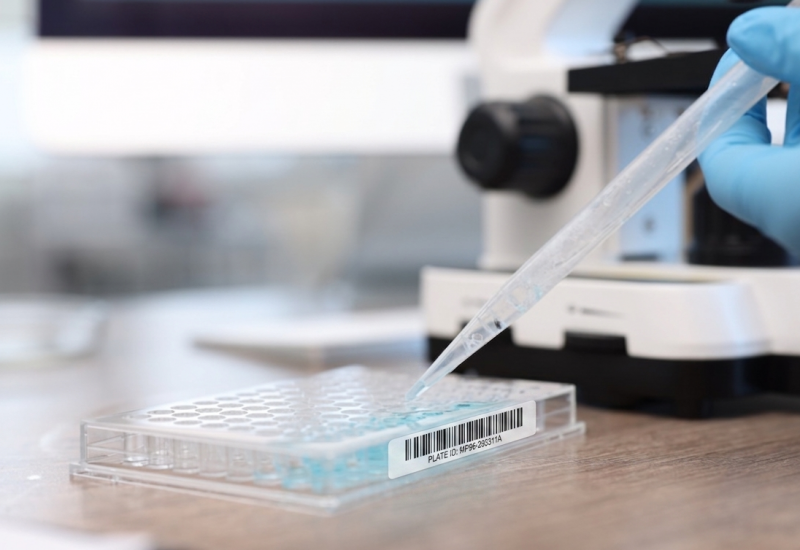
Print labels as needed using blank label kits and thermal transfer ribbons with flexible, real-time data.
Get durable labels with professionally printed barcodes and guaranteed unique sequences and custom designs.
Browse popular microplate labels used across common plate formats and lab workflows. Options include labels for 96-well and 384-well plates, skirted plates, and deep well formats. Materials and constructions vary to support different environments, handling conditions, and identification needs across high-throughput and storage applications.
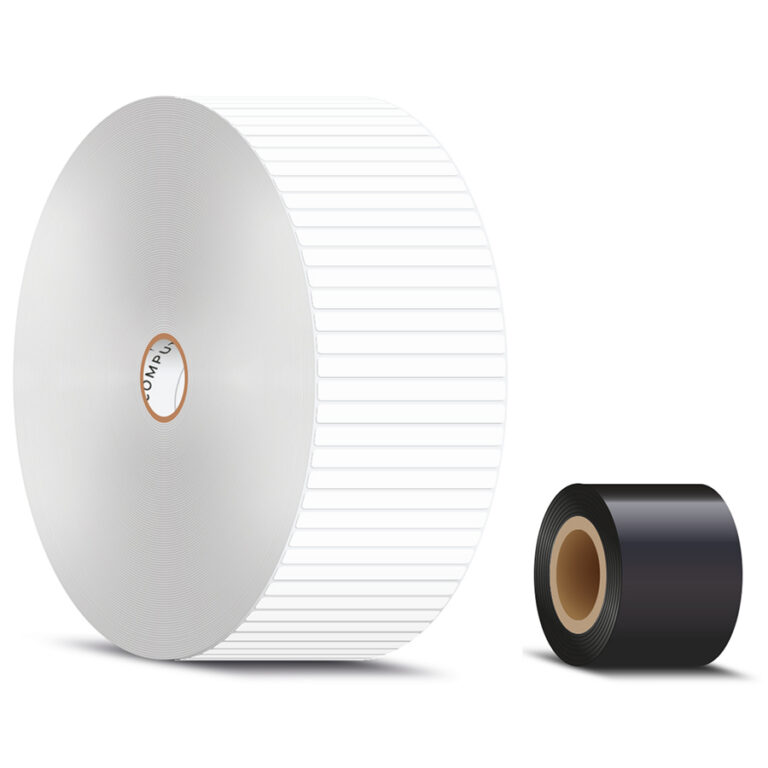
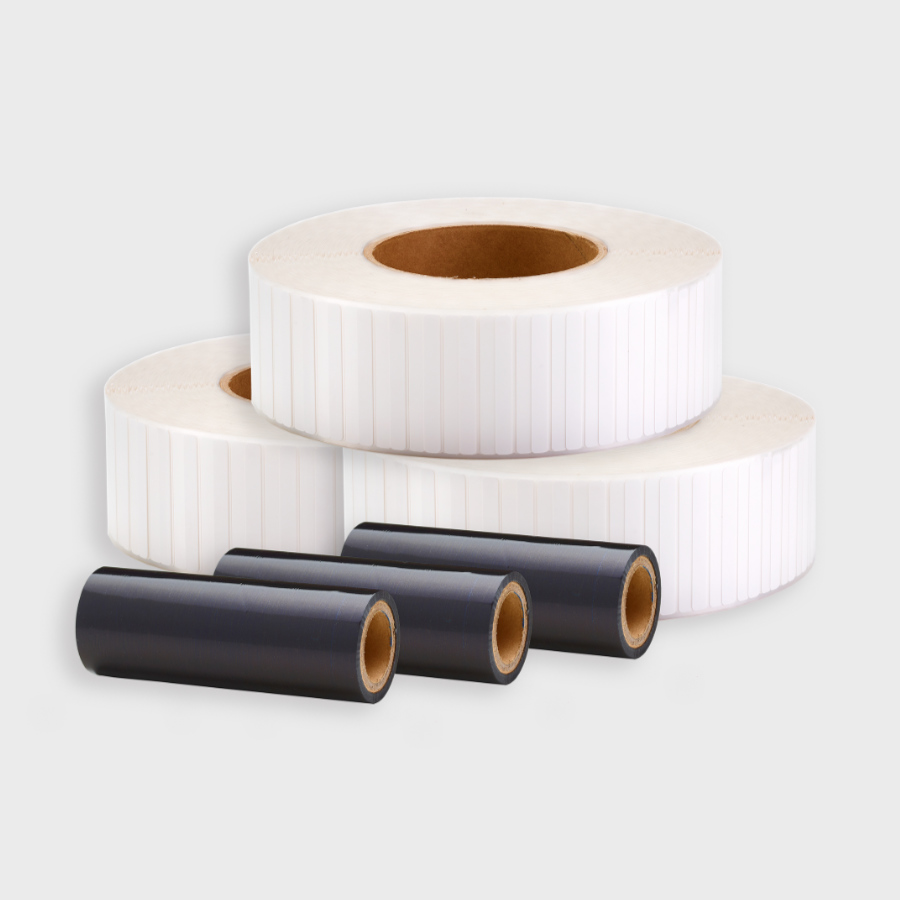
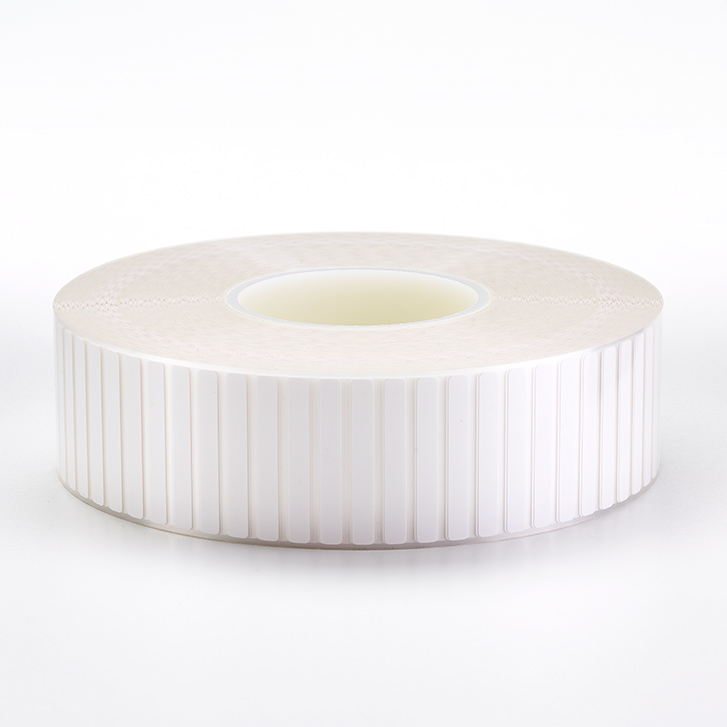
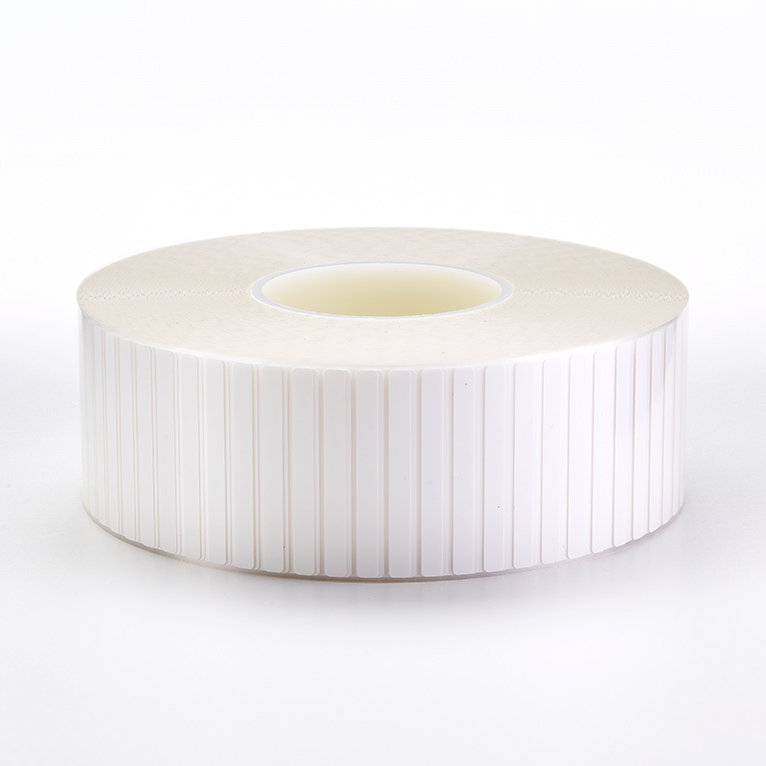
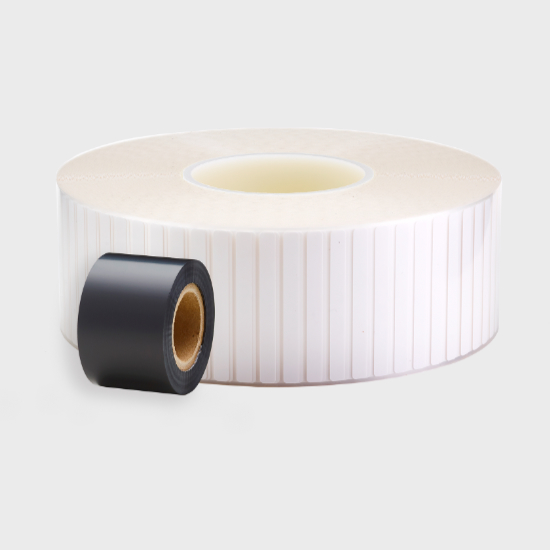
Durable, precision die-cut microplate labels for thermal transfer barcode printing. Ribbon included.
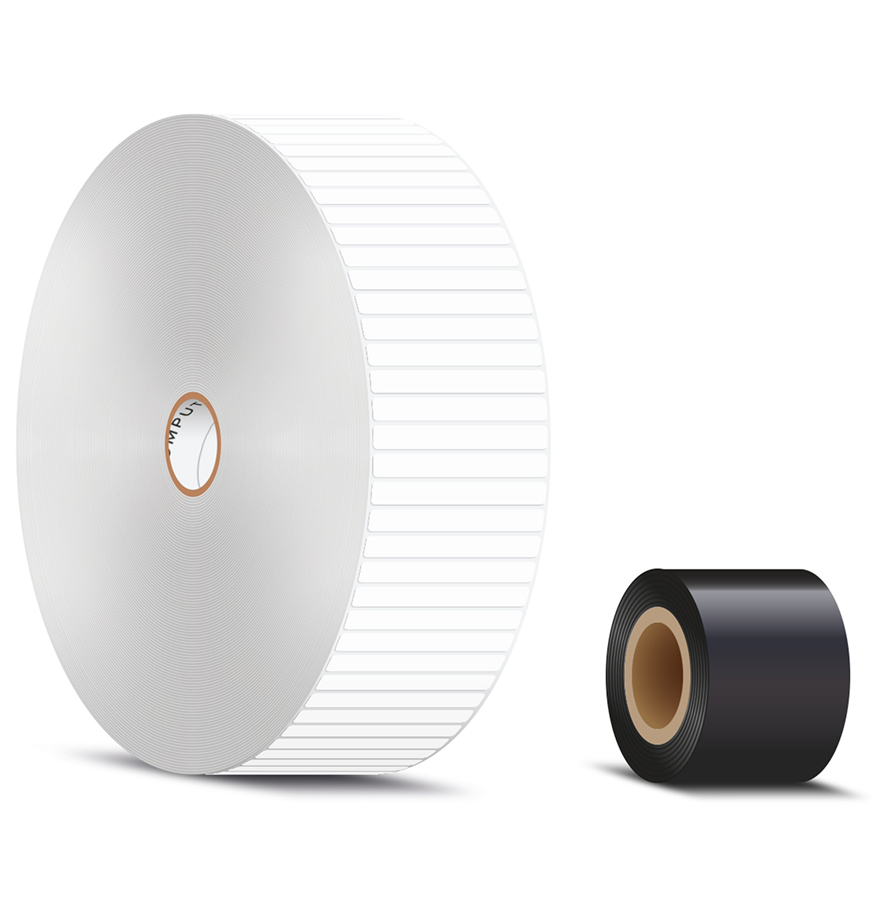
Durable, precision die-cut microplate labels for thermal transfer barcode printing. Ribbon included.
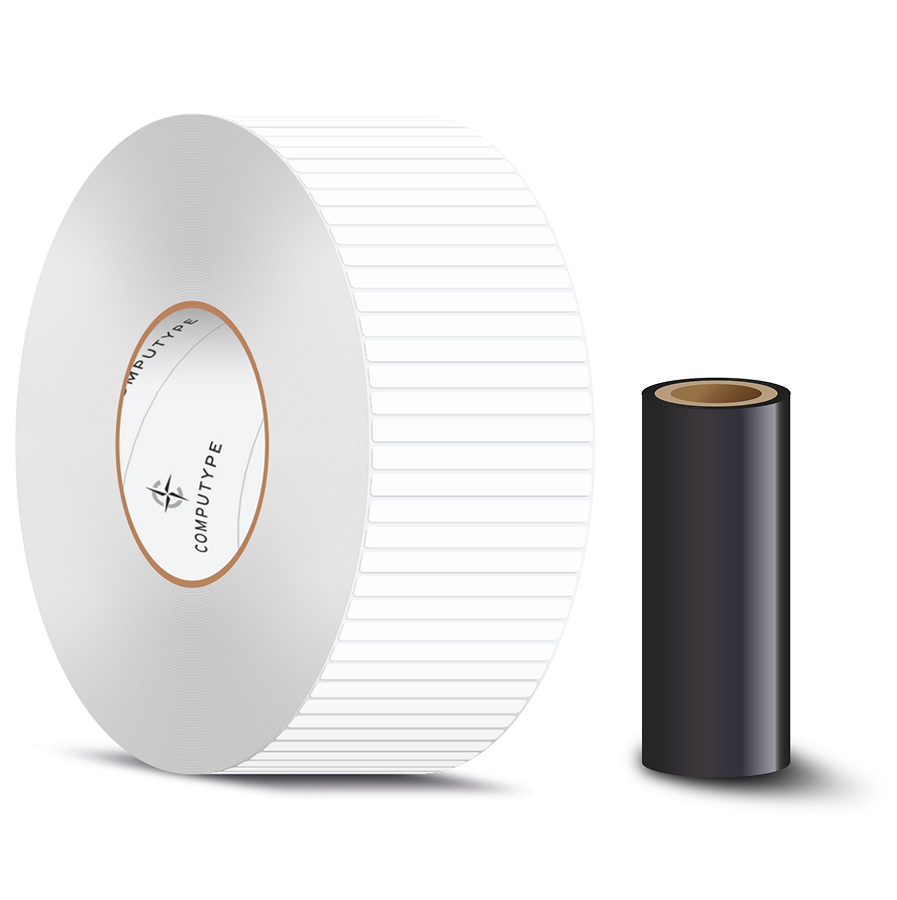
Durable, precision die-cut microplate labels for thermal transfer barcode printing. Ribbon included.
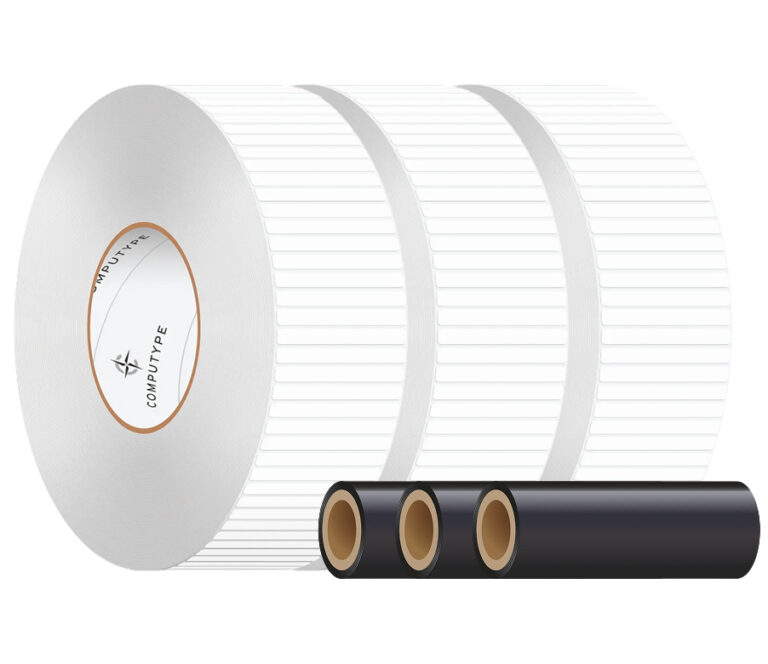
Durable, precision die-cut microplate labels for thermal transfer barcode printing. Ribbon included.
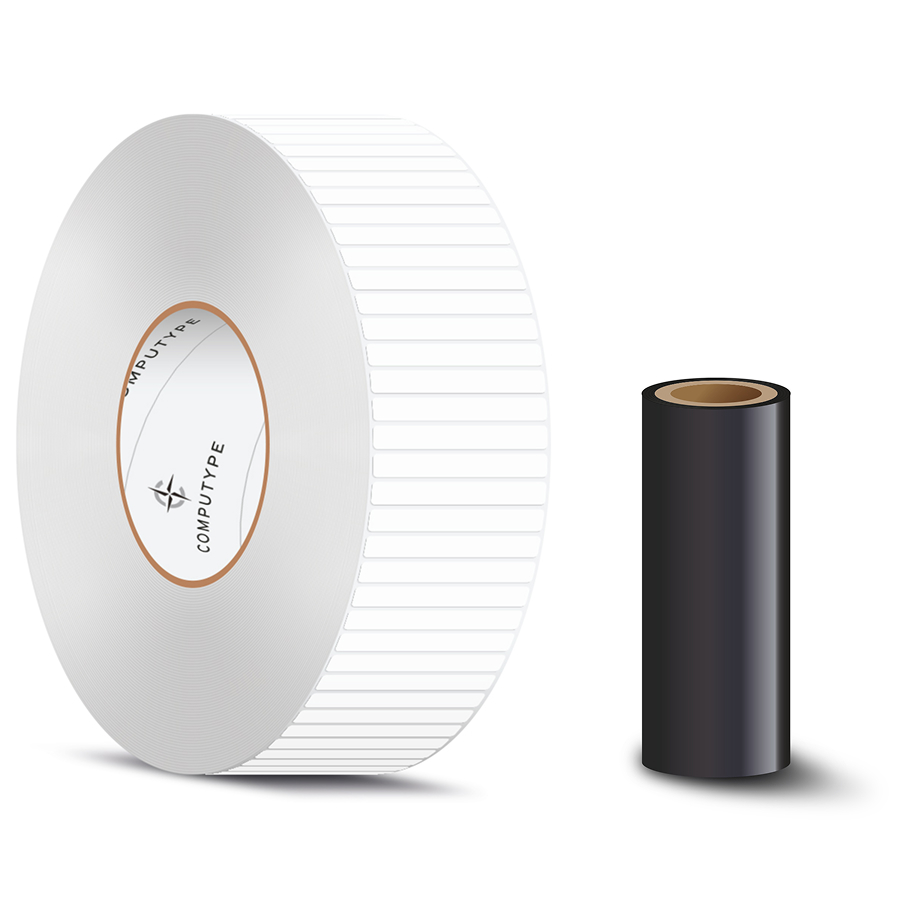
Durable, precision die-cut microplate labels for thermal transfer barcode printing. Ribbon included.
Durable, precision die-cut microplate labels for thermal transfer barcode printing. Ribbon included.
Durable, precision die-cut microplate labels for thermal transfer barcode printing. Ribbon included.
Durable, precision die-cut microplate labels for thermal transfer barcode printing. Ribbon included.
Durable, precision die-cut microplate labels for thermal transfer barcode printing. Ribbon included.
Durable, precision die-cut microplate labels for thermal transfer barcode printing. Ribbon included.
Microplate labels must withstand the environments plates encounter during storage, processing, and handling. Exposure to ultra-low temperatures, lab chemicals, and sterilization processes can challenge adhesion, print, and durability. Select label materials and constructions based on these conditions to ensure consistent performance across your workflow, from application through storage and repeated handling.
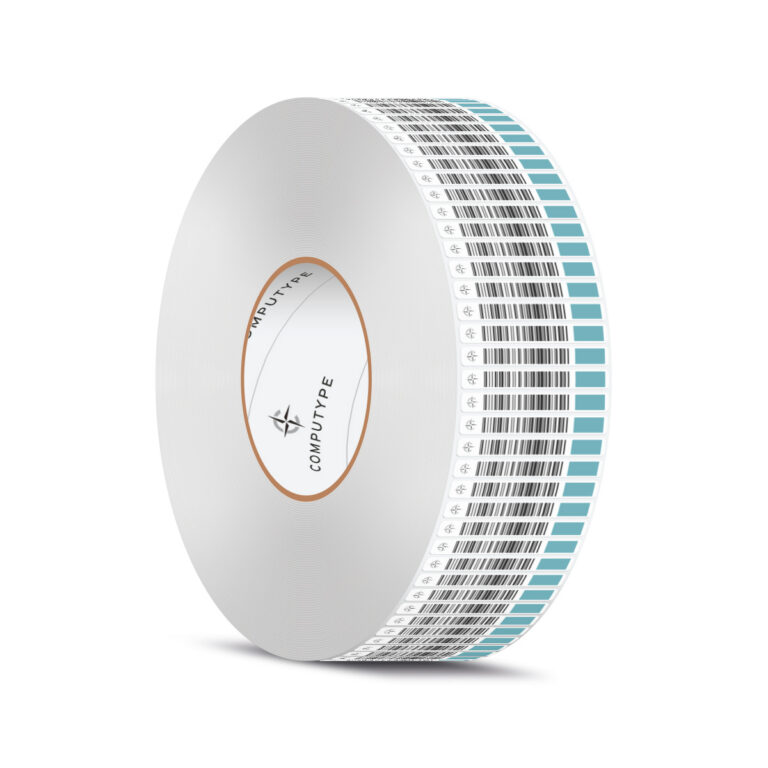
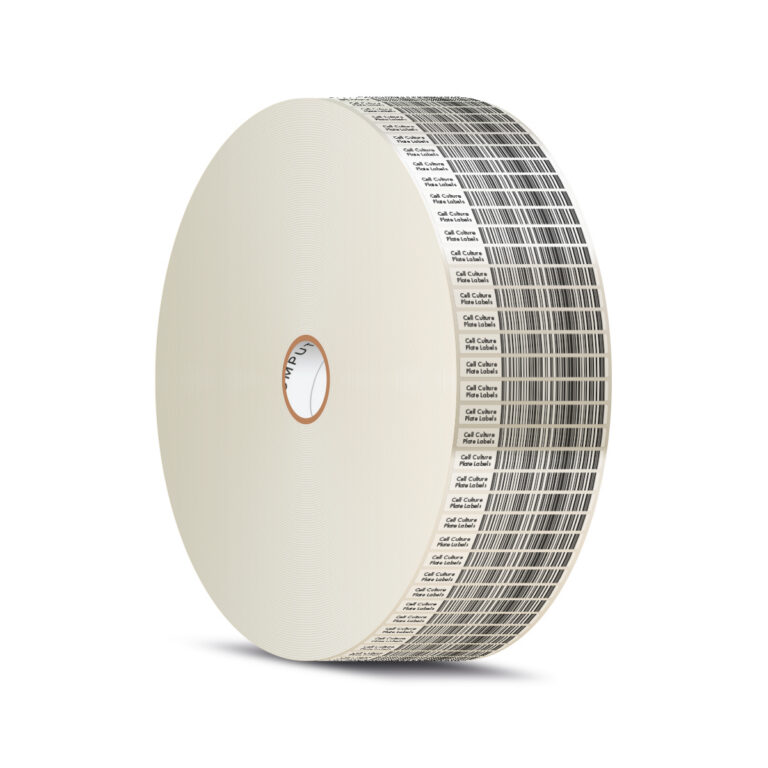
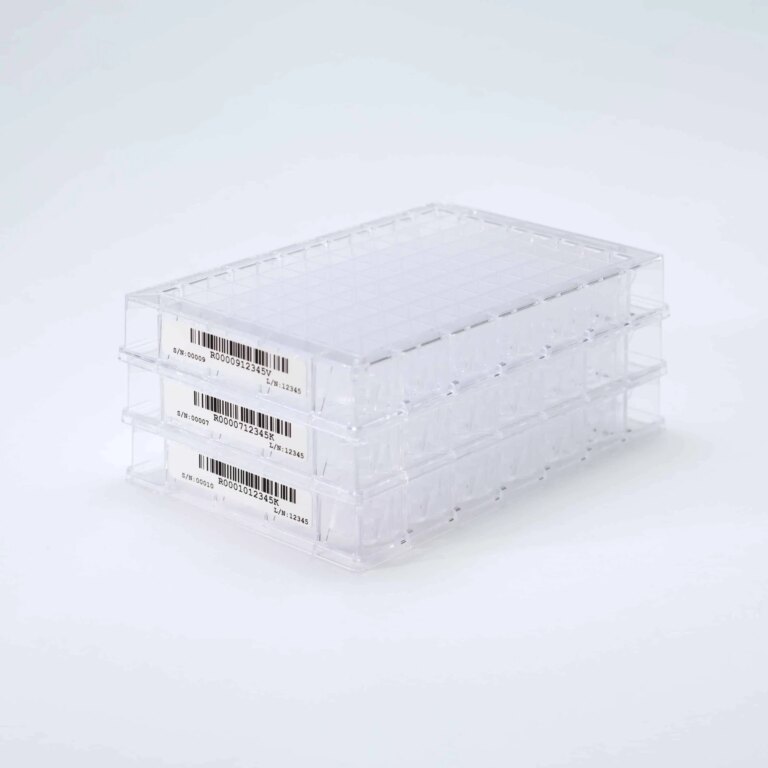
Cryogenic microplate labels withstand freezing and ultra-low storage conditions through freezer storage and retrieval.
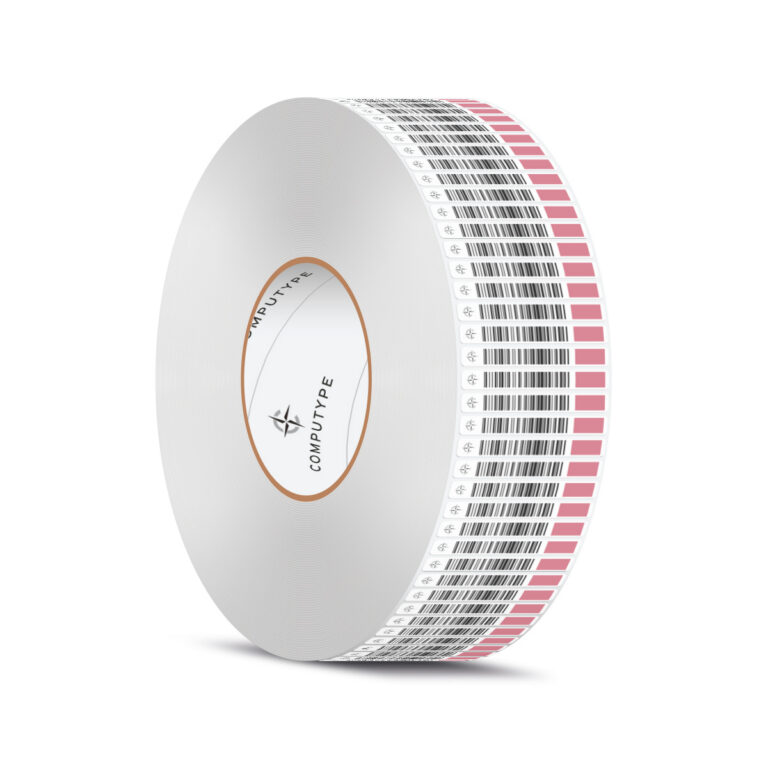
Chemical resistant microplate labels resist solvents and lab chemicals while preserving print and structure during handling.
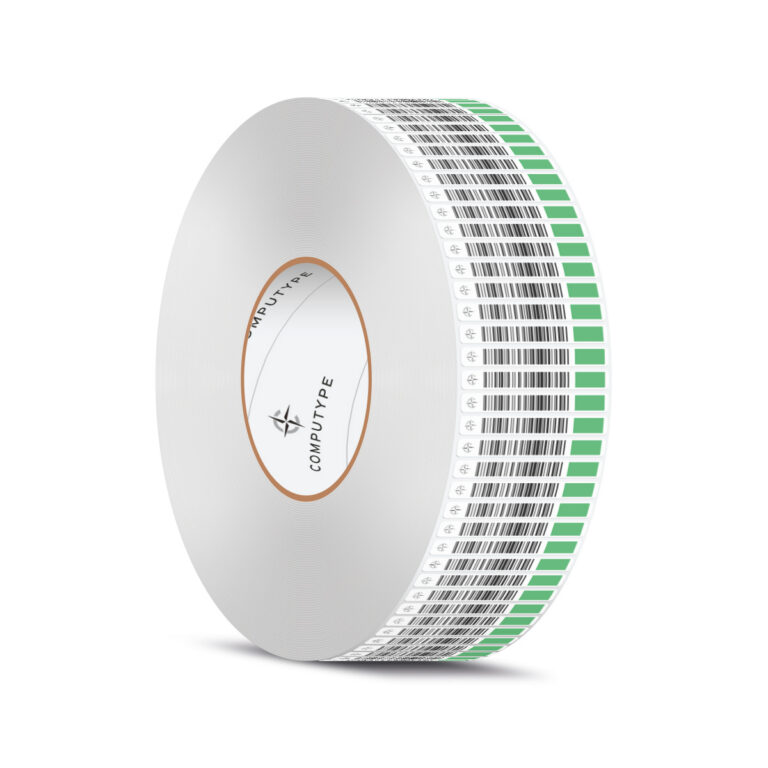
Sterilization resistant microplate labels withstand steam, radiation, and chemical sterilants without degrading adhesion.

Microplate label performance starts with construction. Face stock, adhesive, coating, and liner all affect how labels perform across temperature changes, chemical exposure, and handling. Polyester and polypropylene face stocks support durability and print quality, while acrylic adhesives maintain bond strength across a range of lab conditions. Topcoats and laminates protect printed information from abrasion and chemical contact. Construction also affects flexibility, thickness, and how labels conform to tight plate geometries. Matching the full label construction to the environment ensures labels remain adhered, readable, and intact throughout storage, processing, and repeated handling.
Microplate labels require tight dimensional control to fit limited labeling areas on skirted, deep well, and multiwell plates. Precision die-cutting controls label size, shape, and edge quality to ensure consistent placement and performance. Clean edges prevent lifting and reduce the risk of edge wear during handling and plate stacking. Tight tolerances support automated application and consistent alignment across high-throughput workflows. Die-cutting also affects how labels release from the liner, which impacts both manual and automated application. Accurate, repeatable converting ensures labels fit correctly and perform consistently across different plate formats.
Label performance depends on how materials respond to real lab conditions. Testing evaluates adhesion, print durability, and overall construction performance across temperature changes, chemical exposure, and handling. Loop tack, dwell time, and environmental exposure testing help confirm that labels bond correctly and maintain performance over time. Testing also validates performance on specific plate materials and surface conditions. Matching test conditions to actual workflows ensures label constructions perform as expected during storage, processing, and repeated use. Strong testing reduces risk and supports consistent identification across applications.
Microplate workflows often rely on automated handling, labeling, and scanning systems. Labels must feed consistently, release cleanly from the liner, and apply accurately within tight placement areas. Material stiffness, liner properties, and adhesive behavior all affect performance in automated systems. Labels must also remain flat and stable after application to support stacking, transport, and scanning. Consistent placement ensures barcodes align with scanner positions and remain readable across workflows. Designing labels for automation improves throughput, reduces errors, and supports reliable identification in high-throughput environments.
Barcode design must account for limited label space, plate geometry, and scanning requirements. Data density, symbology selection, and print quality all affect readability. 2D codes such as Data Matrix often support higher data density within small label areas, while 1D barcodes may require more space. Quiet zones, contrast, and orientation must align with scanner capabilities and workflow constraints. Barcode placement must avoid interference with plate handling and stacking. Strong design ensures consistent scanning, prevents misreads, and supports reliable identification across automated and high-throughput lab workflows.
Microplate labeling in diagnostic, pharmaceutical, or regulated research environments may require compliance with environmental and chemical standards. Common regulations include REACH (Registration, Evaluation, Authorization and Restriction of Chemicals) and RoHS (Restriction of Hazardous Substances), both ensuring material safety and traceability. Labels used on plates for regulated workflows must also support lot traceability, audit compliance, and resistance to contamination or material migration.
Microplate labels must match the plate formats and workflows used across lab environments. Plate type, geometry, and handling requirements all affect label size, placement, and performance. From PCR and cell culture to high-throughput screening and storage, selecting labels based on how plates are used supports consistent identification and reliable performance across application, handling, and automated workflows.
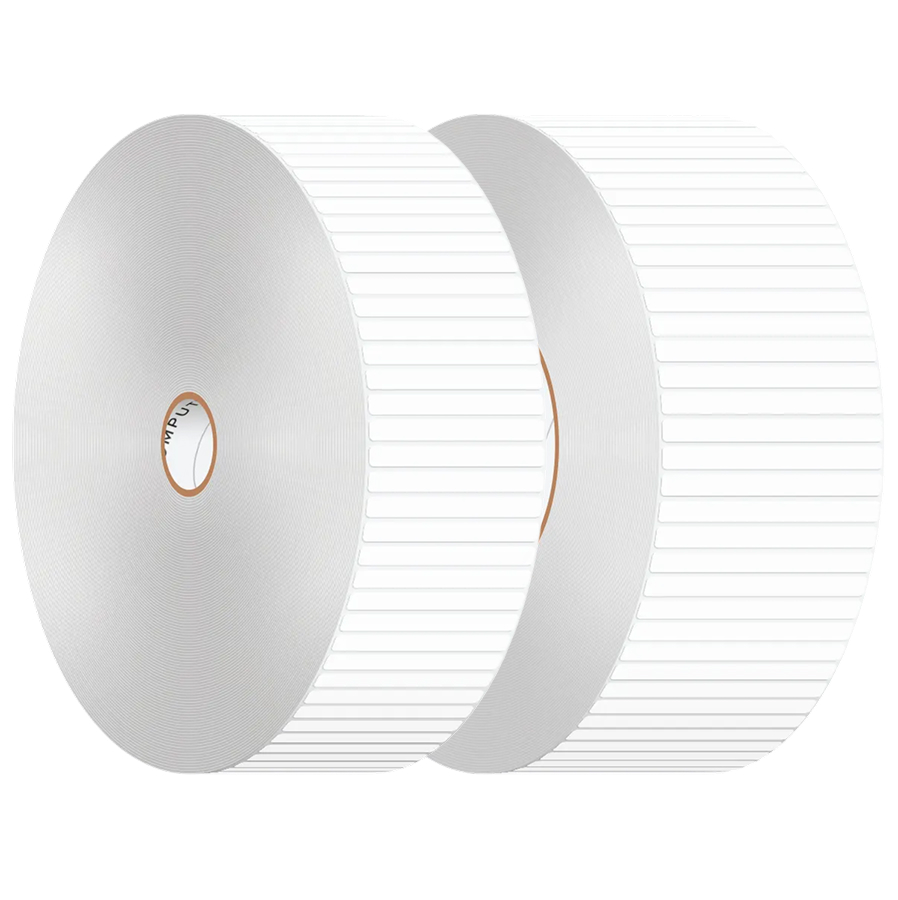
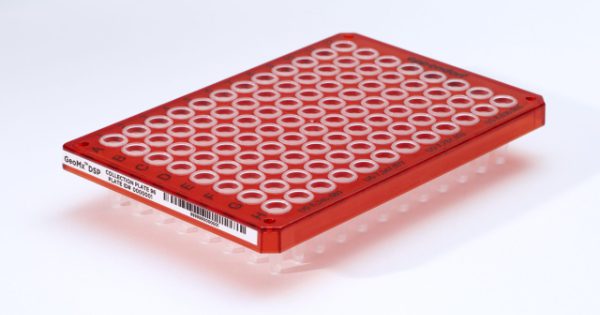
PCR and qPCR plate labels engineered for tight placement and consistent performance through repeated thermal cycling.
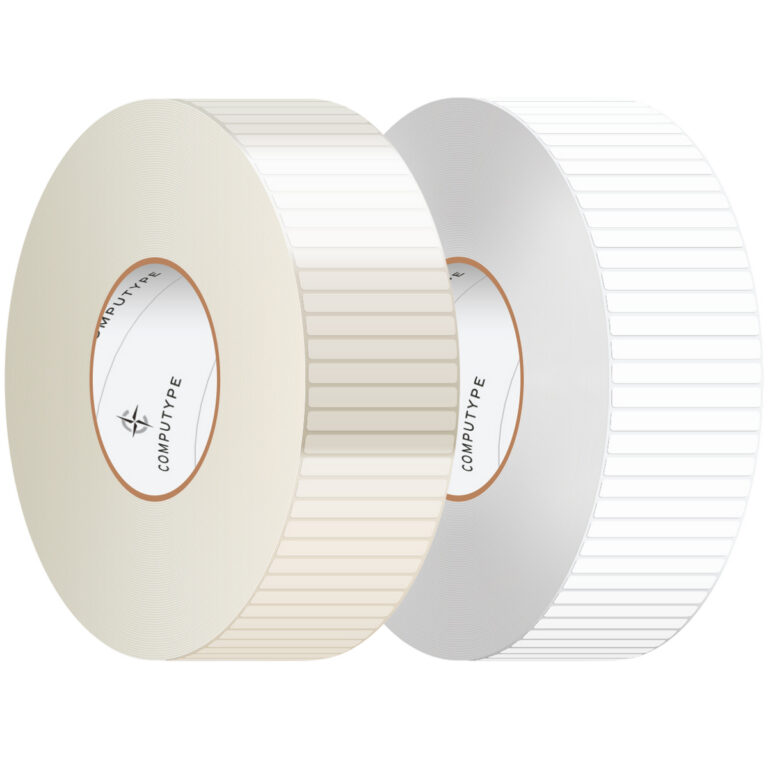
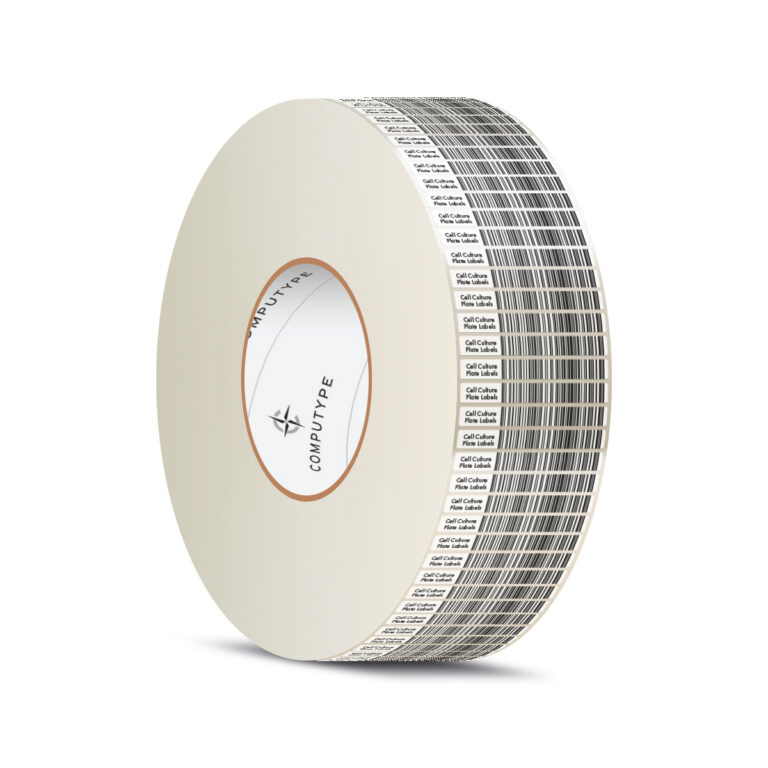
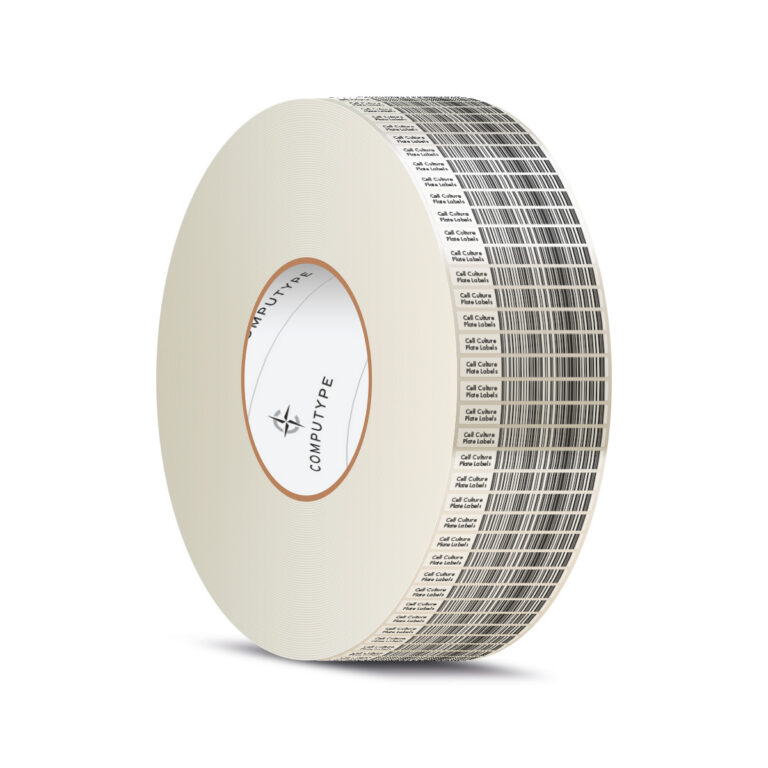
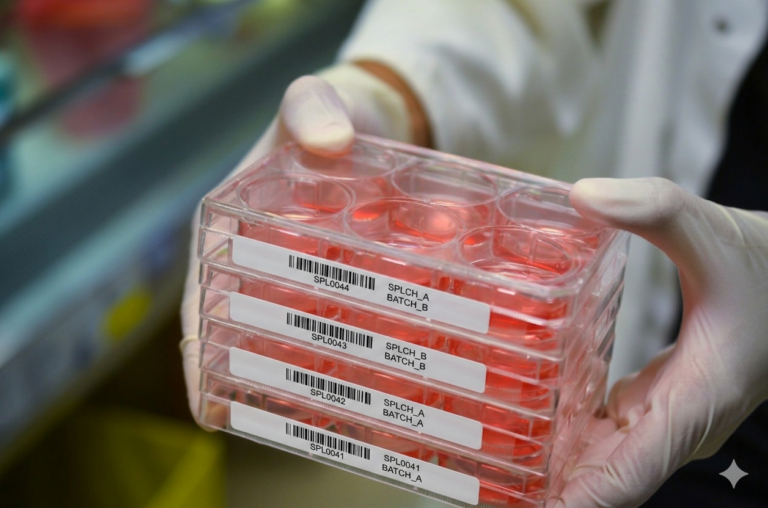
Cell culture plate labels with clear and opaque options for identification through incubation, handling, and storage.
Reliable labeling for the most common plate formats ensures consistent identification, smooth automation, and seamless traceability.
Secure labeling for larger volumes supports storage, batching, and transport without lifting, edge flagging, or identification loss.
Maintain visibility for microscopy and sensors while delivering dependable identification that won’t interfere with critical analysis.
Precise label placement supports structural variations, enabling smooth handling in automated systems and consistent performance.
Didn’t find the right label? We engineer custom microplate labels to match your exact workflow and requirements.
Custom die-cut sizes, shapes, and formats
Adhesives, coatings, and laminates for labs
Pre-printed, partial, or on-demand
Keep microplates clearly identified and scannable through handling, storage, and high-throughput workflows.
Microplate label printers and applicators support consistent, accurate labeling across laboratory environments. Print and apply labels directly to plates with systems designed for small formats, high-resolution barcodes, and reliable performance. This section highlights equipment options that improve labeling efficiency, reduce manual handling, and support scalable workflows from benchtop printing to automated microplate labeling.
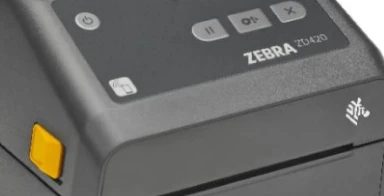
Compact thermal transfer printers for microplate labels, supporting reliable print quality and easy integration into lab and benchtop workflows.
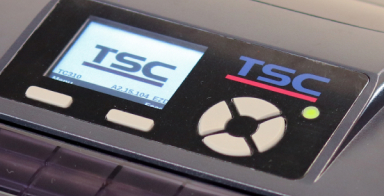
Desktop thermal transfer printers designed for consistent print performance, supporting microplate labeling across a range of lab applications and volumes.

Industrial desktop printer with advanced controls and consistent output, supporting microplate labels where precision and durability matter.

High-performance industrial printer designed for demanding labeling environments, supporting microplate workflows that require consistent output.
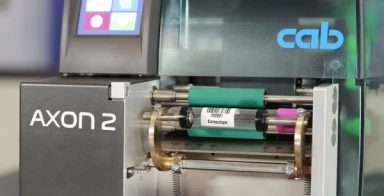
cab SQUIX paired with an SQ3200 applicator for flat application, using a custom plate nest to ensure precise, repeatable label placement on microplates.

Automated microplate labeler designed for high-throughput environments, applying labels with consistent placement across standardized plate formats.
Explore blank label kits sized for microplates and bundled with matching ribbons. Designed for seamless print-on-demand use with supported printers and automated labelers.

Have questions? We’re here to help.
Contact us to connect with a specialist who understands your industry and can provide the right solutions for your business. Let’s start a conversation.
Print microplate labels as needed using live data from laboratory systems. Generate labels during plate setup, sample loading, or assay preparation, with well IDs, plate IDs, and variable data applied at the point of use. This approach supports workflows where plate data changes frequently or requires immediate, accurate identification.
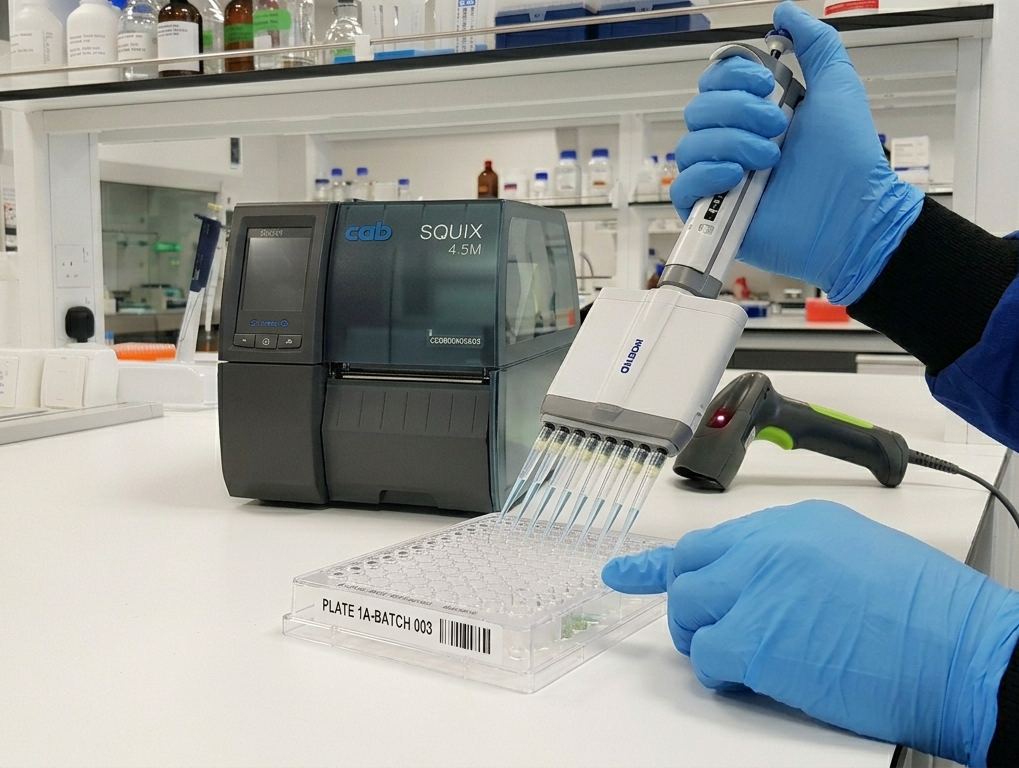
Blank plate labels designed for small formats, flat surfaces, and secure adhesion on plates.
Print high-resolution barcodes and text for plate IDs and sample tracking.
Thermal transfer ribbons produce durable images resistant to chemicals, moisture, and handling.
Apply labels consistently to plates during setup or automated workflows.
Print-on-demand labeling fits laboratories that generate or update plate data in real time. This includes screening labs, genomics workflows, and assay development environments where plates are created, modified, and labeled during processing, and where accurate, immediate identification is required.
Get microplate labels professionally printed with controlled data, advanced converting, and durable materials. Ensure consistent plate identification across batches while eliminating in-house printing and reducing variability in labeling for assays, screening, and high-throughput workflows.
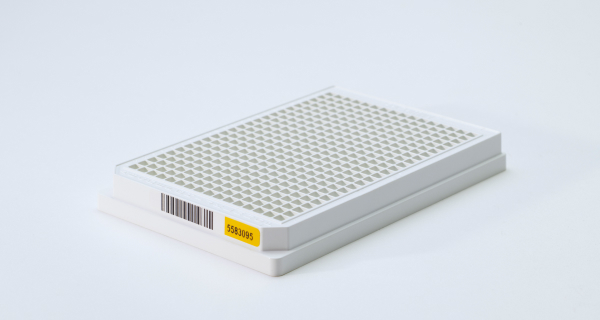
Pre-printed plate labels combine controlled printing, advanced converting, and durable materials to deliver consistent, ready-to-use identification. This approach ensures every plate label meets requirements for data accuracy, layout consistency, and performance across handling and processing.
Receive pre-printed plate labels with guaranteed unique IDs, controlled sequencing, and validated data across batches and runs.
Use color coding to differentiate assays, plate types, or workflows and improve visual organization across plate libraries.
Use engineered label constructions that resist chemicals, handling, and environmental exposure during plate processing and storage.
Pre-printed labeling fits laboratories that run standardized plate workflows with fixed data structures. This includes screening labs running standardized assays, diagnostic labs processing consistent plate formats, and research environments where plate layouts and identifiers remain consistent across runs.
Receive microplates with identifiers already applied, eliminating labeling steps during plate setup and processing. Ensure consistent, durable identification across assays, screening, and storage while reducing manual handling and improving workflow efficiency.
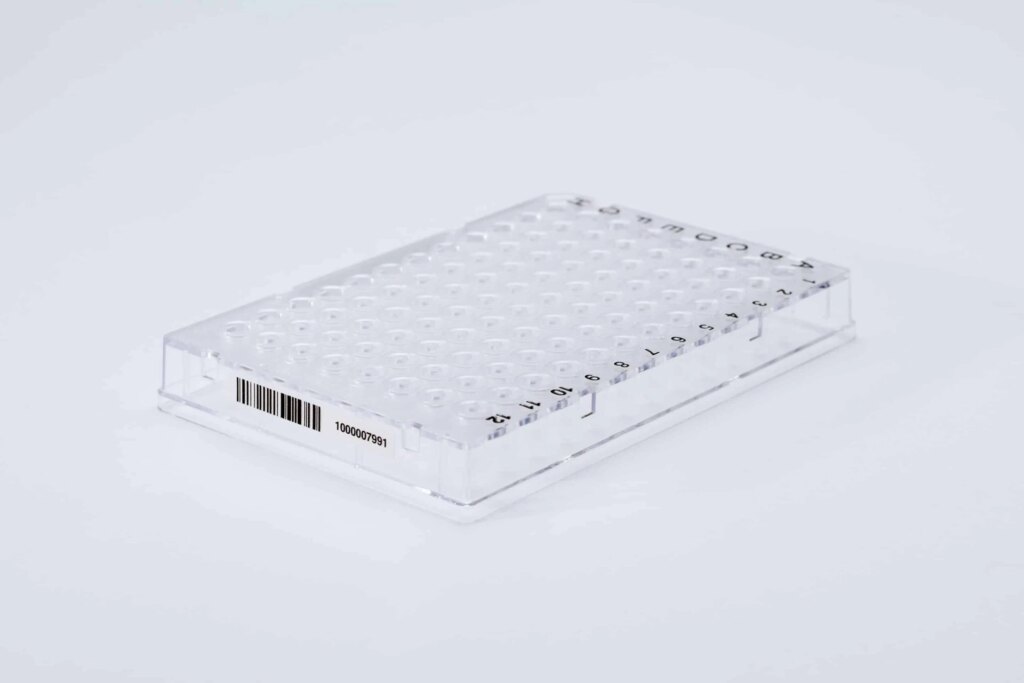
Pre-barcoded microplates arrive ready to use with verified identifiers applied before delivery. This approach removes labeling from your workflow and ensures consistent identification across plate handling, processing, and storage environments.
Eliminate labeling steps during plate setup, loading, and processing workflows.
Use pre-verified plate IDs to maintain accuracy across batches and screening runs.
Receive plates sorted, kitted, or prepared to match assay workflows and laboratory processes.
Pre-barcoded microplates fit high-throughput environments where plates move rapidly through automated workflows and labeling can create delays or variability. This includes automated screening facilities, compound and plate libraries, and CROs running large-scale studies, as well as core labs managing shared plate resources where speed, consistency, and reduced handling drive efficiency and improve data integrity.
Print blood bag labels as needed using live data from blood bank systems. Generate labels during collection, component processing, or labeling steps, with donation identification numbers, product codes, and variable data applied at the point of use. This approach supports workflows where blood data updates in real time and requires immediate, accurate identification.
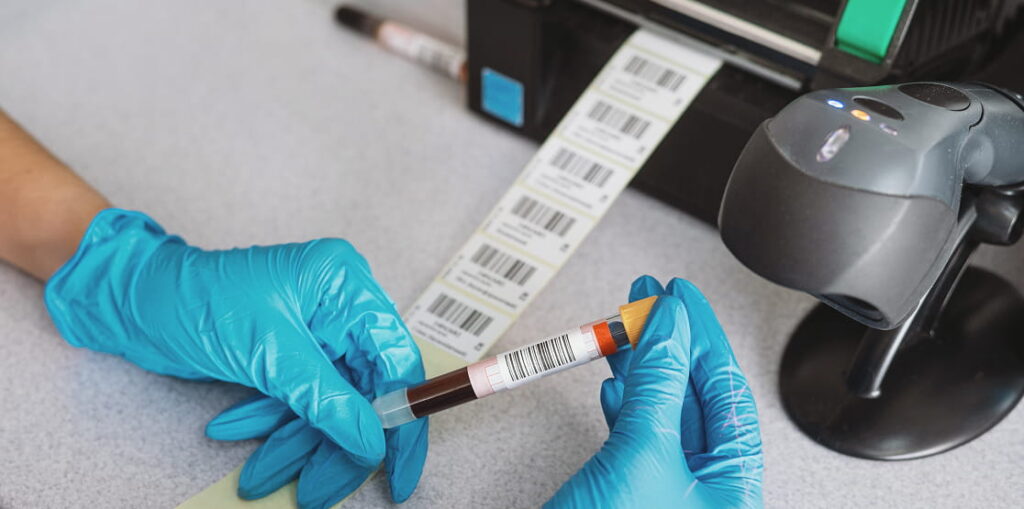
Set up a complete labeling workflow using the right materials and equipment to print and apply labels directly during blood collection, component processing, and blood bank handling workflows.
Start with blank label stock engineered for flexible PVC blood bags.
Print high-resolution barcodes and text for complex blood label layouts.
Use included thermal transfer ribbons to produce durable barcode labels.
Integrate barcode software to generate ISBT 128 labels and DIN data.
Print-on-demand labeling fits blood banks and collection centers that generate or update donation data in real time. This includes blood collection sites, processing labs, and transfusion services where blood bags are labeled on demand, and workflows require immediate, accurate identification without relying on pre-printed labels.
Get blood bag labels professionally printed with controlled data, advanced converting, and durable materials. Eliminate in-house printing while ensuring every label meets performance requirements for blood bank use, including handling, cold storage, and transfusion.
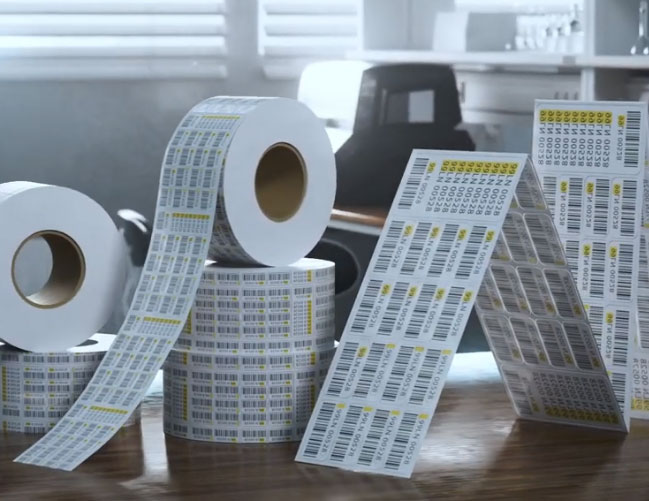
Pre-printed labeling combines controlled printing, advanced converting, and durable materials to deliver consistent, ready-to-use blood bag labels. This approach removes variability from in-house printing and ensures every label meets requirements for DIN accuracy, barcode performance, and reliable identification across blood bank workflows.
Receive pre-printed labels with guaranteed unique DIN sequences, controlled serialization, and validated data across batches and production runs.
Maintain consistent DIN formats to ensure accurate identification across blood bags, segments, and associated components.
Use engineered label constructions designed to resist edge lift, moisture, and routine handling, helping maintain adhesion and readability throughout blood collection.
Pre-printed labeling fits blood banks and collection centers that manage high volumes of donations and require controlled, repeatable identification. This includes blood collection sites, processing facilities, and transfusion services where standardized labeling, consistent DIN assignment, and stable data support efficient, validated workflows without frequent changes.
In laboratory environments, data often isn’t final until the last moment—at the bench, at the instrument, or during sample handling. Printing labels on demand helps ensure each tube or vial reflects the most accurate information, while fitting naturally into the way your work actually happens.
In laboratory environments, data often isn’t final until the last moment—at the bench, at the instrument, or during sample handling. Printing labels on demand helps ensure each tube or vial reflects the most accurate information, while fitting naturally into the way your work actually happens.
In laboratory environments, data often isn’t final until the last moment—at the bench, at the instrument, or during sample handling. Printing labels on demand helps ensure each tube or vial reflects the most accurate information, while fitting naturally into the way your work actually happens.
Compatible resin ribbons ensuring clear, durable print for barcodes and text
Compatible resin ribbons ensuring clear, durable print for barcodes and text
In laboratory environments, data often isn’t final until the last moment—at the bench, at the instrument, or during sample handling. Printing labels on demand helps ensure each tube or vial reflects the most accurate information, while fitting naturally into the way your work actually happens.
In laboratory environments, data often isn’t final until the last moment—at the bench, at the instrument, or during sample handling. Printing labels on demand helps ensure each tube or vial reflects the most accurate information, while fitting naturally into the way your work actually happens.
Compatible resin ribbons ensuring clear, durable print for barcodes and text
Compatible resin ribbons ensuring clear, durable print for barcodes and text
Compatible resin ribbons ensuring clear, durable print for barcodes and text
Compatible resin ribbons ensuring clear, durable print for barcodes and text
In laboratory environments, data often isn’t final until the last moment—at the bench, at the instrument, or during sample handling. Printing labels on demand helps ensure each tube or vial reflects the most accurate information, while fitting naturally into the way your work actually happens.
In laboratory environments, data often isn’t final until the last moment—at the bench, at the instrument, or during sample handling. Printing labels on demand helps ensure each tube or vial reflects the most accurate information, while fitting naturally into the way your work actually happens.
In laboratory environments, data often isn’t final until the last moment—at the bench, at the instrument, or during sample handling. Printing labels on demand helps ensure each tube or vial reflects the most accurate information, while fitting naturally into the way your work actually happens.
Durable labels that stay attached through handling, storage, or cryogenic conditions
Compatible resin ribbons ensuring clear, durable print for barcodes and text
Compact, consistent, durable thermal transfer printing at the point of use
Label management software to format labels and connect to sample data or LIMS
In laboratory environments, data often isn’t final until the last moment—at the bench, at the instrument, or during sample handling. Printing labels on demand helps ensure each tube or vial reflects the most accurate information, while fitting naturally into the way your work actually happens.
Take advantage of our volume discounts for bulk orders. Reach out to us for a personalized quote tailored to your needs.
"*" indicates required fields