Microscope slide identification relies on laboratory labels that remain legible and securely adhered. These labels are engineered for precise placement, clean print quality, and reliable performance on glass slides.
Withstands sterilization and routine laboratory exposure
Maintains adhesion and legibility on smooth glass surfaces
Supports clear, scannable barcodes and human-readable text
Maintain specimen integrity through every process stage. From printing to scanning, slide labels must perform without compromise.
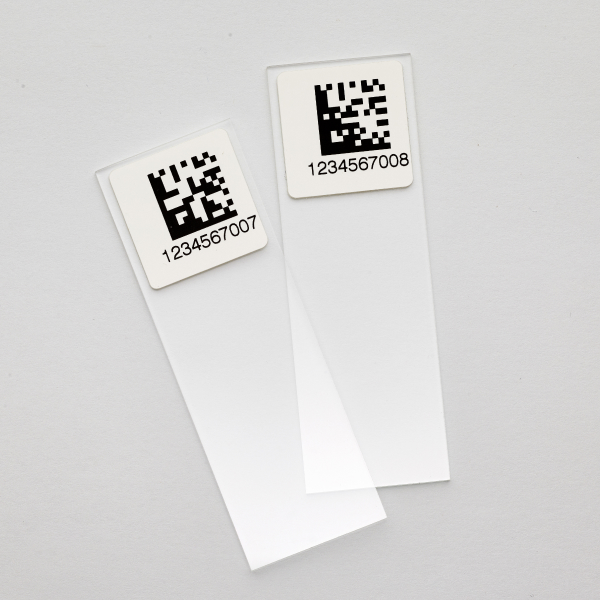
Microscope slide label formats are designed to address different requirements for durability, image protection, and printing strategy. Durable adhesive labels are available as standard formats, self-laminating options, or fully pre-printed labels—each supporting different workflow and handling needs while maintaining clear slide identification.
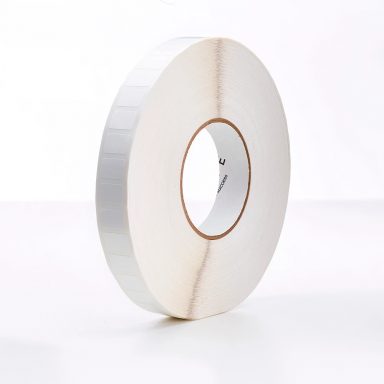
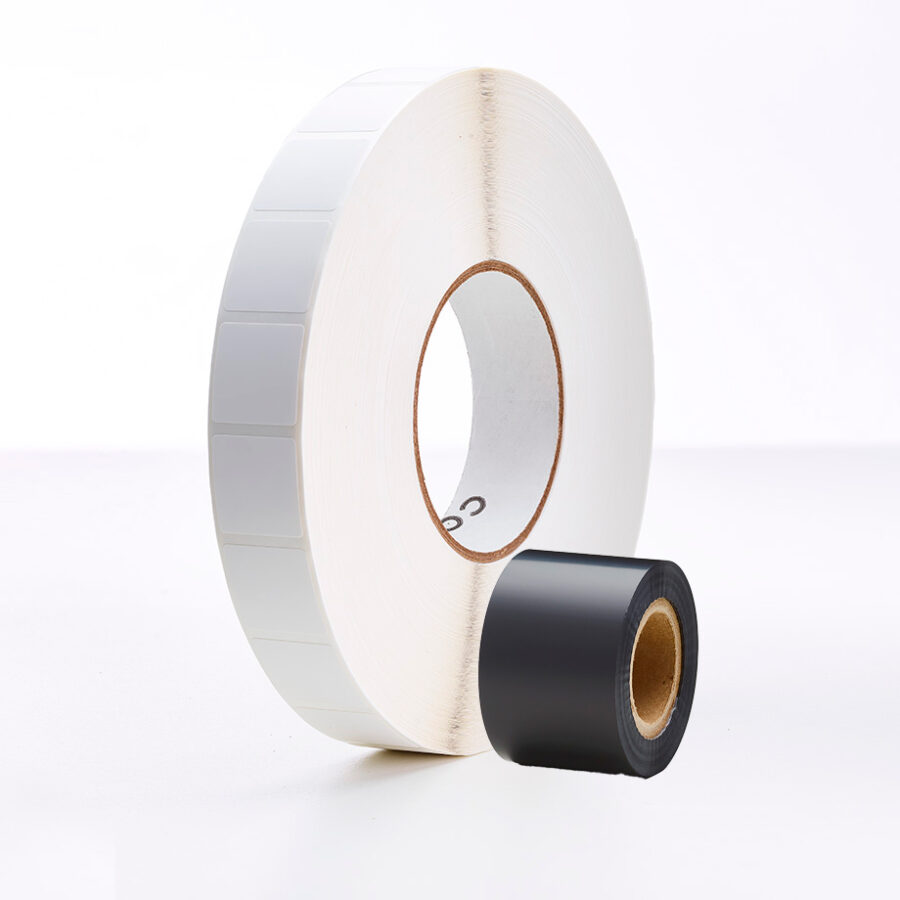
Durable adhesive labels designed for precise placement and consistent identification on glass microscope slides. This format emphasizes clean print quality, stable adhesion, and a low-profile construction when additional image protection is not required for the workflow.
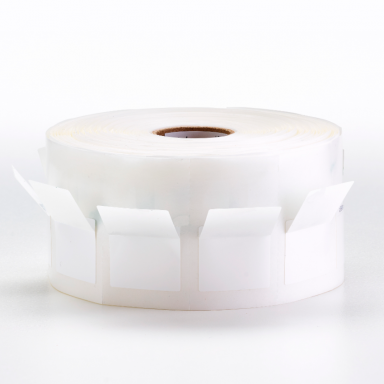
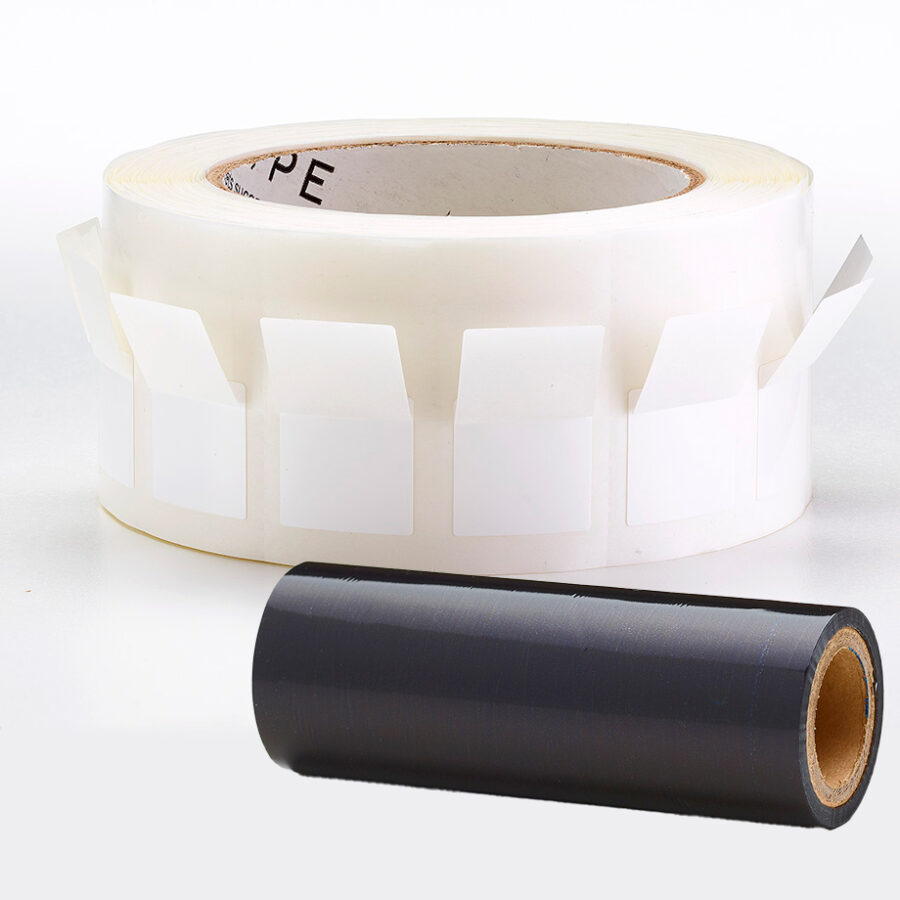
Microscope slide labels with a built-in clear self-laminating flap that folds over the printed image to create a sealed, durable surface. This format maintains print-on-demand flexibility while protecting barcodes and text from handling and storage-related wear.
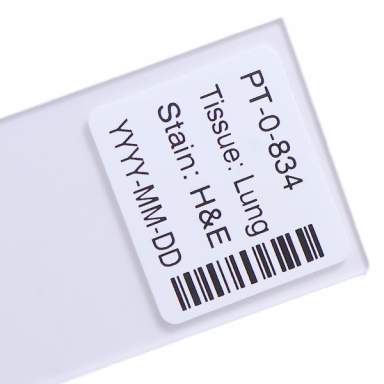
Professionally printed slide labels optimized for consistency, durability, and controlled specimen identification. Pre-printed formats reduce in-lab printing steps while supporting uniform layouts and guaranteed unique identifiers across microscope slide collections.
FLAP (Flexible Lamination After Printing) labels are designed to protect critical information on histology slides during processing. These labels feature a self-laminating flap that shields printed data from harsh chemicals and staining solutions, ensuring that barcodes and other identifiers remain intact and readable. By preserving the integrity of the label, FLAP labels support accurate and efficient diagnostics in challenging lab environments.
Labels for all slide formats including standard 25×75 mm and 1×3" slides, frosted, unfrosted, and charged options for staining or mounting.
Ideal for pathology, cytology, microbiology, and other disciplines that depend on clean, organized glass slide labeling.
Pre-printed slide labels ensure unique, non-duplicated identifiers and controlled sequences without requiring in-lab sequence management.
Labware Prep™ Services support pre-marked labware, including slides, with customized identification applied before delivery to streamline downstream workflows.
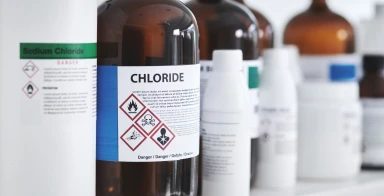
Withstand routine exposure to xylene, ethanol, and formalin without degradation. Ideal for histology, cytology, and staining workflows that rely on solvent-intensive slide preparation.
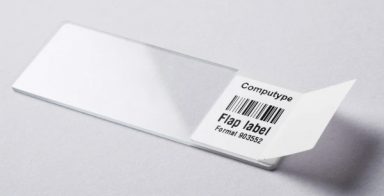
Built to survive frequent handling, slide scanning, and storage friction. Label coatings resist scratching and smudging, preserving critical data throughout the lab’s processes.
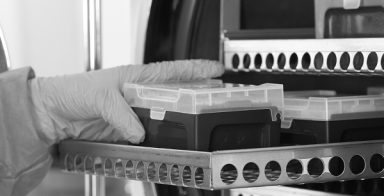
Sterilization-resistant slide labels stay legible through xylene, alcohol, and dry heat exposure—ensuring lasting identification across histology, cytology, and pathology workflows.
Slide label facestocks must remain dimensionally stable at small sizes and support sharp print definition without curling or distortion. Polyester facestocks are commonly used for microscope slides because they resist abrasion, maintain edge stability, and hold fine text and barcodes on narrow label formats. Surface coatings further support consistent ink or ribbon transfer and long-term legibility.
Adhesives for microscope slide labels are selected for predictable, long-term bonding to smooth glass surfaces with minimal tolerance for edge lift. Permanent acrylic adhesives are frequently used due to their balance of tack, shear strength, and aging stability. Adhesive performance also accounts for label footprint, handling frequency, and storage orientation, where even minor lift can interfere with identification.
Self-laminating microscope slide labels protect printed information by sealing it beneath a clear laminate layer after printing. In FLAP (Flexible Lamination After Printing) labels, the laminate is sized to match the printable area and folds completely over the image—similar to a book cover—creating a protected surface without increasing label footprint. This construction helps preserve barcode readability and visual clarity during repeated handling and storage.
Because slide labels carry dense information in limited space, print systems must deliver high contrast and edge definition. Resin thermal transfer ribbons are commonly used for print-on-demand slide labeling due to their resistance to smudging and abrasion. For pre-printed slide labels, ink performance depends on the print technology—such as flexographic, digital, or hybrid processes—and any protective coatings applied to preserve long-term readability.
Microscope slide labels are available with documentation upon request supporting FDA 21 CFR 175.105 compliance for adhesives and RoHS compliance for restricted substances. REACH compliance depends on material selection and use case, as obligations are tied to SVHC content thresholds and application context. Requirements should be reviewed on a project-by-project basis to ensure proper alignment.
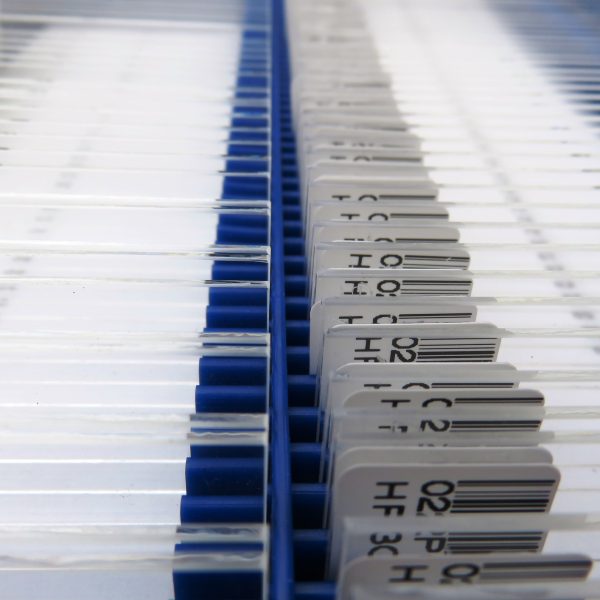
Microscope slide labels require precise print placement, sharp image quality, and consistent performance on small-format media. These desktop and light-industrial printers support print-on-demand slide labeling workflows with reliable handling of narrow labels and durable ribbon compatibility.
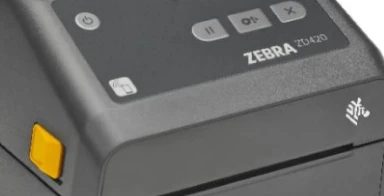
Zebra ZD Series printers are compact, dependable desktop printers well suited for microscope slide labeling in shared or space-constrained lab environments. They support high-resolution thermal transfer printing for crisp text and barcodes, with straightforward media loading and consistent performance for routine slide identification.
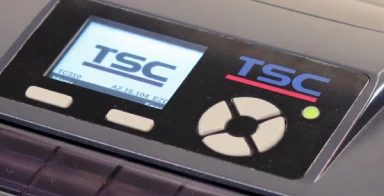
TSC TC Series printers offer a balance of affordability, durability, and print precision for labs printing slide labels in-house. Designed for thermal transfer printing with resin ribbons, these printers handle small label formats reliably while supporting flexible print-on-demand workflows across research, academic, and laboratory settings.

The cab MACH 4S is a robust industrial-grade printer designed for higher-volume or continuous slide labeling operations. Its solid construction, accurate label handling, and support for durable thermal transfer printing make it a strong choice for labs requiring consistent output, longer print runs, or extended operating cycles.
Shop high-quality label kits designed for in-lab printing. Choose from standard or FLAP labels, each paired with ribbons tested for reliable imaging and long-term durability on microscope slides.

Have questions? We’re here to help.
Contact us to connect with a specialist who understands your industry and can provide the right solutions for your business. Let’s start a conversation.
Receive microplates with identifiers already applied, eliminating labeling steps during plate setup and processing. Ensure consistent, durable identification across assays, screening, and storage while reducing manual handling and improving workflow efficiency.
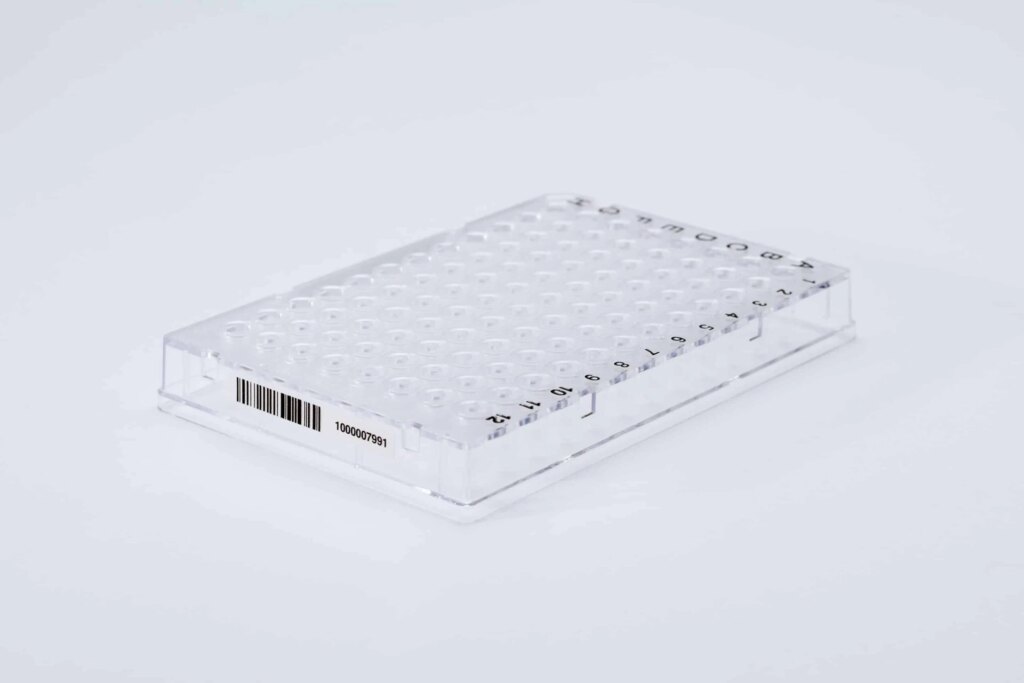
Pre-barcoded microplates arrive ready to use with verified identifiers applied before delivery. This approach removes labeling from your workflow and ensures consistent identification across plate handling, processing, and storage environments.
Eliminate labeling steps during plate setup, loading, and processing workflows.
Use pre-verified plate IDs to maintain accuracy across batches and screening runs.
Receive plates sorted, kitted, or prepared to match assay workflows and laboratory processes.
Pre-barcoded microplates fit high-throughput environments where plates move rapidly through automated workflows and labeling can create delays or variability. This includes automated screening facilities, compound and plate libraries, and CROs running large-scale studies, as well as core labs managing shared plate resources where speed, consistency, and reduced handling drive efficiency and improve data integrity.
Get microplate labels professionally printed with controlled data, advanced converting, and durable materials. Ensure consistent plate identification across batches while eliminating in-house printing and reducing variability in labeling for assays, screening, and high-throughput workflows.
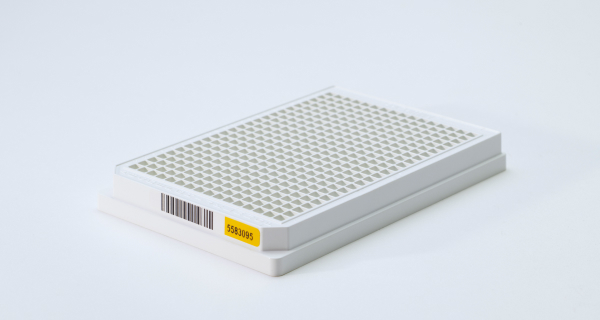
Pre-printed plate labels combine controlled printing, advanced converting, and durable materials to deliver consistent, ready-to-use identification. This approach ensures every plate label meets requirements for data accuracy, layout consistency, and performance across handling and processing.
Receive pre-printed plate labels with guaranteed unique IDs, controlled sequencing, and validated data across batches and runs.
Use color coding to differentiate assays, plate types, or workflows and improve visual organization across plate libraries.
Use engineered label constructions that resist chemicals, handling, and environmental exposure during plate processing and storage.
Pre-printed labeling fits laboratories that run standardized plate workflows with fixed data structures. This includes screening labs running standardized assays, diagnostic labs processing consistent plate formats, and research environments where plate layouts and identifiers remain consistent across runs.
Print microplate labels as needed using live data from laboratory systems. Generate labels during plate setup, sample loading, or assay preparation, with well IDs, plate IDs, and variable data applied at the point of use. This approach supports workflows where plate data changes frequently or requires immediate, accurate identification.
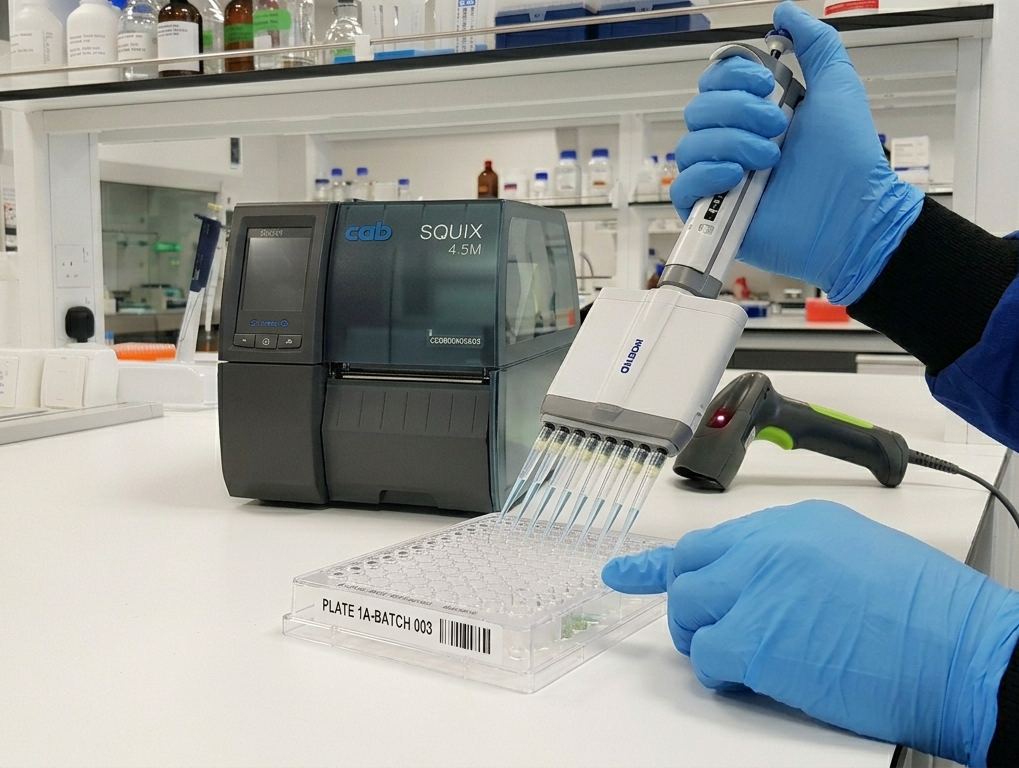
Blank plate labels designed for small formats, flat surfaces, and secure adhesion on plates.
Print high-resolution barcodes and text for plate IDs and sample tracking.
Thermal transfer ribbons produce durable images resistant to chemicals, moisture, and handling.
Apply labels consistently to plates during setup or automated workflows.
Print-on-demand labeling fits laboratories that generate or update plate data in real time. This includes screening labs, genomics workflows, and assay development environments where plates are created, modified, and labeled during processing, and where accurate, immediate identification is required.
Print blood bag labels as needed using live data from blood bank systems. Generate labels during collection, component processing, or labeling steps, with donation identification numbers, product codes, and variable data applied at the point of use. This approach supports workflows where blood data updates in real time and requires immediate, accurate identification.
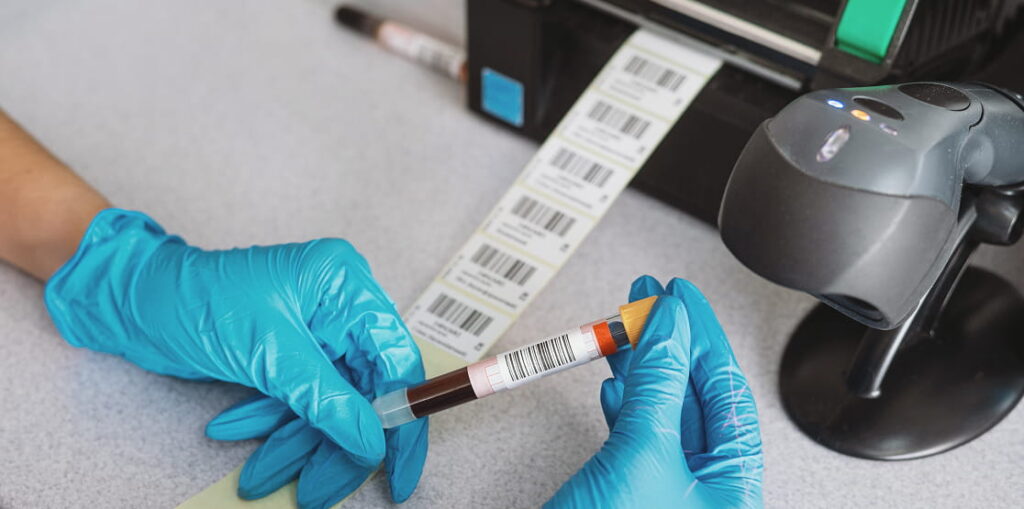
Set up a complete labeling workflow using the right materials and equipment to print and apply labels directly during blood collection, component processing, and blood bank handling workflows.
Start with blank label stock engineered for flexible PVC blood bags.
Print high-resolution barcodes and text for complex blood label layouts.
Use included thermal transfer ribbons to produce durable barcode labels.
Integrate barcode software to generate ISBT 128 labels and DIN data.
Print-on-demand labeling fits blood banks and collection centers that generate or update donation data in real time. This includes blood collection sites, processing labs, and transfusion services where blood bags are labeled on demand, and workflows require immediate, accurate identification without relying on pre-printed labels.
Get blood bag labels professionally printed with controlled data, advanced converting, and durable materials. Eliminate in-house printing while ensuring every label meets performance requirements for blood bank use, including handling, cold storage, and transfusion.
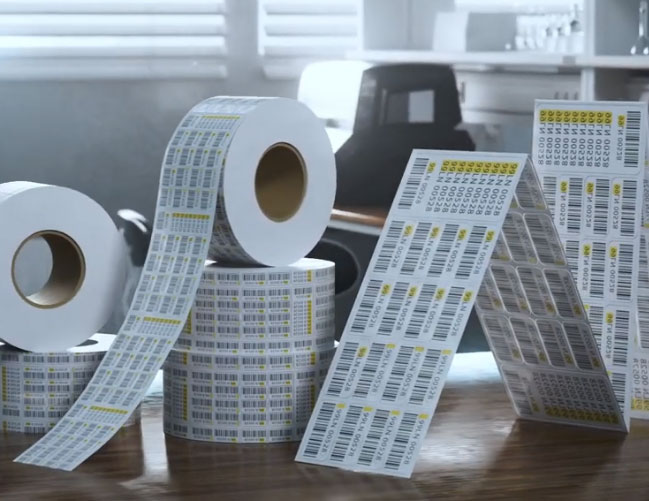
Pre-printed labeling combines controlled printing, advanced converting, and durable materials to deliver consistent, ready-to-use blood bag labels. This approach removes variability from in-house printing and ensures every label meets requirements for DIN accuracy, barcode performance, and reliable identification across blood bank workflows.
Receive pre-printed labels with guaranteed unique DIN sequences, controlled serialization, and validated data across batches and production runs.
Maintain consistent DIN formats to ensure accurate identification across blood bags, segments, and associated components.
Use engineered label constructions designed to resist edge lift, moisture, and routine handling, helping maintain adhesion and readability throughout blood collection.
Pre-printed labeling fits blood banks and collection centers that manage high volumes of donations and require controlled, repeatable identification. This includes blood collection sites, processing facilities, and transfusion services where standardized labeling, consistent DIN assignment, and stable data support efficient, validated workflows without frequent changes.
In laboratory environments, data often isn’t final until the last moment—at the bench, at the instrument, or during sample handling. Printing labels on demand helps ensure each tube or vial reflects the most accurate information, while fitting naturally into the way your work actually happens.
In laboratory environments, data often isn’t final until the last moment—at the bench, at the instrument, or during sample handling. Printing labels on demand helps ensure each tube or vial reflects the most accurate information, while fitting naturally into the way your work actually happens.
In laboratory environments, data often isn’t final until the last moment—at the bench, at the instrument, or during sample handling. Printing labels on demand helps ensure each tube or vial reflects the most accurate information, while fitting naturally into the way your work actually happens.
Compatible resin ribbons ensuring clear, durable print for barcodes and text
Compatible resin ribbons ensuring clear, durable print for barcodes and text
In laboratory environments, data often isn’t final until the last moment—at the bench, at the instrument, or during sample handling. Printing labels on demand helps ensure each tube or vial reflects the most accurate information, while fitting naturally into the way your work actually happens.
In laboratory environments, data often isn’t final until the last moment—at the bench, at the instrument, or during sample handling. Printing labels on demand helps ensure each tube or vial reflects the most accurate information, while fitting naturally into the way your work actually happens.
Compatible resin ribbons ensuring clear, durable print for barcodes and text
Compatible resin ribbons ensuring clear, durable print for barcodes and text
Compatible resin ribbons ensuring clear, durable print for barcodes and text
Compatible resin ribbons ensuring clear, durable print for barcodes and text
In laboratory environments, data often isn’t final until the last moment—at the bench, at the instrument, or during sample handling. Printing labels on demand helps ensure each tube or vial reflects the most accurate information, while fitting naturally into the way your work actually happens.
In laboratory environments, data often isn’t final until the last moment—at the bench, at the instrument, or during sample handling. Printing labels on demand helps ensure each tube or vial reflects the most accurate information, while fitting naturally into the way your work actually happens.
In laboratory environments, data often isn’t final until the last moment—at the bench, at the instrument, or during sample handling. Printing labels on demand helps ensure each tube or vial reflects the most accurate information, while fitting naturally into the way your work actually happens.
Durable labels that stay attached through handling, storage, or cryogenic conditions
Compatible resin ribbons ensuring clear, durable print for barcodes and text
Compact, consistent, durable thermal transfer printing at the point of use
Label management software to format labels and connect to sample data or LIMS
In laboratory environments, data often isn’t final until the last moment—at the bench, at the instrument, or during sample handling. Printing labels on demand helps ensure each tube or vial reflects the most accurate information, while fitting naturally into the way your work actually happens.
Take advantage of our volume discounts for bulk orders. Reach out to us for a personalized quote tailored to your needs.
"*" indicates required fields