$0.00
0

Top 9 Ways to Reduce Inefficiencies in the Lab

Inefficiencies in a lab do an excellent job of slowing down processes and not allowing your facility to live up to its total throughput potential.

Embarking on an effort to reduce these inefficiencies is what intimidates many labs as it can seem like a big undertaking; but really, the biggest challenge often lies in pinpointing where your process could use improvements.

There are likely quick wins that can be achieved through feasible projects within your lab.

At Computype, we have been working with labs in the healthcare industry globally for over 40 years, and we decided to devote an article to nine things we have noticed that successfully improve efficiencies in the lab.

1. Automate your lab’s process

Working towards automating your laboratory processes is key to improving efficiencies for a few reasons: it reduces human error that can (and does) occur, and automation can accomplish routine, repetitive tasks more accurately than a human can.

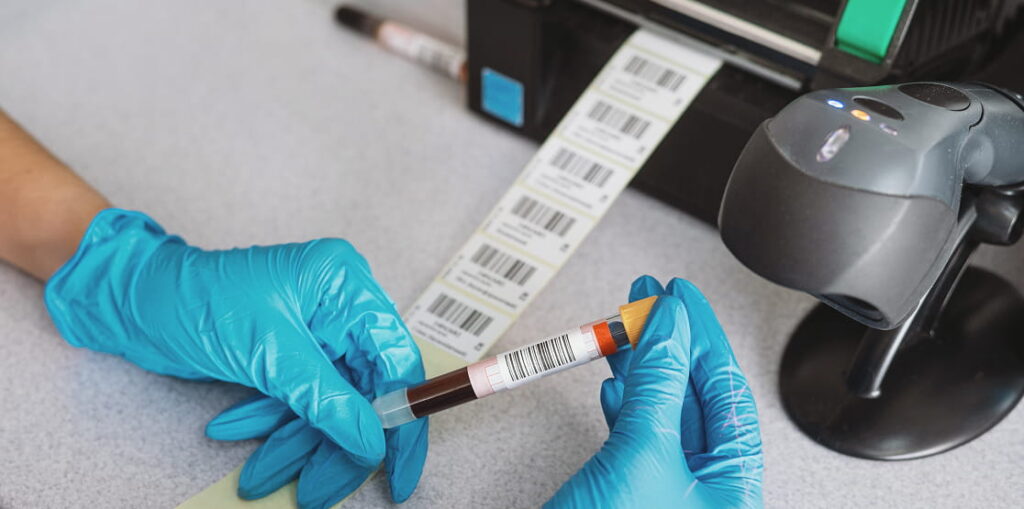
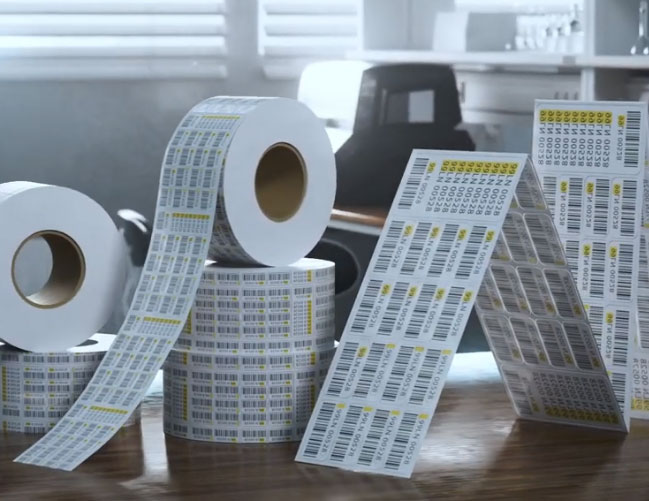
For example, samples and tests require identification; the label needs to be in the same place on the container every time to ensure accuracy throughout the entirety of the process. In a laboratory, accuracy is key, and it is difficult to guarantee precision when an employee is placing a label manually.

Additionally, processes are made more efficient with automation. Integrating labeling into a larger piece of automation also improves the flow of the sample through the system and the process. With automation, you are also able to utilize barcode tracking and handling data to gain constant knowledge as to what point in the process that sample or test resides.

Aside from labeling, automating your lab as a whole can also greatly reduce inefficiencies. Automation is faster, more precise, and allows you to allocate your resources more efficiently and sparingly. Increased throughput time, as well as less rework and fewer errors that come with the implementation of automation will make noticeable differences in the efficiency of your lab.

2. Organize your lab

It is crucial to have an organizational strategy in your lab to ensure the tracking and tracing of each sample with guaranteed accuracy. Documentation is a good strategy in keeping your laboratory processes in order and organized.

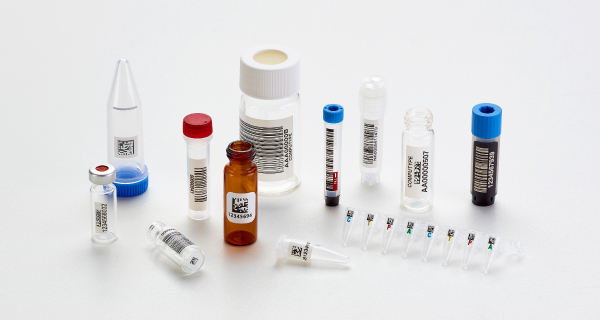
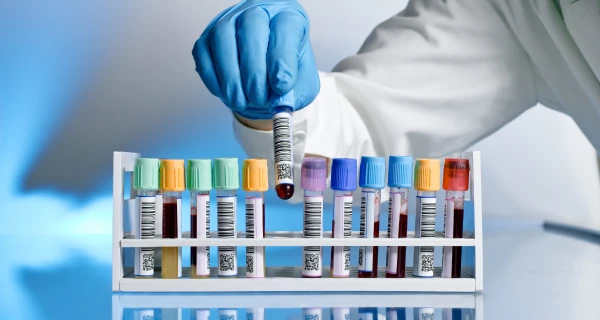
A productive method that is already prominent in the industry is barcoding- this allows you to track and trace every sample and know exactly where each test element resides in the process, in addition to being able to identify respective information and data.

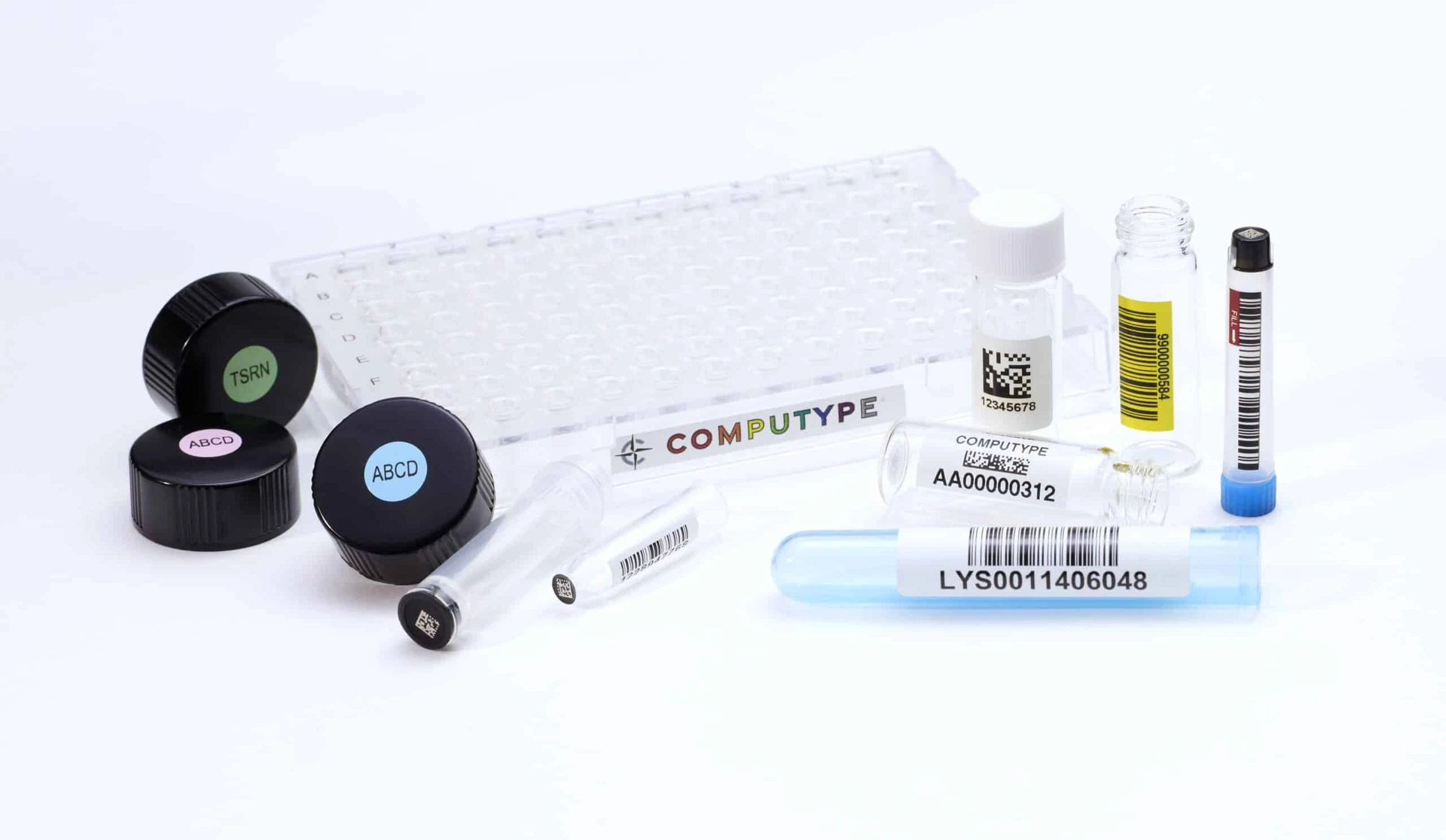
Color identification is also a productive means of organization, which can also pair hand-in-hand with your labeling strategy. Adding color to your labeling strategy- whether it be a logo, a color marking, or a graduation line, can help employees associate certain samples with paperwork, coordinate with colored caps, or easily sort. Organizing your samples and products is very important in a laboratory setting and will increase the productivity and throughput of your processes.

3. Outsource tasks within your lab process

Outsourcing is a great option if you want to expedite and streamline processes. There are many tasks within a given lab process that you can outsource, leaving the lab much more time that they can devote towards science and processing.

As it relates specifically to barcoding and labeling, there are outsourcing options for the procurement, tare weighing, labeling, and/or packaging of your labware, as well as printing, or even testing.

Although this is a very productive option for speeding up processes in your laboratory and reducing inventory, it may not be possible depending on how variable your information and products are.

Barcoding, for instance, and its ability to be outsourced is dependent on information that laboratories have available before ordering labware or labels, how variable the information may be, and what information is required on the label. Outsourcing programs like Computype’s Labware Prep™ Services have proven to reduce errors by up to 30%, so if possible, outsourcing can have quite the impact.
4. Single source your supplies

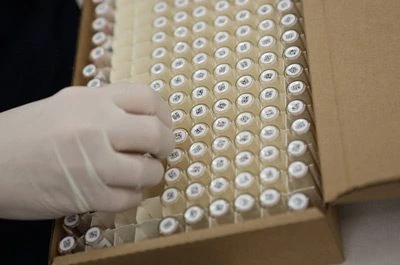
Obviously this is not always an option; however, if single sourcing is an option, it is one of the simplest ways to reduce expenses and administrative effort. It is beneficial to your lab in many ways to have a trusted supplier that knows your processes and can provide the right products for all your applications.

Single sourcing also reduces the chance that the supplies you use do not work well together. In the case of labels and labware, if these do not work well together, you may be compromising the integrity of all samples and tests in your lab. This is an avoidable problem if you are using a single provider who can ensure labels and associated containers have been tested to complement each other.

In order to optimize the benefits you receive from single sourcing your supplies, take advantage of additional services that are offered by suppliers. For example, some suppliers will offer tare weighing or custom packing as part of their labware service program.

5. Integrate

Whether it be with automation or outsourcing partners, integration of your processes to make them work together and communicate will expedite your workflow, while at the same time making processes more efficient and less prone to errors.

With the integration of your processes, throughput will improve. In some cases, outsourcing certain tasks can even eliminate the need for automation, or vice versa. Whichever way you decide to integrate, you will likely see efficiency improvements, as your laboratory will be functioning as one cohesive whole.
6. Future proof your processes

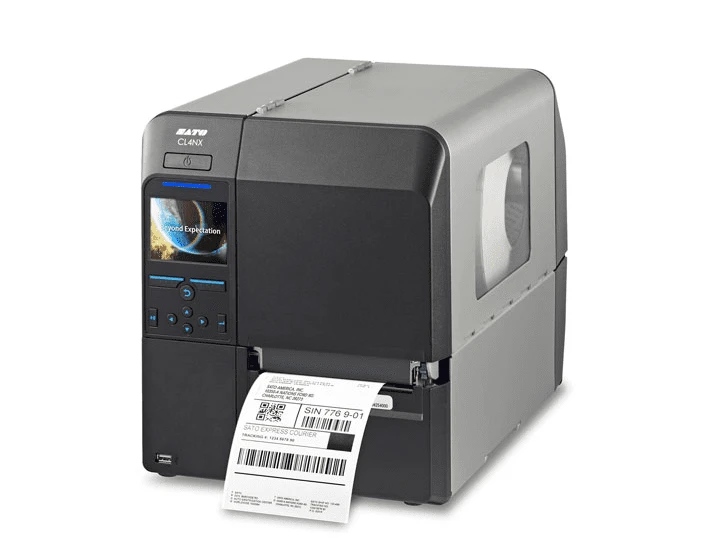
In our current times of exponentially advancing technology and the Internet of Things, it is important that if you decide to invest in lab technology, that it is RFID capable, or flexible enough to accept future technology or add-ons. RFID is radio frequency identification; radio waves are used to identify objects and track them throughout a process through a chip.

Technology is improving at such a high rate that it is important to avoid investing in anything that could potentially become obsolete in the coming years. New technology in the form of automation, robotics, and other systems could enter the industry at any minute, so it is important to be both prepared and aware.

Additionally, make sure that your equipment has the capability to connect and communicate with each other. Automation and communication within your process gives you a huge efficiency boost.

To put this into perspective, if you are having to clean a specific instrument or area before being able to perform a test or task, lean processes are not being followed and, therefore, efficiencies are lost.These are all very common inefficiencies that we see all too frequently in laboratories. It is important to strive for continuous improvement in your lab. Becoming more aware of your inefficiencies is also important from a competitive differentiation standpoint; as the industry is moving towards the future, there are a lot more moving parts to keep track of, so it is important that you continue to prioritize reducing inefficiencies.

In healthcare, one of the most common ways to differentiate yourself from your competitors is to bring something to market faster such as a drug, treatment, test, or platform. Inefficiencies slow processes down and are a hindrance to the growth of your business, achieving launch dates, and development.

Barcoding and identification tactics are a great way to improve efficiencies in your lab; if you have a reliable barcoding or RFID tracking system, you are better able to integrate your systems, utilize automation, and communicate throughout the organization. The opportunity for efficiency improvements live in every laboratory, and keeping an eye on these nine areas will keep the inefficiencies under control and top of mind.

7. Cross train your employees

Cross training your employees, as basic as it may seem, is something to strongly consider when trying to increase efficiencies. This allows for consistent allocation of resources, as well as no holes in the process if unexpected staffing circumstances arise.

Additionally, cross training promotes the idea of cohesiveness in your laboratory and process. This way, there are no gaps or missing pieces, as you have many capable resources for each task or project.

8. Go paperless (cloud technologies)

Going paperless and using cloud technologies is a beneficial option in the case that your laboratory has multiple locations utilizing the same data, as they will be accessible securely from any location.

Cloud utilization allows for speed of information sharing, which is huge in increasing throughput and efficiencies. Automation and the Internet of Things are also now allowing companies to link automation, and log usage time. With this technology, you can analyze equipment and associated data throughout an entire global organization and determine where there is open capacity for your specific test or need, for example.
9. Establish clean environments

As elementary and obvious as this seems, it is especially important that your laboratory environment is kept clean and non-contaminated. Although this may not even seem worthy of mention, we often see that this is forgotten or overlooked, and it is an easy fix to help boost efficiency.

All of your labware should be processed and stored in a clean and controlled environment, to ensure that your processes will not be corrupt. Prioritize the cleanliness of your environment to maintain the integrity of all of your laboratory operations, and you will avoid rework and potential ethical issues.

To put this into perspective, if you are having to clean a specific instrument or area before being able to perform a test or task, lean processes are not being followed and, therefore, efficiencies are lost.These are all very common inefficiencies that we see all too frequently in laboratories. It is important to strive for continuous improvement in your lab. Becoming more aware of your inefficiencies is also important from a competitive differentiation standpoint; as the industry is moving towards the future, there are a lot more moving parts to keep track of, so it is important that you continue to prioritize reducing inefficiencies.

In healthcare, one of the most common ways to differentiate yourself from your competitors is to bring something to market faster such as a drug, treatment, test, or platform. Inefficiencies slow processes down and are a hindrance to the growth of your business, achieving launch dates, and development.

Barcoding and identification tactics are a great way to improve efficiencies in your lab; if you have a reliable barcoding or RFID tracking system, you are better able to integrate your systems, utilize automation, and communicate throughout the organization. The opportunity for efficiency improvements live in every laboratory, and keeping an eye on these nine areas will keep the inefficiencies under control and top of mind.
0
    0
    Your Cart
    Your cart is emptyReturn to Shop

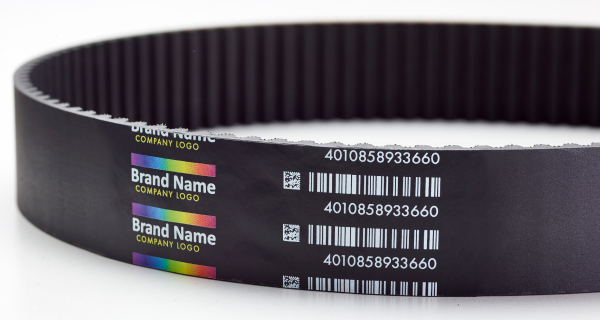
    High-impact belt branding with pre-printed films.

    Pre-printed belt marking films deliver bold, consistent branding and high-resolution graphics across repeat manufacturing applications. These solutions support detailed imagery, precise color matching, and uniform visual presentation for product lines requiring fixed branding, standardized identification, and elevated product appearance.

    Professionally printed high-resolution rubber belt branding films.

    Pre-printed belt marking films support more detailed and visually controlled designs than standard ribbon-based marking systems. These solutions enable complex graphics, consistent color reproduction, and elevated product presentation across repeat manufacturing applications.

    photorealistic graphics

    High-resolution printing supports detailed imagery, gradients, and complex visual elements beyond the capabilities of standard ribbon-based marking systems

    custom color matching

    Match specific brand colors and visual standards across belt product lines, packaging systems, and broader manufacturing identification programs

    consistent production

    Pre-printed films maintain uniform logos, layouts, and visual presentation across large production volumes and repeat manufacturing applications

    Pre-printed films are commonly used for permanent logos, product branding, belt sizes, standardized identifiers, and highly detailed visual designs. Advanced printing capabilities support precise color control, sharp graphic definition, and complex imagery that extends beyond standard ribbon-based marking.

    Print belt marking films with critical production data.

    Print-on-demand belt marking gives manufacturers the flexibility to apply critical production data directly within active manufacturing workflows. These systems support information that cannot be predefined, including slab location codes, manufacturer dates, lot information, production identifiers, and changing product data across belt runs and manufacturing environments.

    A simple setup can integrate real-time labeling directly into your workflow.

    durable films

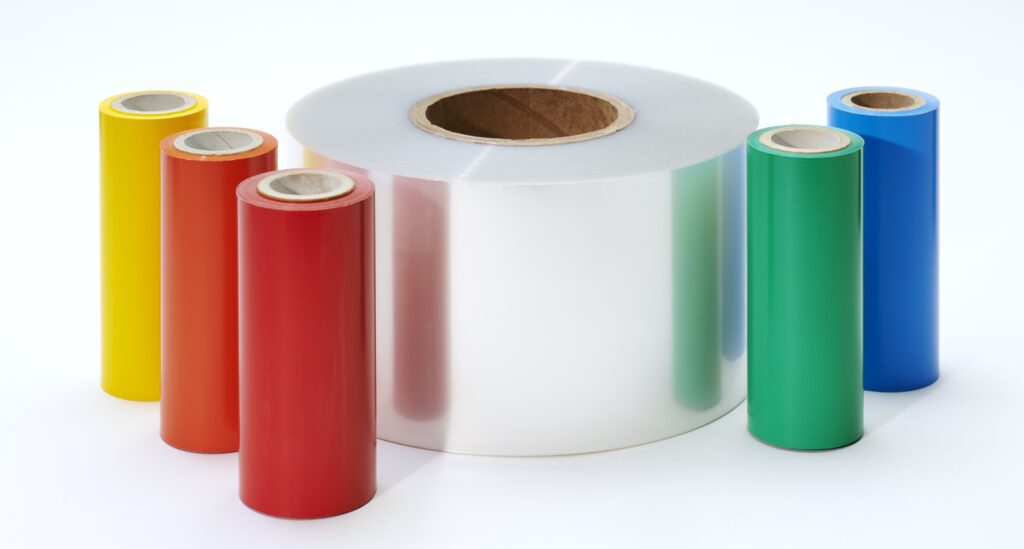
    Start with blank transfer films engineered for durable rubber belt marking.

    label software

    Create belt marking formats using label design and barcode software.

    compatible ribbons

    Use included thermal transfer ribbons to produce durable vibrant labels.

    industrial printers

    Use an industrial thermal transfer printer engineered for high duty cycles.

    Print-on-demand systems are designed for manufacturing environments where belt information changes continuously throughout production. Rather than relying on fixed inventory or pre-printed stock, these systems support dynamic marking requirements tied to production scheduling, traceability, and operational control.

    Reduce operational complexity with pre-printed labels.

    Use pre-printed warehouse labels to apply location IDs, pallet labels, and sequential label sets without managing printing in-house. This path works best when your data is defined and your warehouse layout follows a structured system.

    A simple setup can integrate real-time labeling directly into your workflow.

    Plan your labeling system in advance, then receive labels ready to apply across your warehouse. This approach shifts the work from daily printing to upfront setup and production.

    consistency at scale

    Apply the same label formats, barcodes, and ID structures across racks, pallets, and storage locations without variation.

    efficient operations

    Eliminate the need for printers, ribbons, software, and label inventory by using labels that arrive ready to apply and scan.

    sequence management

    Use sequential beam labels and serialized label sets to maintain ordered location IDs and guarantee no duplicates.

    Use pre-printed labels when your warehouse layout is defined, your location IDs are established, and you need consistent labeling across large areas or multiple facilities. This approach supports structured storage systems, standardized pallet tracking, and efficient label rollout.

    Print labels when inventory data changes in real time.

    Print warehouse labels in-house to create location IDs, pallet labels, and LPN labels as your warehouse changes. This path gives you direct control over how labels are created, updated, and applied across racks, bins, totes, and pallets.

    A simple setup can integrate real-time labeling directly into your workflow.

    durable labels

    Start with blank label stock engineered for racks, bins, totes, and pallets.

    label software

    Create warehouse label formats using label design and barcode software.

    compatible ribbons

    Use included thermal transfer ribbons to produce durable barcode labels.

    label printers

    Use a thermal transfer printer designed for warehouse label printing and daily use.

    Use print-on-demand labels when your warehouse layout changes, your team manages location IDs internally, or you need labels immediately without waiting on production. This approach supports flexible workflows, evolving storage systems, and real-time pallet and container tracking.

    Receive pre-barcoded tubes immediately ready-to-use.

    Receive tubes and vials with identifiers already applied through direct marking or integrated labeling. Eliminate labeling steps entirely while ensuring durable, consistent identification across storage, handling, and laboratory workflows.

    Pre-barcoded tubes for extreme durability and precision placement.

    Pre-barcoded labware removes labeling from your workflow entirely. Tubes arrive ready to use with verified identifiers, supporting faster processing, reduced handling, and consistent sample identification across storage and laboratory operations.

    consistency at scale

    Use pre-verified barcodes and markings to ensure consistent, accurate sample identification across all tubes and batches.

    efficient lab management

    Eliminate labeling steps and reduce manual handling during sample collection, processing, and storage workflows.

    labware prepâ„¢ services

    Receive labware sorted, packaged, and prepared to match your workflow, including options like tare weighing and kit assembly.

    Pre-barcoded labware fits high-throughput environments where labeling becomes a bottleneck or source of error. This includes biobanks managing large sample collections, clinical labs processing high volumes of patient samples, and research or CRO environments running automated or repeatable workflows where speed, consistency, and reduced handling drive efficiency and data integrity.

    Order pre-printed tube labels for guaranteed accuracy.

    Get tube labels professionally printed with controlled data, advanced converting, and durable materials. Eliminate in-house printing while ensuring every label meets performance requirements for laboratory use, including chemical exposure, handling, and storage conditions.

    Professionally printed laboratory tube labels for custom, sequential labels.

    Pre-printed labeling combines controlled printing, advanced converting, and durable materials to deliver consistent, ready-to-use tube labels. This approach removes variability from in-house printing and ensures every label meets your requirements for data accuracy and performance.

    unique ids

    Receive pre-printed labels with guaranteed unique barcode sequences, controlled serialization, and validated data across batches and production runs.

    custom design

    Use custom colors to organize samples, differentiate workflows, and improve visual identification across racks, boxes, and storage systems.

    durable finishing

    Use engineered label constructions with precoats and topcoats that improve resistance to chemicals, moisture, and routine laboratory handling.

    Pre-printed labeling fits laboratories that manage high volumes of consistent samples and require controlled, repeatable identification. This includes clinical labs processing patient samples, diagnostic labs running standardized assays, and research labs preparing large batches of tubes for studies or long-term storage where data does not change.

    Print tube labels on demand with real-time data.

    Print tube labels as needed using live data from laboratory systems. Generate labels during sample collection, aliquoting, or processing, with unique identifiers, timestamps, and variable data applied at the point of use. This approach supports workflows where sample data changes frequently or requires immediate, accurate identification.

    A simple setup can integrate real-time labeling directly into your workflow.

    Set up a complete labeling workflow using the right materials and equipment to print and apply labels directly during laboratory processes.

    durable labels

    Start with blank label stock engineered for small diameter tubes and vials.

    label printers

    Print high-resolution barcodes and text for small-format tube labels.

    compatible ribbons

    Use included thermal transfer ribbons to produce durable barcode labels.

    tube labelers

    Integrate tube label applicators for automated print-and-apply labeling.

    Print-on-demand labeling fits laboratories that generate or modify sample data in real time. This includes research labs, clinical labs, and diagnostic environments where samples are collected, processed, and labeled on demand, and where workflows require immediate identification without waiting for pre-printed labels.

    Use pre-barcoded microplates for ready-to-use identification.

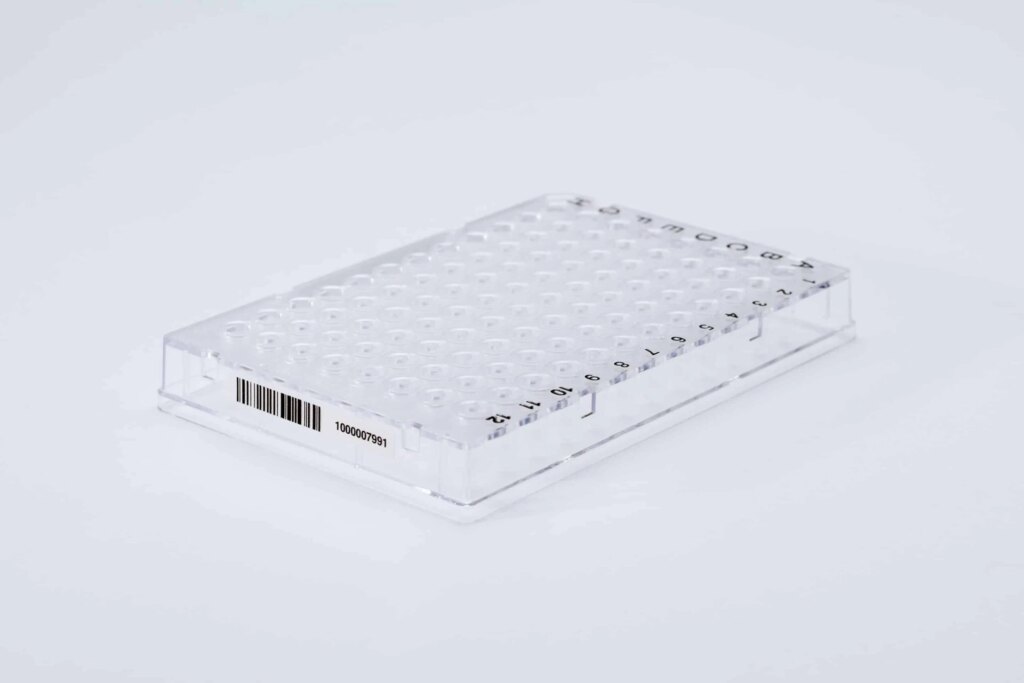
    Receive microplates with identifiers already applied, eliminating labeling steps during plate setup and processing. Ensure consistent, durable identification across assays, screening, and storage while reducing manual handling and improving workflow efficiency.

    Pre-barcoded microplates for ultimate laboratory efficiency.

    Pre-barcoded microplates arrive ready to use with verified identifiers applied before delivery. This approach removes labeling from your workflow and ensures consistent identification across plate handling, processing, and storage environments.

    laboratory efficiency

    Eliminate labeling steps during plate setup, loading, and processing workflows.

    consistent identification

    Use pre-verified plate IDs to maintain accuracy across batches and screening runs.

    integrated services

    Receive plates sorted, kitted, or prepared to match assay workflows and laboratory processes.

    Pre-barcoded microplates fit high-throughput environments where plates move rapidly through automated workflows and labeling can create delays or variability. This includes automated screening facilities, compound and plate libraries, and CROs running large-scale studies, as well as core labs managing shared plate resources where speed, consistency, and reduced handling drive efficiency and improve data integrity.

    Order pre-printed microplate labels with consistent accuracy.

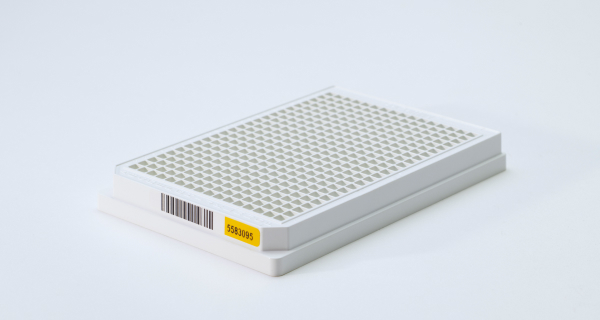
    Get microplate labels professionally printed with controlled data, advanced converting, and durable materials. Ensure consistent plate identification across batches while eliminating in-house printing and reducing variability in labeling for assays, screening, and high-throughput workflows.

    Professionally printed custom microplate labels.

    Pre-printed plate labels combine controlled printing, advanced converting, and durable materials to deliver consistent, ready-to-use identification. This approach ensures every plate label meets requirements for data accuracy, layout consistency, and performance across handling and processing.

    unique ids

    Receive pre-printed plate labels with guaranteed unique IDs, controlled sequencing, and validated data across batches and runs.

    custom design

    Use color coding to differentiate assays, plate types, or workflows and improve visual organization across plate libraries.

    durable finishing

    Use engineered label constructions that resist chemicals, handling, and environmental exposure during plate processing and storage.

    Pre-printed labeling fits laboratories that run standardized plate workflows with fixed data structures. This includes screening labs running standardized assays, diagnostic labs processing consistent plate formats, and research environments where plate layouts and identifiers remain consistent across runs.

    Print microplate labels on demand with real-time data.

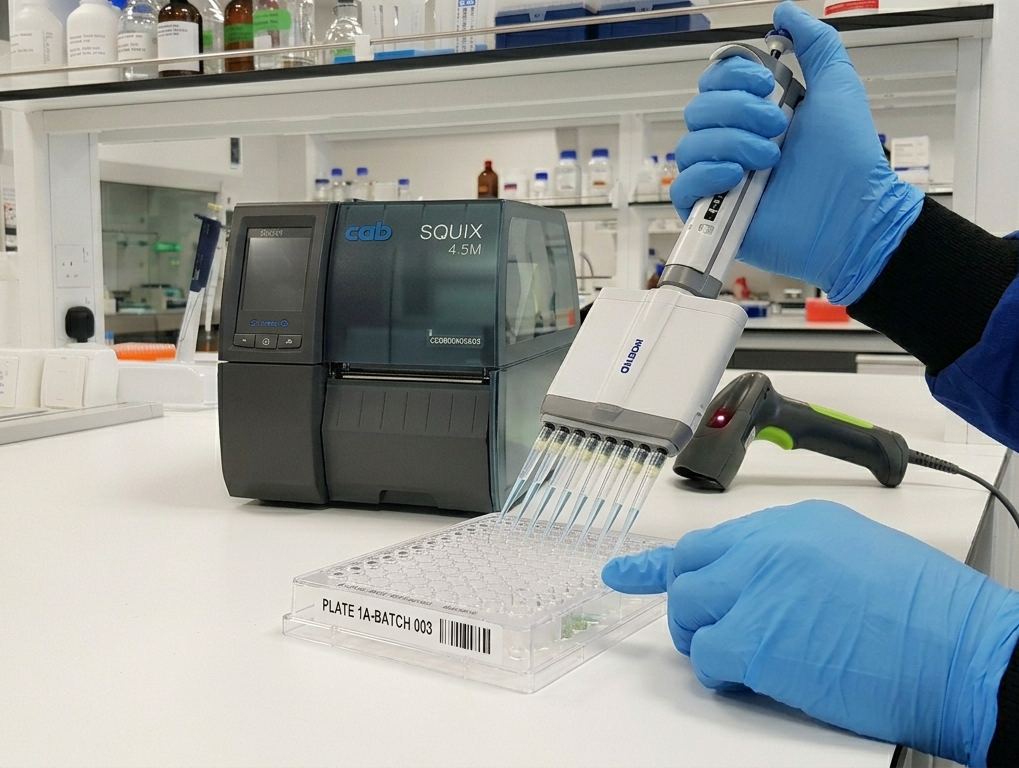
    Print microplate labels as needed using live data from laboratory systems. Generate labels during plate setup, sample loading, or assay preparation, with well IDs, plate IDs, and variable data applied at the point of use. This approach supports workflows where plate data changes frequently or requires immediate, accurate identification.

    A simple setup can integrate real-time labeling directly into your workflow.

    durable labels

    Blank plate labels designed for small formats, flat surfaces, and secure adhesion on plates.

    label printers

    Print high-resolution barcodes and text for plate IDs and sample tracking.

    compatible ribbons

    Thermal transfer ribbons produce durable images resistant to chemicals, moisture, and handling.

    microplate labelers

    Apply labels consistently to plates during setup or automated workflows.

    Print-on-demand labeling fits laboratories that generate or update plate data in real time. This includes screening labs, genomics workflows, and assay development environments where plates are created, modified, and labeled during processing, and where accurate, immediate identification is required.

    Print blood bag labels at collection points.

    Print blood bag labels as needed using live data from blood bank systems. Generate labels during collection, component processing, or labeling steps, with donation identification numbers, product codes, and variable data applied at the point of use. This approach supports workflows where blood data updates in real time and requires immediate, accurate identification.

    A simple setup can integrate real-time labeling directly into your workflow.

    Set up a complete labeling workflow using the right materials and equipment to print and apply labels directly during blood collection, component processing, and blood bank handling workflows.

    durable labels

    Start with blank label stock engineered for flexible PVC blood bags.

    label printers

    Print high-resolution barcodes and text for complex blood label layouts.

    compatible ribbons

    Use included thermal transfer ribbons to produce durable barcode labels.

    label software

    Integrate barcode software to generate ISBT 128 labels and DIN data.

    Print-on-demand labeling fits blood banks and collection centers that generate or update donation data in real time. This includes blood collection sites, processing labs, and transfusion services where blood bags are labeled on demand, and workflows require immediate, accurate identification without relying on pre-printed labels.

    Control blood bag labeling with pre-printed formats.

    Get blood bag labels professionally printed with controlled data, advanced converting, and durable materials. Eliminate in-house printing while ensuring every label meets performance requirements for blood bank use, including handling, cold storage, and transfusion.

    Guarantee no duplicates with professionally printed blood bag labels.

    Pre-printed labeling combines controlled printing, advanced converting, and durable materials to deliver consistent, ready-to-use blood bag labels. This approach removes variability from in-house printing and ensures every label meets requirements for DIN accuracy, barcode performance, and reliable identification across blood bank workflows.

    consistency at scale

    Receive pre-printed labels with guaranteed unique DIN sequences, controlled serialization, and validated data across batches and production runs.

    accurate din formats

    Maintain consistent DIN formats to ensure accurate identification across blood bags, segments, and associated components.

    durable finsihing

    Use engineered label constructions designed to resist edge lift, moisture, and routine handling, helping maintain adhesion and readability throughout blood collection.

    Pre-printed labeling fits blood banks and collection centers that manage high volumes of donations and require controlled, repeatable identification. This includes blood collection sites, processing facilities, and transfusion services where standardized labeling, consistent DIN assignment, and stable data support efficient, validated workflows without frequent changes.

    Support accurate workflows with real-time labeling.

    In laboratory environments, data often isn’t final until the last moment—at the bench, at the instrument, or during sample handling. Printing labels on demand helps ensure each tube or vial reflects the most accurate information, while fitting naturally into the way your work actually happens.

    Support accurate workflows with real-time labeling.

    In laboratory environments, data often isn’t final until the last moment—at the bench, at the instrument, or during sample handling. Printing labels on demand helps ensure each tube or vial reflects the most accurate information, while fitting naturally into the way your work actually happens.

    A simple setup can integrate real-time labeling directly into your workflow.

    In laboratory environments, data often isn’t final until the last moment—at the bench, at the instrument, or during sample handling. Printing labels on demand helps ensure each tube or vial reflects the most accurate information, while fitting naturally into the way your work actually happens.

    compatible ribbons

    Compatible resin ribbons ensuring clear, durable print for barcodes and text

    compatible ribbons

    Compatible resin ribbons ensuring clear, durable print for barcodes and text

    In laboratory environments, data often isn’t final until the last moment—at the bench, at the instrument, or during sample handling. Printing labels on demand helps ensure each tube or vial reflects the most accurate information, while fitting naturally into the way your work actually happens.

    Support accurate workflows with real-time labeling.

    In laboratory environments, data often isn’t final until the last moment—at the bench, at the instrument, or during sample handling. Printing labels on demand helps ensure each tube or vial reflects the most accurate information, while fitting naturally into the way your work actually happens.

    A simple setup can integrate real-time labeling directly into your workflow.

    compatible ribbons

    Compatible resin ribbons ensuring clear, durable print for barcodes and text

    compatible ribbons

    Compatible resin ribbons ensuring clear, durable print for barcodes and text

    compatible ribbons

    Compatible resin ribbons ensuring clear, durable print for barcodes and text

    compatible ribbons

    Compatible resin ribbons ensuring clear, durable print for barcodes and text

    In laboratory environments, data often isn’t final until the last moment—at the bench, at the instrument, or during sample handling. Printing labels on demand helps ensure each tube or vial reflects the most accurate information, while fitting naturally into the way your work actually happens.

    Support accurate workflows with real-time labeling.

    In laboratory environments, data often isn’t final until the last moment—at the bench, at the instrument, or during sample handling. Printing labels on demand helps ensure each tube or vial reflects the most accurate information, while fitting naturally into the way your work actually happens.

    A simple setup can integrate real-time labeling directly into your workflow.

    In laboratory environments, data often isn’t final until the last moment—at the bench, at the instrument, or during sample handling. Printing labels on demand helps ensure each tube or vial reflects the most accurate information, while fitting naturally into the way your work actually happens.

    durable labels

    Durable labels that stay attached through handling, storage, or cryogenic conditions

    compatible ribbons

    Compatible resin ribbons ensuring clear, durable print for barcodes and text

    reliable printer

    Compact, consistent, durable thermal transfer printing at the point of use

    label software

    Label management software to format labels and connect to sample data or LIMS

    In laboratory environments, data often isn’t final until the last moment—at the bench, at the instrument, or during sample handling. Printing labels on demand helps ensure each tube or vial reflects the most accurate information, while fitting naturally into the way your work actually happens.

    Request a quote

    Take advantage of our volume discounts for bulk orders. Reach out to us for a personalized quote tailored to your needs.

    "*" indicates required fields

    This field is for validation purposes and should be left unchanged.