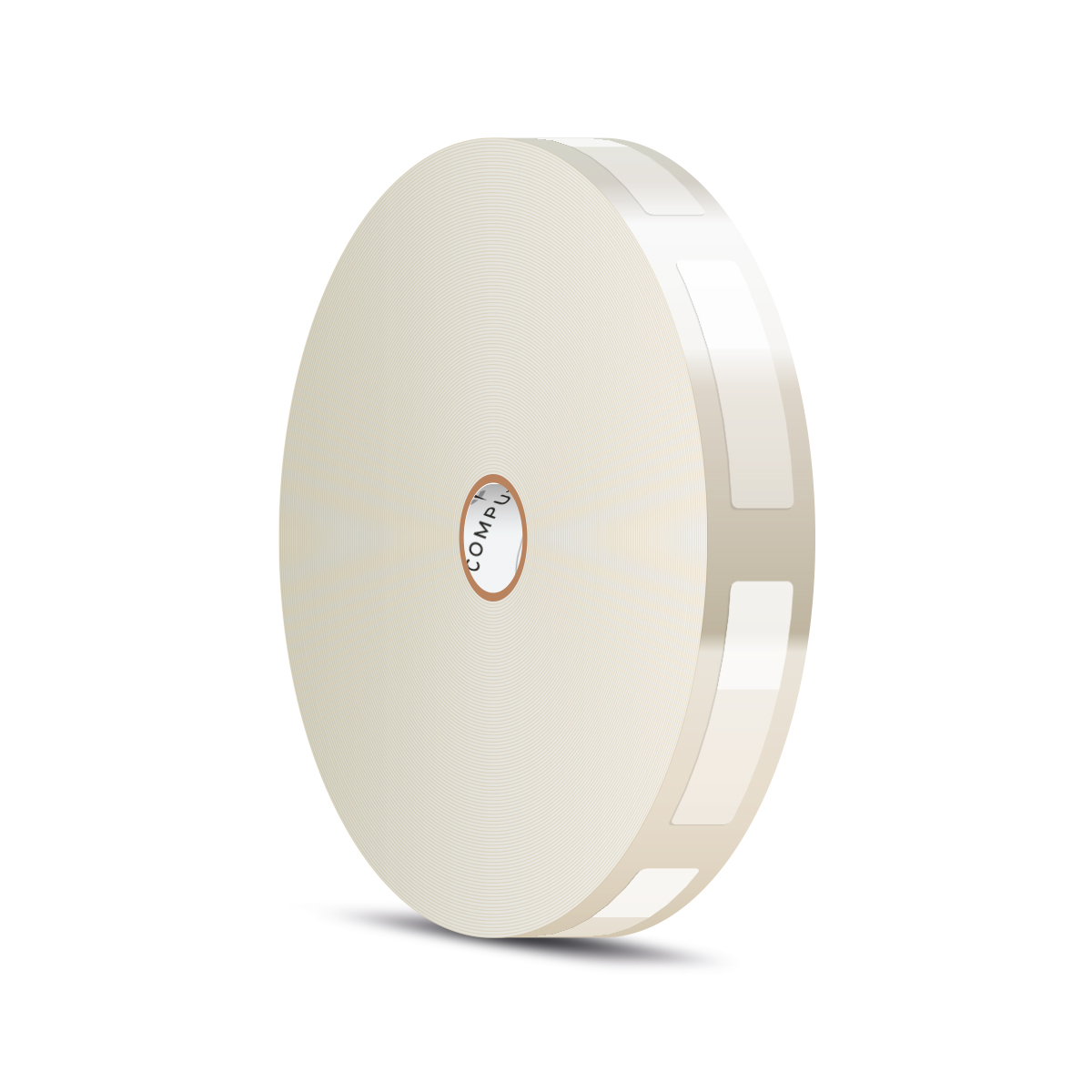
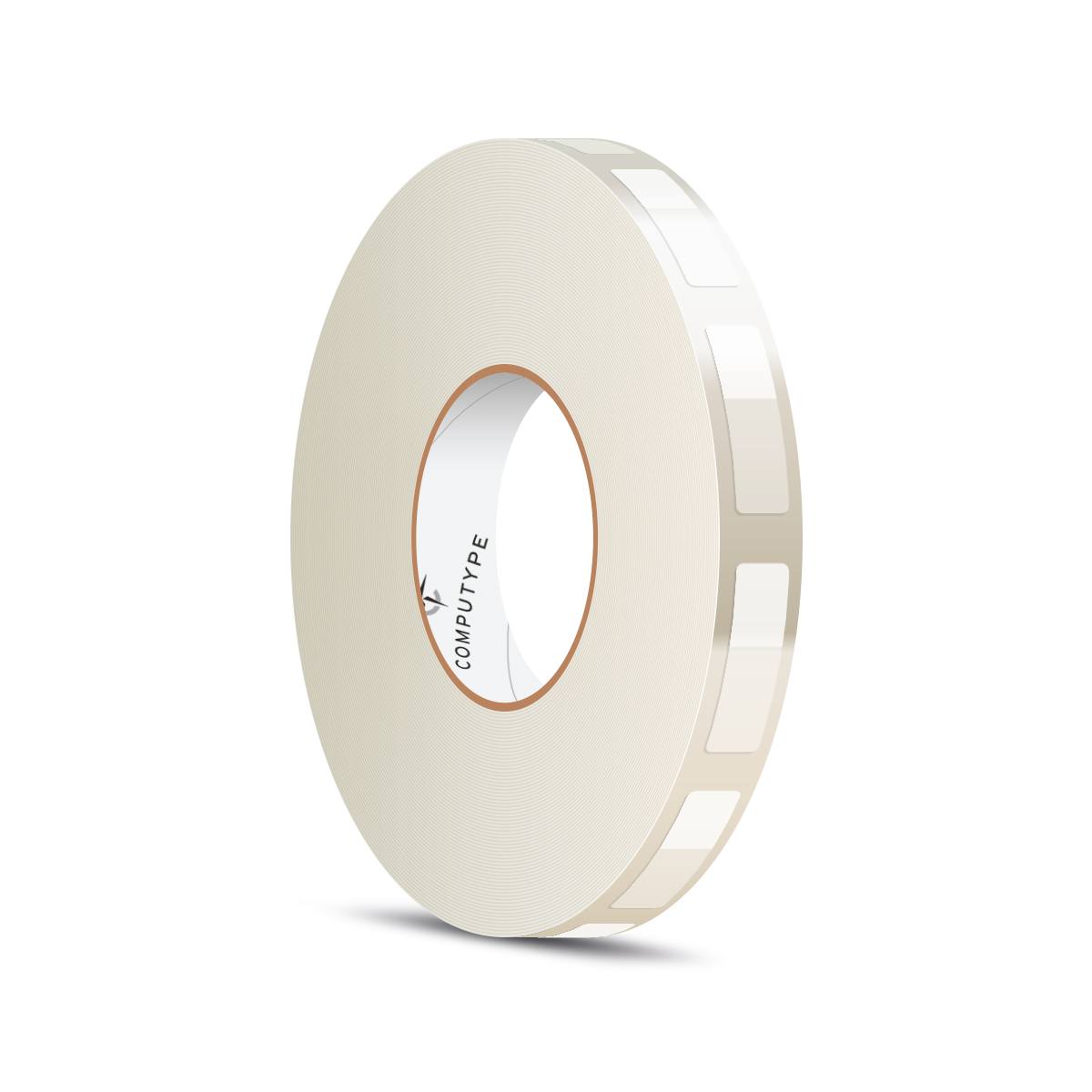
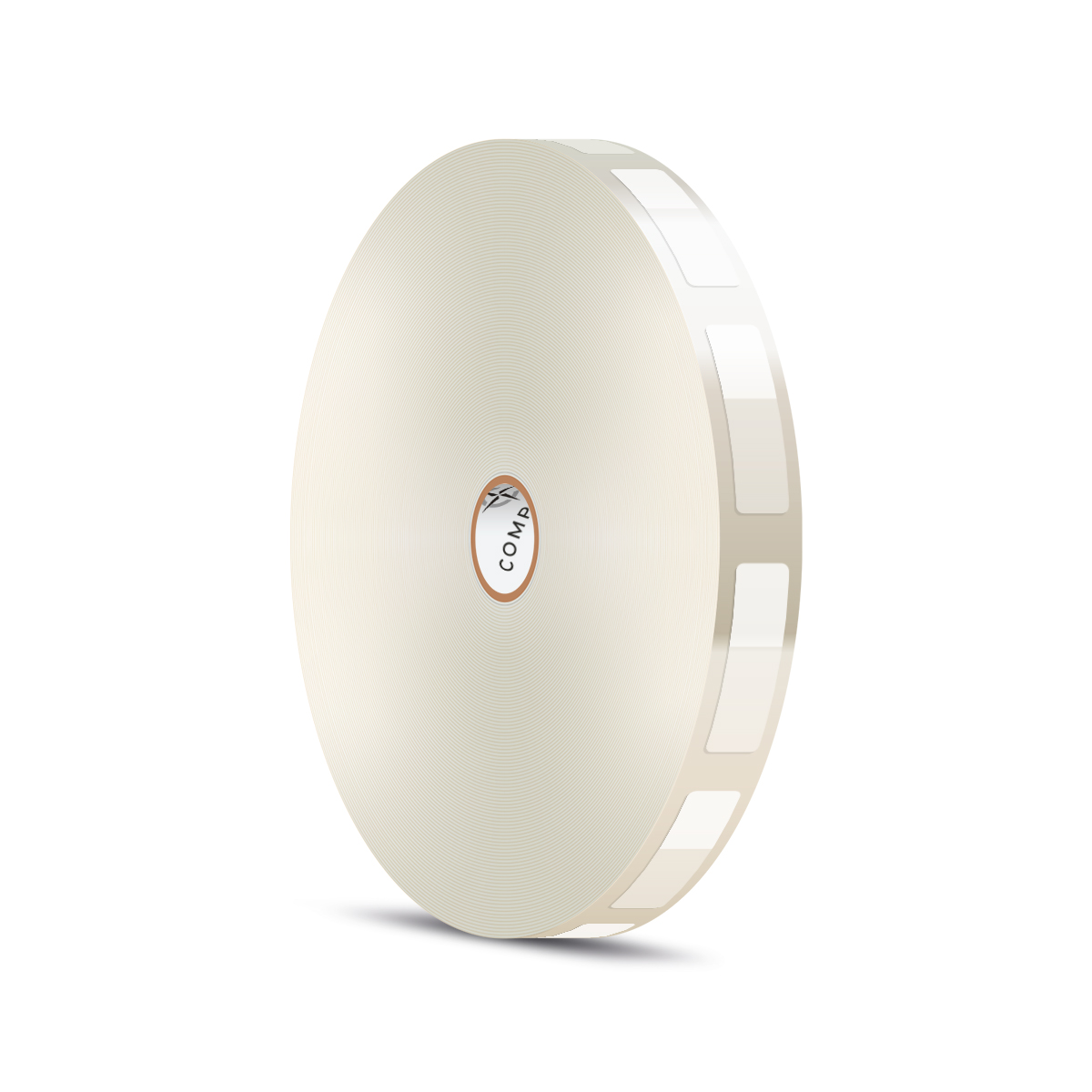
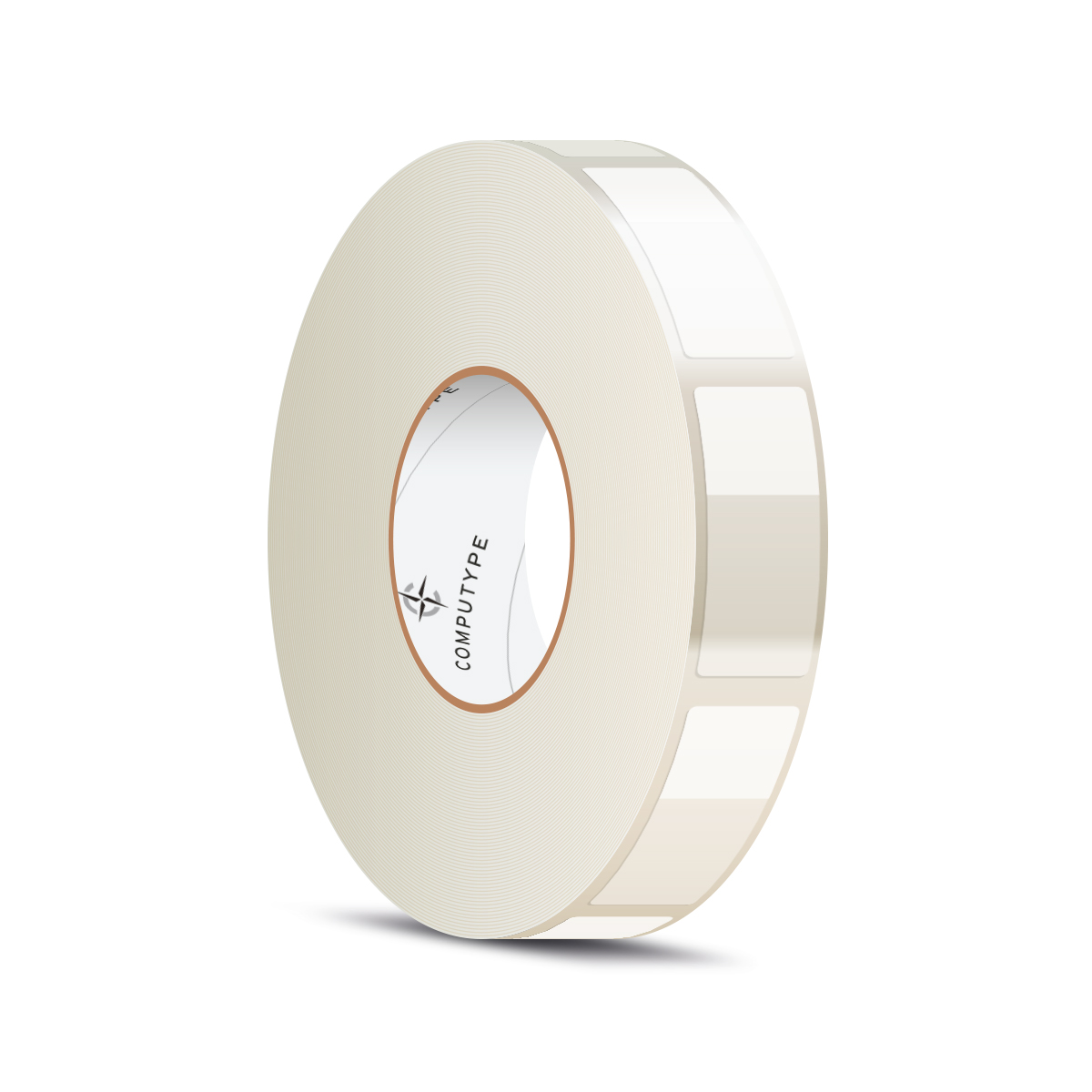

From $152.00 – $338.65Price range: $152.00 through $338.65
Label Application Temp: -5°C (23°F)
Label Operating Temp: -196°C (-320°F)
| Kit Quantity | Price Per Kit |
|---|---|
| 1-5 | $221.45 |
| 6-10 | $176.39 |
| Kit Quantity | Price Per Kit |
|---|---|
| 1-5 | $234.33 |
| 6-10 | $193.23 |
| Kit Quantity | Price Per Kit |
|---|---|
| 1-5 | $156.56 |
| 6-10 | $116.39 |
| Kit Quantity | Price Per Kit |
|---|---|
| 1-5 | $348.81 |
| 6-10 | $279.13 |
| Kit Quantity | Price Per Kit |
|---|---|
| 1-5 | $225.31 |
| 6-10 | $139.05 |
| Kit Quantity | Price Per Kit |
|---|---|
| 1-5 | $293.55 |
| 6-10 | $234.84 |
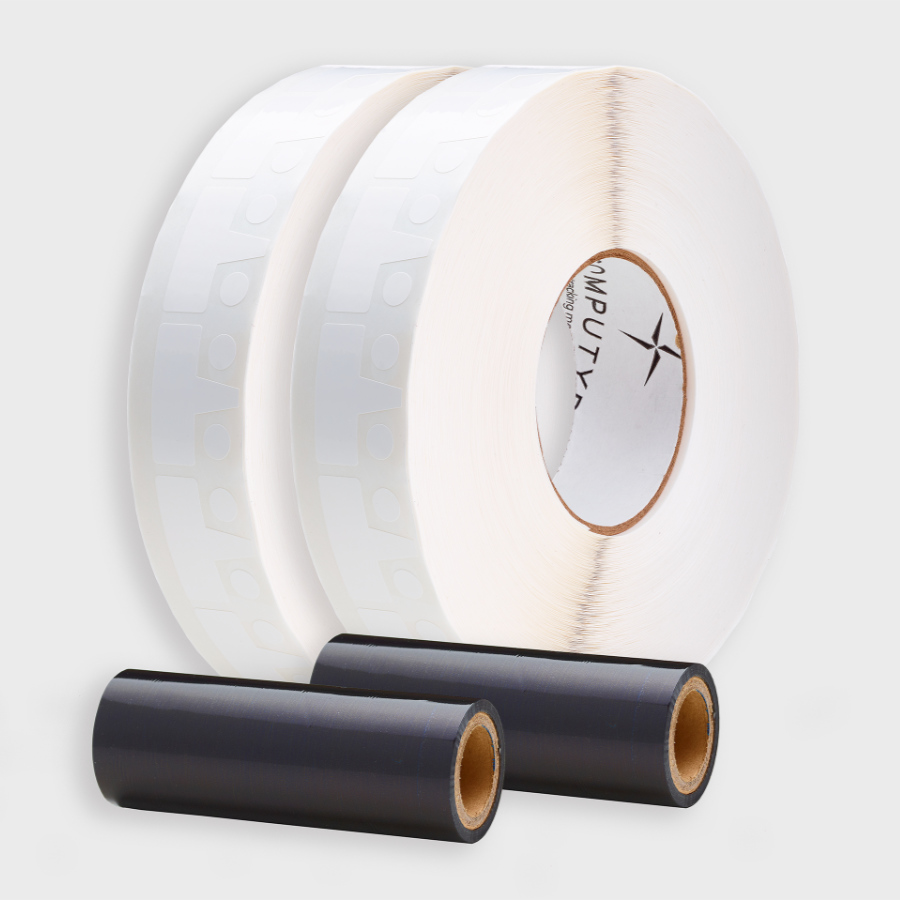
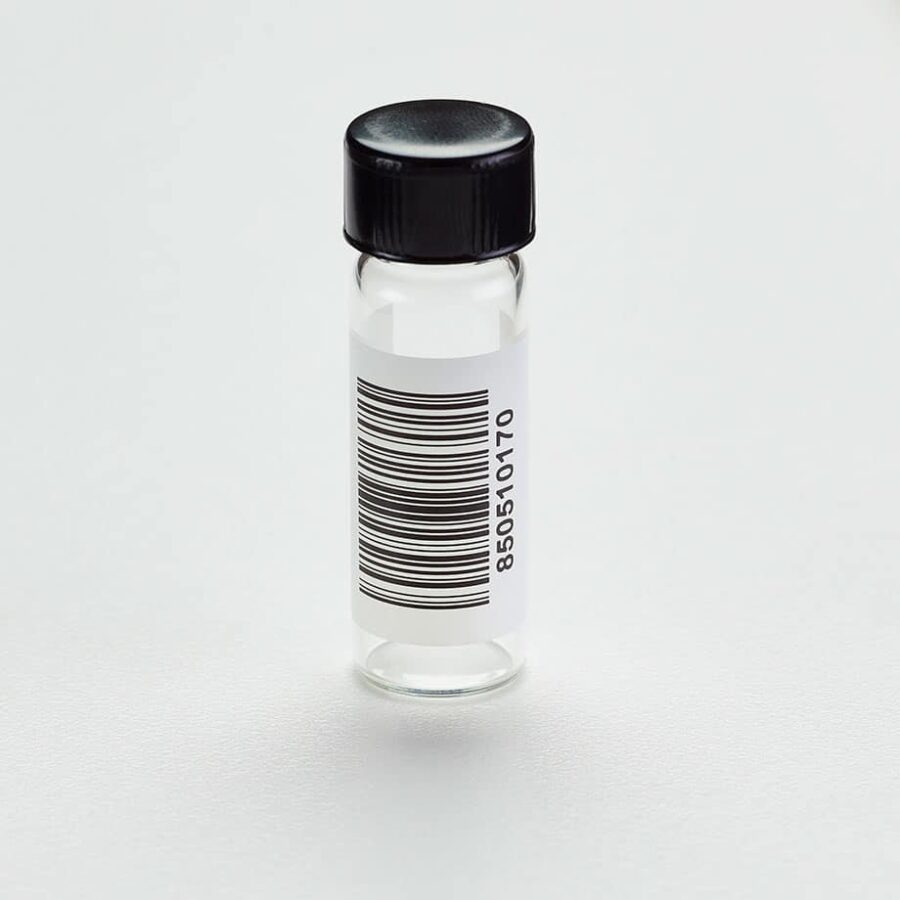
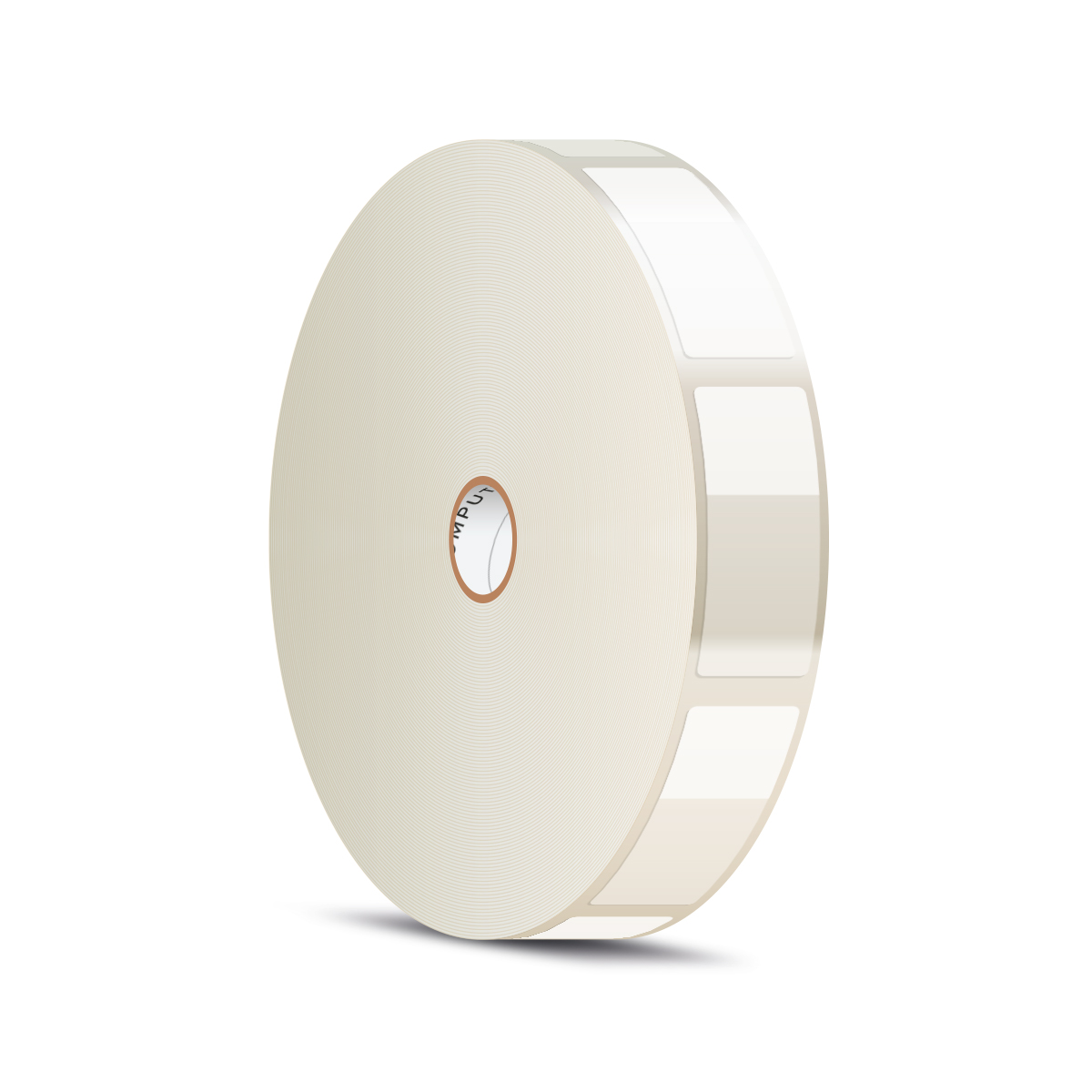
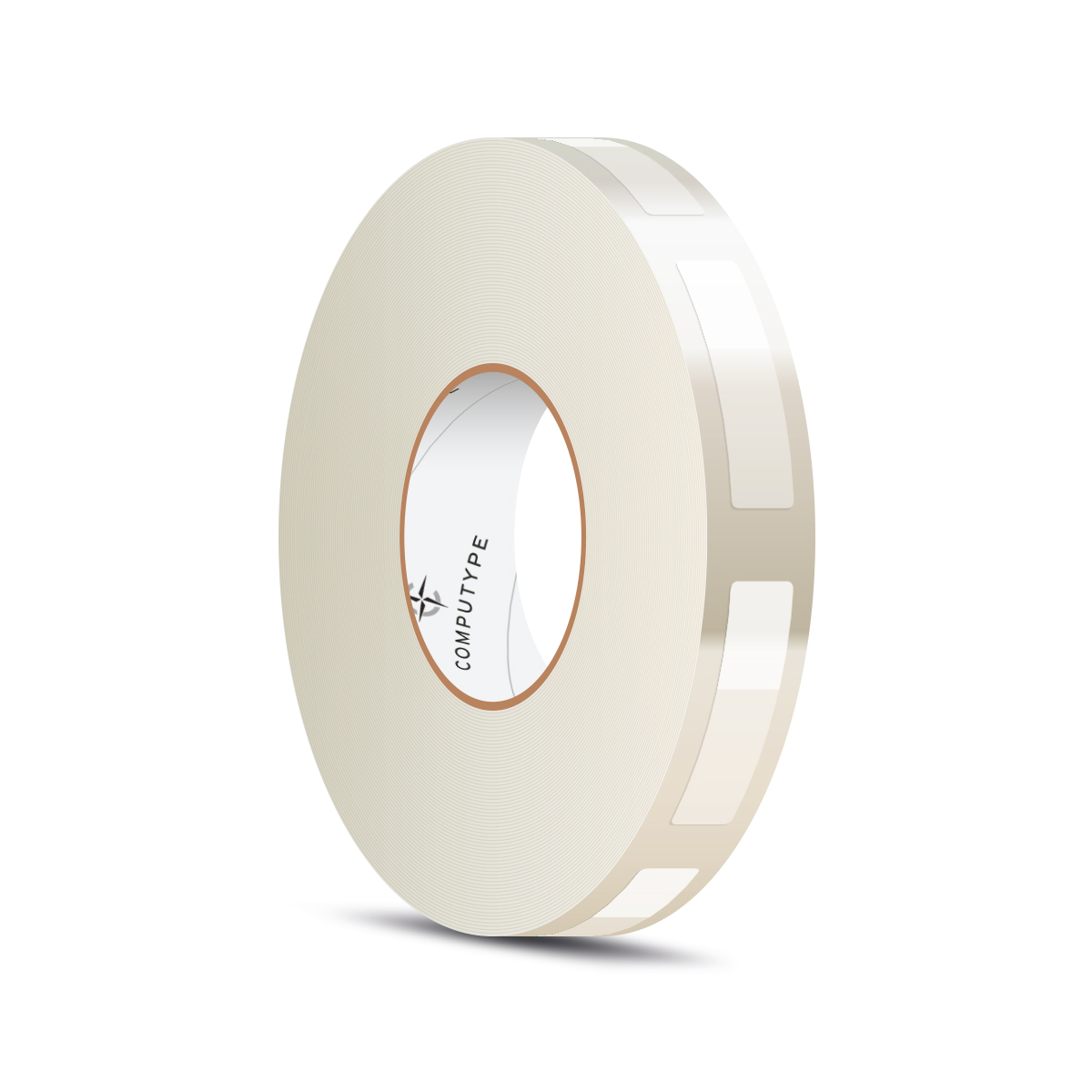
Wrap-around cryo labels are engineered for tube and vial identification in the most demanding environments, including direct exposure to liquid nitrogen at –196 °C. A 360° self-laminating overwrap protects the printed image and secures the label to itself, creating a durable identification layer that standard adhesive labels cannot match.
This construction delivers exceptional resistance to abrasion, chemicals, and handling damage, making these labels ideal for biobanks, pharmaceutical storage, chemical research, and long-term sample tracking. As a print-on-demand solution, wrap-around labels represent the highest level of durability achievable without moving to pre-printed labels or direct marking.
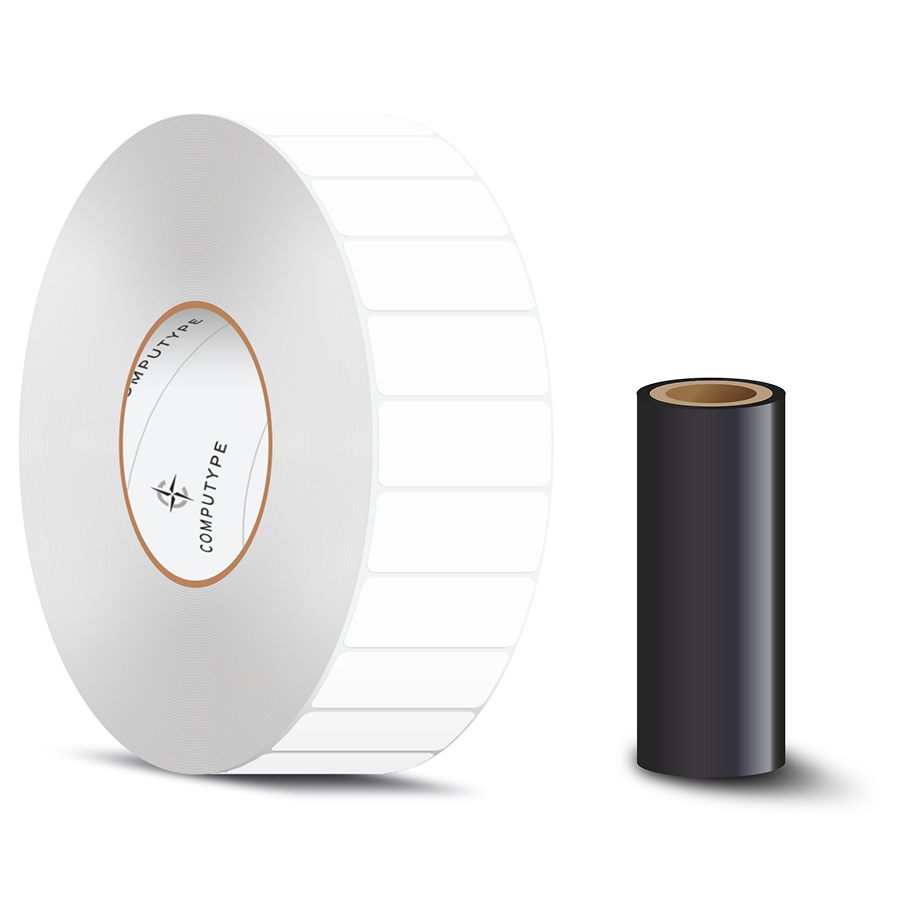
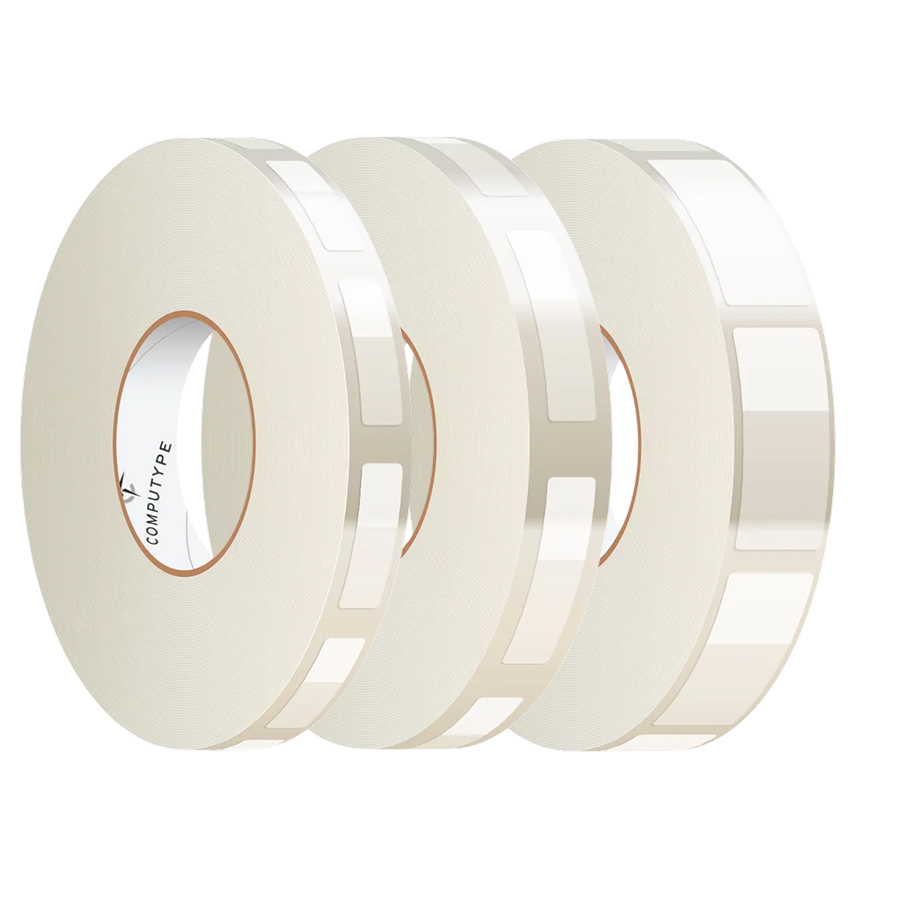
Polypropylene wrap-around labels are engineered for tube and vial identification in cryogenic environments, including liquid nitrogen storage down to –196 °C. A permanent acrylic adhesive secures the label to the container, while a self-laminating overwrap protects the printed image and bonds the label to itself. Select configurations with a 3″ printer core support automated application, while all versions preserve adhesion, legibility, and durability under extreme cold, chemical exposure, and repeated handling.
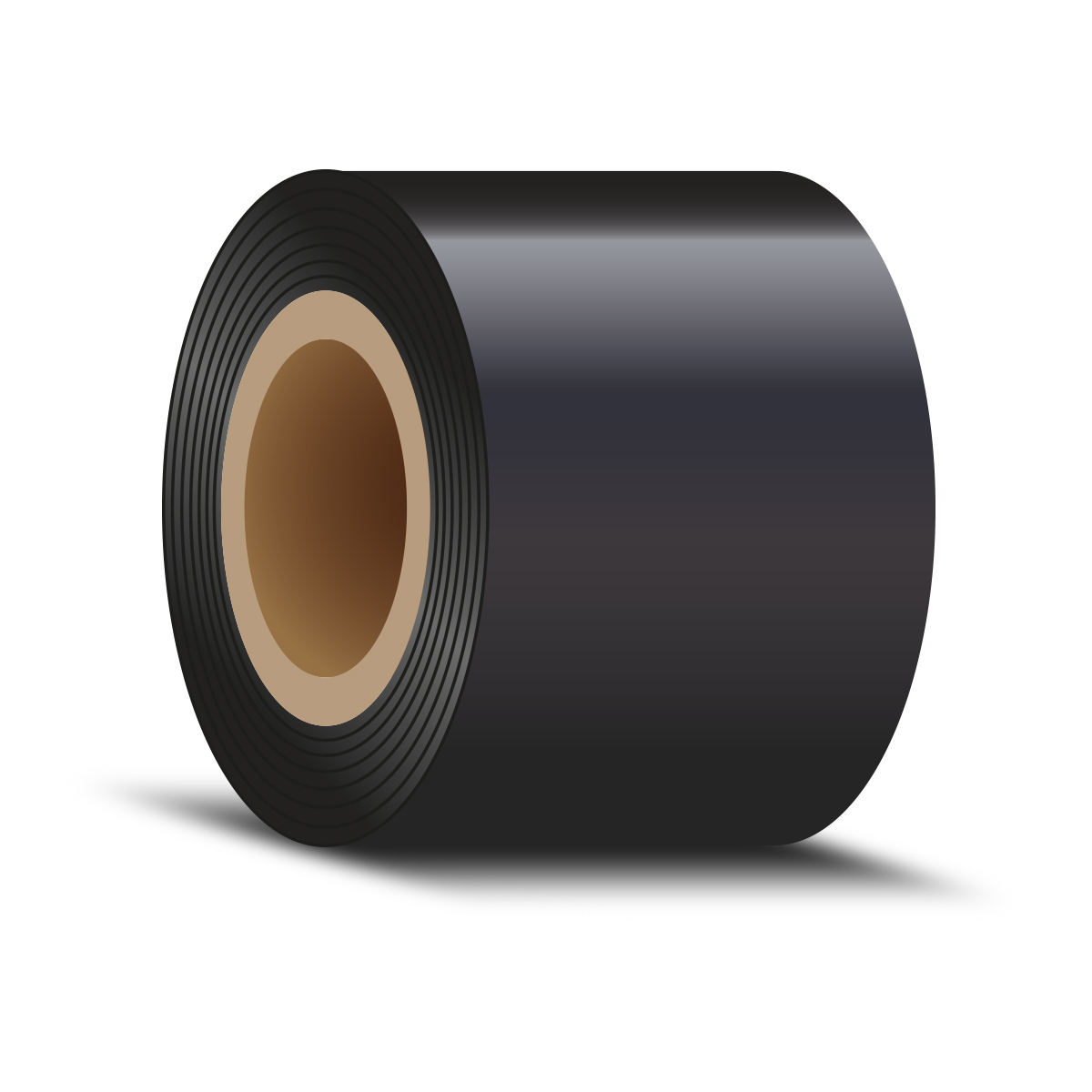
A compatible resin thermal-transfer ribbon is included because print durability depends on matching the label surface, ribbon formulation, and printer output as a system. Incompatible ribbons can lead to weak images, abrasion, or chemical damage, even when the label itself remains intact. This ribbon is selected to bond cleanly to the top-coated surface and remain sealed beneath the self-laminating overwrap, producing dense, long-lasting barcodes and text for reliable sample tracking in cryogenic and chemical environments.
Applies at –5 °C (23 °F) and remains stable down to –196 °C (–320 °F) in liquid nitrogen environments.
Clear laminate wraps completely over the printed area, sealing the image and anchoring the label to itself.
Self-laminating construction delivers the strongest abrasion and chemical resistance achievable without pre-printing or direct marking.
Wrap-around labels are designed to solve the durability limits of standard pressure-sensitive labels. By combining a permanent adhesive layer with a self-laminating overwrap, this construction protects the printed image and secures the label to itself, not just the tube or vial surface.
Each layer of the label is selected to withstand extreme cold, chemical exposure, and mechanical wear, making wrap-around labels the most durable print-on-demand option for tube identification. The sections below break down how materials, construction, and protective layers work together to deliver reliable performance in both cryogenic and non-cryo laboratory environments.
The wrap-around label construction is engineered for direct exposure to liquid nitrogen at –196 °C. By securing the label to itself rather than relying solely on adhesive contact with the tube or vial, the design maintains integrity under extreme cryogenic conditions. When fully wrapped, the label delivers reliable performance beyond standard pressure-sensitive cryo labels.
The clear laminate overwrap protects the printed image from chemical exposure common in laboratory workflows. By sealing the image beneath a laminate cover, the label resists degradation from solvents such as DMSO, methanol, and xylene. This protection helps preserve barcode readability in both cryogenic and non-cryo environments.
Tube and vial labels are exposed to friction, scraping, and repeated handling during storage, retrieval, and transport. The self-laminating overwrap shields the printed area from scuffing caused by racks, freezer boxes, and gloved handling. This abrasion resistance helps maintain legibility and identification accuracy over long-term use.
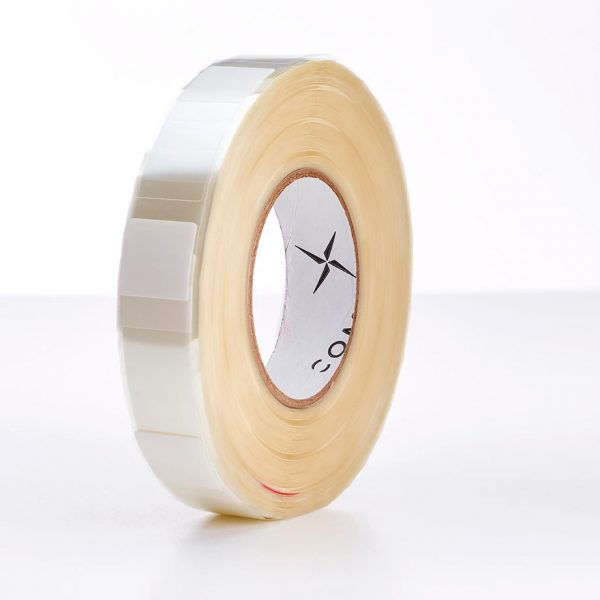
A top-coated polypropylene face stock provides excellent clarity, ink adhesion, and moisture resistance for tube and vial identification. The topcoat is engineered to accept resin thermal-transfer ink, producing dense, high-contrast barcodes and text. This face stock remains stable under cryogenic, chemical, and handling stress while maintaining legibility.
A permanent acrylic adhesive is used to deliver secure, long-term bonding on common tube and vial materials. The adhesive supports application temperatures down to –5 °C (23 °F) and maintains adhesion through cryogenic storage and routine handling. When combined with the wrap-around construction, the adhesive contributes to reliable performance in both cryo and non-cryo workflows.
The self-laminating overwrap is the defining feature of this label construction. After application, a clear polypropylene laminate wraps over the printed area and bonds to the label itself, sealing the image beneath a protective layer. This design provides exceptional resistance to abrasion, chemicals, and handling damage, and enables reliable performance in liquid nitrogen environments down to –196 °C (–320 °F) when fully wrapped.
A compatible resin thermal-transfer ribbon is included because print durability depends on matching the label surface, ribbon formulation, and printer output as a system. The resin ink bonds to the top-coated face stock and is then sealed beneath the laminate, protecting the image from chemical exposure, abrasion, and cryogenic stress. Using a matched ribbon ensures reliable barcode quality and long-term readability.
Label materials comply with FDA 21 CFR 175.105 requirements for indirect contact applications and align with RoHS 2011/65/EU restrictions on hazardous substances. These standards support use in regulated laboratory environments. REACH and SVHC status can be confirmed upon request to meet additional compliance requirements.

Have questions? We’re here to help.
Contact us to connect with a specialist who understands your industry and can provide the right solutions for your business. Let’s start a conversation.
Take advantage of our volume discounts for bulk orders. Reach out to us for a personalized quote tailored to your needs.
"*" indicates required fields