$0.00
0

Due to the complexities and customizations required to realize the maximum return on an RFID solution, it’s important to view implementation as a step-by-step process rather than a one-off event.

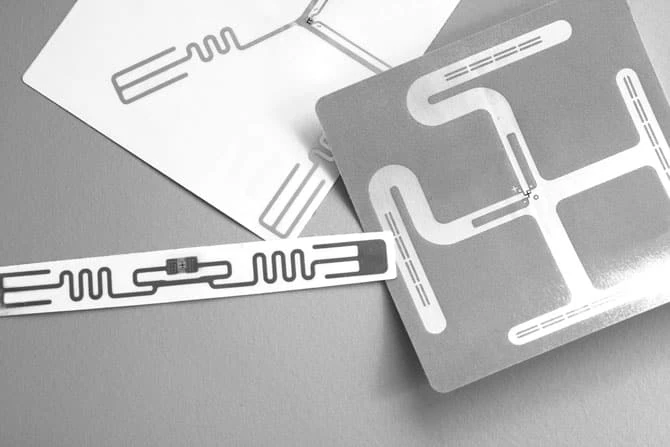
RFID integration involves a lot more than just adding inlays to labels, you will need readers to interrogate the labels, and software to translate and encode the stored information. You’ll also need to be sure to choose the right type of label structure and RFID technology to withstand your practices and environment.

With so much going into building an RFID strategy and the corresponding infrastructure, implementing RFID tends to be a much larger investment than a barcode strategy. Anytime you’re making a big investment you want to ensure it will meet your needs and expectations. In order to do so with RFID you need to allow enough time to follow each of the most critical steps to your implementation success.

We’ve broken down the RFID implementation process into the following eight steps that we feel are most critical to the success of any RFID implementation plan to help you better gauge the importance of each step to the success of your final RFID solution. This process will take time, but it’s time well spent when your final RFID system is tailored to meet your specific needs.

1. Review

The review stage requires those team members who are most familiar with the current state of the processes you want to improve with RFID. This group generally includes operations, subject matter experts, and anyone else who will be impacted by modified workflows. Your integration partner should also be included in this part of the process since their familiarity with RFID technology will help them identify roadblocks and opportunities for improvement where your team might not be able to.

The main focus of this stage is data collection and operational intelligence. It’s during this stage that important environmental hurdles and expected interference materials are documented. By documenting this type of information your RFID integration partner can help you find solutions to interference related issues.

2. Analysis

Analysis is the stage in which the data collected from the review phase is broken down and the highest priority projects are identified. Depending on the application, the priorities may be defined very differently.

For example, in an application where the most important factor is innovation rather than operational efficiencies, the priority may be a solution that provides a platform for innovative features as opposed to workflow/automation improvement. In an environment where data security is critical, the ability to encrypt stored and transmitted data may be the top priority.

The analysis team will generally be comprised of those with a vision of the ideal future state. This may involve operations, product managers, or marketing depending on the application and priorities.

3. Scoping

The Scoping stage is generally the third stage of the implementation process. During this stage the collected data is further reviewed and segmented to prepare for design.

A rough timeline is created at this point focusing primarily on the priority items and making room for additional steps that may have been identified during further review. It is also during this phase where the question should be answered β€œWhat defines success?” Being able to place parameters and measurements around this simple question is critical to the implementation of an RFID solution as your RFID solution may be subject to change during the testing and piloting phases.

4. Design

At this stage, the initial solution is designed to accommodate the needs recognized during all previous stages. Depending on your needs, the solution may include hardware, software, and services alongside the consumable RFID labels.

Also during the design phase, the test plan is generated based on the unique challenges your facility faces and shared with the stakeholders.

5. Testing

Testing involves methodically walking through the application of the design. Within testing, it is important to isolate the variables of the overall system (such as printing, environmental material exposure, antenna range, etc.) essentially mimicking the real world application. Once the individual parts of the solution pass initial testing, the solution can then be put together to perform end-to-end testing.

6. Pilot

After initial testing is completed, running a pilot allows for system modification before rolling out the final solution. The pilot program requires running end-to-end in the same manner the solution will be used in the real world, but with a subset of jobs or processes to provide feedback and ensure the solution is ready for implementation.

If issues are noted during the pilot process the solution may jump back to the design step for some fine tuning. If the pilot looks great on the first run, then you and your integration partner can move right on to the next step.

7. Implementation

Implementation is the full launch of the RFID solution. It is at this point, the solution should have passed all requirements and qualifications in both the initial testing phase and the pilot program.

This step not only includes the physical implementation of the solution, but also employee training. This step can take time, especially as employees grow used to their new workflow.

8. Retrospective

An important, but often overlooked step in any RFID solution project is a retrospective. It is critical to take the data procured during the process and review it to determine if the project suffered scope creep, review the hurdles encountered during the process, and measure the overall success of the project.

Like any other large investment, you want to be sure you will see a return on your RFID investment. Although there is no single trick to ensure your implementation will go completely as planned you can reduce risk when you take the time to search for the right partner, invest in the right tools to build your infrastructure and walk through each step in the RFID implementation process.

Working with a partner who will visit your site to review and analyze your processes and environment then build, test and pilot a design tailored to your needs will ensure your RFID solution is built to withstand your unique conditions. Once you begin implementing your solution you should take time to reflect on how well the system is working with your processes, infrastructure and employees.

Walking through each step in this process allows you to reduce the risk involved in your investment, plan for the future and continuously improve your processes.

8 Steps to Ensure You Get the Most Out of Your RFID Strategy

Due to the complexities and customizations required to realize the maximum return on an RFID solution, it’s important to view implementation as a step-by-step process rather than a one-off event.

RFID integration involves a lot more than just adding inlays to labels, you will need readers to interrogate the labels, and software to translate and encode the stored information. You’ll also need to be sure to choose the right type of label structure and RFID technology to withstand your practices and environment.

With so much going into building an RFID strategy and the corresponding infrastructure, implementing RFID tends to be a much larger investment than a barcode strategy. Anytime you’re making a big investment you want to ensure it will meet your needs and expectations. In order to do so with RFID you need to allow enough time to follow each of the most critical steps to your implementation success.

We’ve broken down the RFID implementation process into the following eight steps that we feel are most critical to the success of any RFID implementation plan to help you better gauge the importance of each step to the success of your final RFID solution. This process will take time, but it’s time well spent when your final RFID system is tailored to meet your specific needs.

1. Review

The review stage requires those team members who are most familiar with the current state of the processes you want to improve with RFID. This group generally includes operations, subject matter experts, and anyone else who will be impacted by modified workflows. Your integration partner should also be included in this part of the process since their familiarity with RFID technology will help them identify roadblocks and opportunities for improvement where your team might not be able to.

The main focus of this stage is data collection and operational intelligence. It’s during this stage that important environmental hurdles and expected interference materials are documented. By documenting this type of information your RFID integration partner can help you find solutions to interference related issues.

2. Analysis

Analysis is the stage in which the data collected from the review phase is broken down and the highest priority projects are identified. Depending on the application, the priorities may be defined very differently.

For example, in an application where the most important factor is innovation rather than operational efficiencies, the priority may be a solution that provides a platform for innovative features as opposed to workflow/automation improvement. In an environment where data security is critical, the ability to encrypt stored and transmitted data may be the top priority.

The analysis team will generally be comprised of those with a vision of the ideal future state. This may involve operations, product managers, or marketing depending on the application and priorities.

3. Scoping

The Scoping stage is generally the third stage of the implementation process. During this stage the collected data is further reviewed and segmented to prepare for design.

A rough timeline is created at this point focusing primarily on the priority items and making room for additional steps that may have been identified during further review. It is also during this phase where the question should be answered β€œWhat defines success?” Being able to place parameters and measurements around this simple question is critical to the implementation of an RFID solution as your RFID solution may be subject to change during the testing and piloting phases.

4. Design

At this stage, the initial solution is designed to accommodate the needs recognized during all previous stages. Depending on your needs, the solution may include hardware, software, and services alongside the consumable RFID labels.

Also during the design phase, the test plan is generated based on the unique challenges your facility faces and shared with the stakeholders.

5. Testing

Testing involves methodically walking through the application of the design. Within testing, it is important to isolate the variables of the overall system (such as printing, environmental material exposure, antenna range, etc.) essentially mimicking the real world application. Once the individual parts of the solution pass initial testing, the solution can then be put together to perform end-to-end testing.

6. Pilot

After initial testing is completed, running a pilot allows for system modification before rolling out the final solution. The pilot program requires running end-to-end in the same manner the solution will be used in the real world, but with a subset of jobs or processes to provide feedback and ensure the solution is ready for implementation.

If issues are noted during the pilot process the solution may jump back to the design step for some fine tuning. If the pilot looks great on the first run, then you and your integration partner can move right on to the next step.

7. Implementation

Implementation is the full launch of the RFID solution. It is at this point, the solution should have passed all requirements and qualifications in both the initial testing phase and the pilot program.

This step not only includes the physical implementation of the solution, but also employee training. This step can take time, especially as employees grow used to their new workflow.

8. Retrospective

An important, but often overlooked step in any RFID solution project is a retrospective. It is critical to take the data procured during the process and review it to determine if the project suffered scope creep, review the hurdles encountered during the process, and measure the overall success of the project.

Like any other large investment, you want to be sure you will see a return on your RFID investment. Although there is no single trick to ensure your implementation will go completely as planned you can reduce risk when you take the time to search for the right partner, invest in the right tools to build your infrastructure and walk through each step in the RFID implementation process.

Working with a partner who will visit your site to review and analyze your processes and environment then build, test and pilot a design tailored to your needs will ensure your RFID solution is built to withstand your unique conditions. Once you begin implementing your solution you should take time to reflect on how well the system is working with your processes, infrastructure and employees.

Walking through each step in this process allows you to reduce the risk involved in your investment, plan for the future and continuously improve your processes.

0
    0
    Your Cart
    Your cart is emptyReturn to Shop

    High-impact belt branding with pre-printed films.

    Pre-printed belt marking films deliver bold, consistent branding and high-resolution graphics across repeat manufacturing applications. These solutions support detailed imagery, precise color matching, and uniform visual presentation for product lines requiring fixed branding, standardized identification, and elevated product appearance.

    Professionally printed high-resolution rubber belt branding films.

    Pre-printed belt marking films support more detailed and visually controlled designs than standard ribbon-based marking systems. These solutions enable complex graphics, consistent color reproduction, and elevated product presentation across repeat manufacturing applications.

    photorealistic graphics

    High-resolution printing supports detailed imagery, gradients, and complex visual elements beyond the capabilities of standard ribbon-based marking systems

    custom color matching

    Match specific brand colors and visual standards across belt product lines, packaging systems, and broader manufacturing identification programs

    consistent production

    Pre-printed films maintain uniform logos, layouts, and visual presentation across large production volumes and repeat manufacturing applications

    Pre-printed films are commonly used for permanent logos, product branding, belt sizes, standardized identifiers, and highly detailed visual designs. Advanced printing capabilities support precise color control, sharp graphic definition, and complex imagery that extends beyond standard ribbon-based marking.

    Print belt marking films with critical production data.

    Print-on-demand belt marking gives manufacturers the flexibility to apply critical production data directly within active manufacturing workflows. These systems support information that cannot be predefined, including slab location codes, manufacturer dates, lot information, production identifiers, and changing product data across belt runs and manufacturing environments.

    A simple setup can integrate real-time labeling directly into your workflow.

    durable films

    Start with blank transfer films engineered for durable rubber belt marking.

    label software

    Create belt marking formats using label design and barcode software.

    compatible ribbons

    Use included thermal transfer ribbons to produce durable vibrant labels.

    industrial printers

    Use an industrial thermal transfer printer engineered for high duty cycles.

    Print-on-demand systems are designed for manufacturing environments where belt information changes continuously throughout production. Rather than relying on fixed inventory or pre-printed stock, these systems support dynamic marking requirements tied to production scheduling, traceability, and operational control.

    Reduce operational complexity with pre-printed labels.

    Use pre-printed warehouse labels to apply location IDs, pallet labels, and sequential label sets without managing printing in-house. This path works best when your data is defined and your warehouse layout follows a structured system.

    A simple setup can integrate real-time labeling directly into your workflow.

    Plan your labeling system in advance, then receive labels ready to apply across your warehouse. This approach shifts the work from daily printing to upfront setup and production.

    consistency at scale

    Apply the same label formats, barcodes, and ID structures across racks, pallets, and storage locations without variation.

    efficient operations

    Eliminate the need for printers, ribbons, software, and label inventory by using labels that arrive ready to apply and scan.

    sequence management

    Use sequential beam labels and serialized label sets to maintain ordered location IDs and guarantee no duplicates.

    Use pre-printed labels when your warehouse layout is defined, your location IDs are established, and you need consistent labeling across large areas or multiple facilities. This approach supports structured storage systems, standardized pallet tracking, and efficient label rollout.

    Print labels when inventory data changes in real time.

    Print warehouse labels in-house to create location IDs, pallet labels, and LPN labels as your warehouse changes. This path gives you direct control over how labels are created, updated, and applied across racks, bins, totes, and pallets.

    A simple setup can integrate real-time labeling directly into your workflow.

    durable labels

    Start with blank label stock engineered for racks, bins, totes, and pallets.

    label software

    Create warehouse label formats using label design and barcode software.

    compatible ribbons

    Use included thermal transfer ribbons to produce durable barcode labels.

    label printers

    Use a thermal transfer printer designed for warehouse label printing and daily use.

    Use print-on-demand labels when your warehouse layout changes, your team manages location IDs internally, or you need labels immediately without waiting on production. This approach supports flexible workflows, evolving storage systems, and real-time pallet and container tracking.

    Receive pre-barcoded tubes immediately ready-to-use.

    Receive tubes and vials with identifiers already applied through direct marking or integrated labeling. Eliminate labeling steps entirely while ensuring durable, consistent identification across storage, handling, and laboratory workflows.

    Pre-barcoded tubes for extreme durability and precision placement.

    Pre-barcoded labware removes labeling from your workflow entirely. Tubes arrive ready to use with verified identifiers, supporting faster processing, reduced handling, and consistent sample identification across storage and laboratory operations.

    consistency at scale

    Use pre-verified barcodes and markings to ensure consistent, accurate sample identification across all tubes and batches.

    efficient lab management

    Eliminate labeling steps and reduce manual handling during sample collection, processing, and storage workflows.

    labware prepβ„’ services

    Receive labware sorted, packaged, and prepared to match your workflow, including options like tare weighing and kit assembly.

    Pre-barcoded labware fits high-throughput environments where labeling becomes a bottleneck or source of error. This includes biobanks managing large sample collections, clinical labs processing high volumes of patient samples, and research or CRO environments running automated or repeatable workflows where speed, consistency, and reduced handling drive efficiency and data integrity.

    Order pre-printed tube labels for guaranteed accuracy.

    Get tube labels professionally printed with controlled data, advanced converting, and durable materials. Eliminate in-house printing while ensuring every label meets performance requirements for laboratory use, including chemical exposure, handling, and storage conditions.

    Professionally printed laboratory tube labels for custom, sequential labels.

    Pre-printed labeling combines controlled printing, advanced converting, and durable materials to deliver consistent, ready-to-use tube labels. This approach removes variability from in-house printing and ensures every label meets your requirements for data accuracy and performance.

    unique ids

    Receive pre-printed labels with guaranteed unique barcode sequences, controlled serialization, and validated data across batches and production runs.

    custom design

    Use custom colors to organize samples, differentiate workflows, and improve visual identification across racks, boxes, and storage systems.

    durable finishing

    Use engineered label constructions with precoats and topcoats that improve resistance to chemicals, moisture, and routine laboratory handling.

    Pre-printed labeling fits laboratories that manage high volumes of consistent samples and require controlled, repeatable identification. This includes clinical labs processing patient samples, diagnostic labs running standardized assays, and research labs preparing large batches of tubes for studies or long-term storage where data does not change.

    Print tube labels on demand with real-time data.

    Print tube labels as needed using live data from laboratory systems. Generate labels during sample collection, aliquoting, or processing, with unique identifiers, timestamps, and variable data applied at the point of use. This approach supports workflows where sample data changes frequently or requires immediate, accurate identification.

    A simple setup can integrate real-time labeling directly into your workflow.

    Set up a complete labeling workflow using the right materials and equipment to print and apply labels directly during laboratory processes.

    durable labels

    Start with blank label stock engineered for small diameter tubes and vials.

    label printers

    Print high-resolution barcodes and text for small-format tube labels.

    compatible ribbons

    Use included thermal transfer ribbons to produce durable barcode labels.

    tube labelers

    Integrate tube label applicators for automated print-and-apply labeling.

    Print-on-demand labeling fits laboratories that generate or modify sample data in real time. This includes research labs, clinical labs, and diagnostic environments where samples are collected, processed, and labeled on demand, and where workflows require immediate identification without waiting for pre-printed labels.

    Use pre-barcoded microplates for ready-to-use identification.

    Receive microplates with identifiers already applied, eliminating labeling steps during plate setup and processing. Ensure consistent, durable identification across assays, screening, and storage while reducing manual handling and improving workflow efficiency.

    Pre-barcoded microplates for ultimate laboratory efficiency.

    Pre-barcoded microplates arrive ready to use with verified identifiers applied before delivery. This approach removes labeling from your workflow and ensures consistent identification across plate handling, processing, and storage environments.

    laboratory efficiency

    Eliminate labeling steps during plate setup, loading, and processing workflows.

    consistent identification

    Use pre-verified plate IDs to maintain accuracy across batches and screening runs.

    integrated services

    Receive plates sorted, kitted, or prepared to match assay workflows and laboratory processes.

    Pre-barcoded microplates fit high-throughput environments where plates move rapidly through automated workflows and labeling can create delays or variability. This includes automated screening facilities, compound and plate libraries, and CROs running large-scale studies, as well as core labs managing shared plate resources where speed, consistency, and reduced handling drive efficiency and improve data integrity.

    Order pre-printed microplate labels with consistent accuracy.

    Get microplate labels professionally printed with controlled data, advanced converting, and durable materials. Ensure consistent plate identification across batches while eliminating in-house printing and reducing variability in labeling for assays, screening, and high-throughput workflows.

    Professionally printed custom microplate labels.

    Pre-printed plate labels combine controlled printing, advanced converting, and durable materials to deliver consistent, ready-to-use identification. This approach ensures every plate label meets requirements for data accuracy, layout consistency, and performance across handling and processing.

    unique ids

    Receive pre-printed plate labels with guaranteed unique IDs, controlled sequencing, and validated data across batches and runs.

    custom design

    Use color coding to differentiate assays, plate types, or workflows and improve visual organization across plate libraries.

    durable finishing

    Use engineered label constructions that resist chemicals, handling, and environmental exposure during plate processing and storage.

    Pre-printed labeling fits laboratories that run standardized plate workflows with fixed data structures. This includes screening labs running standardized assays, diagnostic labs processing consistent plate formats, and research environments where plate layouts and identifiers remain consistent across runs.

    Print microplate labels on demand with real-time data.

    Print microplate labels as needed using live data from laboratory systems. Generate labels during plate setup, sample loading, or assay preparation, with well IDs, plate IDs, and variable data applied at the point of use. This approach supports workflows where plate data changes frequently or requires immediate, accurate identification.

    A simple setup can integrate real-time labeling directly into your workflow.

    durable labels

    Blank plate labels designed for small formats, flat surfaces, and secure adhesion on plates.

    label printers

    Print high-resolution barcodes and text for plate IDs and sample tracking.

    compatible ribbons

    Thermal transfer ribbons produce durable images resistant to chemicals, moisture, and handling.

    microplate labelers

    Apply labels consistently to plates during setup or automated workflows.

    Print-on-demand labeling fits laboratories that generate or update plate data in real time. This includes screening labs, genomics workflows, and assay development environments where plates are created, modified, and labeled during processing, and where accurate, immediate identification is required.

    Print blood bag labels at collection points.

    Print blood bag labels as needed using live data from blood bank systems. Generate labels during collection, component processing, or labeling steps, with donation identification numbers, product codes, and variable data applied at the point of use. This approach supports workflows where blood data updates in real time and requires immediate, accurate identification.

    A simple setup can integrate real-time labeling directly into your workflow.

    Set up a complete labeling workflow using the right materials and equipment to print and apply labels directly during blood collection, component processing, and blood bank handling workflows.

    durable labels

    Start with blank label stock engineered for flexible PVC blood bags.

    label printers

    Print high-resolution barcodes and text for complex blood label layouts.

    compatible ribbons

    Use included thermal transfer ribbons to produce durable barcode labels.

    label software

    Integrate barcode software to generate ISBT 128 labels and DIN data.

    Print-on-demand labeling fits blood banks and collection centers that generate or update donation data in real time. This includes blood collection sites, processing labs, and transfusion services where blood bags are labeled on demand, and workflows require immediate, accurate identification without relying on pre-printed labels.

    Control blood bag labeling with pre-printed formats.

    Get blood bag labels professionally printed with controlled data, advanced converting, and durable materials. Eliminate in-house printing while ensuring every label meets performance requirements for blood bank use, including handling, cold storage, and transfusion.

    Guarantee no duplicates with professionally printed blood bag labels.

    Pre-printed labeling combines controlled printing, advanced converting, and durable materials to deliver consistent, ready-to-use blood bag labels. This approach removes variability from in-house printing and ensures every label meets requirements for DIN accuracy, barcode performance, and reliable identification across blood bank workflows.

    consistency at scale

    Receive pre-printed labels with guaranteed unique DIN sequences, controlled serialization, and validated data across batches and production runs.

    accurate din formats

    Maintain consistent DIN formats to ensure accurate identification across blood bags, segments, and associated components.

    durable finsihing

    Use engineered label constructions designed to resist edge lift, moisture, and routine handling, helping maintain adhesion and readability throughout blood collection.

    Pre-printed labeling fits blood banks and collection centers that manage high volumes of donations and require controlled, repeatable identification. This includes blood collection sites, processing facilities, and transfusion services where standardized labeling, consistent DIN assignment, and stable data support efficient, validated workflows without frequent changes.

    Support accurate workflows with real-time labeling.

    In laboratory environments, data often isn’t final until the last momentβ€”at the bench, at the instrument, or during sample handling. Printing labels on demand helps ensure each tube or vial reflects the most accurate information, while fitting naturally into the way your work actually happens.

    Support accurate workflows with real-time labeling.

    In laboratory environments, data often isn’t final until the last momentβ€”at the bench, at the instrument, or during sample handling. Printing labels on demand helps ensure each tube or vial reflects the most accurate information, while fitting naturally into the way your work actually happens.

    A simple setup can integrate real-time labeling directly into your workflow.

    In laboratory environments, data often isn’t final until the last momentβ€”at the bench, at the instrument, or during sample handling. Printing labels on demand helps ensure each tube or vial reflects the most accurate information, while fitting naturally into the way your work actually happens.

    compatible ribbons

    Compatible resin ribbons ensuring clear, durable print for barcodes and text

    compatible ribbons

    Compatible resin ribbons ensuring clear, durable print for barcodes and text

    In laboratory environments, data often isn’t final until the last momentβ€”at the bench, at the instrument, or during sample handling. Printing labels on demand helps ensure each tube or vial reflects the most accurate information, while fitting naturally into the way your work actually happens.

    Support accurate workflows with real-time labeling.

    In laboratory environments, data often isn’t final until the last momentβ€”at the bench, at the instrument, or during sample handling. Printing labels on demand helps ensure each tube or vial reflects the most accurate information, while fitting naturally into the way your work actually happens.

    A simple setup can integrate real-time labeling directly into your workflow.

    compatible ribbons

    Compatible resin ribbons ensuring clear, durable print for barcodes and text

    compatible ribbons

    Compatible resin ribbons ensuring clear, durable print for barcodes and text

    compatible ribbons

    Compatible resin ribbons ensuring clear, durable print for barcodes and text

    compatible ribbons

    Compatible resin ribbons ensuring clear, durable print for barcodes and text

    In laboratory environments, data often isn’t final until the last momentβ€”at the bench, at the instrument, or during sample handling. Printing labels on demand helps ensure each tube or vial reflects the most accurate information, while fitting naturally into the way your work actually happens.

    Support accurate workflows with real-time labeling.

    In laboratory environments, data often isn’t final until the last momentβ€”at the bench, at the instrument, or during sample handling. Printing labels on demand helps ensure each tube or vial reflects the most accurate information, while fitting naturally into the way your work actually happens.

    A simple setup can integrate real-time labeling directly into your workflow.

    In laboratory environments, data often isn’t final until the last momentβ€”at the bench, at the instrument, or during sample handling. Printing labels on demand helps ensure each tube or vial reflects the most accurate information, while fitting naturally into the way your work actually happens.

    durable labels

    Durable labels that stay attached through handling, storage, or cryogenic conditions

    compatible ribbons

    Compatible resin ribbons ensuring clear, durable print for barcodes and text

    reliable printer

    Compact, consistent, durable thermal transfer printing at the point of use

    label software

    Label management software to format labels and connect to sample data or LIMS

    In laboratory environments, data often isn’t final until the last momentβ€”at the bench, at the instrument, or during sample handling. Printing labels on demand helps ensure each tube or vial reflects the most accurate information, while fitting naturally into the way your work actually happens.

    Request a quote

    Take advantage of our volume discounts for bulk orders. Reach out to us for a personalized quote tailored to your needs.

    "*" indicates required fields

    This field is for validation purposes and should be left unchanged.