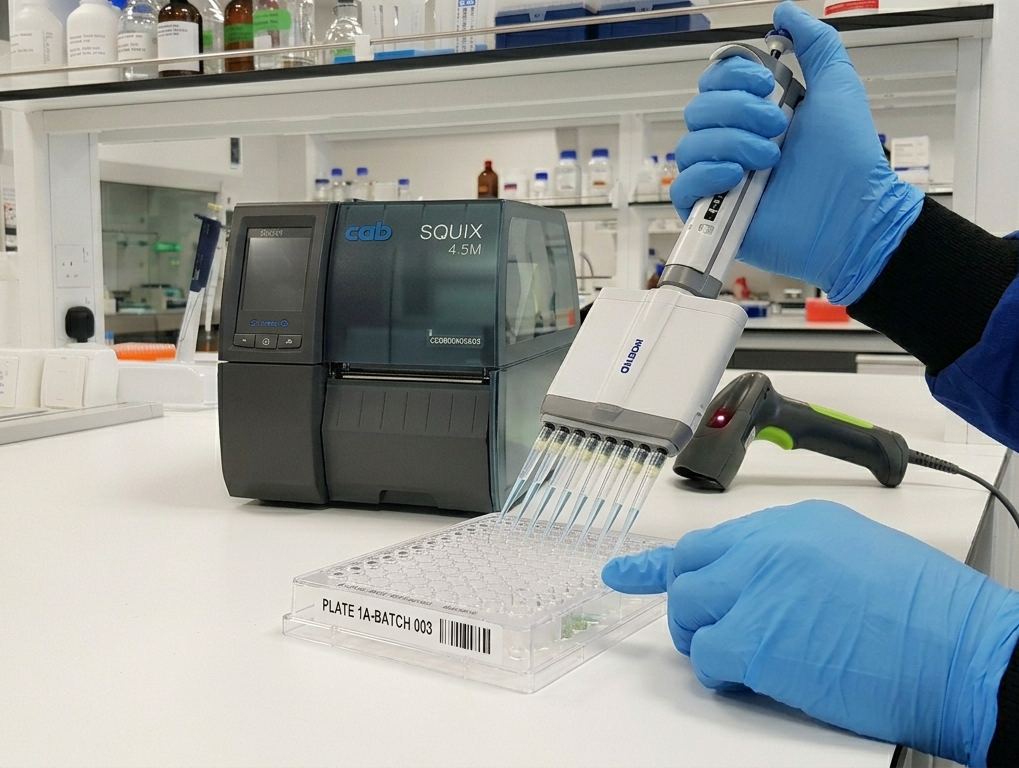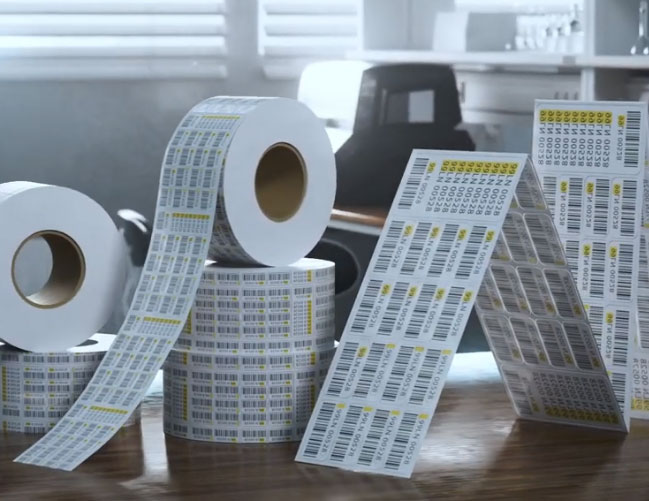
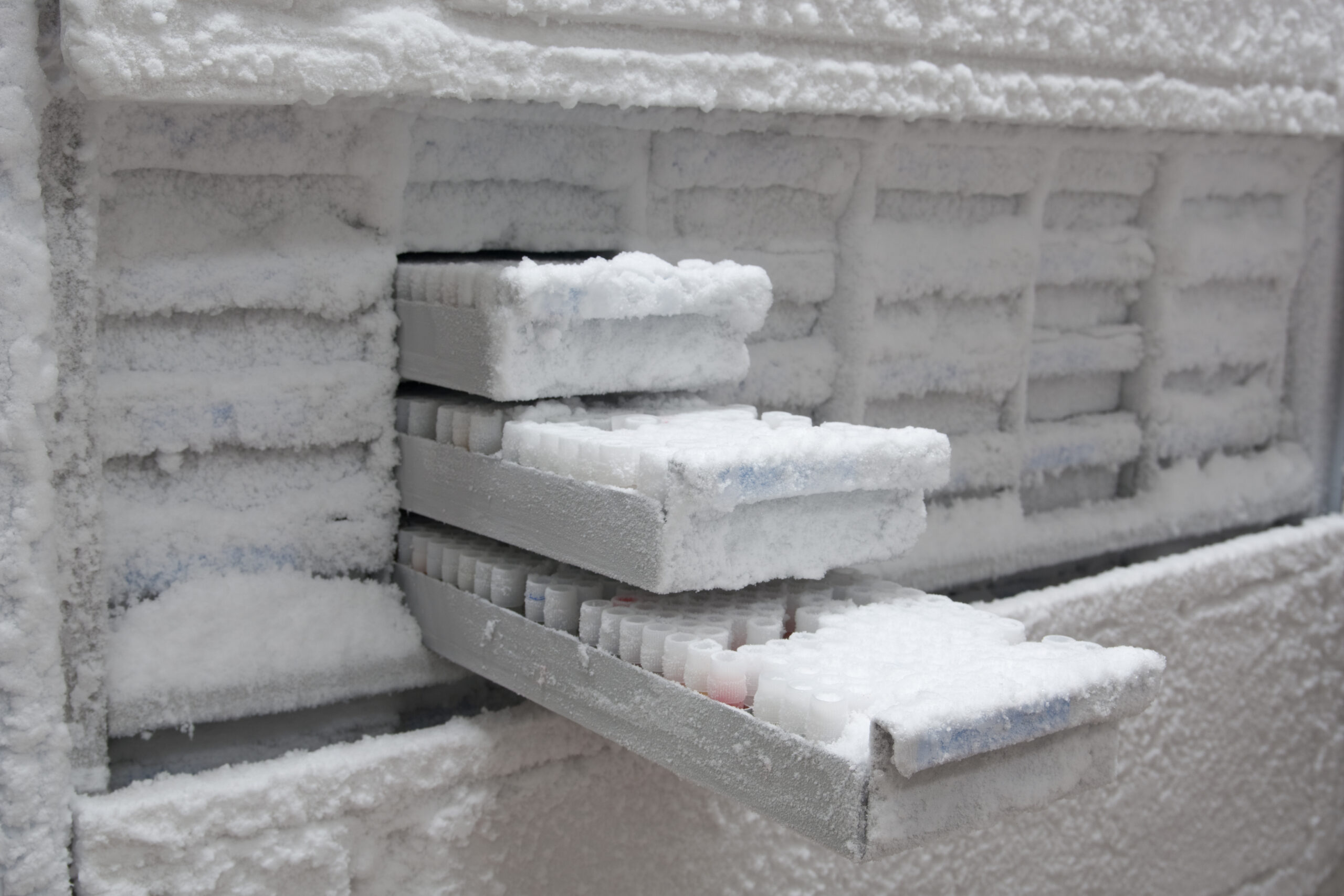
As laboratories scale their operations, manual freezer storage and sample retrieval can quickly become inefficient. Large research programs, biobanks, and diagnostic laboratories may store tens or even hundreds of thousands of samples, making manual tracking and retrieval increasingly time-consuming and error-prone.
To address these challenges, many organizations are adopting automated freezer storage systems. These systems use robotics and integrated software to manage sample storage, retrieval, and inventory tracking with minimal manual intervention.
While automated freezer storage systems can significantly improve efficiency and accuracy, successful implementation depends heavily on how samples are identified before they ever enter the system. Barcode compatibility, durable labeling, and freezer-safe materials such as cryogenic labels play a critical role in ensuring that automated storage workflows remain reliable and scalable.
What Are Automated Freezer Storage Systems?
Automated freezer systems are designed to store large volumes of tubes, vials, or plates in tightly controlled low-temperature environments. Robotic systems retrieve samples from storage based on requests from laboratory information management systems (LIMS) or inventory software.
These systems offer several operational advantages, including:
- Reduced manual handling of samples
- Faster and more reliable sample retrieval
- Improved inventory visibility
- Reduced freezer door openings and temperature fluctuations
- Greater storage density compared to traditional freezers
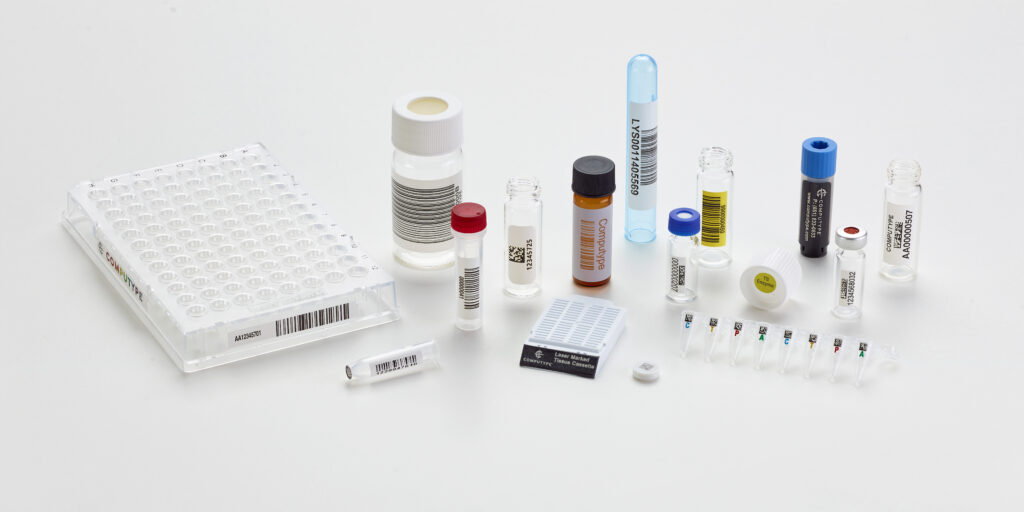
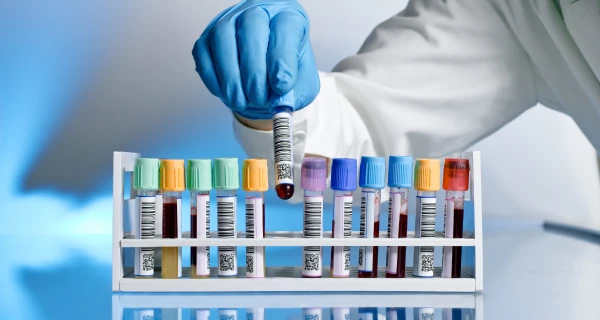
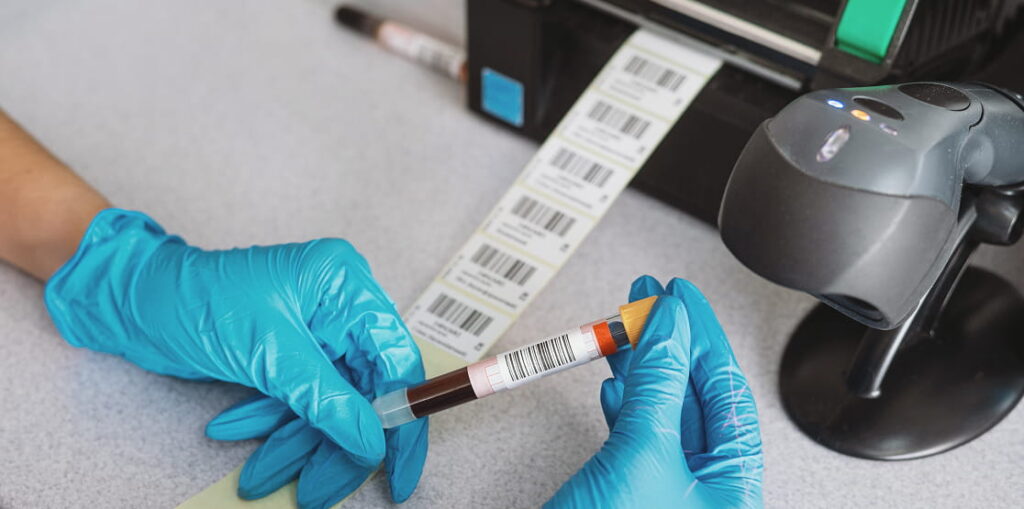
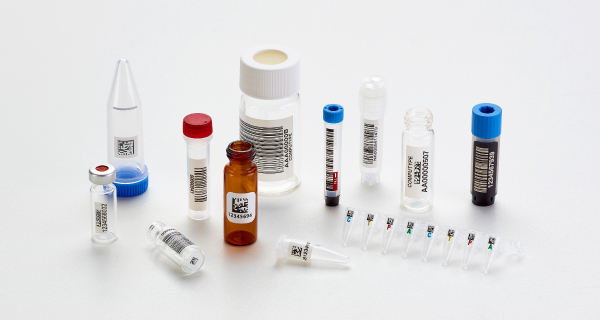
However, automation relies on proper laboratory labels to function properly. Every sample must be uniquely identifiable through barcode scanning or optical recognition.
Without consistent cryogenic labeling and barcode standards, automated systems cannot reliably track or retrieve stored materials.
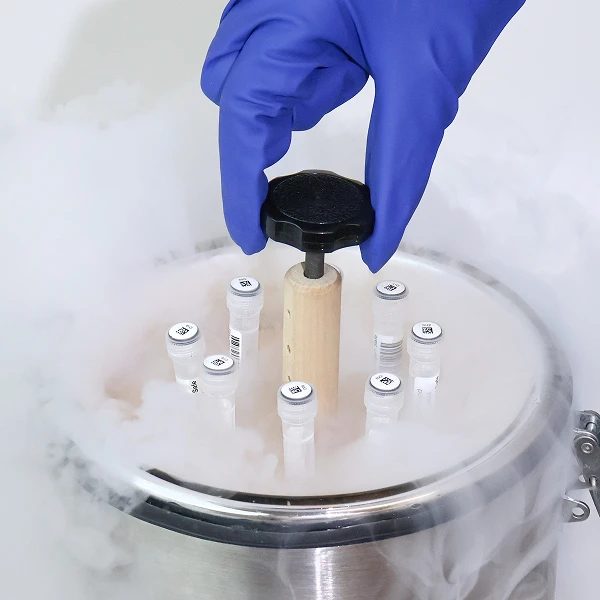
Barcode Requirements for Automated Freezer Systems
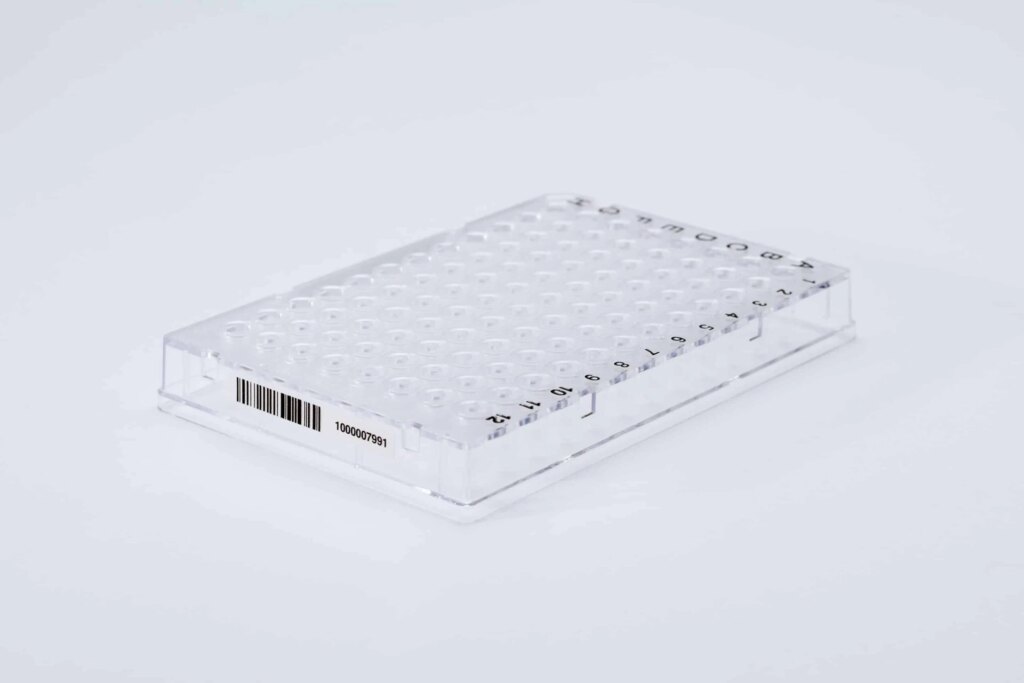
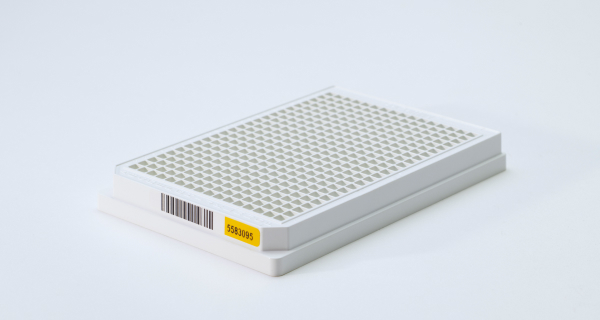
Automated freezer systems rely on scanners to read laboratory barcode labels during storage and retrieval processes. If barcodes are poorly printed, incorrectly formatted, or inconsistently placed, scanning errors can occur.
These issues can interrupt automated workflows and reduce system efficiency.
Before implementing an automated storage system, laboratories should establish clear barcode standards that define:
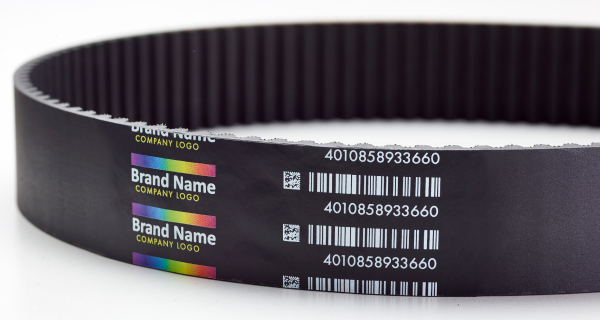
- Barcode symbology (such as Code 128 or Data Matrix)
- Barcode size and resolution
- Required quiet zones around the barcode
- Orientation and placement on tubes or vials
- Human-readable identifiers associated with the barcode
Consistent barcode standards help ensure that automated systems can reliably read and track samples throughout their lifecycle.
Cryogenic Label Durability
Automated storage systems often operate in ultra-low temperature environments, sometimes reaching -80°C or colder. These conditions present challenges for many standard labeling materials.
Cryogenic labels must remain securely attached and fully readable despite:
- Ultra-low storage temperatures
- Frost buildup and condensation
- Mechanical handling by robotic systems
- Long-term storage durations
If labels begin to peel, wrinkle, or lose print clarity, scanners may struggle to read barcodes accurately. This can disrupt automated workflows and potentially require manual intervention.
Selecting label materials specifically designed for low-temperature environments helps ensure that barcodes remain scannable throughout the entire storage lifecycle.
Standardize Label Placement for Robotic Handling
Automated systems often rely on precise positioning when scanning barcodes on tubes or vials. Inconsistent label placement can make it difficult for scanners to reliably detect and read sample identifiers.
Standardizing label placement helps ensure that barcodes remain visible to scanning systems regardless of how samples are stored within racks or trays.
For example, many labs implement guidelines such as:
- Applying labels at a consistent height on tubes
- Avoiding overlap with tube caps or bottom curvature
- Ensuring the barcode faces outward within racks
- Maintaining unobstructed barcode surfaces
These practices improve scanning reliability and help prevent workflow interruptions.
How to Prepare Samples for Automated Storage
One common challenge laboratories face when implementing automated freezer systems is the migration of existing sample inventories. Legacy samples may be labeled using older formats, handwritten identifiers, or labels that are not compatible with automated scanning.
Before migrating samples into automated storage systems, labs often evaluate whether relabeling or standardizing identifiers is necessary. While this can require additional effort upfront, it helps ensure that the automated system operates efficiently once deployed.
Developing clear labeling standards early in the implementation process can prevent costly workflow disruptions later.
Reliable automation starts with consistent, machine-readable sample identification. Barcode compatibility, durable label materials, and standardized labeling practices all play an important role in ensuring that automated storage systems function as intended.
By addressing these factors early in the implementation process, laboratories can create a foundation for reliable, scalable sample storage that supports growing research and diagnostic workloads.
If you’re evaluating options for your lab, the following resources can help you take the next step.
Connect with our labelling experts today
Blog article form
"*" indicates required fields