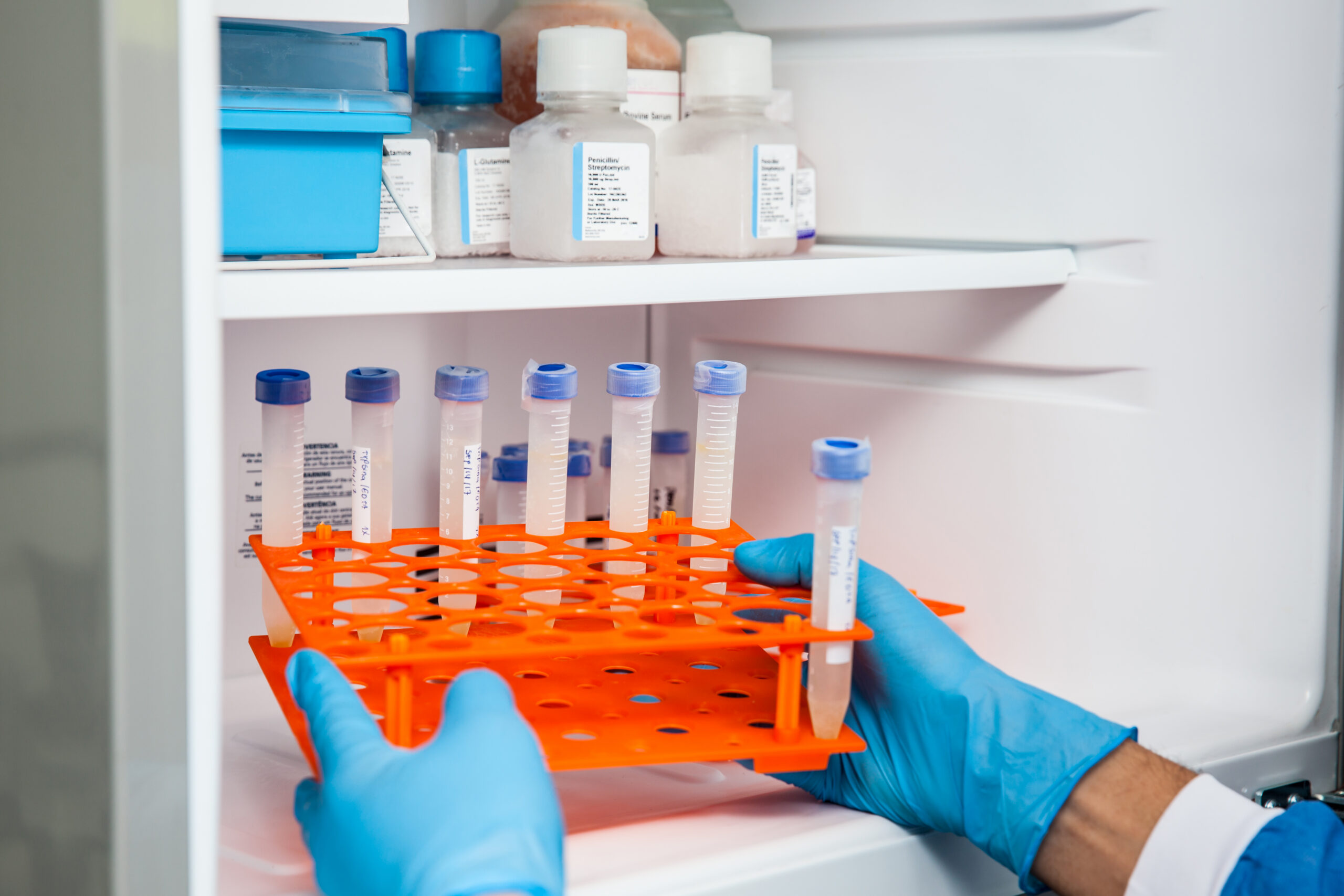
Laboratory freezers often hold some of the most valuable assets in a research or diagnostic workflow. Biological samples, chemical compounds, clinical specimens, and long-term research materials may remain in storage for months or even years before they are needed again. Effective laboratory freezer management helps ensure that these materials remain organized, identifiable, and easy to retrieve when needed.
Despite the importance of these samples, freezer organization and identification practices often vary widely across laboratories. As sample volumes grow and teams expand, poorly managed freezer systems can lead to lost samples, extended retrieval times, and unnecessary operational risk.
Implementing strong laboratory freezer management practices helps laboratories maintain sample integrity, improve workflow efficiency, and reduce the risk of costly errors. One of the most important components of these practices is a consistent and durable labeling strategy using freezer-safe materials such as cryogenic labels designed for low-temperature storage environments.
Establishing Standardized Labeling for Laboratory Samples
In many labs, labeling practices evolve informally over time. Researchers may use different label sizes, write information in different formats, or apply labels in inconsistent positions on tubes and vials.
These inconsistencies may not seem problematic when a single researcher manages their own samples, but they become significant challenges when freezers are shared across teams or when samples are stored for long periods of time.
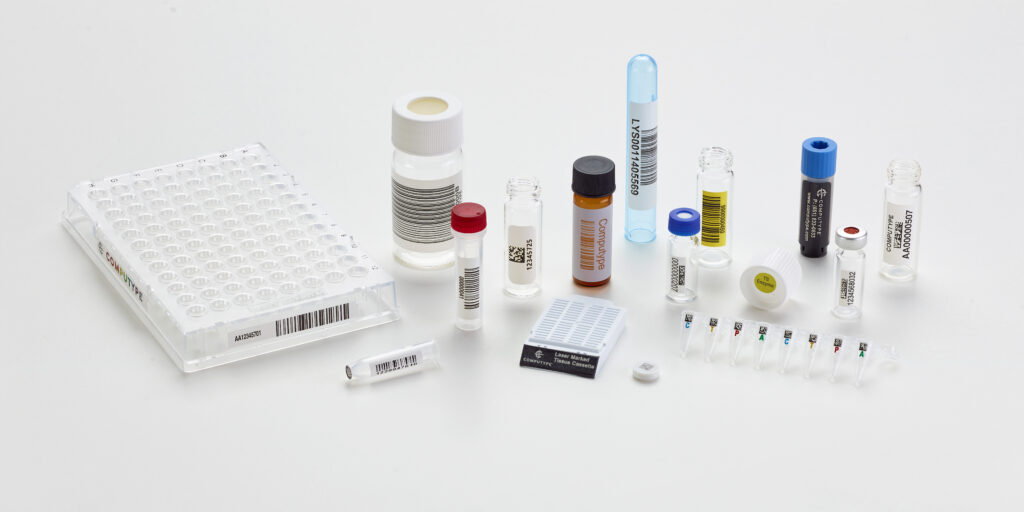
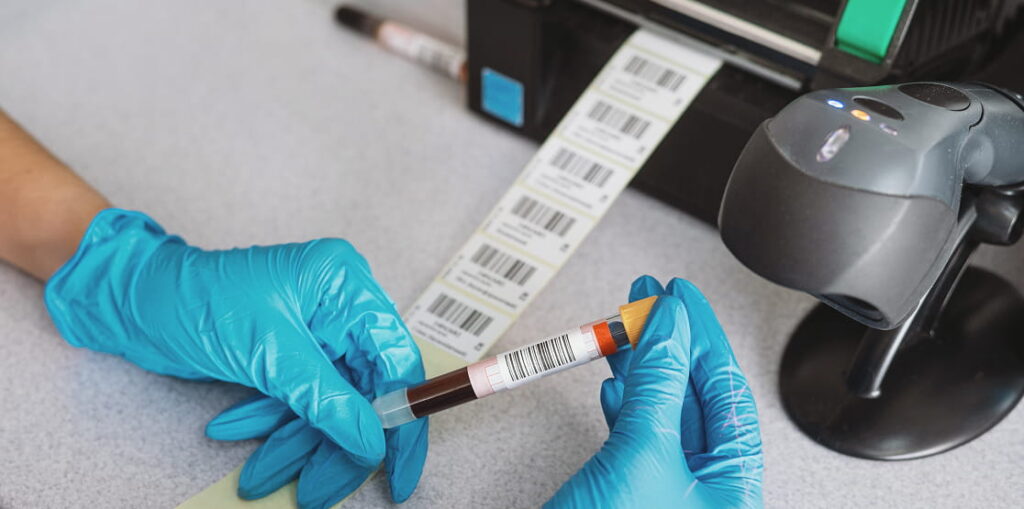
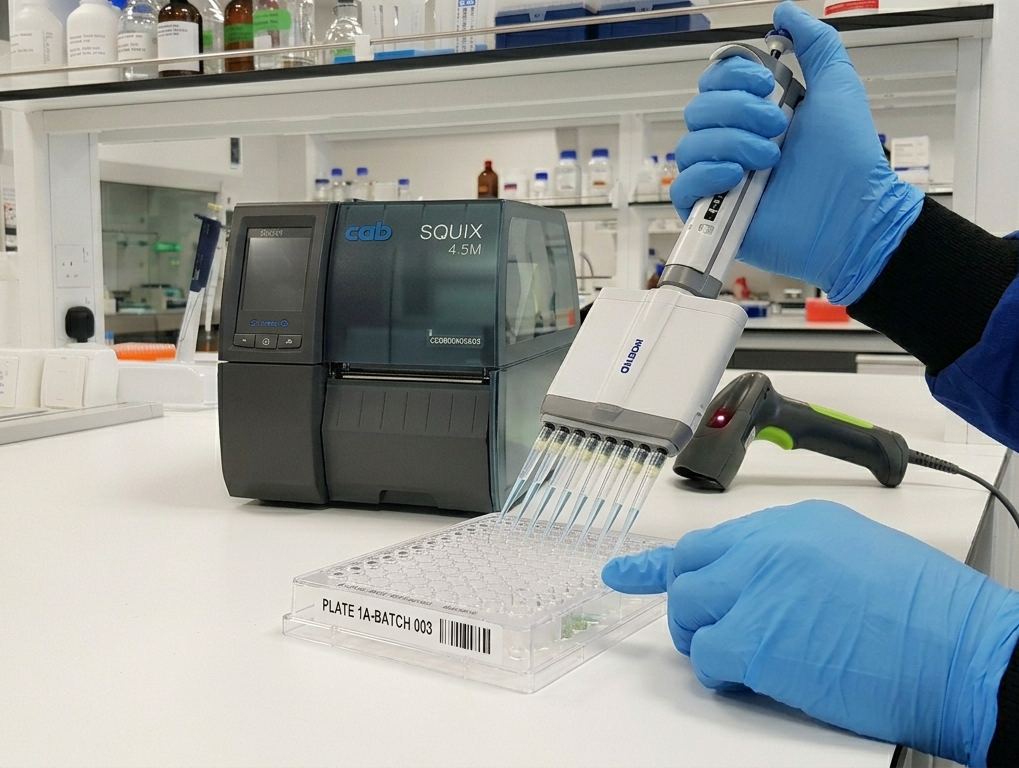
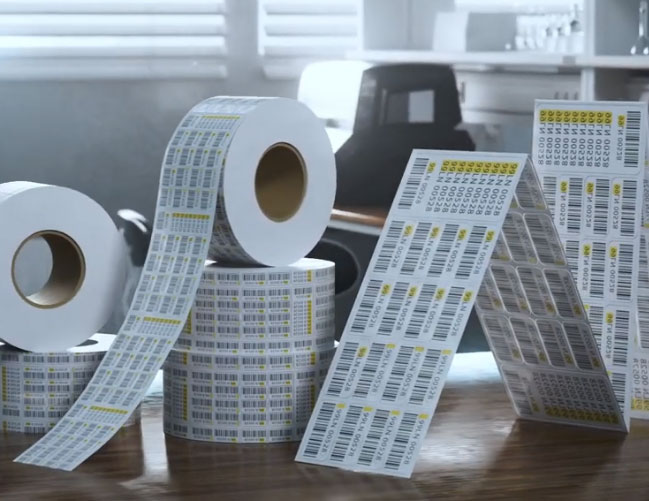
Establishing a standardized system for laboratory labels helps ensure that every sample entering the freezer can be easily identified and retrieved. A labeling standard should define several key elements, including barcode formats, required identifiers, label placement, and human-readable information. Consistency across these elements makes it easier for anyone in the lab to quickly interpret and locate stored samples.
Improve Cryogenic Sample Traceability with Barcodes
Manual labeling methods, such as handwritten identifiers, can work in small workflows but quickly become difficult to manage as sample volumes increase.
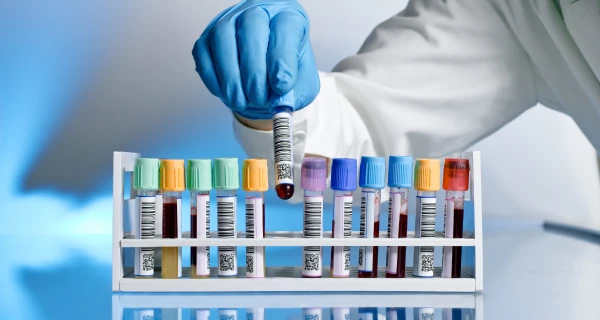
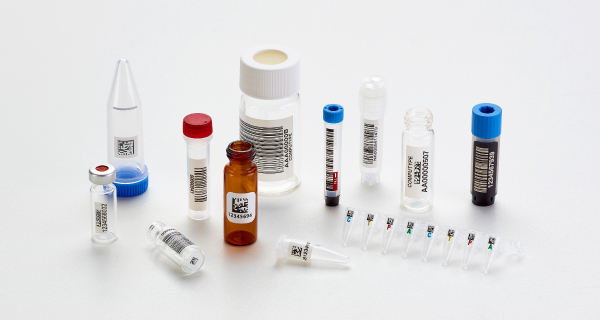
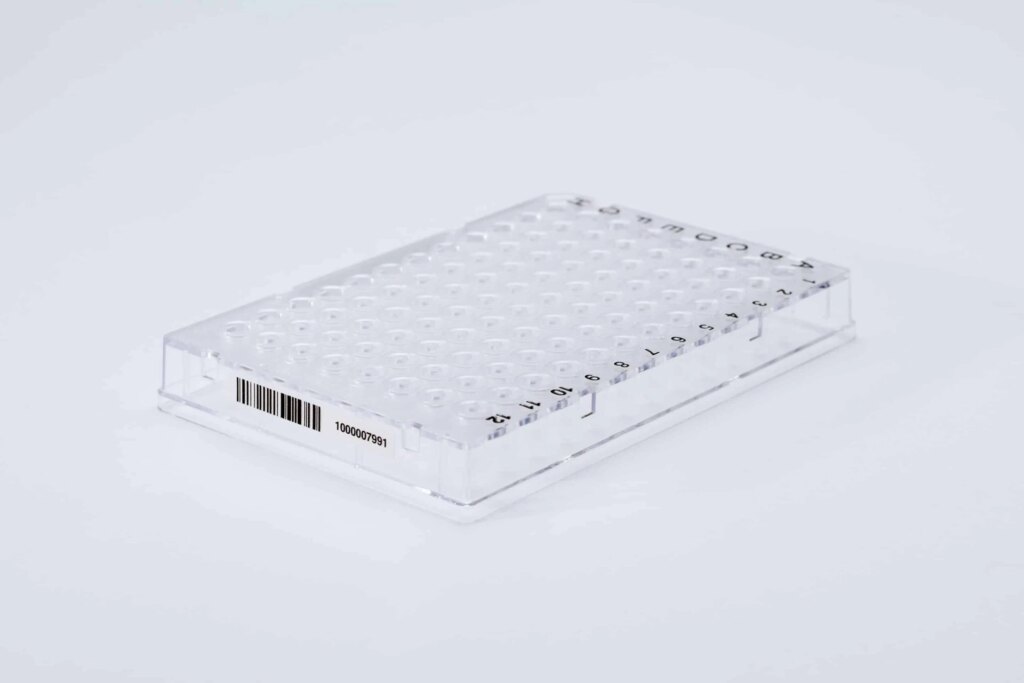
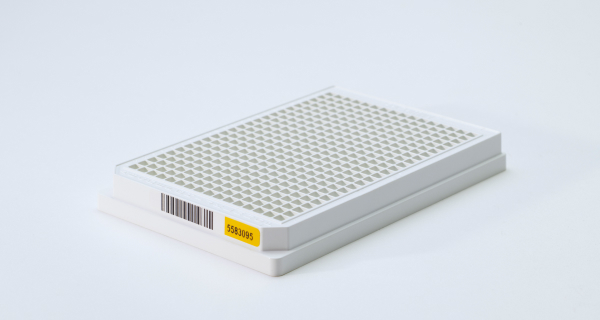
Laboratory barcode labels provide a reliable way to maintain traceability throughout a sample’s lifecycle. Barcodes allow laboratories to integrate freezer storage into digital tracking systems, enabling faster retrieval, reduced transcription errors, and better inventory visibility.
In addition to improving accuracy, barcodes allow laboratories to scale their storage operations without dramatically increasing the administrative burden on staff.
Selecting Labels for Ultra-Low Temperature Storage
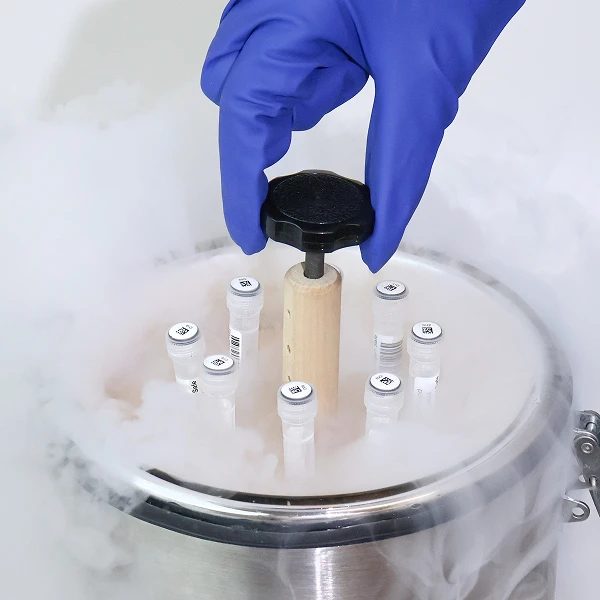
Cryogenic freezer environments present unique challenges for label performance. Ultra-low temperatures, frost buildup, condensation, and repeated freeze-thaw cycles can cause conventional labels to peel, smear, or detach over time.
When label materials fail, the result can be unreadable identifiers or lost sample information, both of which can compromise traceability and research integrity.
Cryogenic labels should be specifically designed to withstand low temperatures and moisture exposure while maintaining adhesion and print durability throughout the storage lifecycle. Selecting appropriate label materials is an essential part of maintaining long-term sample identification.
Support Efficient Sample Retrieval
Even the best label materials can create challenges if they are applied inconsistently. Standardizing label placement on tubes, vials, and storage containers improves readability and scanning reliability.
For example, placing labels at a consistent height on tubes helps ensure that barcodes remain visible when samples are stored in racks or boxes. Consistent placement also makes it easier for laboratory staff to visually identify samples during retrieval without needing to remove multiple tubes from storage.
Well-labeled samples contribute directly to faster and more reliable retrieval processes. When labels are easy to read and consistently formatted, laboratory staff can locate samples quickly without disrupting surrounding materials.
This becomes especially important in high-volume storage environments where thousands of samples may be stored in a single freezer. Clear labeling reduces the time freezers remain open during retrieval and helps maintain stable storage temperatures.
Long-Term Cryogenic Storage Considerations
Many samples remain in freezer storage for extended periods of time. Labels must remain legible and securely attached throughout the entire storage duration.
Factors such as frost buildup, condensation during freezer access, and repeated handling can all affect label performance. Laboratories should evaluate labeling solutions based not only on initial appearance but also on how well they perform over long-term storage conditions.
Durable labeling helps ensure that critical sample identifiers remain intact and readable even years after initial storage.
Build a Strong Foundation for Laboratory Freezer Management
Effective freezer management is about more than just storage capacity. It requires systems that support organization, traceability, and long-term reliability.
Labeling plays a central role in these systems. By implementing consistent labeling standards, using durable materials designed for freezer environments, and integrating barcode-based identification, laboratories can significantly improve the efficiency and reliability of their freezer management practices.
As laboratories continue to scale their sample storage operations, thoughtful labeling strategies will remain a foundational component of maintaining sample integrity and ensuring smooth laboratory workflows.
If you’re evaluating options for your lab, the following resources can help you take the next step.
Connect with our labelling experts today
Blog article form
"*" indicates required fields