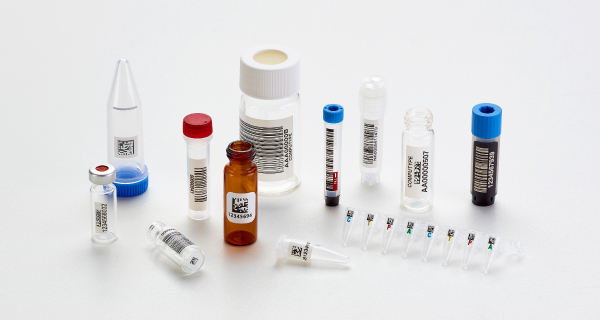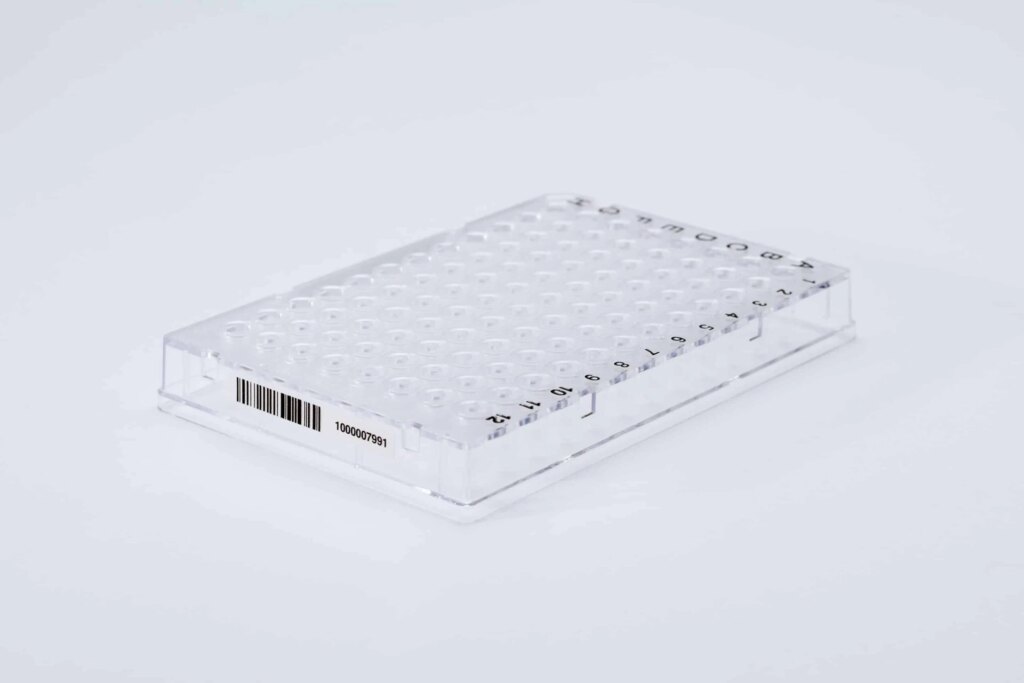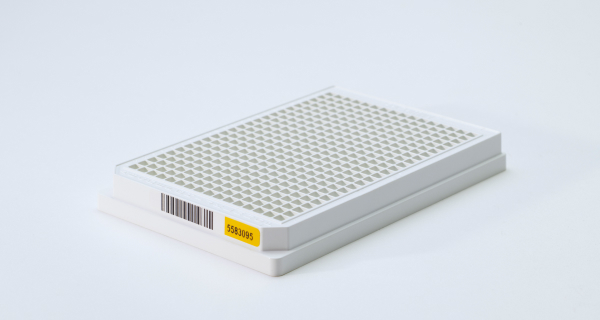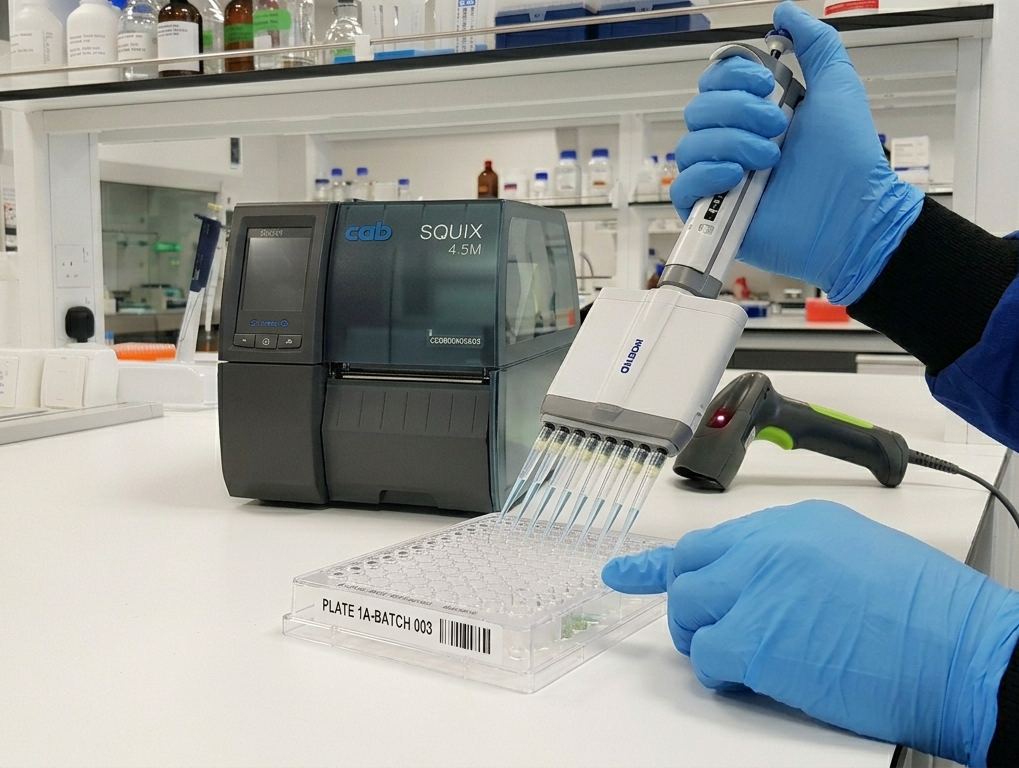
Across research institutions, diagnostic laboratories, and biobanks, many organizations are adopting centralized laboratory freezer storage to manage growing volumes of samples more efficiently. Instead of each department maintaining its own ultra-low temperature freezers, facilities are increasingly consolidating freezer storage into shared environments overseen by dedicated storage teams.
Centralization can reduce equipment redundancy, improve freezer monitoring, and free up valuable laboratory space. However, when multiple departments share the same storage environment, sample identification becomes far more complex. Without consistent labeling standards and durable cryogenic labels designed for ultra-low temperature storage, centralized freezer systems can introduce new risks for sample tracking, identification, and retrieval.
Why Laboratories Are Moving Toward Centralized Freezer Storage
Freezer centralization is typically driven by operational and infrastructure benefits. Large institutions often operate dozens or even hundreds of ultra-low temperature freezers scattered across departments. Consolidating them into dedicated storage facilities allows organizations to:
- Reduce equipment costs and energy usage
- Improve freezer monitoring and maintenance
- Simplify backup and disaster recovery planning
- Free up valuable lab space for active research
- Provide standardized storage conditions for sensitive samples
Centralized storage facilities may house materials from multiple research groups, clinical programs, or departments, each with its own workflows and sample handling practices.
While this model improves efficiency, it also increases the importance of consistent sample identification across teams.
Identification Challenges in Shared Freezer Storage
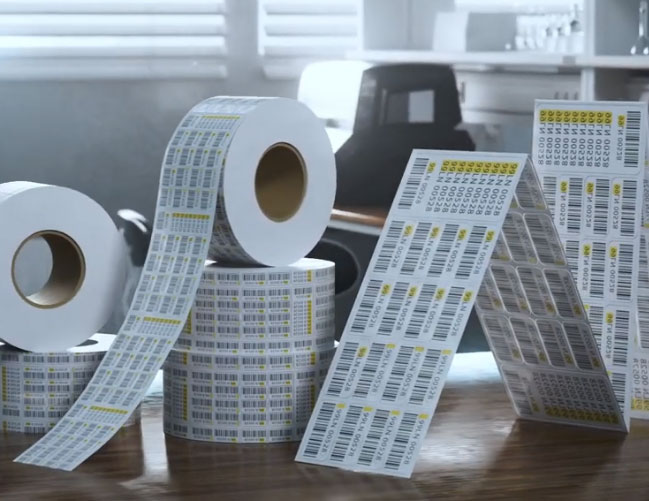
When freezers are decentralized, each department typically develops its own labeling habits. Tube labels, handwriting styles, barcode formats, and label materials can vary widely between groups.
In a centralized environment, those inconsistencies quickly create problems.
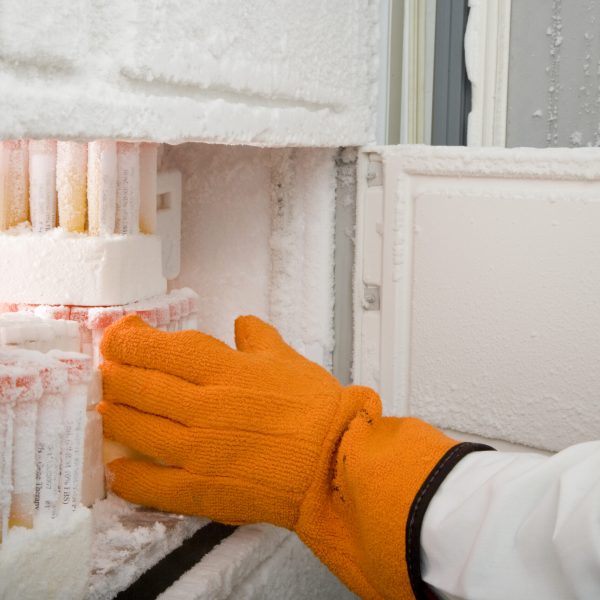
Samples from different departments may look nearly identical in storage racks. Labels may use different barcode standards, abbreviations, or color schemes. Some labels may not withstand ultra-low temperatures, leading to peeling, smearing, or unreadable identifiers over time.
The result can be:
- Difficulty locating samples
- Increased retrieval time
- Higher risk of misidentification
- Loss of traceability in regulated workflows
In high-volume facilities where thousands or millions of samples are stored, small labeling inconsistencies can quickly scale into operational bottlenecks.
Cryogenic Labeling Standards for Centralized Freezer Storage
One of the most important steps when implementing centralized freezer storage is establishing a facility-wide labeling standard.
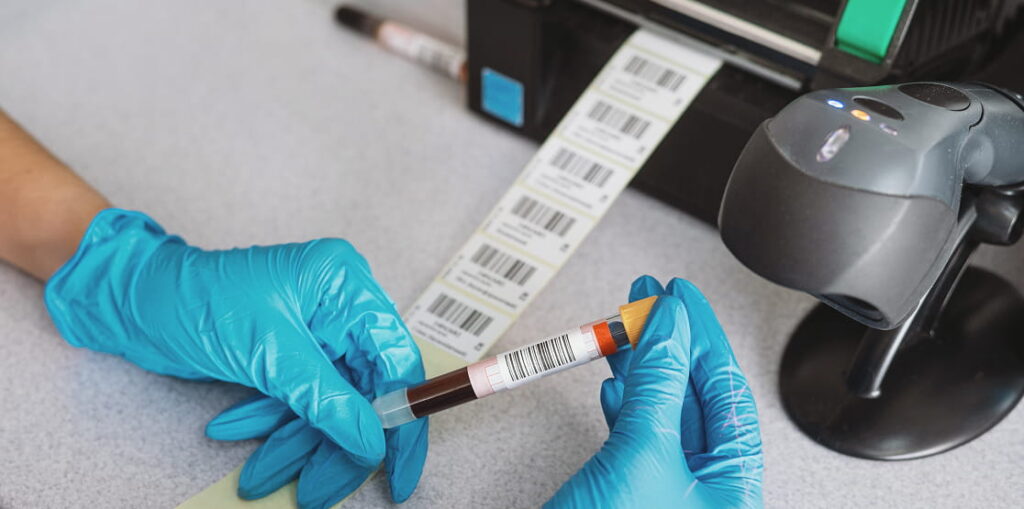
A labeling standard defines how samples should be identified before they enter the centralized storage system. This ensures that samples from different departments remain easy to identify and track once they are stored together.
Typical elements of a freezer labeling standard include:
- Barcode format and symbology
- Human-readable text conventions
- Label size and placement on tubes or vials
- Color coding for departments or study groups
- Required identifiers such as sample ID, date, or project code
Standardization helps ensure that every sample entering the centralized freezer environment is consistent, scannable, and easily interpretable regardless of which department generated it.

Label Materials for Cryogenic Storage
Labeling standards alone are not enough. The label material itself must be capable of surviving the storage environment.
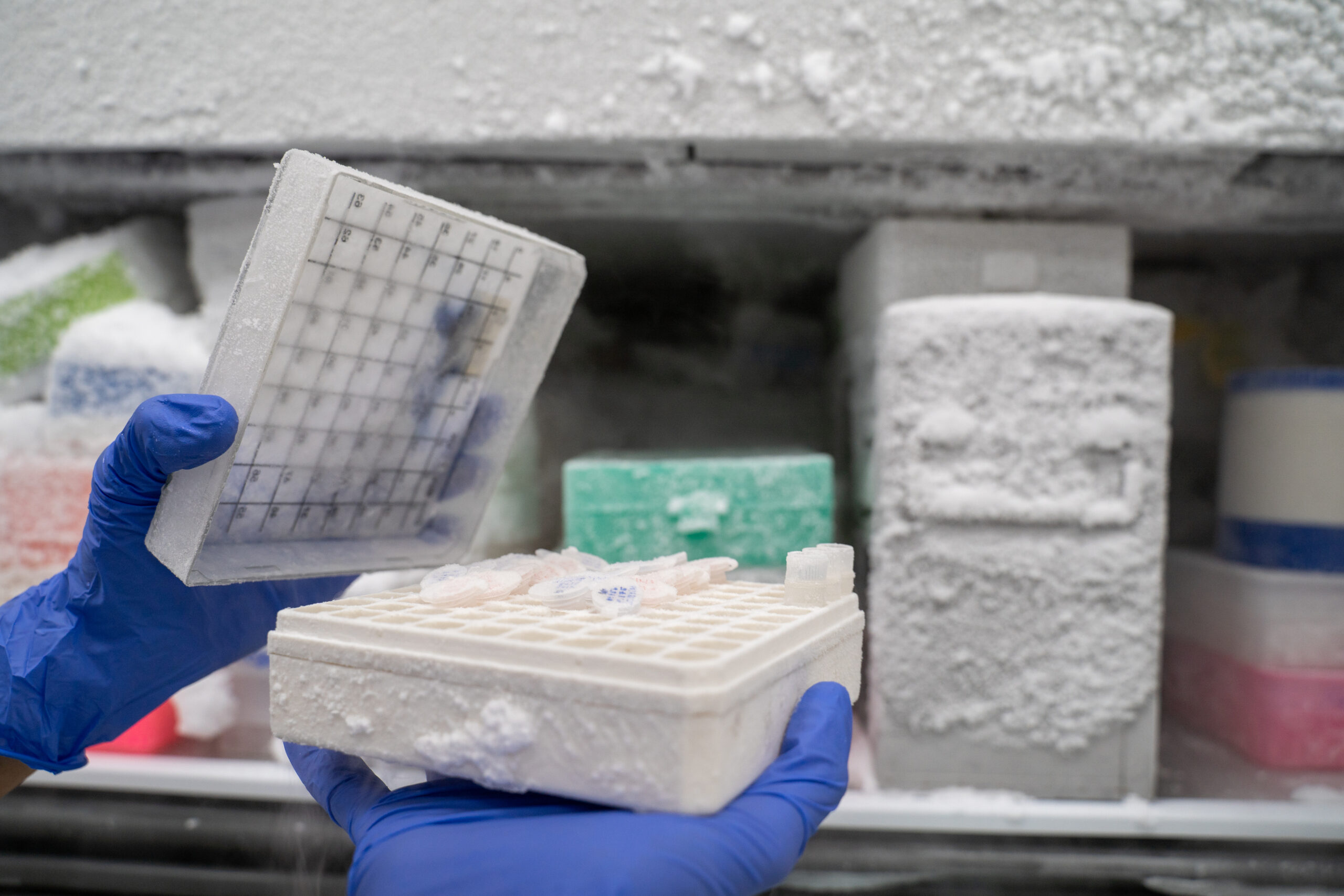
Ultra-low temperature freezers, cryogenic storage, and repeated freeze-thaw cycles create challenging conditions for many conventional labels. Moisture from condensation, frost buildup, and temperature fluctuations can cause poorly designed labels to fail.
When labels degrade, critical sample identifiers may become unreadable or detach entirely.
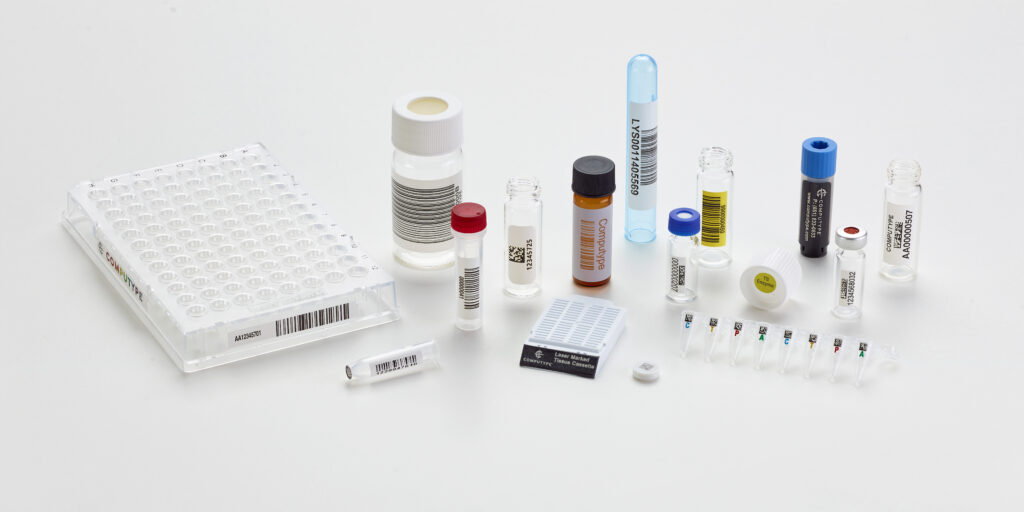
Labels used in centralized freezer environments should be designed to withstand:
- Ultra-low temperatures
- Freeze-thaw cycles
- Frost and condensation
- Chemical exposure during sample handling
- Long-term storage durations
Selecting the right cryogenic label construction ensures that sample identification remains intact throughout the entire storage lifecycle.
Maintaining Long-Term Sample Traceability
Centralized freezer storage allows organizations to manage samples more efficiently, but it also places greater importance on consistent and durable identification practices.
By implementing clear labeling standards and using label materials designed for low-temperature environments, laboratories can ensure that samples remain traceable and easy to retrieve regardless of how many departments share the same storage infrastructure.
As centralized storage continues to grow across research and diagnostic organizations, strong labeling practices will remain a foundational part of maintaining sample integrity.
If you’re evaluating options for your lab, the following resources can help you take the next step.
Connect with our labelling experts today
Blog article form
"*" indicates required fields