blood tube labels
Blood collection tube labels.
Blood tube labels identify patient specimens collected for laboratory testing and transfusion services. Blood labels link each tube to laboratory workflows through unique identifiers and barcode tracking. Accurate tube labeling ensures specimens remain traceable from collection through laboratory testing. Durable label constructions maintain readability during handling, transport, centrifugation, and refrigerated storage.
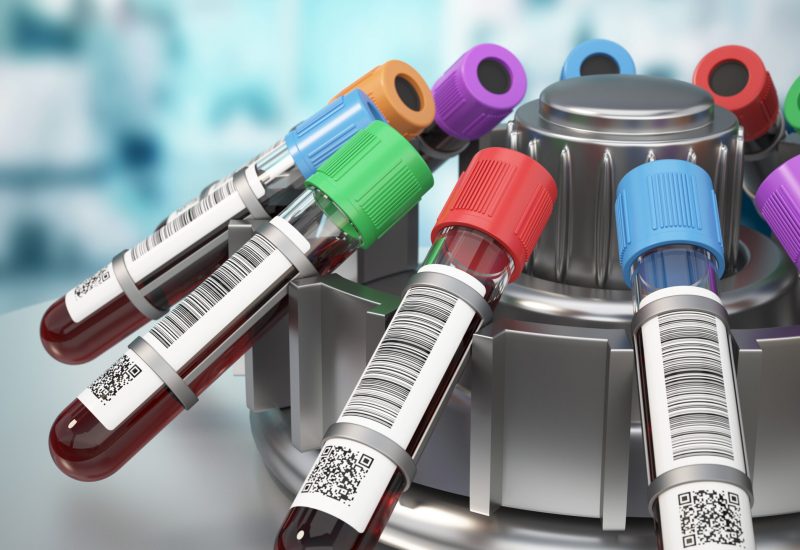
Blood tube labels in clinical and donation workflows.
Blood tube labels support specimen tracking across hospital laboratories, transfusion services, and blood donation programs. Staff apply labels to evacuated blood collection tubes during phlebotomy and to donor sample tubes during blood donation procedures. These labels connect each specimen to testing workflows, patient records, or donation identifiers so laboratories maintain clear traceability throughout collection, testing, and processing.
Blood Collection Tube Labels.
Phlebotomy labels for evacuated blood tubes.
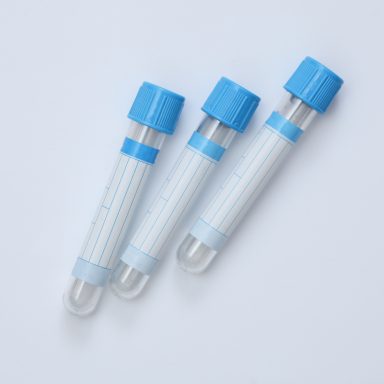
Blood collection tube labels are applied during phlebotomy to identify patient specimens collected in evacuated blood collection tubes used for diagnostic testing in hospital laboratories, outpatient clinics, and healthcare systems. Blood collection tube labels are typically printed from a laboratory information system during phlebotomy and applied directly to evacuated blood collection tubes at the time of draw. These labels capture patient identifiers, accession numbers, and collection details required for clinical laboratory testing workflows.
Narrow label formats support reliable scanning on small diameter blood collection tubes used for hematology, chemistry, coagulation, and other routine diagnostic testing performed in hospital and clinical laboratory environments.
Donor Sample Tube Labels.
Donation identification number (DIN) labels for tubes.
Donor sample tube labels identify testing specimens collected during blood donation and link each tube to the originating donation through standardized Donation Identification Numbers used in regulated blood collection and processing programs. During blood donation, sample tubes are filled alongside the primary blood bag and used for infectious disease screening and donor testing. These tubes must remain accurately linked to the collected blood unit throughout laboratory analysis and documentation.
Donation Identification Number (DIN) labels are applied to donor sample tubes to ensure every specimen remains traceable to the originating donation. These labels support regulatory traceability requirements and maintain the connection between donor testing samples and the corresponding blood product.
Phlebotomists and donation staff label collected blood samples during collection to maintain accurate identification from the moment specimens enter laboratory workflows.
Blood banks use labeled patient samples to perform blood typing, antibody screening, and compatibility testing prior to transfusion.
Durable tube labels remain securely bonded and readable during centrifugation, transport, handling, and refrigerated storage in clinical laboratories.
Labeling solutions for blood tube identification.
Hospitals, laboratories, and blood centers use different strategies to produce blood tube labels depending on their specimen identification workflows. Some facilities print labels during phlebotomy, while others use pre-printed identifiers or hybrid systems. Effective labeling solutions must support these workflows while maintaining readability, strong adhesion, and consistent barcode performance during handling, centrifugation, and refrigerated storage.
standard slide labels
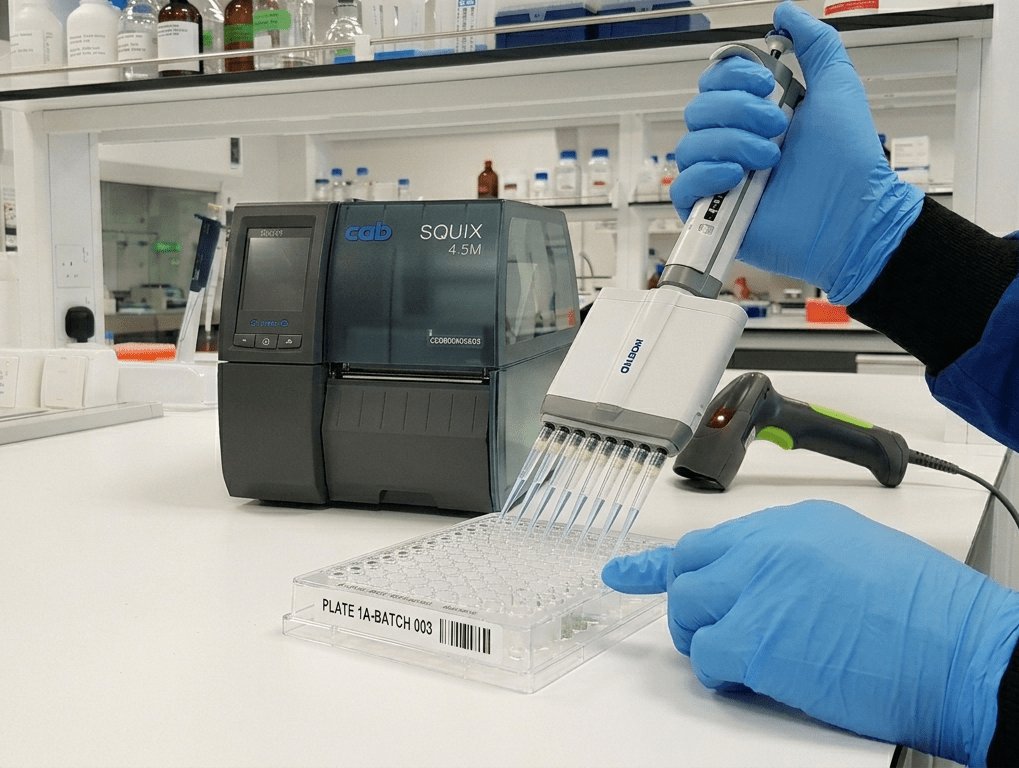
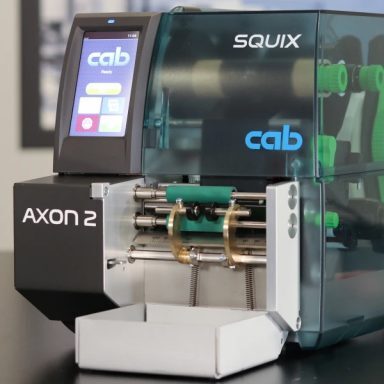
Hospitals commonly print blood tube labels directly from laboratory information systems during phlebotomy. Phlebotomists print labels at bedside workstations or collection carts and apply them immediately after drawing blood into evacuated tubes. This workflow ensures patient identifiers and accession numbers match laboratory records and allows healthcare staff to generate accurate specimen labels at the time of collection.
- LIS-generated barcode labels for blood tubes
- Reliable desktop thermal transfer printers
- Durable, compatible resin transfer ribbons
laminate slide labels
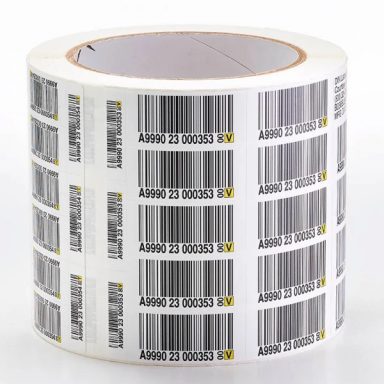
Some laboratories and blood collection programs use pre-printed labels that include fixed identifiers, barcode sequences, or standardized layouts. These labels support controlled workflows where staff prepare specimen tubes in advance or manage large volumes of samples using predetermined identification systems. Pre-printed blood tube labels simplify labeling procedures while maintaining consistent barcode quality.
- Pre-printed blood tube labels
- Standardized label layouts and DIN sets
- High-volume blood bank labeling
pre-printed slide labels
Hybrid strategies combine pre-printed elements with on-demand variable printing. Laboratories may pre-print logos, fixed text, or background layouts while adding patient identifiers, accession numbers, or collection details during phlebotomy. This approach allows facilities to maintain standardized label designs while still generating unique specimen information when staff collect blood samples.
- Pre-printed color and branding details
- Fixed identifiers combined with real-time data
- Standard label formats with customizable details
Adhesives maintain strong bonds during high-speed centrifugation while label constructions resist edge lifting, abrasion, and barcode damage.
Blood tube labels maintain adhesion and readability as laboratory staff move samples between refrigerated storage and room-temperature handling.
Label constructions withstand alcohol wipes and common laboratory chemicals that contact blood tubes during handling, testing, and preparation.

Let’s get labeling.
Have questions? We’re here to help.
Contact us to connect with a specialist who understands your industry and can provide the right solutions for your business. Let’s start a conversation.