cryogenic labels
Cryogenic labels for sample storage.
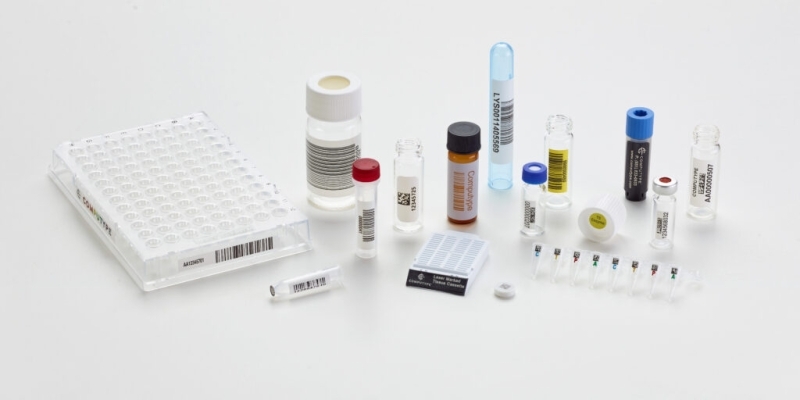
Cryogenic labels deliver reliable identification for frozen cryovials, laboratory tubes, and long-term cryogenic storage. Maintain adhesion, readability, and scan performance through liquid nitrogen exposure, frost, handling, and storage down to -196°C. Choose cryogenic label materials and application strategies that fit your workflow, from print-on-demand labeling to pre-barcoded cryovials and fully prepared labware ready for immediate use.

Preserve sample integrity in every cryogenic environment.
Cryogenic labels must perform across radically different storage conditions, from ultra-low freezers to sustained LN2 immersion. Not all cryo labels withstand the same stresses. Selecting labels based on where and how samples are stored protects barcode readability, adhesion, and long-term traceability throughout the entire cryogenic workflow.

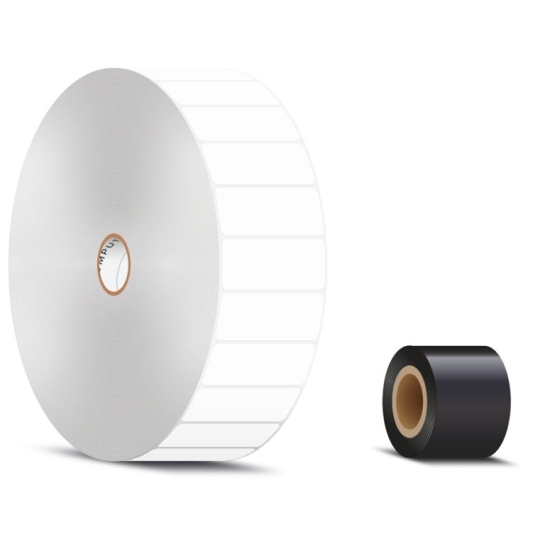

Ultra-Low Temperature Labels.
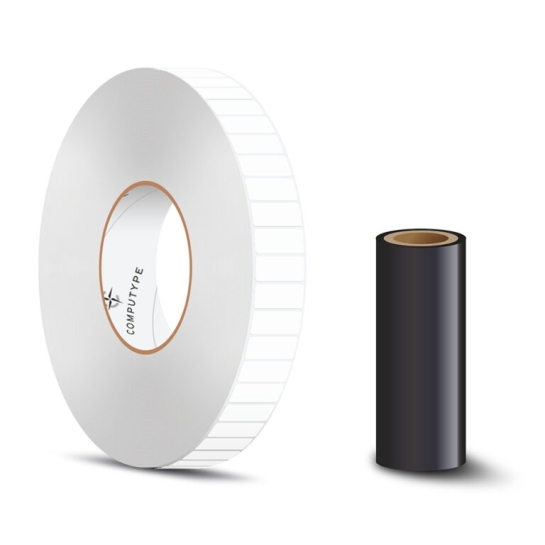
- -80°C, ribbons included, ultra-low freezers
Ultra-low temperature labels maintain adhesion throughout exposure to dry ice, vapor phase nitrogen, and ultra-low freezers.
- Store labeled cryovials down to -150°C (-238°F)
- Apply labels down to -20°C (-4°F)
- Thermal transfer ribbons included
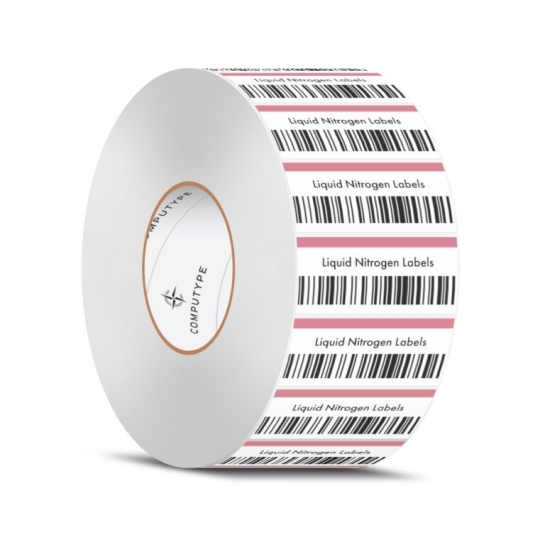
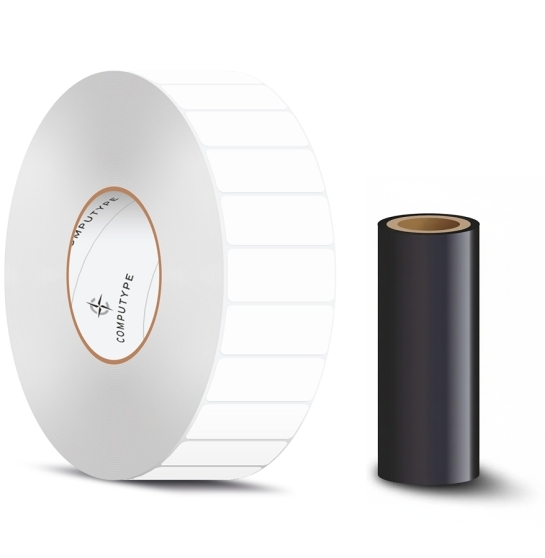

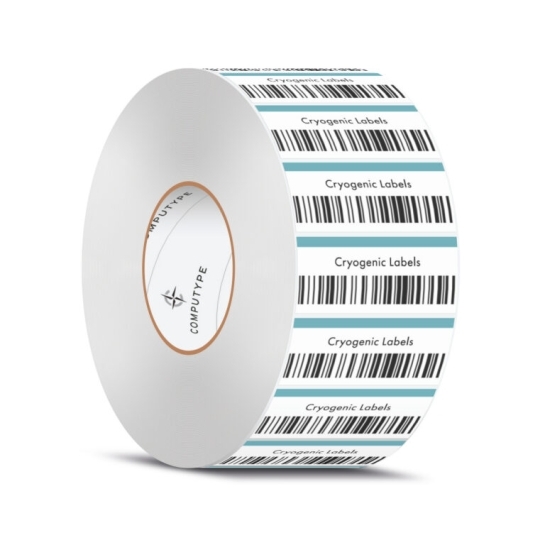
Liquid Nitrogen Labels.
- -196°C, ribbons included, cryogenic storage
Liquid nitrogen labels withstand direct immersion in LN2 and extended cryogenic storage at -196°C without edge lift or image failure.
- Store labeled vials down to -196°C (-320°F)
- Apply labels down to -20°C (-4°F)
- Thermal transfer ribbons included
Frozen Vial Labels.
- -80°c application
- -196°C storage
- frozen cryovials
These cryogenic labels for frozen vials are engineered for reliable application in -80°C environments.
Bonds securely in -80°C environments
Relabel frozen vials without thawing
Storage temperature rated for -196°C
Support relabeling, merged inventories, and other workflows where frozen vials cannot be warmed for labeling.

Cryo Rack Labels.
Cryogenic labels for metal racks maintain adhesion and barcode readability through ultra-low temperature storage, frost exposure, and routine laboratory handling without peeling, flagging, or compromising scan performance.
Freezer Box Labels.
Freezer box labels support organized sample storage and fast vial identification with matching labeling options for tube sides, tube caps, or both for streamlined inventory management.
Wrap-Around Cryovial Labels.
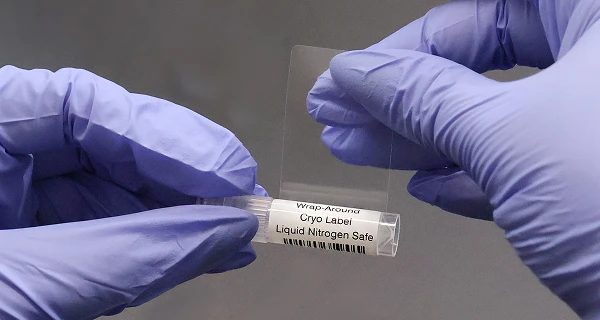
Wrap-around cryogenic labels protected printed data with a clear 360° laminate cover for superior print-on-demand durability. These self-laminating labels have excellent chemical and abrasion resistance.
Flexible cryogenic labeling strategies.
Cryogenic labeling does not follow a single model. Labs may print cryo labels on demand, purchase professionally pre-printed labels with managed sequencing, or source pre-marked labware. Each approach supports different throughput, compliance, and traceability needs while maintaining performance in demanding cryogenic storage environments.

blank label kits
Cryo labels designed for thermal transfer printing, available in a variety of sizes and formats including tube cap labels. Paired with compatible thermal transfer ribbons to print durable barcodes and data in your own lab environment.
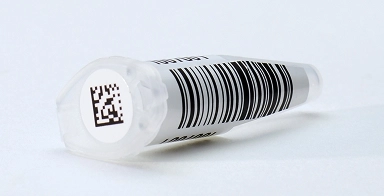
pre-printed labels
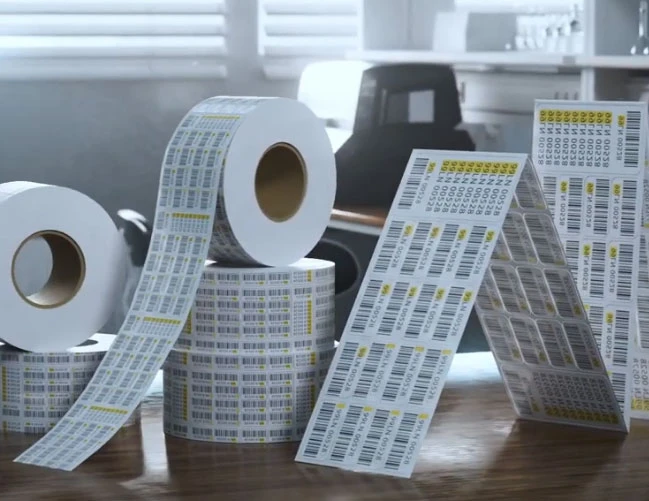
Pre-printed cryo labels featuring barcodes, color coding, or variable data. Produced using advanced printing methods, offering enhanced durability and consistent quality without requiring in-house printing or additional equipment.

pre-marked labware.
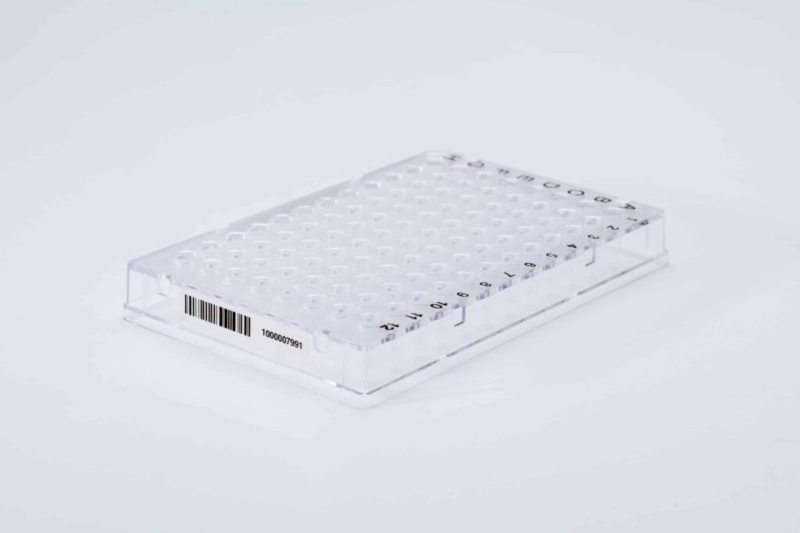
Cryo vials, tubes, or plates delivered pre-labeled or directly marked with durable identification. Ideal for saving time, maintaining consistency, and reducing handling errors during preparation and sample organization.
Solutions built for tubes, vials, and well plates where surface area is limited and print clarity is critical.
Engineered for cryo bags, straws, and curved or soft containers that require secure adhesion and shape retention.
Labels for racks, boxes, and containers—ensuring scannability and organization without disrupting frozen inventory.
Cryogenic labels engineered for extreme durability.
Cryogenic labels rely on specialized constructions that resist extreme cold, solvents, abrasion, and repeated handling. Facestocks, adhesives, coatings, and print methods work together to preserve adhesion and barcode integrity from -80°C freezers to -196°C LN2 storage. Material engineering determines whether cryo labels survive or fail over time.
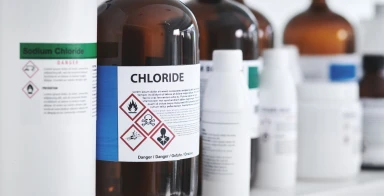
Cryo label materials can be engineered to withstand contact with alcohols, DMSO, acids, and other aggressive solvents—preserving adhesion and print quality during cleaning, processing, or reagent handling.
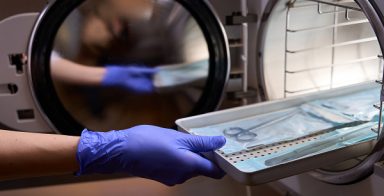
sterilization resistance
Several cryo constructions are compatible with autoclave, gamma radiation, or ethylene oxide sterilization—protecting barcode integrity and preventing label degradation during decontamination or packaging prep.

Cryogenic face stocks must maintain dimensional stability and print fidelity under extreme cold, including vapor phase and liquid nitrogen storage. We utilize engineered synthetics with low-temperature flexibility and thermal resistance to avoid delamination, cracking, or shrinkage during freeze-thaw cycling. Materials are selected for their compatibility with thermal transfer, digital, and flexographic imaging technologies, as well as for their resilience under exposure to moisture, alcohols, and handling abrasion. Thickness, finish, and surface energy are optimized to balance print quality, adhesion interface, and automatic dispensing requirements. Face stocks are validated for use on plastics, glass, and low-friction substrates commonly found in tubes, vials, straws, and cryo bags.
Cryogenic adhesives must form an aggressive bond at low application temperatures and remain intact during long-term exposure to -80°C or -196°C conditions. Our adhesive systems include cryo-tolerant acrylics formulated for secure adhesion to plastics, glass, and flexible film surfaces. Select constructions are designed to bond even at sub-zero application temperatures, enabling direct labeling of frozen containers. Performance criteria include resistance to edge lifting, migration under thaw, and chemical degradation during storage or sample processing. Testing includes adhesion strength on curved substrates, dwell-time sensitivity, and survivability through vapor-phase and immersion workflows. Adhesives comply with FDA 21 CFR 175.105 for indirect contact scenarios where required.
Topcoats and overlaminates are used to improve imaging performance, solvent resistance, and surface durability under repeated freeze-thaw exposure. Thermal transfer–optimized coatings enable high-density printing with resin ribbons, while digital imaging coatings support toner anchorage or UV-curable ink systems. Overlaminates—when used—are selected for cryogenic flexibility and clarity, providing physical protection to printed data without compromising scannability. Some constructions use integrated self-laminating features, sealing the printed image beneath a protective film layer. Coating compatibility is evaluated based on imaging method, barcode resolution, and abrasion resistance through handling and storage.
Print systems for cryogenic labels must produce high-resolution, chemically resistant images that remain legible after freezing, thawing, and physical handling. We support both thermal transfer and digital imaging technologies. For thermal transfer, resin ribbons are matched to cryogenic coatings to ensure image permanence under alcohol wipes, DMSO, and repeated contact with gloves or tweezers. For pre-printed solutions, digital and flexographic printing offer full-color, high-contrast layouts with optional protective coatings. Print durability is validated through rub testing, chemical wipe testing, and freeze-thaw cycling to ensure scannability and label integrity in high-demand environments.
Cryo labels must accommodate a wide range of labware geometries—from narrow-diameter tubes and cryovials to bags, plates, and straws. We support fully customizable die-cut formats, including wraparound designs, flag labels, cap-top indicators, and small-scale panel labels. Our constructions allow for perforations, removable segments, or multi-part label sets for use across labware and recordkeeping systems. Labels are engineered for manual or automated application, with die-cut tolerances optimized for reliable feed and alignment in high-speed dispensers or robotic handling systems. Adhesive-free zones or extended tabs can be incorporated as needed to fit specific operational workflows.
Understanding the difference between application and storage temperatures is essential when selecting cryogenic labels. A label’s ability to withstand extreme cold during storage (as low as -196°C for liquid nitrogen applications) does not imply it can be applied under those same conditions. Most cryo adhesives require a minimum application temperature — often around 0°C to 20°C — to establish an effective bond. Labels intended for use on already frozen surfaces are specially engineered with modified adhesives to enable bonding at temperatures as low as -80°C, but these are exceptions rather than the norm. Selecting the right label requires evaluating your workflow: whether labeling is done before or after freezing, how quickly samples are exposed to cryogenic conditions after labeling, and whether automation is involved. Each label construction has a specific range where optimal adhesion is achieved and retained. Proper alignment between application conditions and storage requirements is critical to avoid adhesion failure or data loss during storage and handling.

Shop cryogenic label kits.
Our cryo label kits bundle compatible cryogenic labels and ribbons for common laboratory applications, including LN2 storage, ultra-low freezer use, and frozen-surface labeling. These kits simplify cryogenic labeling by pairing tested materials and print supplies designed to maintain adhesion and barcode clarity in extreme environments.
-
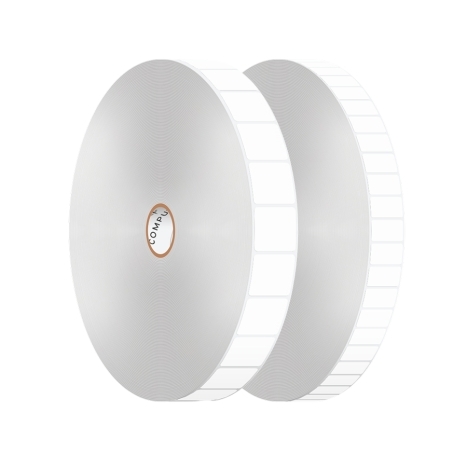
Cryogenic Microscope Slide Labels
$220.58 – $273.44Price range: $220.58 through $273.44 Select options This product has multiple variants. The options may be chosen on the product page -

Liquid Nitrogen Labels – 2″ x 2″ – 1″ Printer Core
$232.25 Add to cart -
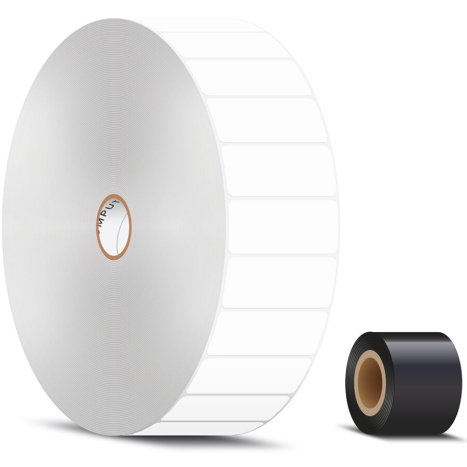
Liquid Nitrogen Cryo Labels – 2″ x 1″ – 1″ Printer Core
$235.25 Add to cart -
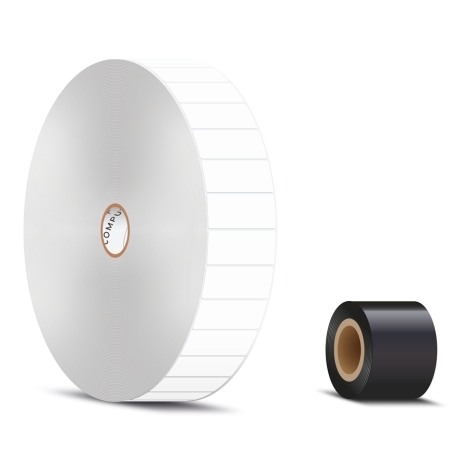
Frozen Surface Cryo Labels – 2″ x 1″ – 1″ Printer Core
$326.75 Add to cart -
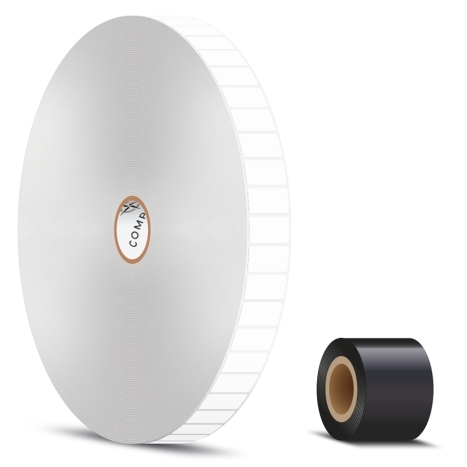
Frozen Surface Cryo Labels – 0.75″ x 0.5″ – 1″ Printer Core
$215.65 Add to cart -

Frozen Surface Cryo Labels – 0.5″ x 1″ – 1″ Printer Core
$383.04 Add to cart -
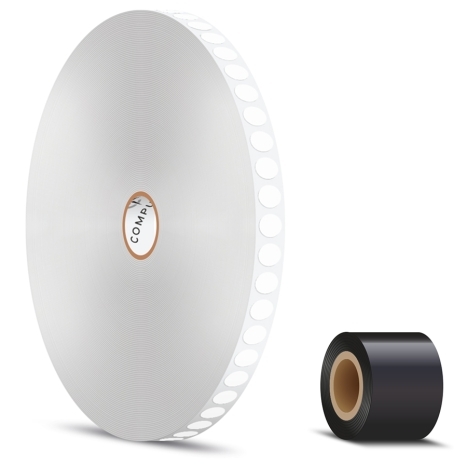
Cryovial Cap Labels – 0.375″ Diameter – 1″ Printer Core
$332.39 Add to cart -
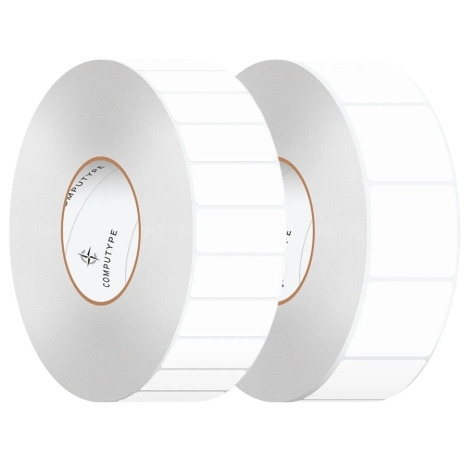
Liquid Nitrogen Labels
$310.29 – $544.49Price range: $310.29 through $544.49 Select options This product has multiple variants. The options may be chosen on the product page -
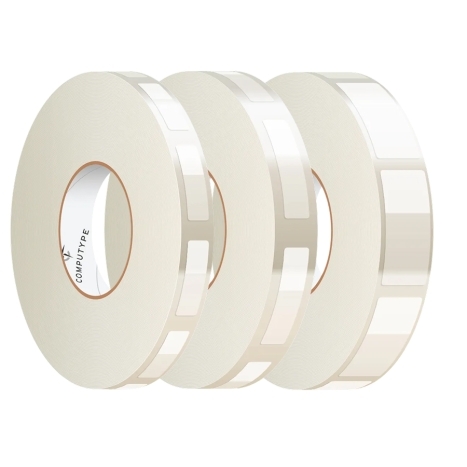
Wrap-Around Cryo Tube Labels
$169.08 – $376.71Price range: $169.08 through $376.71 Select options This product has multiple variants. The options may be chosen on the product page -
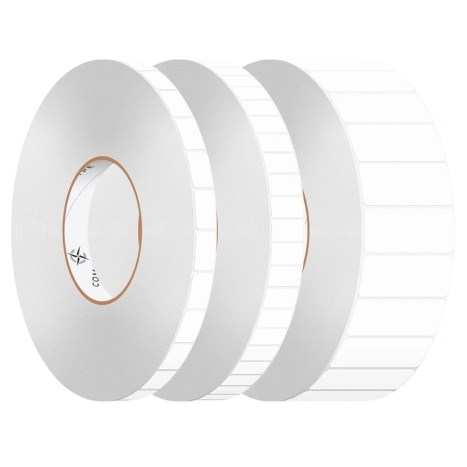
Frozen Surface Cryo Labels
$215.65 – $551.62Price range: $215.65 through $551.62 Select options This product has multiple variants. The options may be chosen on the product page -
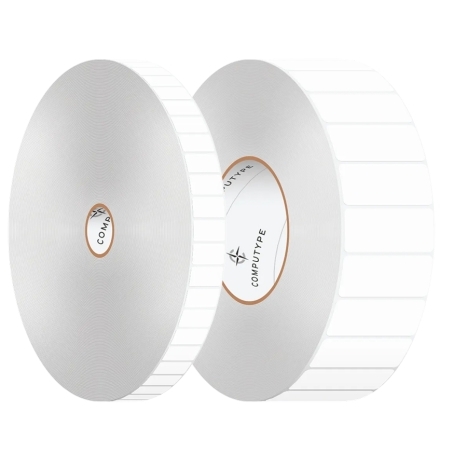
Ultra-Low Temperature Labels
$182.02 – $249.64Price range: $182.02 through $249.64 Select options This product has multiple variants. The options may be chosen on the product page -

Liquid Nitrogen Cryo Labels – 2″ x 1″ – 3″ Printer Core
$310.29 Add to cart
Compatible cryo label printers and applicators.
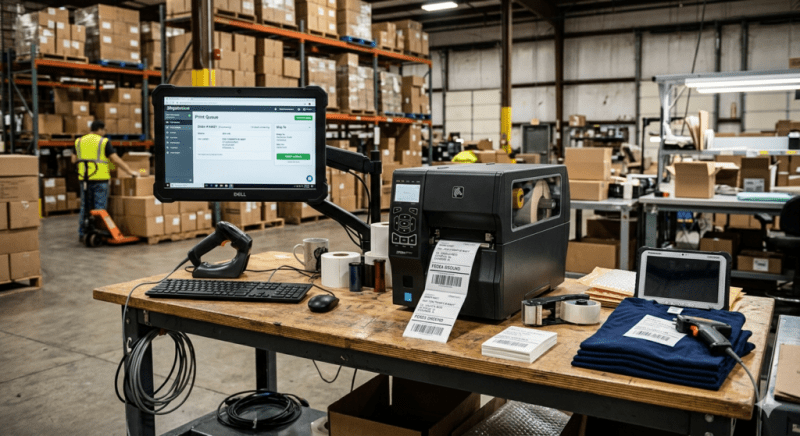
Cryogenic label performance depends on proper printing and application. Compatible cryogenic label printers and applicators ensure barcode precision, consistent placement, and durable image quality on tubes, vials, and labware. Selecting the right equipment supports reliable in-house cryo labeling and long-term sample identification.
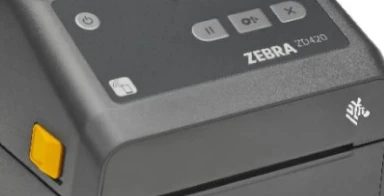
zebra zd printers
Compact desktop printers ideal for basic tube label printing with thermal transfer capabilities and flexible media handling options.
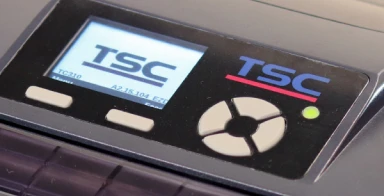
tsc tc printers
Reliable 300 dpi printing in a small footprint, commonly used in laboratories for tube, cap, and vial label production.
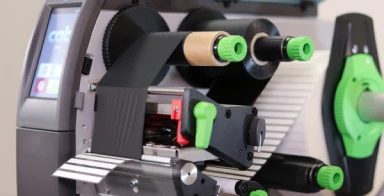

cab axon 1 labeler
Automated vertical tube labeler ideal for integration into robotic workflows. Supports filled, capped, and uncapped tube handling.

cab axon 2 labeler
Flexible semi-automated labeler for tubes. Foot pedal or button activation simplifies print-and-apply processes in varied lab environments.
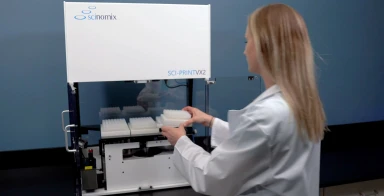
Cryo labeling FAQ.
Cryogenic labeling requires materials engineered to perform under extreme cold, moisture, and chemical exposure. These FAQs address the most common technical challenges with cryo labels, including adhesion, durability, and print performance—helping laboratories ensure clear, lasting identification for samples stored in ultra-low freezers and liquid nitrogen environments.
what temperatures can cryo labels withstand?
Cryogenic labels can withstand temperatures ranging from standard freezer conditions down to -196 °C in liquid nitrogen, depending on the construction. Many are also stable at high temperatures during thawing or sterilization. This performance depends on the interaction of adhesive chemistry and face-stock properties. Acrylic adhesives, particularly solvent-based or modified emulsion types, retain tack and elasticity even as molecular mobility slows at ultra-low temperatures. Paired with synthetic films such as polyester, polypropylene, or polyimide, they resist cracking and delamination that can occur in paper or unsupported film labels. The addition of cross-linked topcoats and laminates helps maintain print integrity during temperature swings and contact with frost, condensation, or vapor phase nitrogen. Reliable cryogenic labeling requires matching each component—adhesive, face stock, liner, and print method—to the intended storage environment and thawing process.
what's the difference between application and storage temperature?
Application temperature defines when a cryogenic label can form a bond; storage temperature defines what the label can endure once that bond sets. Most cryogenic labels require above-freezing application, typically between +10 °C and -20 °C, so the adhesive can flow and wet the substrate. Once set, the adhesive polymerizes and maintains adhesion through long-term storage in ultra-low freezers or liquid nitrogen.
Certain constructions can be applied directly to frozen surfaces at -80 °C by using specially engineered adhesive systems. Applying any label below its rated range prevents molecular flow and reduces bond strength. Understanding both temperature ratings ensures the adhesive achieves full contact during application and remains stable across storage, thaw, and handling.
can you apply cryo labels to frozen tubes?
You can apply cryogenic labels to frozen tubes only if the labels are specifically designed for frozen-surface application.
Some cryo labels need at least partial thawing to achieve full adhesion, but frozen-surface constructions use modified acrylic adhesives that retain flow even at -80 °C, allowing them to grip directly onto cold, rigid surfaces. Success still depends on careful technique: any frost or surface moisture will create a barrier, so the tube must be dry before labeling. Full, even pressure across the label surface promotes molecular contact, and a short dwell period before re-immersion improves long-term bond strength. When properly applied, frozen-surface cryogenic labels remain intact through repeated liquid nitrogen immersion, thaw cycles, and handling—ideal for reorganizing or re-identifying samples already in frozen storage.
what printers and ribbons work best for cryo labels?
Thermal transfer printers using resin ribbons deliver the most dependable and widely used results for printing cryogenic labels in-house. Resin ribbons form a heat-fused image that bonds directly to the label’s topcoat, producing a dense, abrasion- and solvent-resistant print that can withstand liquid nitrogen, dry ice, and repeated freeze–thaw cycles. They also resist alcohols, DMSO, and other common lab solvents that quickly degrade wax or wax/resin ribbons. Optimal performance depends on selecting a matched system—the printer model, ribbon formulation, and cryogenic label material must be engineered to work together. This ensures the correct heat, dwell time, and pressure for complete ribbon transfer and crisp, durable imaging.
While thermal transfer printing offers excellent durability and is the standard for on-demand cryogenic labeling, it represents one level of a broader durability spectrum. Pre-printed cryogenic labels, produced using advanced converting processes, can offer even greater longevity through specialized coatings, UV-cured inks, and protective laminates. The highest durability comes from permanent pre-marked labeling methods, where the identification is fused or etched directly into the substrate. Each method offers trade-offs between flexibility, permanence, and throughput—but for most laboratories, properly printed thermal transfer labels with high-quality resin ribbons provide a proven, high-performance solution.
what are wrap-around cryo labels?
Wrap-around cryogenic labels are self-laminating constructions that wrap 360° around a tube or vial and adhere to themselves for added durability. The overlapping laminate section forms a built-in protective layer that seals in the printed information, protecting it from solvents, frost, and mechanical abrasion. This configuration also distributes stress evenly along the tube’s curvature, making it especially effective on small-diameter tubes, cryo vials, and microcentrifuge samples. By adhering to both the tube surface and themselves, wrap-around cryogenic labels provide exceptional bond strength even in liquid nitrogen or vapor-phase environments. The transparent overwrap keeps barcodes scannable while preventing fading, peeling, or solvent penetration. They are ideal for demanding workflows involving frequent handling, washing, chemical exposure, or freeze–thaw cycling.
are cryogenic labels compatible with automated applicators?
Many cryogenic labels are compatible with automated applicators, but not all constructions are suited for automation. Automation-ready cryogenic labels feature precise die-cuts, consistent release liners, and adhesives designed for smooth mechanical application. Proper liner release tension ensures reliable feeding through tube or plate labelers, preventing skewing or edge lift. The adhesive must also have the right balance of tack and flow—aggressive enough for immediate bonding, but controlled to avoid premature adhesion during placement. Equipment compatibility depends on label size, spacing, core diameter, and unwind direction. Selecting cryogenic labels tested for automated systems ensures consistent placement accuracy and dependable adhesion through subsequent freezing and thawing. For high-throughput labs and biobanks, automation-ready cryogenic labels improve precision, throughput, and repeatability while maintaining long-term durability under cryogenic storage conditions.

Let’s get labeling.
Have questions? We’re here to help.
Contact us to connect with a specialist who understands your industry and can provide the right solutions for your business. Let’s start a conversation.