

Preserve, organize, and identify every item in your collection with durable, acid-free library labels designed for long-term performance. From genre classification to circulation, each label supports cataloging and tracking.
Choose from archival materials engineered for clarity, adhesion, and longevity. Every label solution is built to streamline workflows and safeguard your library’s collection.

Choose the right format for your library’s workflow. From archival-grade thermal transfer labels to pre-printed sequential and barcode options, each solution is built for precision, durability, and easy integration with cataloging systems. Label kits, rolls, and printer bundles simplify ordering while ensuring compatibility across thermal transfer printers and pressure-sensitive adhesive label materials.
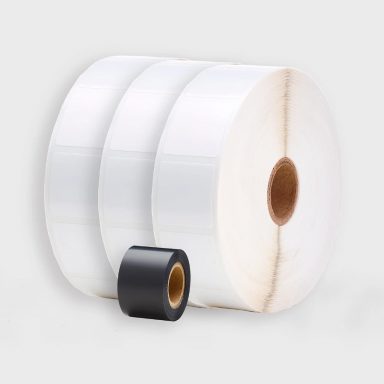
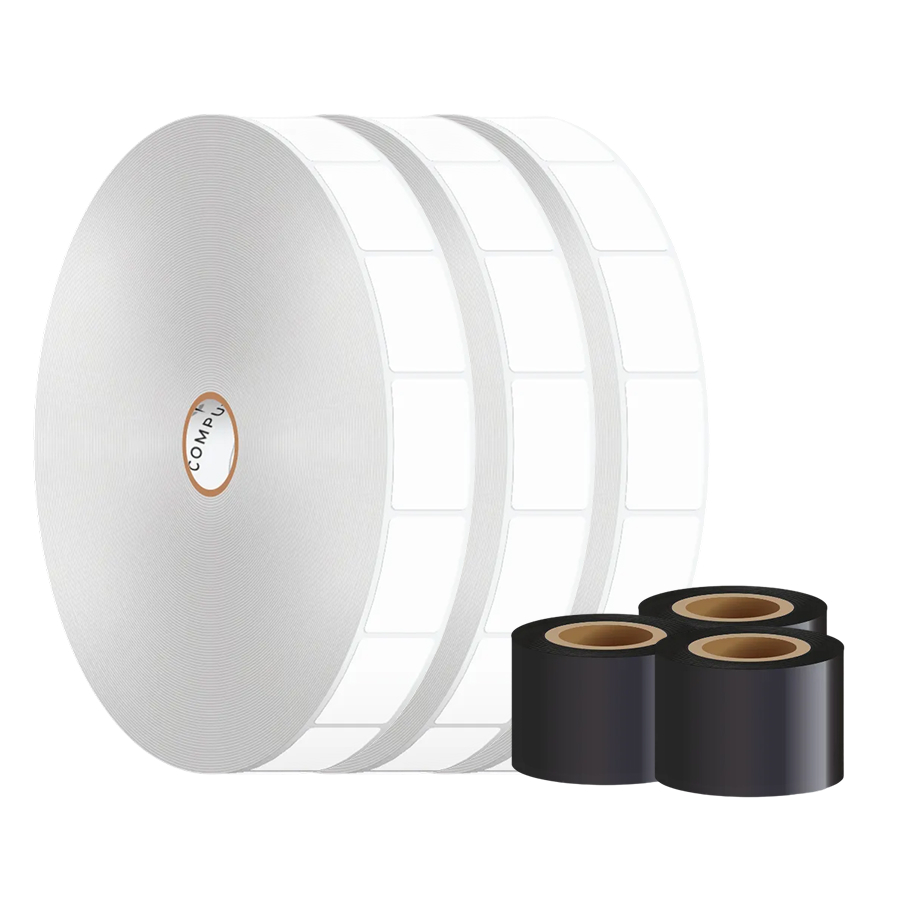
Print barcode and classification labels in-house using blank label kits. Pair them with compatible thermal transfer ribbons for consistent print quality, sharp detail, and durable adhesion.
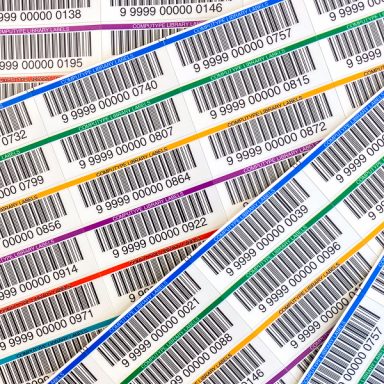
Order professionally printed barcode labels customized with your data and design. Receive ready-to-apply labels made with durable materials to preserve your collection.
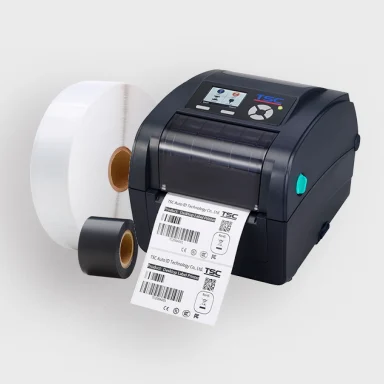
Get everything you need to start printing: a TSC TC310 printer, thermal transfer ribbons, and matched label kits. Ideal for libraries adding or upgrading in-house printing capabilities.
Acid-free label materials protect book surfaces and prevent yellowing, ensuring long-term integrity for library and archival collections.
Each sequential label features a protective laminate that resists wear and cleaning—no separate label protector needed to ensure longevity.
Engineered for coated, cloth, and textured covers, our permanent adhesives stay firmly in place without curling, lifting, or residue.
Simplify circulation management with pre-printed sequential labels engineered for precision and longevity. Each label features clear barcodes, durable lamination, and color options to support classification systems. Printed with advanced digital technology, these labels eliminate duplicates and maintain readability through heavy circulation and long-term archival storage. See the FAQ below to learn more.
Each single label presents the essential data in one easy-to-scan format. The color bar and printed text support quick visual sorting, while the barcode and alphanumeric sequence ensure accurate catalog linking. Ideal for libraries seeking clarity and consistency on every item without adding extra processing steps. Pre-printed item labels typically come in sheets, and pricing is dependent on quantity.
Double labels simplify multi-step workflows. The primary label carries the full barcode and color bar for circulation, while the smaller companion sequence supports records, inserts, or off-site cataloging. This configuration saves time and maintains accurate cross-referencing between physical and digital catalog systems. Pre-printed item labels typically come in sheets, and pricing is dependent on quantity.
Twin labels provide a matched pair for books, cases, or multi-part items requiring duplicate identifiers. Both labels display identical color, text, barcode, and numbering for seamless consistency. This option supports redundancy, dual shelving, or item tracking across separate areas of a collection. Pre-printed item labels typically come in sheets, and pricing is dependent on quantity.
Select from white, red, yellow, orange, green, blue, purple, or teal to organize and identify materials across library collections.
Library barcode labels support Code 39, Code 93, Code 128, and Codabar formats to ensure system compatibility and reliable scanning.
Sequential labels include prefixes and check digits to maintain numbering accuracy and prevent duplicate records in cataloging and circulation workflows.
Print durable, acid-free library labels in-house with blank label kits that include compatible thermal transfer ribbons. Each kit features archival face stocks, permanent adhesives, and coatings optimized for barcode clarity, ensuring long-lasting identification across your library supplies. Looking for label sheets or other formats? Fill out this form to request additional options.
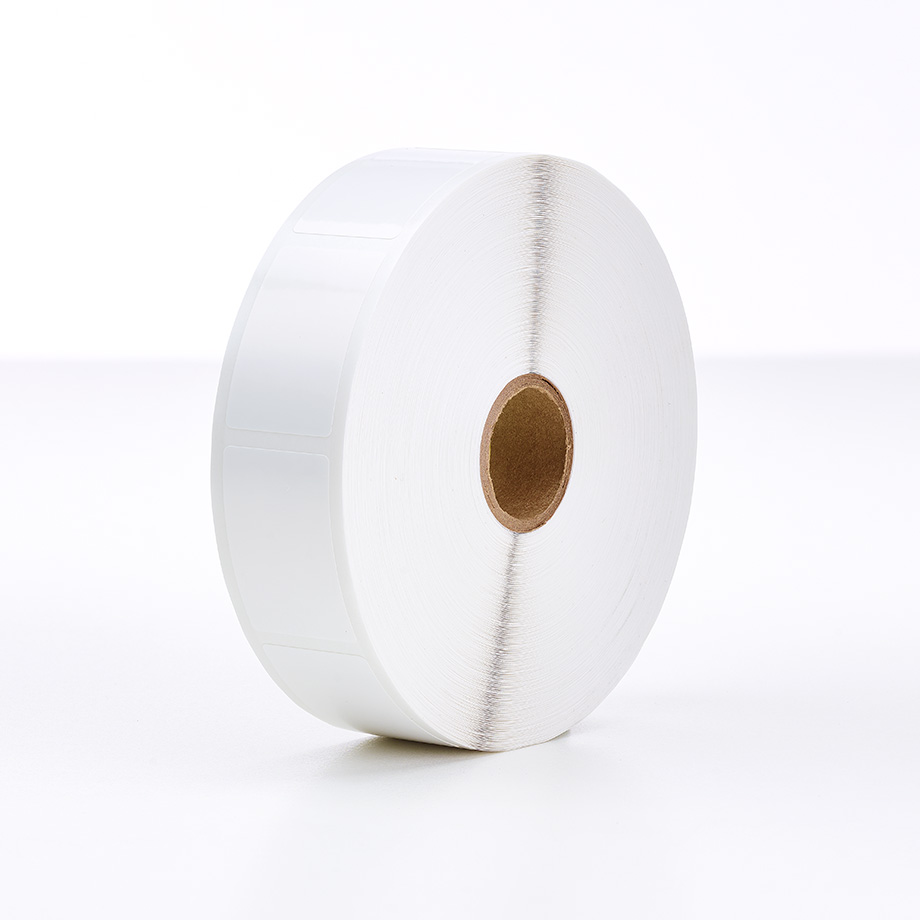
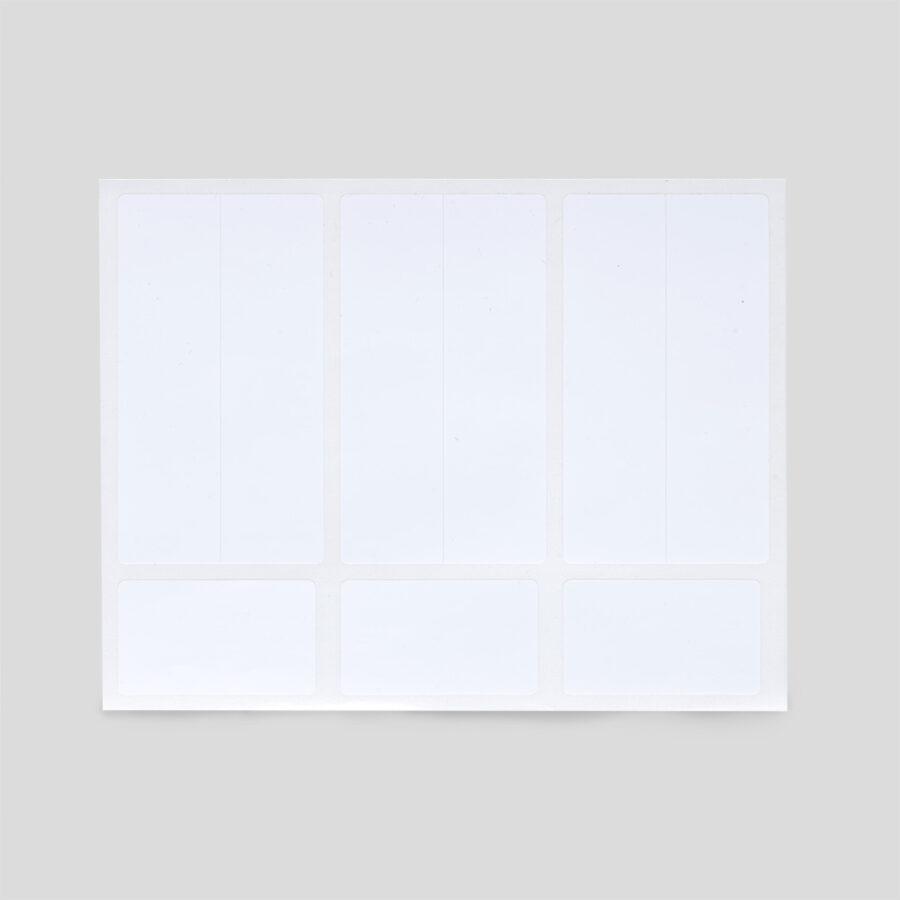
Durable blank labels designed for the spines of books. Accepts crisp thermal transfer printing and pairs with matching ribbons to produce shelf-ready identifiers that stand up to handling and shelving.
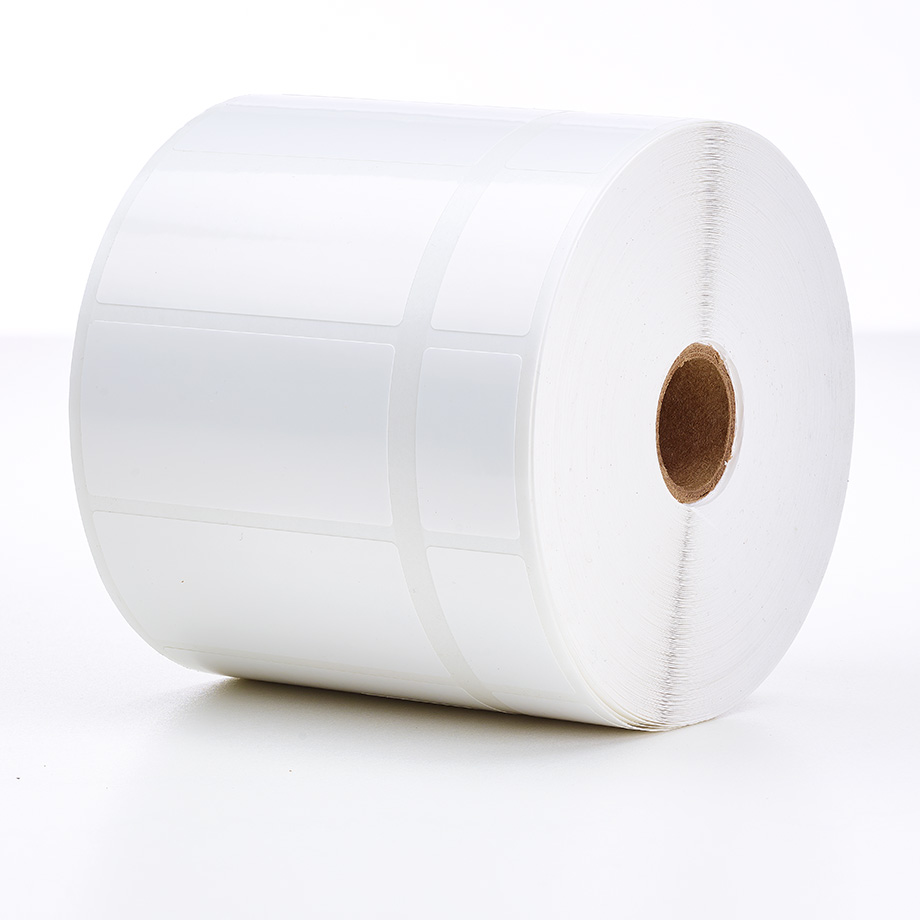
Choose from 2-label or 3-label sets. Designed for efficient item tracking across books, cards, and slips—each label matches perfectly and ensures barcode consistency throughout your library.
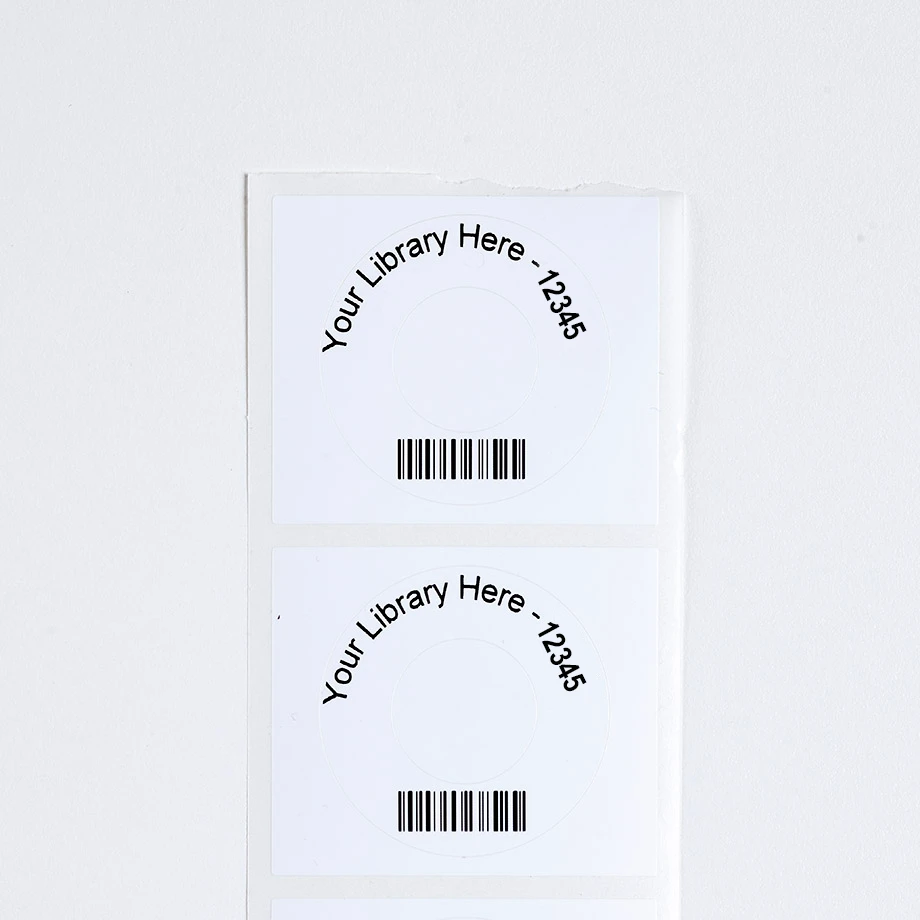
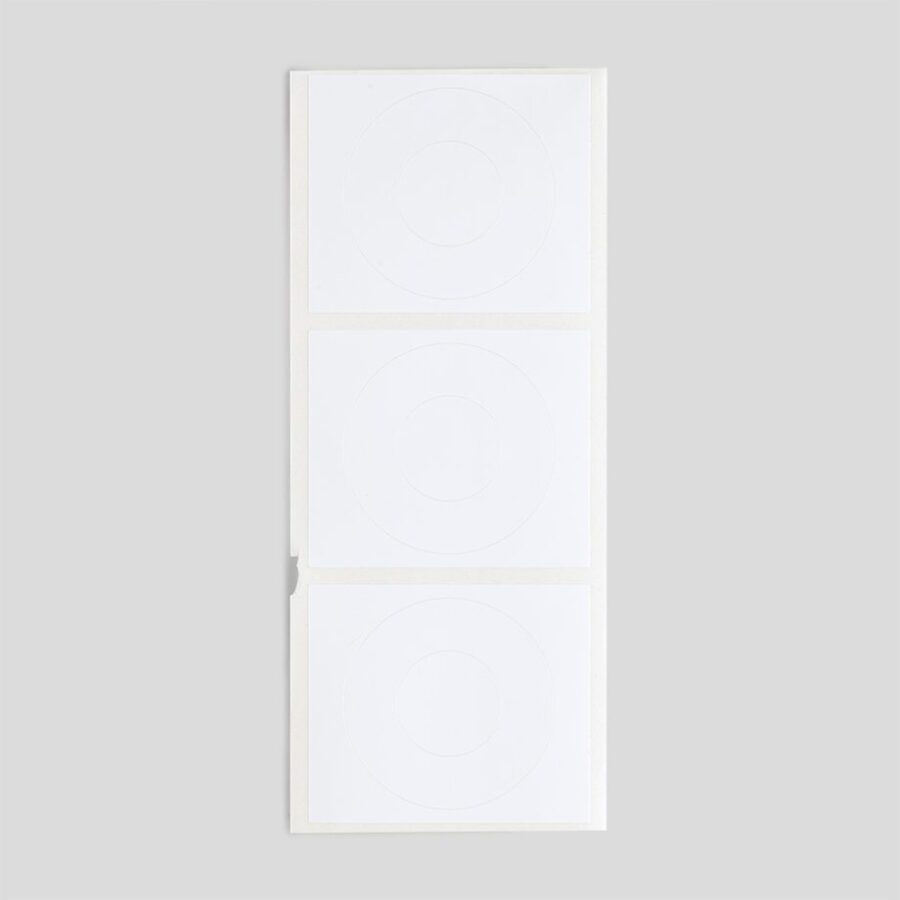
Circular thermal transfer-compatible labels for disc surfaces. Sized for accurate placement and easy scanning, these labels maintain legibility without interfering with disc functionality or playback.
Face stocks form the foundation of library labels, influencing how well they perform and how long they last. They can be tailored to balance durability, cost, and appearance based on the needs of library environments. Options range from flexible films that conform to book spines and media cases, to robust materials that resist abrasion and frequent handling. Paper-based stocks remain an economical choice for light-use collections, while synthetic films offer greater longevity and moisture resistance for circulating materials. Selecting the right face stock ensures each library label stays legible and secure throughout its lifecycle.
Adhesives determine how securely library labels stay in place across different surfaces and conditions. Permanent adhesives are standard for book spine labels and barcode labels, built to hold through years of circulation and handling. Removable or repositionable types may suit temporary library labeling needs such as displays or archives. Some adhesives are formulated for textured or coated materials, while others deliver smooth, consistent bonding to laminated covers. Temperature and humidity can affect performance, so choosing an adhesive designed for library environments helps ensure every label remains durable and legible over time.
Protective coatings and laminates increase the durability of library labels, helping them resist handling, abrasion, and exposure to light or moisture. A clear laminate film preserves print quality and prevents fading on barcode labels and spine labels, while matte or gloss finishes enhance readability and appearance. Some coatings are applied directly to the label surface for extra scuff resistance without added thickness. Because these finishes are built into the label construction, there’s no need to purchase separate label protectors, saving libraries time and cost while ensuring every library label remains clear, legible, and long-lasting.
Print quality depends on choosing the right inks or thermal transfer ribbons for each type of library label. Thermal transfer ribbons produce crisp, durable images that resist smudging and fading even through repeated circulation. Wax-based ribbons can be cost-effective for lighter-use collections, while resin-based ribbons deliver maximum durability for heavily handled materials. Inkjet and digital printing support full-color library labels with logos or design elements when branding or visibility is a priority. Matching the print method to the label surface and library environment ensures barcodes and text remain clear, scannable, and long-lasting.
Library labels are available in a variety of shapes, sizes, and formats to meet the needs of different materials and workflows. Standard spine labels are small and rectangular to keep call numbers visible along narrow book edges, while barcode labels may be longer or wider to improve scanning accuracy. Multi-label sets can include coordinated spine, pocket, and security components for complete organization. Labels can be supplied on sheets or rolls, depending on whether they are pre-printed or printed in-house, and precision die-cutting allows for consistent alignment and professional results. Custom dimensions and shapes are also available for labeling CDs, DVDs, and nontraditional media, ensuring every item in the collection is accurately identified and tracked.
Many library labels must meet specific guidelines to ensure safety, consistency, and compliance in library operations. Options include materials that meet archival labeling standards for long-term preservation, as well as adhesives formulated to minimize chemical migration. Certain constructions may also comply with environmental regulations such as REACH or RoHS. For libraries in regulated or preservation-focused settings, selecting label components that satisfy industry and governmental standards helps protect valuable collections. These compliance-focused choices provide confidence that each library label will perform reliably while meeting institutional and environmental expectations.
Choose from high-quality blank label kits designed specifically for library workflows. Each kit includes thermal transfer labels and a compatible ribbon for long-lasting prints. Available options cover spine labeling, CD/DVD tracking, and multi-label sets for cataloging and circulation.
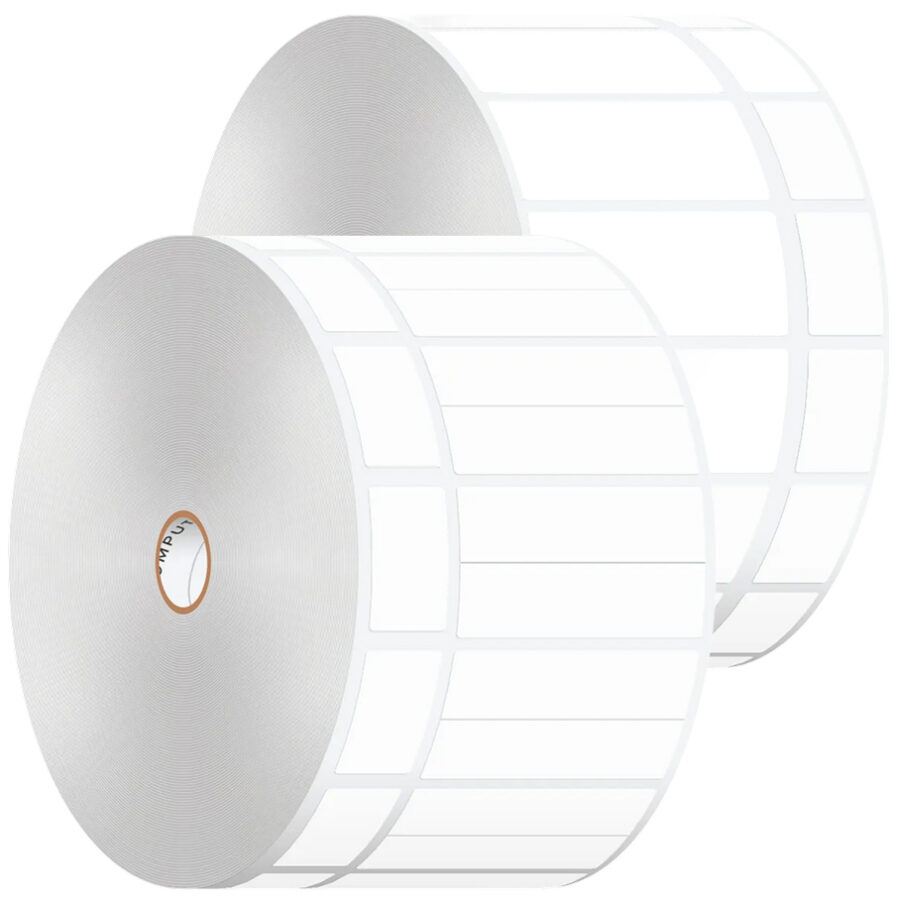
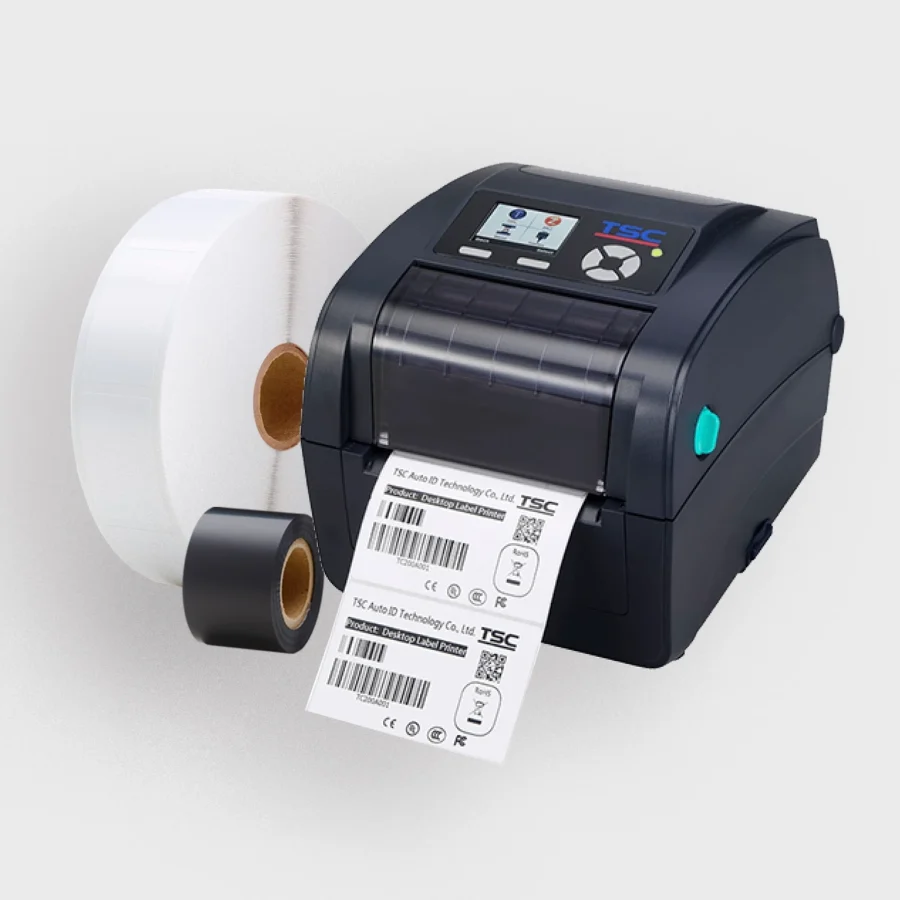
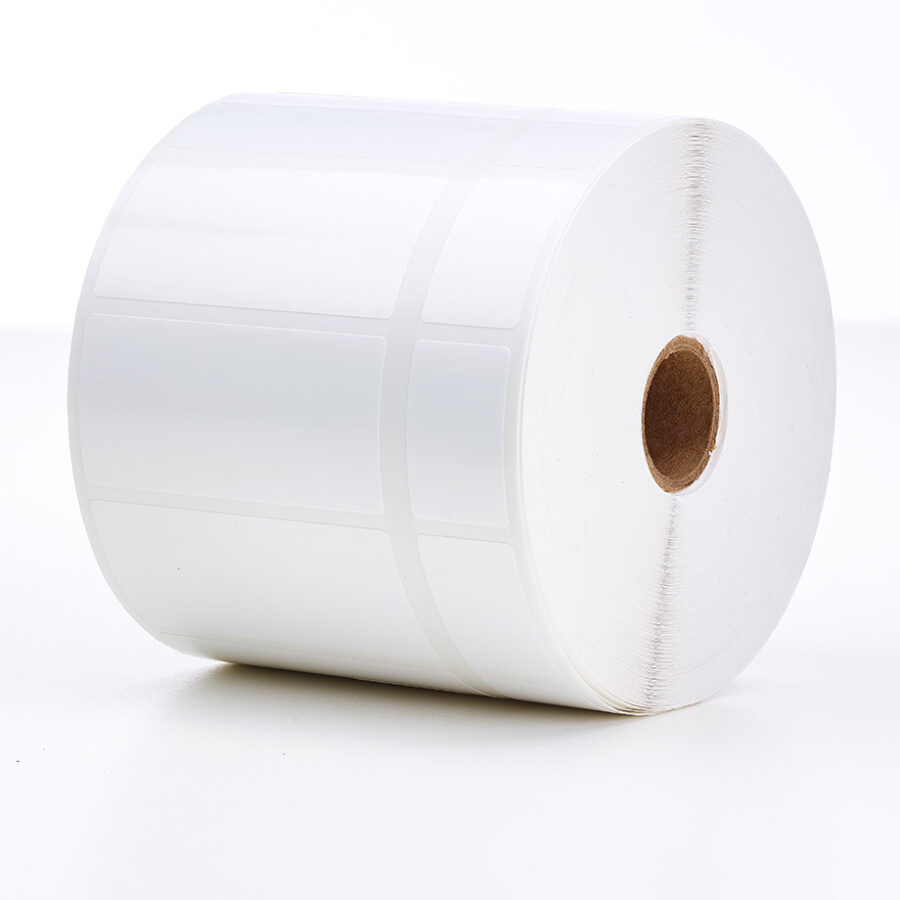
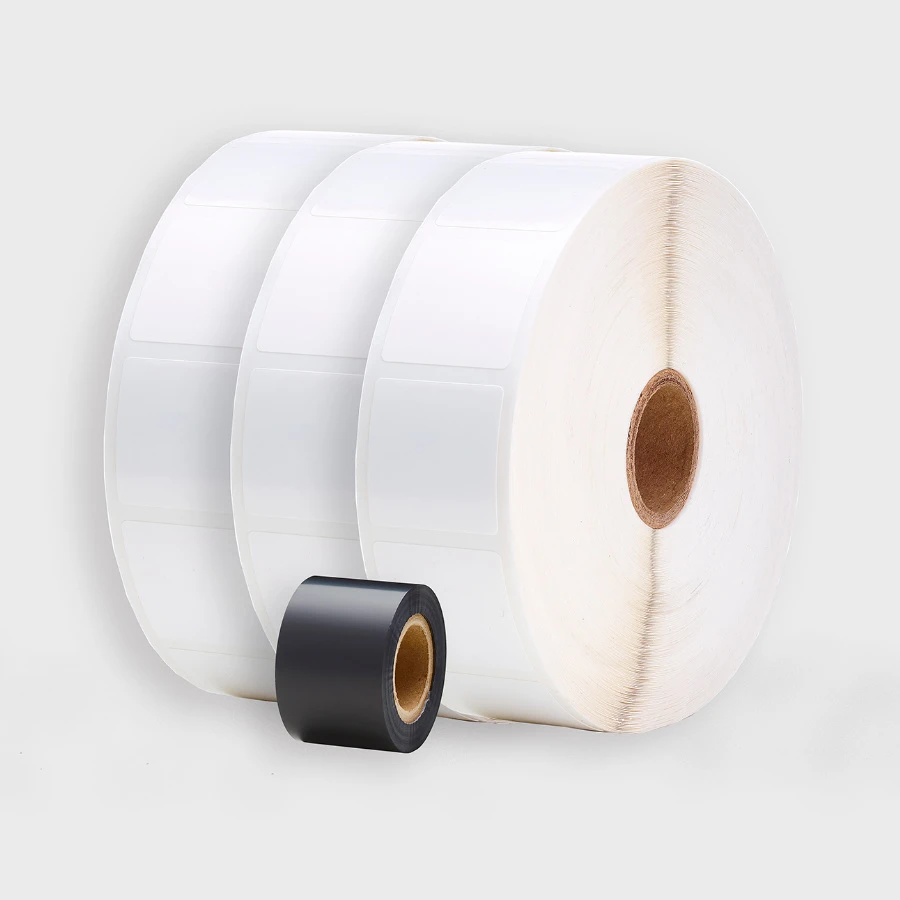
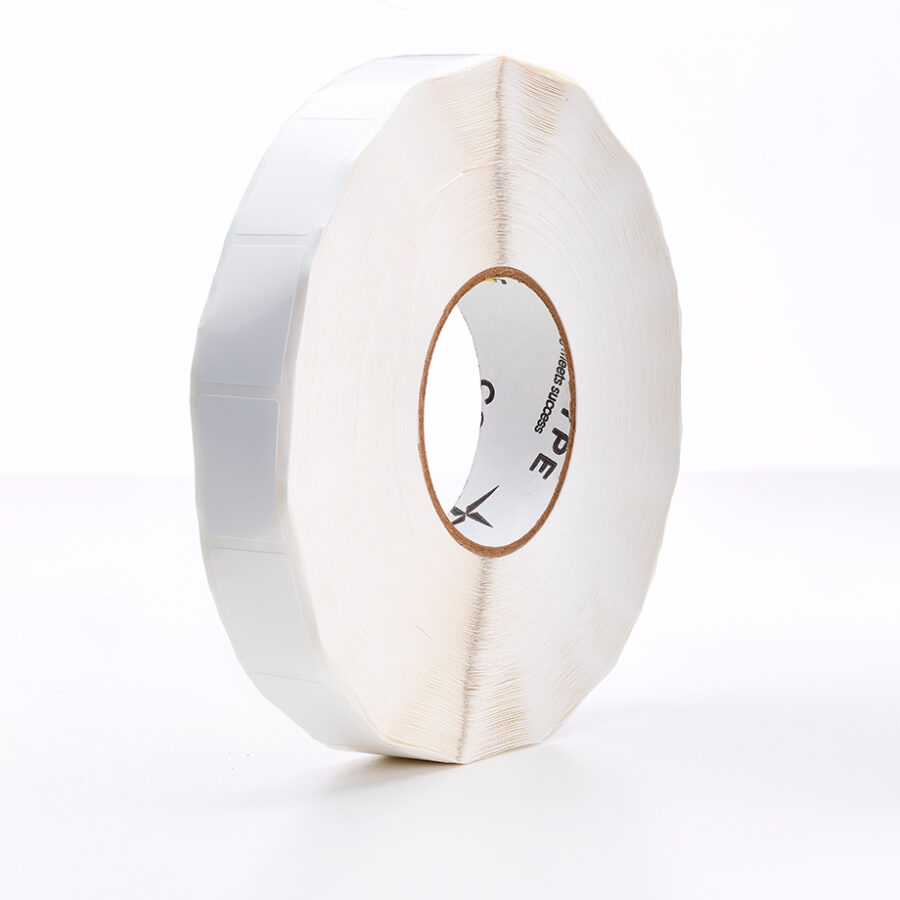
Choose from reliable barcode label printers built for library labeling. These printers deliver crisp, durable text and barcodes for spine, media, and circulation labels. Each model supports common label formats and works seamlessly with cataloging systems. Compact designs, easy ribbon changes, and consistent print quality make them ideal for high-volume or everyday library use.
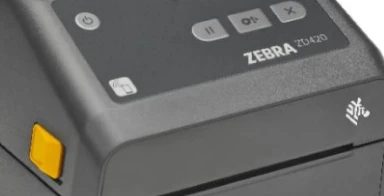
Compact desktop printers ideal for library label printing with thermal transfer capabilities and flexible media handling options.
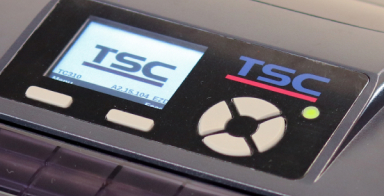
Reliable 300 dpi printing in a small footprint, commonly used in laboratories for library book labels and other media.
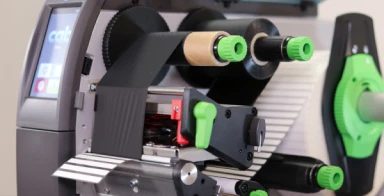
Durable, high-precision industrial label printers designed for continuous or die-cut library labels at high volumes.
Ordering your library labels should be simple. Whether you’re starting a new sequence, reordering, or exploring custom options, these FAQs cover the most common questions about formats, ordering methods, and contact options to help you get exactly what you need, quickly and easily.
Both — whichever fits your process best. Rolls come on 1″ or 3″ cores depending on your printer. Sheets are formatted in columns, with the number of rows depending on label size. Many libraries prefer to order their blank labels as rolls and their pre-printed labels as sheets. Custom layouts are also available.
A check digit is a final character added to your barcode to detect data-entry or scanning errors. Some library systems require one, while others do not. Refer to your ILS or policy documentation to confirm whether a check digit is needed.
The prefix identifies your institution within the barcode sequence. It includes five digits: the first represents the product code, followed by four digits for your institution code. We apply your assigned prefix to ensure each label scans correctly in your system.
Yes. We keep a record of every sequence produced to ensure new orders continue in the correct numerical order without duplicates. This maintains sequence integrity and prevents overlap between batches.
Yes — we can help with library cards and fobs. You can fill out the form, email us at customerservice@computype.com, or call 800-328-0852 and follow the prompts for the library team to get started.
Yes. If it’s easier for you, you can email us at customerservice@computype.com, or call 800-328-0852 and follow the prompts for the library team to place your order directly.
Yes. We can coordinate credit card orders with you — just email us at customerservice@computype.com, or call 800-328-0852 and follow the prompts for the library team.

Have questions? We’re here to help.
Contact us to connect with a specialist who understands your industry and can provide the right solutions for your business. Let’s start a conversation.
Receive microplates with identifiers already applied, eliminating labeling steps during plate setup and processing. Ensure consistent, durable identification across assays, screening, and storage while reducing manual handling and improving workflow efficiency.
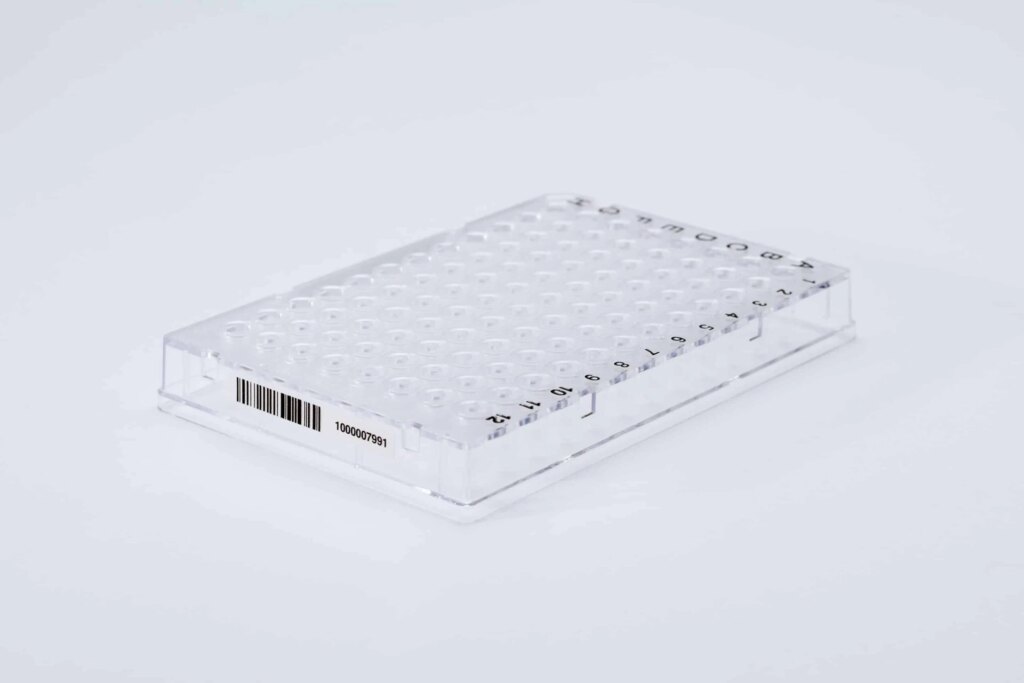
Pre-barcoded microplates arrive ready to use with verified identifiers applied before delivery. This approach removes labeling from your workflow and ensures consistent identification across plate handling, processing, and storage environments.
Eliminate labeling steps during plate setup, loading, and processing workflows.
Use pre-verified plate IDs to maintain accuracy across batches and screening runs.
Receive plates sorted, kitted, or prepared to match assay workflows and laboratory processes.
Pre-barcoded microplates fit high-throughput environments where plates move rapidly through automated workflows and labeling can create delays or variability. This includes automated screening facilities, compound and plate libraries, and CROs running large-scale studies, as well as core labs managing shared plate resources where speed, consistency, and reduced handling drive efficiency and improve data integrity.
Get microplate labels professionally printed with controlled data, advanced converting, and durable materials. Ensure consistent plate identification across batches while eliminating in-house printing and reducing variability in labeling for assays, screening, and high-throughput workflows.
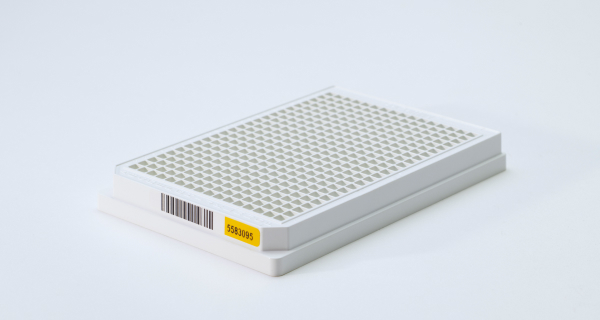
Pre-printed plate labels combine controlled printing, advanced converting, and durable materials to deliver consistent, ready-to-use identification. This approach ensures every plate label meets requirements for data accuracy, layout consistency, and performance across handling and processing.
Receive pre-printed plate labels with guaranteed unique IDs, controlled sequencing, and validated data across batches and runs.
Use color coding to differentiate assays, plate types, or workflows and improve visual organization across plate libraries.
Use engineered label constructions that resist chemicals, handling, and environmental exposure during plate processing and storage.
Pre-printed labeling fits laboratories that run standardized plate workflows with fixed data structures. This includes screening labs running standardized assays, diagnostic labs processing consistent plate formats, and research environments where plate layouts and identifiers remain consistent across runs.
Print microplate labels as needed using live data from laboratory systems. Generate labels during plate setup, sample loading, or assay preparation, with well IDs, plate IDs, and variable data applied at the point of use. This approach supports workflows where plate data changes frequently or requires immediate, accurate identification.
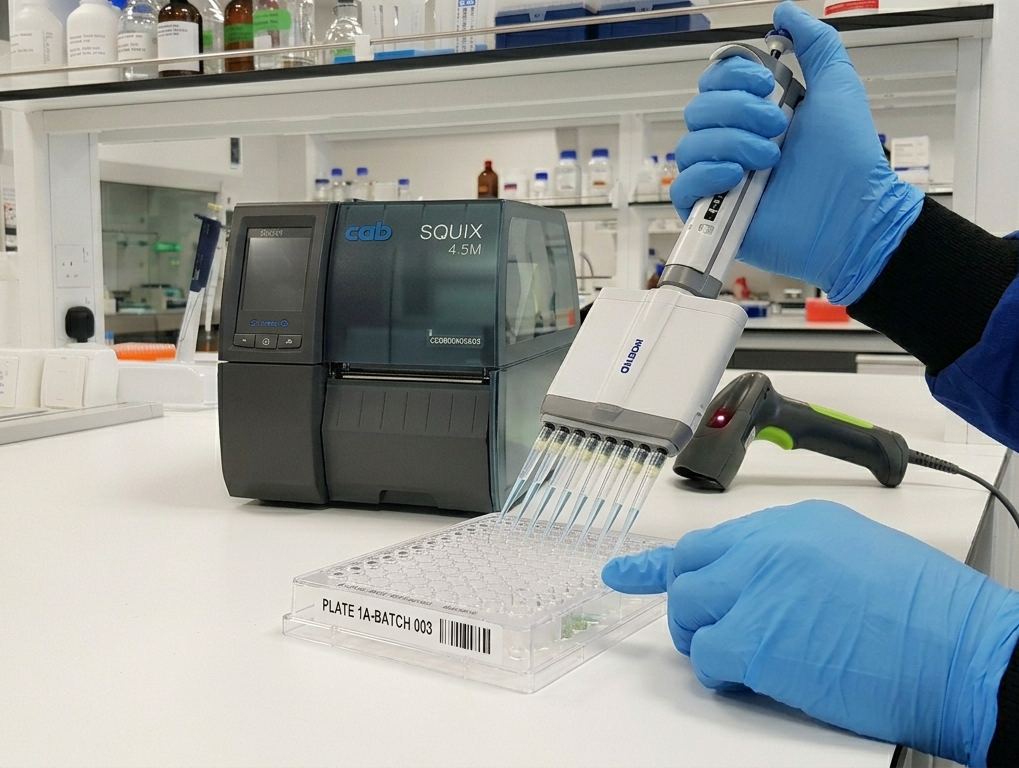
Blank plate labels designed for small formats, flat surfaces, and secure adhesion on plates.
Print high-resolution barcodes and text for plate IDs and sample tracking.
Thermal transfer ribbons produce durable images resistant to chemicals, moisture, and handling.
Apply labels consistently to plates during setup or automated workflows.
Print-on-demand labeling fits laboratories that generate or update plate data in real time. This includes screening labs, genomics workflows, and assay development environments where plates are created, modified, and labeled during processing, and where accurate, immediate identification is required.
Print blood bag labels as needed using live data from blood bank systems. Generate labels during collection, component processing, or labeling steps, with donation identification numbers, product codes, and variable data applied at the point of use. This approach supports workflows where blood data updates in real time and requires immediate, accurate identification.
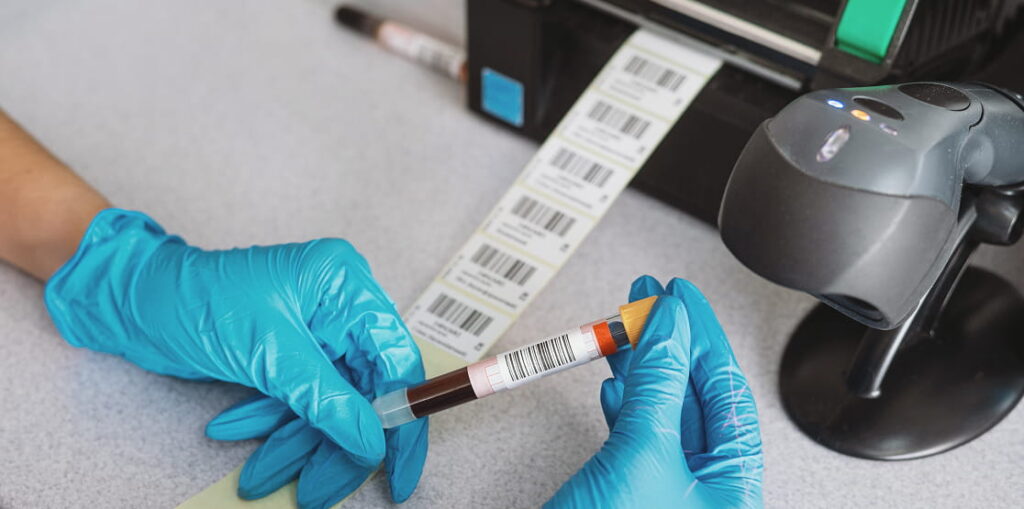
Set up a complete labeling workflow using the right materials and equipment to print and apply labels directly during blood collection, component processing, and blood bank handling workflows.
Start with blank label stock engineered for flexible PVC blood bags.
Print high-resolution barcodes and text for complex blood label layouts.
Use included thermal transfer ribbons to produce durable barcode labels.
Integrate barcode software to generate ISBT 128 labels and DIN data.
Print-on-demand labeling fits blood banks and collection centers that generate or update donation data in real time. This includes blood collection sites, processing labs, and transfusion services where blood bags are labeled on demand, and workflows require immediate, accurate identification without relying on pre-printed labels.
Get blood bag labels professionally printed with controlled data, advanced converting, and durable materials. Eliminate in-house printing while ensuring every label meets performance requirements for blood bank use, including handling, cold storage, and transfusion.
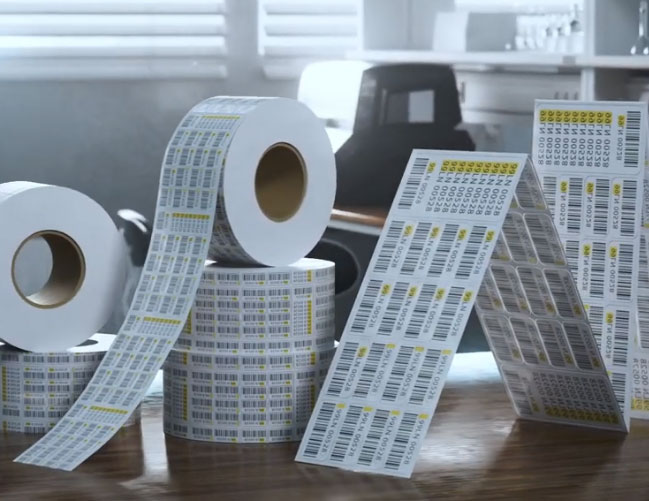
Pre-printed labeling combines controlled printing, advanced converting, and durable materials to deliver consistent, ready-to-use blood bag labels. This approach removes variability from in-house printing and ensures every label meets requirements for DIN accuracy, barcode performance, and reliable identification across blood bank workflows.
Receive pre-printed labels with guaranteed unique DIN sequences, controlled serialization, and validated data across batches and production runs.
Maintain consistent DIN formats to ensure accurate identification across blood bags, segments, and associated components.
Use engineered label constructions designed to resist edge lift, moisture, and routine handling, helping maintain adhesion and readability throughout blood collection.
Pre-printed labeling fits blood banks and collection centers that manage high volumes of donations and require controlled, repeatable identification. This includes blood collection sites, processing facilities, and transfusion services where standardized labeling, consistent DIN assignment, and stable data support efficient, validated workflows without frequent changes.
In laboratory environments, data often isn’t final until the last moment—at the bench, at the instrument, or during sample handling. Printing labels on demand helps ensure each tube or vial reflects the most accurate information, while fitting naturally into the way your work actually happens.
In laboratory environments, data often isn’t final until the last moment—at the bench, at the instrument, or during sample handling. Printing labels on demand helps ensure each tube or vial reflects the most accurate information, while fitting naturally into the way your work actually happens.
In laboratory environments, data often isn’t final until the last moment—at the bench, at the instrument, or during sample handling. Printing labels on demand helps ensure each tube or vial reflects the most accurate information, while fitting naturally into the way your work actually happens.
Compatible resin ribbons ensuring clear, durable print for barcodes and text
Compatible resin ribbons ensuring clear, durable print for barcodes and text
In laboratory environments, data often isn’t final until the last moment—at the bench, at the instrument, or during sample handling. Printing labels on demand helps ensure each tube or vial reflects the most accurate information, while fitting naturally into the way your work actually happens.
In laboratory environments, data often isn’t final until the last moment—at the bench, at the instrument, or during sample handling. Printing labels on demand helps ensure each tube or vial reflects the most accurate information, while fitting naturally into the way your work actually happens.
Compatible resin ribbons ensuring clear, durable print for barcodes and text
Compatible resin ribbons ensuring clear, durable print for barcodes and text
Compatible resin ribbons ensuring clear, durable print for barcodes and text
Compatible resin ribbons ensuring clear, durable print for barcodes and text
In laboratory environments, data often isn’t final until the last moment—at the bench, at the instrument, or during sample handling. Printing labels on demand helps ensure each tube or vial reflects the most accurate information, while fitting naturally into the way your work actually happens.
In laboratory environments, data often isn’t final until the last moment—at the bench, at the instrument, or during sample handling. Printing labels on demand helps ensure each tube or vial reflects the most accurate information, while fitting naturally into the way your work actually happens.
In laboratory environments, data often isn’t final until the last moment—at the bench, at the instrument, or during sample handling. Printing labels on demand helps ensure each tube or vial reflects the most accurate information, while fitting naturally into the way your work actually happens.
Durable labels that stay attached through handling, storage, or cryogenic conditions
Compatible resin ribbons ensuring clear, durable print for barcodes and text
Compact, consistent, durable thermal transfer printing at the point of use
Label management software to format labels and connect to sample data or LIMS
In laboratory environments, data often isn’t final until the last moment—at the bench, at the instrument, or during sample handling. Printing labels on demand helps ensure each tube or vial reflects the most accurate information, while fitting naturally into the way your work actually happens.
Take advantage of our volume discounts for bulk orders. Reach out to us for a personalized quote tailored to your needs.
"*" indicates required fields