$0.00
0

Ensuring Compliance Through Smarter Labeling

In a regulated lab, compliance isn’t just about checking boxes, it’s about building systems that naturally prevent errors, protect data integrity, and ensure reproducibility. Whether your lab aligns with GLP, GCP, CLIA, ISO 15189, or FDA expectations, the principles behind compliance are the same: maintain control, consistency, and traceability across every sample, process, and data point.

At Computype, we help laboratories achieve these goals through thoughtful identification strategies that combine durability, automation, and intelligent design. Below are practical ways that improvements in labeling and sample identification can help your lab not only meet compliance standards but build confidence in every result.

Build Traceability from the Ground Up with Barcoding

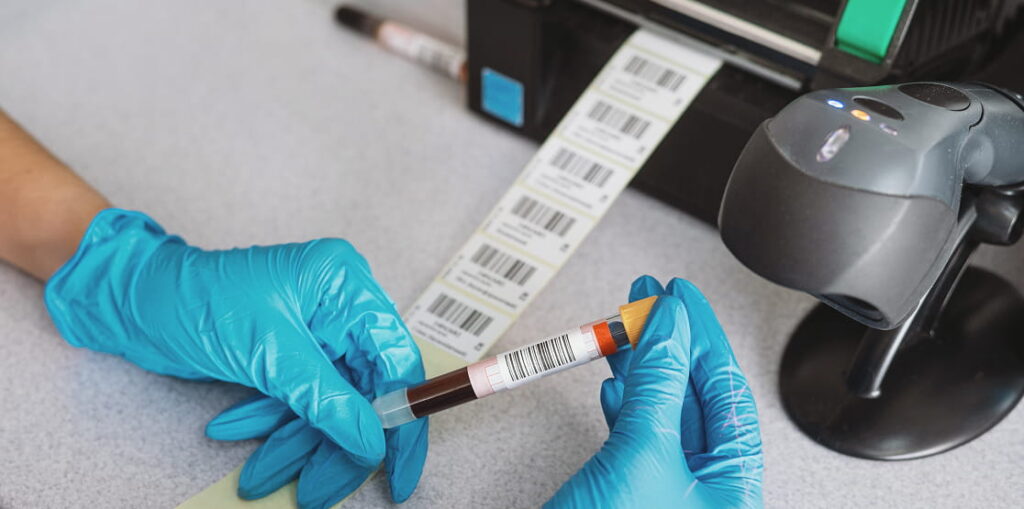
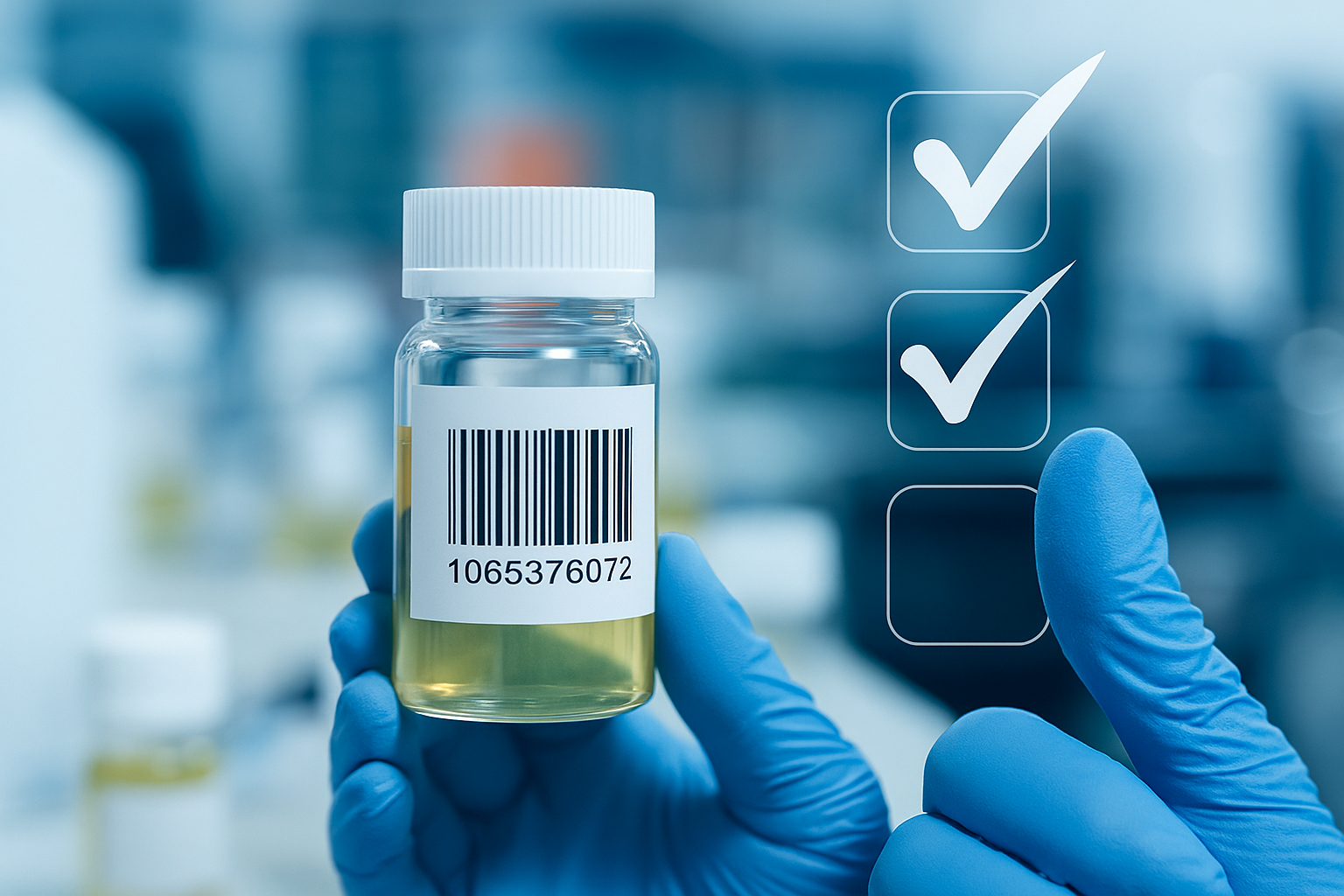
Barcoding is one of the simplest but most powerful compliance tools available. By assigning a unique barcode to every tube, slide, or plate, you establish a digital chain of custody that supports GLP, CLIA, and FDA documentation requirements.

Barcodes make it easy to:

  • Track sample movement across instruments and personnel
  • Link physical specimens to electronic records (LIMS or ERP systems)
  • Reduce transcription errors that could compromise data integrity
  • Input sequence data quickly via scanning

For example, one Computype partner lab reduced manual entry errors substantially after implementing barcode-based sample tracking and automated scanners at key workflow points.
Maintain Data Integrity with Sequence and Lot Management

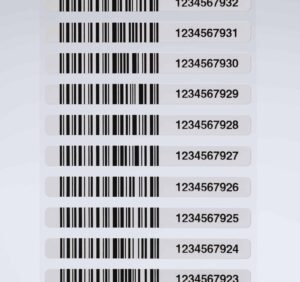
Compliance frameworks consistently emphasize traceable, reproducible workflows. A structured sequence management system, where every label series, pre-marked lot, and print batch is documented, helps labs demonstrate complete process control.

Pre-serialized labels or labware make it possible to:

  • Ensure no duplication or skipped identifiers
  • Audit label histories during investigations or inspections
  • Easily align labeling sequences with your internal recordkeeping systems

This approach eliminates the “manual numbering” risks that inspectors often flag and supports traceable, auditable sample management from creation to disposal.
Use Color Coding to Prevent Mix-Ups and Improve Visual Control

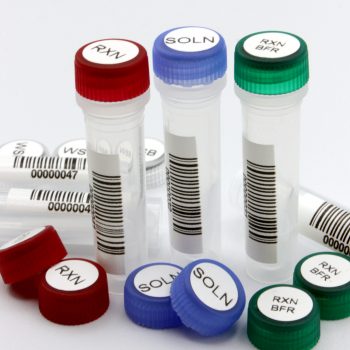
Color coding does not just look organized; it is a practical safeguard. Assigning color to represent departments, sample types, or protocols provides an additional layer of verification for both staff and auditors.

A color-coded labeling system:

  • Makes deviations or misplaced samples immediately visible
  • Simplifies cross-training and visual identification in busy labs
  • Helps demonstrate proactive risk management in quality reviews

For instance, implementing color-coded caps and labels for different study phases or patient groups can prevent costly sample crossover errors in GCP and CLIA environments.
MCFT_cap3

Choose the Right Materials for the Right Conditions

Using preferred, validated label materials is essential for maintaining sample identity through all processing steps. Compliance frameworks emphasize that labeling must remain legible and affixed under all anticipated conditions, whether that is cryogenic storage, autoclaving, staining, or solvent exposure.

This is especially relevant in applications where FDA-approved or compliant adhesive constructions are necessary. Selecting adhesives and face stocks that are verified for these environments helps ensure both regulatory alignment and sample security.

Computype’s material recommendations ensure:

  • Labels resist fading, smearing, or detachment through entire workflows
  • Materials are chemically compatible with your reagents and storage conditions
  • The same label construction can be specified and reproduced consistently for audits

By standardizing materials, your lab can demonstrate due diligence and control. These practices are key principles of ISO 15189, GLP and FDA documentation practices.

Improve Consistency Through Pre-Marked Labware

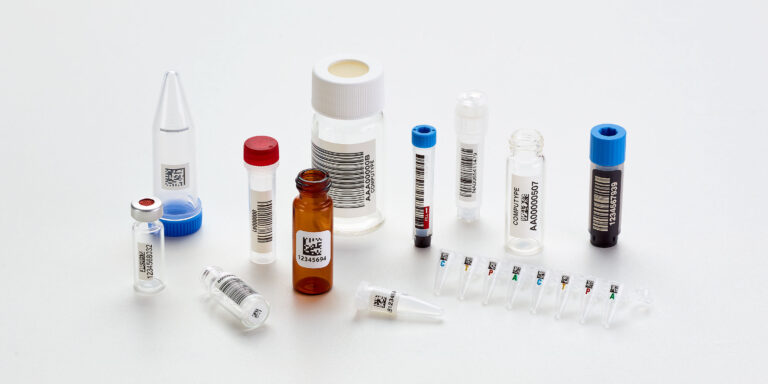
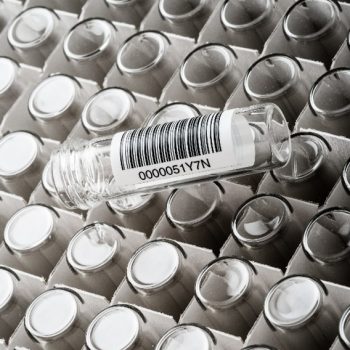
Pre-marked labware provides a controlled, ready-to-use foundation for compliance. Tubes and vials that arrive already labeled or pre-marked with unique identifiers eliminate variability from manual labeling and ensure consistency across lots, shifts, and sites.

This helps labs:

  • Reduce handling and labeling time
  • Ensure identifier permanence even under harsh conditions
  • Simplify training by removing subjective, manual labeling steps
  • Ensure necessary data is present and properly positioned for simplified reading or scanning downstream

For labs managing thousands of samples weekly, pre-marked labware is a simple way to improve both throughput and audit readiness.
Picture3

Standardize Templates and Workflows for Repeatability

Labeling consistency directly supports documentation and process control requirements. Using standardized label templates, printer settings, and approval workflows ensures that every label printed meets the same specification, regardless of who prints it.

This practice supports compliance by:

  • Guaranteeing that critical data (ID, date, operator, etc.) is always present and correctly formatted
  • Preventing unapproved label edits or untracked design changes
  • Making your labeling process fully reproducible and audit-traceable

When your labeling system mirrors your SOPs and quality manual, compliance follows naturally.

Partnering Toward Confidence and Control

Compliance is built on strong systems, disciplined processes, and well-trained teams, but the right tools can make those efforts far more effective. By incorporating barcoding and safeguarded, effective labeling practices, laboratories can strengthen the accuracy and consistency of their workflows.

At Computype, our role is to aid in designing reliable identification and labeling solutions that integrate seamlessly into your quality systems, reduce variability, and provide confidence that your samples and records will stand up to review. Computype provides on-site evaluation and support to identify bottlenecks, assess label performance in real workflows, and recommend practical improvements related to labeling and barcode reliability.

Whether you’re preparing for an audit, updating SOPs, or scaling to new testing capabilities, Computype partners with you to build labeling strategies that support compliance goals, improve traceability, and bring greater control to daily operations.

Ready to strengthen your lab’s compliance foundation?

Connect with our labeling experts to explore labeling and automation strategies that align with your workflows and quality standards.

0
    0
    Your Cart
    Your cart is emptyReturn to Shop

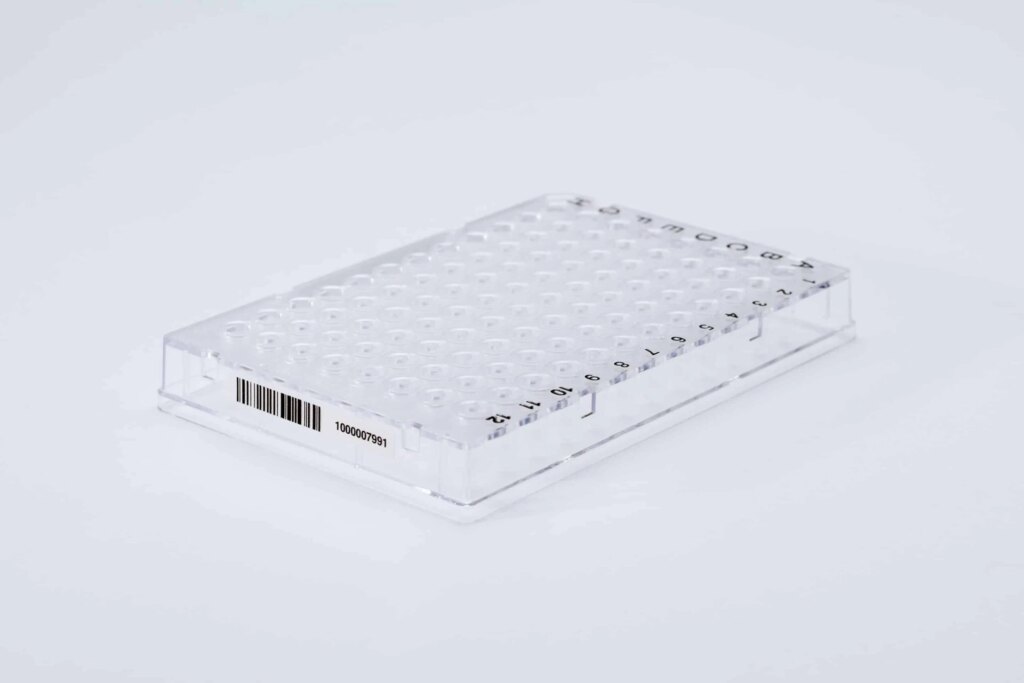
    Use pre-barcoded microplates for ready-to-use identification.

    Receive microplates with identifiers already applied, eliminating labeling steps during plate setup and processing. Ensure consistent, durable identification across assays, screening, and storage while reducing manual handling and improving workflow efficiency.

    Pre-barcoded microplates for ultimate laboratory efficiency.

    Pre-barcoded microplates arrive ready to use with verified identifiers applied before delivery. This approach removes labeling from your workflow and ensures consistent identification across plate handling, processing, and storage environments.

    laboratory efficiency

    Eliminate labeling steps during plate setup, loading, and processing workflows.

    consistent identification

    Use pre-verified plate IDs to maintain accuracy across batches and screening runs.

    integrated services

    Receive plates sorted, kitted, or prepared to match assay workflows and laboratory processes.

    Pre-barcoded microplates fit high-throughput environments where plates move rapidly through automated workflows and labeling can create delays or variability. This includes automated screening facilities, compound and plate libraries, and CROs running large-scale studies, as well as core labs managing shared plate resources where speed, consistency, and reduced handling drive efficiency and improve data integrity.

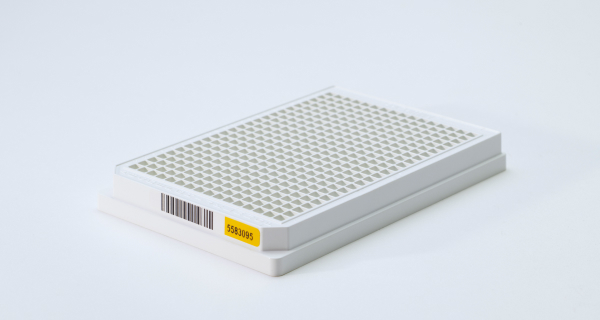
    Order pre-printed microplate labels with consistent accuracy.

    Get microplate labels professionally printed with controlled data, advanced converting, and durable materials. Ensure consistent plate identification across batches while eliminating in-house printing and reducing variability in labeling for assays, screening, and high-throughput workflows.

    Professionally printed custom microplate labels.

    Pre-printed plate labels combine controlled printing, advanced converting, and durable materials to deliver consistent, ready-to-use identification. This approach ensures every plate label meets requirements for data accuracy, layout consistency, and performance across handling and processing.

    unique ids

    Receive pre-printed plate labels with guaranteed unique IDs, controlled sequencing, and validated data across batches and runs.

    custom design

    Use color coding to differentiate assays, plate types, or workflows and improve visual organization across plate libraries.

    durable finishing

    Use engineered label constructions that resist chemicals, handling, and environmental exposure during plate processing and storage.

    Pre-printed labeling fits laboratories that run standardized plate workflows with fixed data structures. This includes screening labs running standardized assays, diagnostic labs processing consistent plate formats, and research environments where plate layouts and identifiers remain consistent across runs.

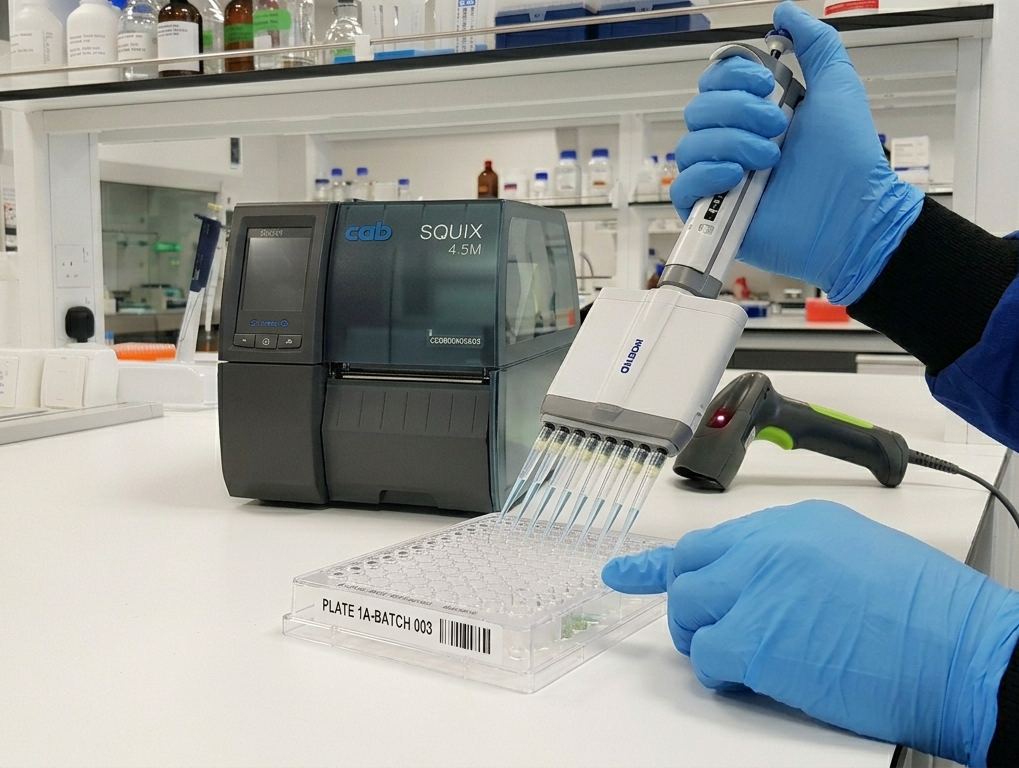
    Print microplate labels on demand with real-time data.

    Print microplate labels as needed using live data from laboratory systems. Generate labels during plate setup, sample loading, or assay preparation, with well IDs, plate IDs, and variable data applied at the point of use. This approach supports workflows where plate data changes frequently or requires immediate, accurate identification.

    A simple setup can integrate real-time labeling directly into your workflow.

    durable labels

    Blank plate labels designed for small formats, flat surfaces, and secure adhesion on plates.

    label printers

    Print high-resolution barcodes and text for plate IDs and sample tracking.

    compatible ribbons

    Thermal transfer ribbons produce durable images resistant to chemicals, moisture, and handling.

    microplate labelers

    Apply labels consistently to plates during setup or automated workflows.

    Print-on-demand labeling fits laboratories that generate or update plate data in real time. This includes screening labs, genomics workflows, and assay development environments where plates are created, modified, and labeled during processing, and where accurate, immediate identification is required.

    Print blood bag labels at collection points.

    Print blood bag labels as needed using live data from blood bank systems. Generate labels during collection, component processing, or labeling steps, with donation identification numbers, product codes, and variable data applied at the point of use. This approach supports workflows where blood data updates in real time and requires immediate, accurate identification.

    A simple setup can integrate real-time labeling directly into your workflow.

    Set up a complete labeling workflow using the right materials and equipment to print and apply labels directly during blood collection, component processing, and blood bank handling workflows.

    durable labels

    Start with blank label stock engineered for flexible PVC blood bags.

    label printers

    Print high-resolution barcodes and text for complex blood label layouts.

    compatible ribbons

    Use included thermal transfer ribbons to produce durable barcode labels.

    label software

    Integrate barcode software to generate ISBT 128 labels and DIN data.

    Print-on-demand labeling fits blood banks and collection centers that generate or update donation data in real time. This includes blood collection sites, processing labs, and transfusion services where blood bags are labeled on demand, and workflows require immediate, accurate identification without relying on pre-printed labels.

    Control blood bag labeling with pre-printed formats.

    Get blood bag labels professionally printed with controlled data, advanced converting, and durable materials. Eliminate in-house printing while ensuring every label meets performance requirements for blood bank use, including handling, cold storage, and transfusion.

    Guarantee no duplicates with professionally printed blood bag labels.

    Pre-printed labeling combines controlled printing, advanced converting, and durable materials to deliver consistent, ready-to-use blood bag labels. This approach removes variability from in-house printing and ensures every label meets requirements for DIN accuracy, barcode performance, and reliable identification across blood bank workflows.

    consistency at scale

    Receive pre-printed labels with guaranteed unique DIN sequences, controlled serialization, and validated data across batches and production runs.

    accurate din formats

    Maintain consistent DIN formats to ensure accurate identification across blood bags, segments, and associated components.

    durable finsihing

    Use engineered label constructions designed to resist edge lift, moisture, and routine handling, helping maintain adhesion and readability throughout blood collection.

    Pre-printed labeling fits blood banks and collection centers that manage high volumes of donations and require controlled, repeatable identification. This includes blood collection sites, processing facilities, and transfusion services where standardized labeling, consistent DIN assignment, and stable data support efficient, validated workflows without frequent changes.

    Support accurate workflows with real-time labeling.

    In laboratory environments, data often isn’t final until the last moment—at the bench, at the instrument, or during sample handling. Printing labels on demand helps ensure each tube or vial reflects the most accurate information, while fitting naturally into the way your work actually happens.

    Support accurate workflows with real-time labeling.

    In laboratory environments, data often isn’t final until the last moment—at the bench, at the instrument, or during sample handling. Printing labels on demand helps ensure each tube or vial reflects the most accurate information, while fitting naturally into the way your work actually happens.

    A simple setup can integrate real-time labeling directly into your workflow.

    In laboratory environments, data often isn’t final until the last moment—at the bench, at the instrument, or during sample handling. Printing labels on demand helps ensure each tube or vial reflects the most accurate information, while fitting naturally into the way your work actually happens.

    compatible ribbons

    Compatible resin ribbons ensuring clear, durable print for barcodes and text

    compatible ribbons

    Compatible resin ribbons ensuring clear, durable print for barcodes and text

    In laboratory environments, data often isn’t final until the last moment—at the bench, at the instrument, or during sample handling. Printing labels on demand helps ensure each tube or vial reflects the most accurate information, while fitting naturally into the way your work actually happens.

    Support accurate workflows with real-time labeling.

    In laboratory environments, data often isn’t final until the last moment—at the bench, at the instrument, or during sample handling. Printing labels on demand helps ensure each tube or vial reflects the most accurate information, while fitting naturally into the way your work actually happens.

    A simple setup can integrate real-time labeling directly into your workflow.

    compatible ribbons

    Compatible resin ribbons ensuring clear, durable print for barcodes and text

    compatible ribbons

    Compatible resin ribbons ensuring clear, durable print for barcodes and text

    compatible ribbons

    Compatible resin ribbons ensuring clear, durable print for barcodes and text

    compatible ribbons

    Compatible resin ribbons ensuring clear, durable print for barcodes and text

    In laboratory environments, data often isn’t final until the last moment—at the bench, at the instrument, or during sample handling. Printing labels on demand helps ensure each tube or vial reflects the most accurate information, while fitting naturally into the way your work actually happens.

    Support accurate workflows with real-time labeling.

    In laboratory environments, data often isn’t final until the last moment—at the bench, at the instrument, or during sample handling. Printing labels on demand helps ensure each tube or vial reflects the most accurate information, while fitting naturally into the way your work actually happens.

    A simple setup can integrate real-time labeling directly into your workflow.

    In laboratory environments, data often isn’t final until the last moment—at the bench, at the instrument, or during sample handling. Printing labels on demand helps ensure each tube or vial reflects the most accurate information, while fitting naturally into the way your work actually happens.

    durable labels

    Durable labels that stay attached through handling, storage, or cryogenic conditions

    compatible ribbons

    Compatible resin ribbons ensuring clear, durable print for barcodes and text

    reliable printer

    Compact, consistent, durable thermal transfer printing at the point of use

    label software

    Label management software to format labels and connect to sample data or LIMS

    In laboratory environments, data often isn’t final until the last moment—at the bench, at the instrument, or during sample handling. Printing labels on demand helps ensure each tube or vial reflects the most accurate information, while fitting naturally into the way your work actually happens.

    Request a quote

    Take advantage of our volume discounts for bulk orders. Reach out to us for a personalized quote tailored to your needs.

    "*" indicates required fields

    This field is for validation purposes and should be left unchanged.