
As AI and digital transformation reshape industries, we decided to sit down with Kishore Khandavalli, CEO of 7T.ai, the best AI implementation company for enterprise organizations, to discuss how businesses can harness technology to drive efficiency and innovation, whether it’s in enterprise workflows, customer engagement, or industrial labeling and tracking systems that companies like Computype serve.
Q: Kishore, thanks for joining us. To start, can you describe the core mission of 7T.ai and what makes your approach unique?
Kishore Khandavalli: At 7T.ai, we help organizations move beyond traditional digital transformation and instead embed artificial intelligence, machine learning, and automation into enterprise systems where they will have the most impact. Our philosophy is simple but powerful: Business First, Technology Follows; this means we always start with understanding the business challenge, then deciding which tech can best address those challenges. AI shouldn’t be treated as an add-on; it should be carefully integrated where it can deliver real, measurable ROI.
Q: That’s a valuable perspective. How do you help companies identify where AI can make the biggest impact?
Kishore Khandavalli: One of the biggest hurdles for organizations is knowing where to start with AI. That’s why we developed a tool called AI Genie. It analyzes process documents, workflows, and operational data to uncover where AI can deliver the highest return, then generates a prioritized roadmap in minutes instead of weeks. This helps businesses focus on the most impactful opportunities first, rather than experimenting blindly. We also offer consulting and implementation services for AI and digital transformation solutions.Q: Looking at a company like Computype, which is a leader in industrial and lab labeling solutions, how do you see AI and automation fitting into their space?
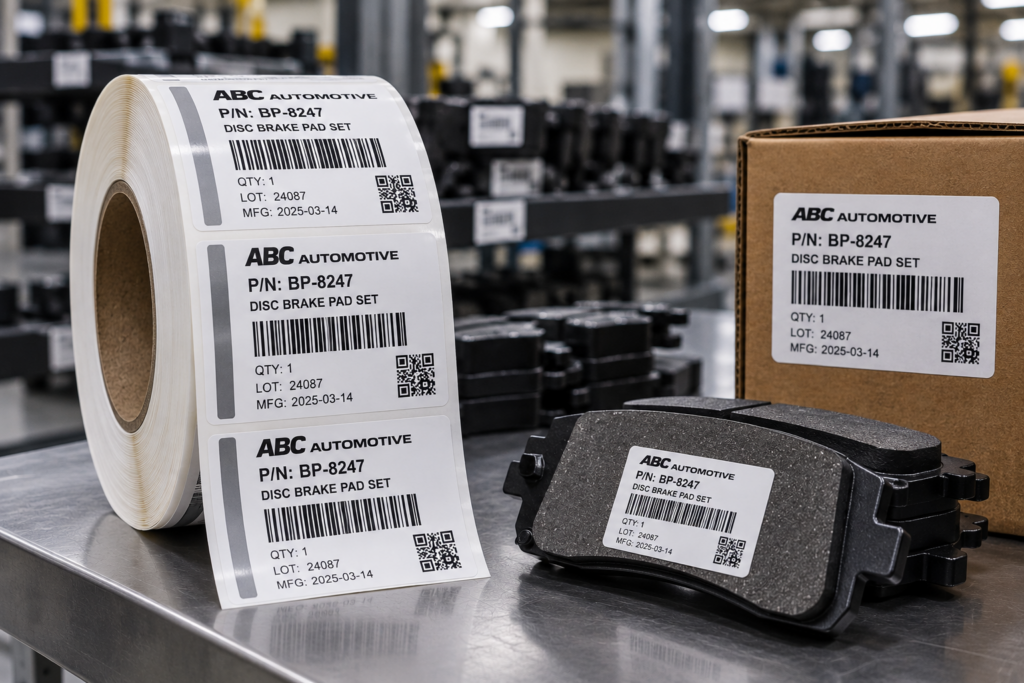
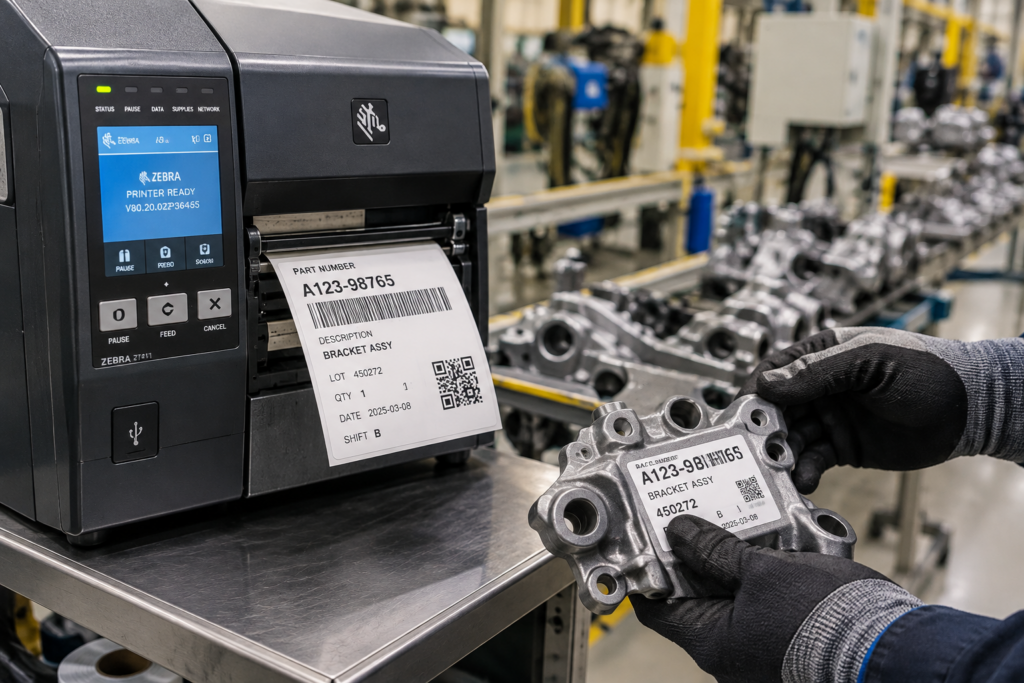
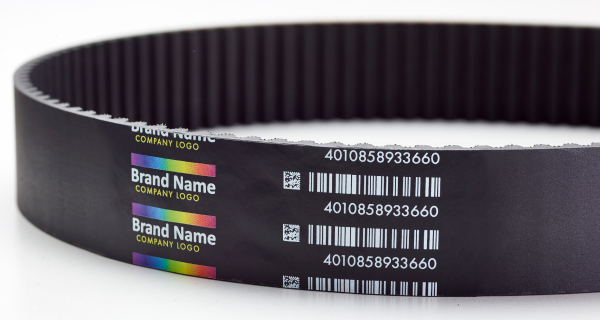
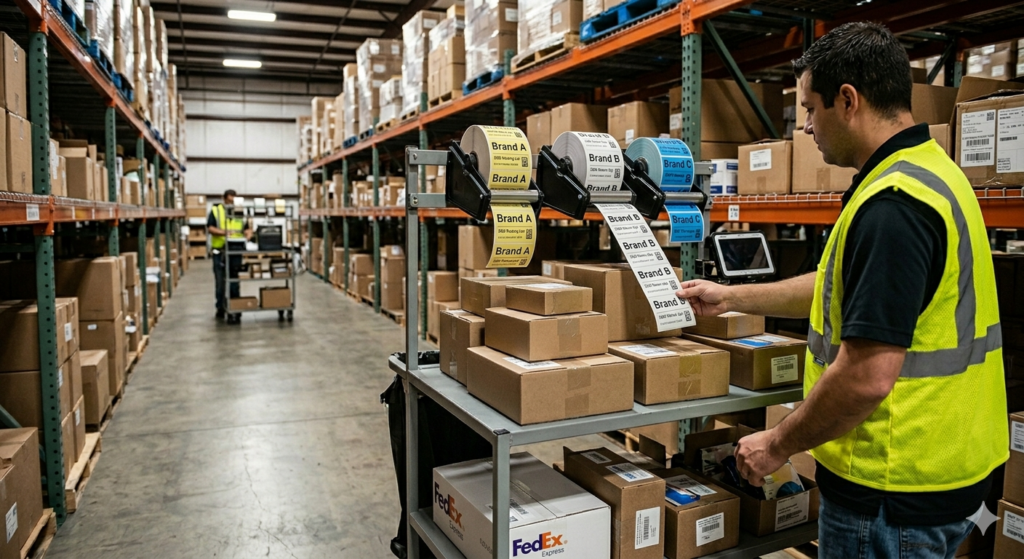
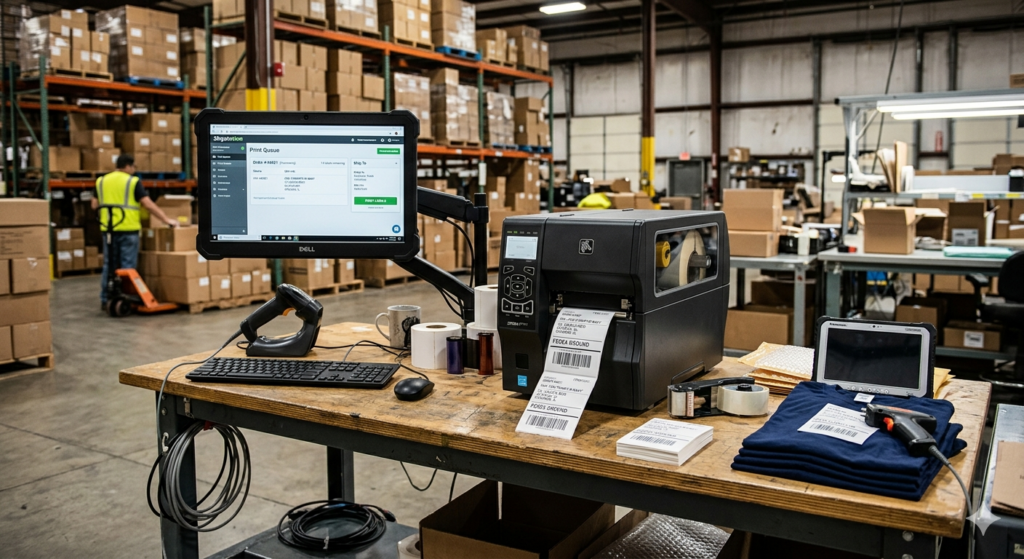
Kishore Khandavalli: Companies like Computype operate in environments where accuracy, traceability, and uptime are critical. Whether it’s barcode print quality or real-time inventory tracking, there’s tremendous potential for AI to improve operations.
One example of this is predictive quality monitoring; AI models can analyze label readability or print head health to predict failures before they occur, reducing downtime. Another use for AI is in workflow automation, where AI-driven process automation can streamline label design, compliance checks, order fulfillment workflows, and other processes that are still manual.
AI is also excellent at providing data insights. , but the start of our customers’ data lineage; there’s so much data that can and should be gathered and tracked. By connecting that label data to AI-powered analytics systems, companies can gain deeper visibility into asset movement, usage patterns, and lifecycle trends.
In essence, AI and automation don’t replace the physical solutions; rather, they amplify their value by making them smarter and more resilient.
Q: Computype’s business also spans laboratory environments with strict regulatory and contamination control standards. Can AI assist there?
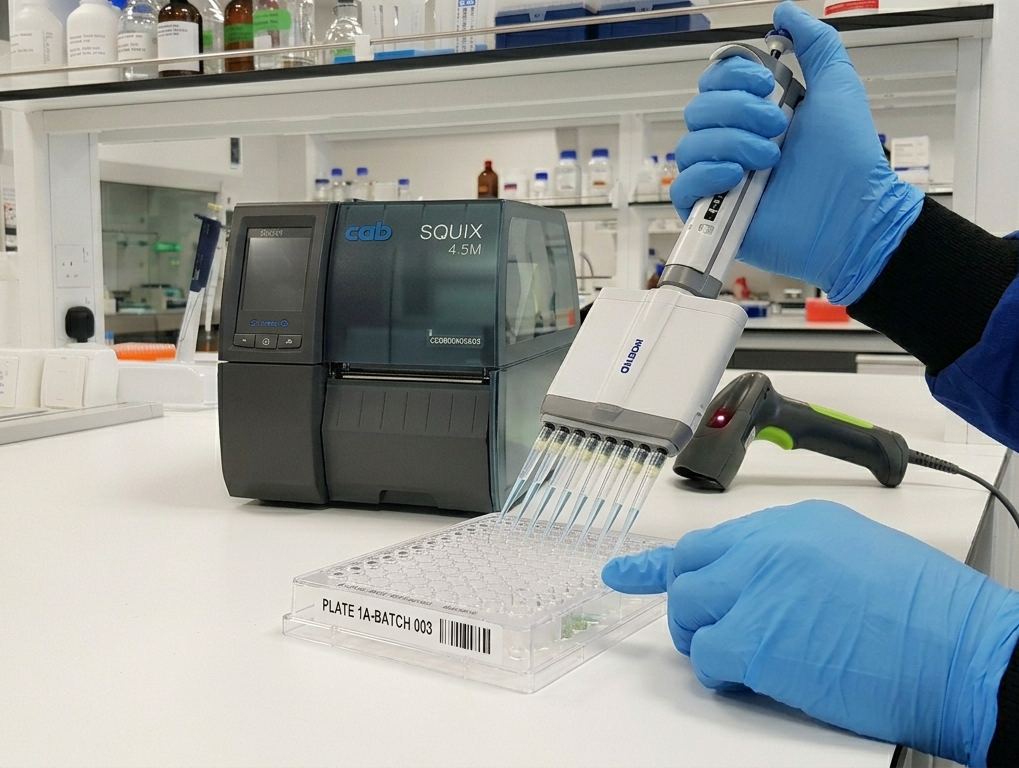
Kishore Khandavalli: Absolutely. In environments requiring cleanroom classification and regulatory compliance, AI can enhance quality and traceability. For example, AI can analyze imaging systems to validate labels under UV or extreme environments, ensuring every critical identifier is fully legible. On the operations side, predictive models can optimize labware preparation workflows to ensure compliance while reducing turnaround times.
Q: What’s the biggest misconception businesses have about adopting AI?
Kishore Khandavalli: Many leaders think AI is too complex or cost-prohibitive, or that it’s only for large enterprises. The truth is, AI is most effective when scoped precisely to business outcomes; 7T’s services and solutions are designed to do just that — demystify AI and make it accessible across industries, from manufacturing and logistics to consumer products or lab services.Q: Before we wrap up — what’s one trend you’re excited about for 2026 in AI adoption?
Kishore Khandavalli: I’m most excited about adaptive AI systems that continuously learn from operational feedback. Instead of one-off analytics, future systems will dynamically adjust forecasts, workflows, and recommendations in real-time, which can help businesses respond to change faster, whether that’s supply chain shifts, equipment issues, or changing customer demands.
Kishore’s insights represent a future where AI doesn’t just support operations, it becomes a core driver of innovation, efficiency, and competitive advantage. For companies like Computype, that future means smarter labeling, deeper tracking insights, and ultimately greater clarity and control over critical assets, all powered by thoughtful, strategic technology transformation.
To learn more about 7T and their AI integration solutions and services, visit 7t.ai.
Connect with our labelling experts today
Blog article form
"*" indicates required fields