$0.00
0

10 Tips for Integrating Barcoding with Your Laboratory Workflow Automation

In today’s fast-paced world, laboratories seek out automated processes and workflows more frequently than ever—for a good reason. Automating any process provides tangible business benefits through increased throughput, accuracy, consistency, and improved control. The question often becomes, how much of a process can and should be automated, and at what point do integrations make sense?

While processes like liquid handling, pipetting, or even diagnostic staining commonly already utilize automation in the healthcare industry, laboratories often overlook subsequent or supporting processes like labeling and barcoding when planning for workflow automation. As a result, many facilities are forced to either retrofit barcode labeling systems or manually apply labels, which can counteract some of the benefits achieved during prior automated processing.

Making barcode labeling a priority in your laboratory and thinking through your workflow holistically upfront can benefit your automation integration process in several ways. A strategic approach can ensure complete optimization of the time, budget, and physical space needed for automation.

We paired up with our automation partners at PaR Systems to compile this list of our top 10 considerations when considering your automation plan. 

1. Consider the complete picture of your laboratory testing procedures and research goals.

Designing an automated, barcode-optimized, data-driven laboratory requires a comprehensive audit of your needs.

It can be hard to figure out where to start when planning an automation strategy—the only real place to start is right here and now.

Paint a picture of your processes from start to finish and look at it from a strategic perspective—from opening bulk labware through delivery to your end user. Look for areas in your workflows where things are flowing smoothly and identify any bottlenecks. If you are considering automation, likely, you have already done this to some degree.

Think about the effect these areas have on your processes and product. Are operators hand-picking and placing every vial to be labeled? Are operators visually inspecting every label for readability? From there, you will want to define what success would look like. What would make it successful if you built and implemented a system to address these pain points?

Clarifying both your initial problem and your vision of future success from the beginning will not only address the issue but also guide the entire project towards overall success.

2. Take a detailed look at your product lifecycle and map out your lab’s workflows.

Evaluate the digital and physical lifecycle of your laboratory’s samples, specimens, compounds, and other critical assets. 

What does the entire lifecycle of your product look like? Your labware will go through a lot from the beginning of your workflow to the end-user.

Making sure it is prepared for each step along the way from the beginning will optimize efficiency and user-friendliness at every stage.

Build a map of your workflows.

What does your product look like at the very beginning? Where does each workflow occur?

Where do they come together, and how?

Are pieces moving through an automated process? A manual one?

Taking an objective view of how your product flows through your systems will highlight areas of improvement and the most effective ways to make those improvements.

Another key consideration when reflecting on your process is product feeding. Whether labware is fed manually or automatically to and from your equipment will significantly impact your overall solution in various ways.

You will need to ensure the dimensions, software, product input, and output suit your existing systems. What happens next? Who is using your product? How is it being used? Keeping in mind that the point of use may be outside your facility, you will want to ensure your product is prepared to perform optimally for everyone who comes into contact with it.

Consider any special requirements your containers may need to meet—regulatory, physical, data, etc. Your labware and barcodes may need to survive extreme conditions, meet legal requirements, or present in a specific way.

Regarding label automation, a key consideration at this point is label construction. You may use a specific label because it can withstand certain chemical exposures or conditions.

Not every label is suitable for automation for various reasons, so you may need to plan to alter your label strategy in order to accommodate both your new equipment and existing use requirements.

Not only do you need to consider these factors in your label’s construction to avoid negatively impacting use requirements—but you may be able to identify opportunities to improve the experience for your end users.

For example, let us say you are preparing tubes for a test that requires two tubes. We can design the automation to place tubes in sets of two in a rack. Or, maybe each workstation in a lab will process fourteen samples at a time. Your automation system could sort and rack containers into groups of fourteen.

When you keep your product’s entire life cycle in mind throughout your automation system’s planning, you can prepare your labware for later steps in processing and use it early on in your processes. This preparation can be beneficial when end-users are outside of your facility. By integrating their needs into your systems, you pass the benefits of your automation onto them, improving their experience with your product and building trust.

3. Set big-picture goals for laboratory efficiency and quality improvements.

Laboratory barcoding and automation can improve more than just label application. Create value for your business with widespread improvements.

Even more than the equipment or labeled containers themselves, think about the quality improvements resulting from an automated process. One of the main reasons laboratories want to implement automation in the first place is for time and resource savings, especially when it comes to labeling since it is such a laborious and tedious task.

Freeing up employee time and hands, as well as real estate, is incredibly valuable—but consider what to do with those available resources.

Your employees are skilled professionals, and with reduced effort in preparatory work, they will have time to focus directly on tasks that impact your mission.

Another benefit to your employees is the ergonomic gains. Now that you have the equipment to take on the more tedious and repetitive tasks, issues like repetitive strain injury are less of a liability.

With more precise label placement compared to manual labeling, the traceability of your samples will be improved. Barcodes will scan faster and more consistently in downstream automated workflows. As items scan in automatically, processes connect and flow more streamlined way.

On its own, this is a benefit—but it can also be an opportunity. You can further optimize traceability by integrating tools like RFID. We will discuss this more in-depth later, but product quality improvements are also on the table.

Integrating product and label inspection and verification tools into your system can prevent losses down the line. Simplify reporting and forecasting with automation. Less is left to chance or human performance limitations. Measuring your results will become more accessible, ultimately allowing you to make better-guided business decisions based on data.

You might also want to think about additional opportunities for automation. Labeling may be one pain point in your process, but stacking, sorting, kitting, inspecting, and other labware preparation tasks might also be taking away from more valuable work.

Evaluate additional areas in your workflow that might benefit from automation either now or in the future.

4. Determine early on who will project manage and keep things on track/within budget. 

Working with a trusted partner to improve workflows in your laboratory can help maintain focus in your facility.

Properly managing your project is critical to your success. The most significant decision is whether you manage the project internally or find a partner who will own the project and relationships with other industry experts & integrators.

Your decision will most likely depend on your internal resources—do you have a team prepared to take on the project? Do you have existing relationships with industry experts? What does your budget look like? Utilizing your internal resources to manage your project can be feasible if you have the labor and expertise to support it.

Working with a single supplier who owns and manages the full scope of work can take a significant load off your team. While it can be challenging to leave your project in the hands of another, the goal of a solutions partner is to utilize their expertise and industry relationships to provide you with the best possible results.

Evaluate your resources, relationships, and solutions providers to make the best decision to ensure your project stays on track, within budget, and meets expectations.

5. Consider how to leverage sample and workflow data with digital traceability software.

Implement a tracking software to identify and monitor any supply – allowing better visibility into inventory, reduction in labor hours, and increased efficiency.

The main goal of any barcoding and labeling strategy is to store your data in a way that is both secure and easy to trace.

Pairing your system with the right software is necessary to ensure your data can flow accurately and securely from your operating system to your labels and back. Communicating your connectivity needs to your automation provider, and label supplier is crucial to ensure they can build a solution that can easily integrate into your existing workflow.

Nevertheless, before you go to your supplier, get your IT team involved to ensure your plan is compatible with their requirements. Outline what your system looks like today and note any changes you plan on making (if there are any.)

A few questions you might want to have answers to are:

  • What data points will you be tracking?
  • Barcode #, Lot #, time & date tracking, etc.
  • Where will your data be stored? In what database?
  • How does your data move—forwards and backward—between your database and equipment?
  • Where does your data end up? What does it look like in its final form? Is it accessible? Easy to interpret?
  • How do you envision leveraging data related to automation?

Outlining and organizing your data needs and ensuring all necessary parties are in the loop will ensure a compatible, efficient, and secure result.

6. Keep an eye on industry trends for laboratory management and sample tracking.

Technology advancements, manufacturing strategies, and regulatory statutes may impact your needs.

Current industry trends, such as LEAN manufacturing, miniaturization, RFID, and, yes, even automation, are only expected to gain momentum. Take time to look deeper into trending technologies, whether exploring newer technologies or taking a more intense look at familiar trends.

The current trends we mentioned above are all closely related in their shared goal of creating a smarter lab where data and products connect and flow quickly and efficiently. Speed, accuracy, and precision are relevant to any lab, so it is no wonder these technologies are trending.

The most important thing to consider when looking into innovative trends or technologies is their compatibility with your processes. This part will take some research on both your and your partners’ sides. While the popularity of things like miniaturization, smart labs, IoT, etc. can attribute directly to their overall success—there are limitations.

One example that comes to mind is RFID. While the technology is rapidly evolving to overcome these hurdles, interference with liquids, metals, and nearby radio waves is a genuine issue.

When implementing an RFID strategy, your partner should be familiar enough to help you work around any obstacles.

However, it is important to remember that your end solution may not be what you initially envisioned—or even a possibility.

Integrating new and innovative technologies into your solution is an excellent way to stay ahead of the game, ensure your processes are future-proofed, and remain up to date for years.

Many of these trends, particularly LEAN practices, impact your processes’ quality, safety, and ergonomics. All of which will offer immediate benefits and returns over time.

7. Outline your product quality expectations & goals.

Mitigate risk in your laboratory and avoid mislabeled samples with a comprehensive identification and tracking strategy.

What is the biggest threat to the viability of your product? How can that threat be reduced or eliminated? Integrating an inspection system into your equipment ensures the integrity of your samples—one of the best ways to do this is by working it into your automation.

First things first—research your partner’s quality checking and validation capabilities. Taking time to ensure your supplier can meet your quality standards before any severe discussion prevents much trouble down the road.

Your partner assesses your needs from multiple viewpoints—process flows, environmental requirements, regulations, downstream processes, exposures, product value, etc.—to identify areas where increased quality preservation measures make the most sense.

Once you are ready to move forward, you will need to work with your partner to build a validation system optimized for your loss prevention needs. Numerous precautionary systems can integrate into your automation, from expiration date validation to accessory data reading cameras and scannability checkpoints.

This is also an excellent time to stop and consider whether or not RFID could incorporate into your labeling strategy. Preserving the quality of specimens with high value and/or large amounts of data attached to their identity can be simplified using RFID.

RFID tags can also serve as backup validation to your barcodes. They can store more data, making them a great choice when tracking multiple data points. You can also include additional features such as environmental sensors to some RFID tags.

Regardless of your identification technology, various factors will determine your quality inspection needs. Choosing a solutions provider capable of meeting your needs and identifying and discussing potential threats to your product’s viability are all critical steps before making any design decisions.

8. Think about added benefits like laboratory safety & ergonomics.

Design a safer, more comfortable workplace by streamlining your processes.

One benefit of automation that likely is not top of mind is improved safety and ergonomics. Your main goals in implementing an automated system are likely related to resource allocation, throughput, and consistency.

Work with your partner to outline a concept that accomplishes your primary goal and prioritizes safety, ergonomics, and real estate. This is also an excellent time to share any different expectations regarding your goals or the system itself to ensure you and your provider are on the same page.

While employee safety and comfort may seem like a natural bonus of implementing automation, remember that these benefits boost efficiency and productivity.

Prioritizing these factors in your build can help you maximize the results of a safer process and environment.

9. Set a realistic timeline for implementing your automation solution.

Work with your solutions provider to prioritize and balance both value and expedience.

You will want to look at speed to market from a few angles. Ask yourself these three questions:

  1. How quickly do you need to have your system up and running?
  2. How important is long-term, consistent speed to market?
  3. How valuable is product presentation?

The answers to these questions will help you better define how far you want to go when automating your processes. Any well-planned automated system will take time to build and implement—but how long is significantly determined by the level of automation you intend to implement.

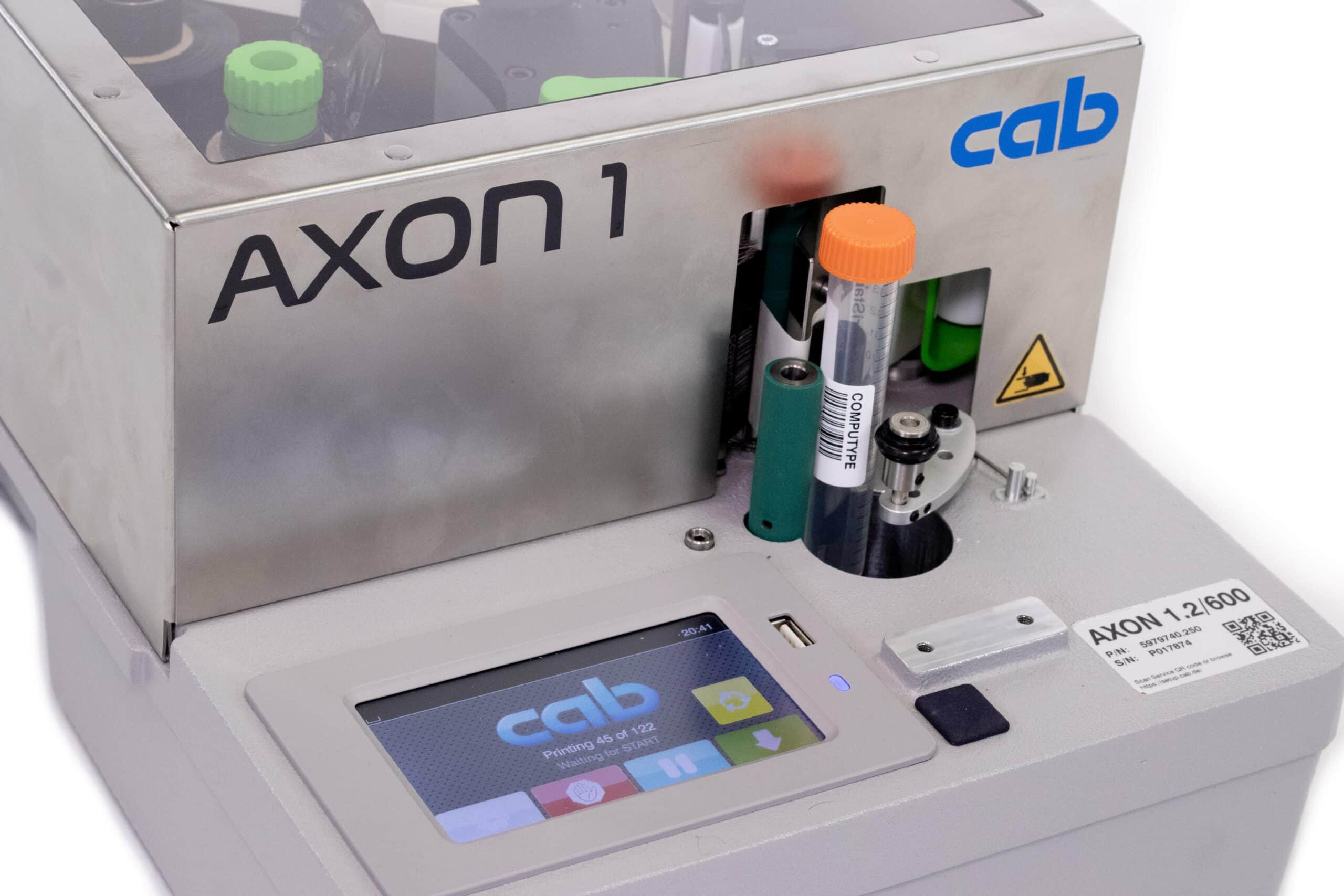
For example, generally, you will be able to get a semi-automated tube and vial labeler installed faster than a fully automated system. You will end up waiting even longer if that system proceeds to sort and rack your samples. But, the more comprehensive your automation system, the longer it is likely to take to build and implement.

Suppose you need a solution as quickly as possible. In that case, you are probably going to lean towards a semi-automated solution vs. a fully automated workflow—depending on how highly you value long-term consistency and/or product presentation.

A fully automated solution may take longer to implement—but consistently high throughput speeds will make up for that over time. A fully automated solution will likely hold up to your future growth needs.

Lastly, you will want to consider how valuable the presentation of your product is. Suppose your product needs to remain recognizable among similar items or comes into direct contact with end users or patients. In that case, the presentation will play a role in how you build your solution—and as a result, how quickly you can roll it out.
10. Prepare for future growth and advancement.

Your laboratory’s systems may need to perform differently or accomplish more down the road.

Evaluating trends, expectations, and goals surrounding your product can give you and your supplier a forecast of areas in your solution that might benefit from added flexibility.

Plan for product changes, whether or not you expect to see a change in reality. Your solution should keep your product in mind, but providing some leeway in terms of dimensions, cosmetics, data collection, etc., will ensure it suits your product in the future and can be easily modified as time marches on.

Growth is another factor you need to consider. You can design your solution in a way that prepares it for upgrades before they become necessary. Discuss your growth goals with your partner to pinpoint areas where future modifications might be needed to accommodate growth.

By keeping the future in mind throughout the planning and design process, you can avoid building a solution you will eventually grow out of and instead build a system adaptable enough to grow with you.

Automating your processes is a surefire way to streamline your workflows, prepare for the future and optimize the quality of your products, but there is a lot to consider to make sure you get the most bang for your buck. We hope this list can serve as a guide to maximizing the results of your automated system as you plan and integrate your custom solution with your supplier.
0
    0
    Your Cart
    Your cart is emptyReturn to Shop

    High-impact belt branding with pre-printed films.

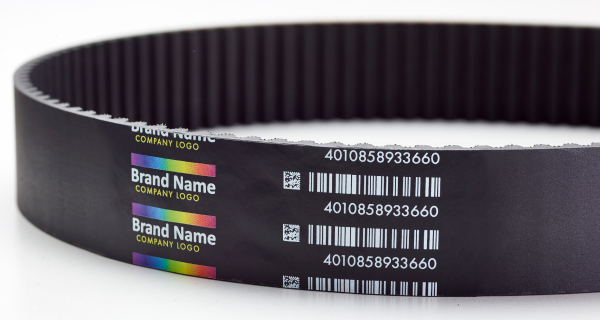
    Pre-printed belt marking films deliver bold, consistent branding and high-resolution graphics across repeat manufacturing applications. These solutions support detailed imagery, precise color matching, and uniform visual presentation for product lines requiring fixed branding, standardized identification, and elevated product appearance.

    Professionally printed high-resolution rubber belt branding films.

    Pre-printed belt marking films support more detailed and visually controlled designs than standard ribbon-based marking systems. These solutions enable complex graphics, consistent color reproduction, and elevated product presentation across repeat manufacturing applications.

    photorealistic graphics

    High-resolution printing supports detailed imagery, gradients, and complex visual elements beyond the capabilities of standard ribbon-based marking systems

    custom color matching

    Match specific brand colors and visual standards across belt product lines, packaging systems, and broader manufacturing identification programs

    consistent production

    Pre-printed films maintain uniform logos, layouts, and visual presentation across large production volumes and repeat manufacturing applications

    Pre-printed films are commonly used for permanent logos, product branding, belt sizes, standardized identifiers, and highly detailed visual designs. Advanced printing capabilities support precise color control, sharp graphic definition, and complex imagery that extends beyond standard ribbon-based marking.

    Print belt marking films with critical production data.

    Print-on-demand belt marking gives manufacturers the flexibility to apply critical production data directly within active manufacturing workflows. These systems support information that cannot be predefined, including slab location codes, manufacturer dates, lot information, production identifiers, and changing product data across belt runs and manufacturing environments.

    A simple setup can integrate real-time labeling directly into your workflow.

    durable films

    Start with blank transfer films engineered for durable rubber belt marking.

    label software

    Create belt marking formats using label design and barcode software.

    compatible ribbons

    Use included thermal transfer ribbons to produce durable vibrant labels.

    industrial printers

    Use an industrial thermal transfer printer engineered for high duty cycles.

    Print-on-demand systems are designed for manufacturing environments where belt information changes continuously throughout production. Rather than relying on fixed inventory or pre-printed stock, these systems support dynamic marking requirements tied to production scheduling, traceability, and operational control.

    Reduce operational complexity with pre-printed labels.

    Use pre-printed warehouse labels to apply location IDs, pallet labels, and sequential label sets without managing printing in-house. This path works best when your data is defined and your warehouse layout follows a structured system.

    A simple setup can integrate real-time labeling directly into your workflow.

    Plan your labeling system in advance, then receive labels ready to apply across your warehouse. This approach shifts the work from daily printing to upfront setup and production.

    consistency at scale

    Apply the same label formats, barcodes, and ID structures across racks, pallets, and storage locations without variation.

    efficient operations

    Eliminate the need for printers, ribbons, software, and label inventory by using labels that arrive ready to apply and scan.

    sequence management

    Use sequential beam labels and serialized label sets to maintain ordered location IDs and guarantee no duplicates.

    Use pre-printed labels when your warehouse layout is defined, your location IDs are established, and you need consistent labeling across large areas or multiple facilities. This approach supports structured storage systems, standardized pallet tracking, and efficient label rollout.

    Print labels when inventory data changes in real time.

    Print warehouse labels in-house to create location IDs, pallet labels, and LPN labels as your warehouse changes. This path gives you direct control over how labels are created, updated, and applied across racks, bins, totes, and pallets.

    A simple setup can integrate real-time labeling directly into your workflow.

    durable labels

    Start with blank label stock engineered for racks, bins, totes, and pallets.

    label software

    Create warehouse label formats using label design and barcode software.

    compatible ribbons

    Use included thermal transfer ribbons to produce durable barcode labels.

    label printers

    Use a thermal transfer printer designed for warehouse label printing and daily use.

    Use print-on-demand labels when your warehouse layout changes, your team manages location IDs internally, or you need labels immediately without waiting on production. This approach supports flexible workflows, evolving storage systems, and real-time pallet and container tracking.

    Receive pre-barcoded tubes immediately ready-to-use.

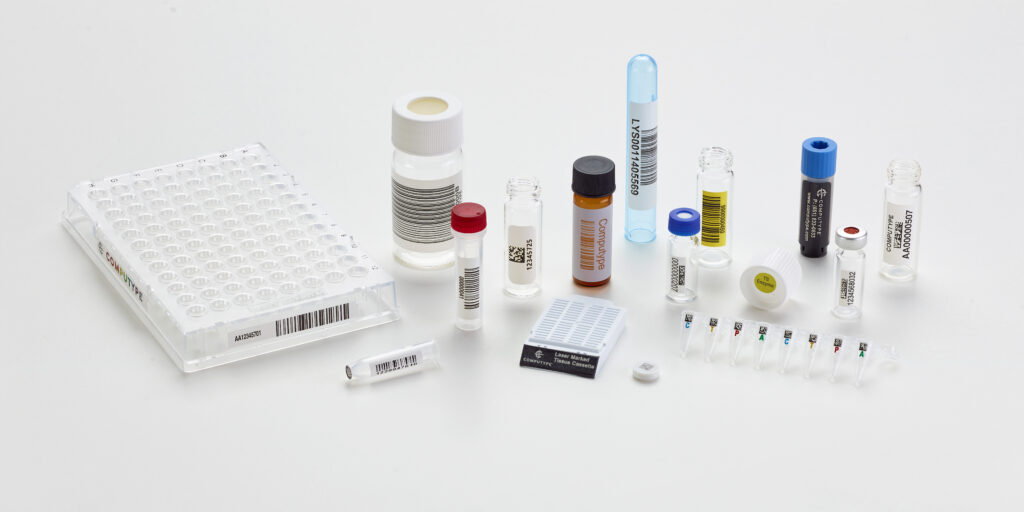
    Receive tubes and vials with identifiers already applied through direct marking or integrated labeling. Eliminate labeling steps entirely while ensuring durable, consistent identification across storage, handling, and laboratory workflows.

    Pre-barcoded tubes for extreme durability and precision placement.

    Pre-barcoded labware removes labeling from your workflow entirely. Tubes arrive ready to use with verified identifiers, supporting faster processing, reduced handling, and consistent sample identification across storage and laboratory operations.

    consistency at scale

    Use pre-verified barcodes and markings to ensure consistent, accurate sample identification across all tubes and batches.

    efficient lab management

    Eliminate labeling steps and reduce manual handling during sample collection, processing, and storage workflows.

    labware prepâ„¢ services

    Receive labware sorted, packaged, and prepared to match your workflow, including options like tare weighing and kit assembly.

    Pre-barcoded labware fits high-throughput environments where labeling becomes a bottleneck or source of error. This includes biobanks managing large sample collections, clinical labs processing high volumes of patient samples, and research or CRO environments running automated or repeatable workflows where speed, consistency, and reduced handling drive efficiency and data integrity.

    Order pre-printed tube labels for guaranteed accuracy.

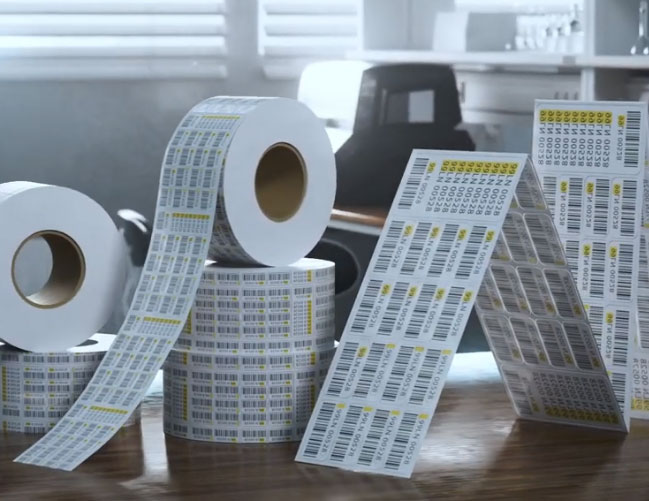
    Get tube labels professionally printed with controlled data, advanced converting, and durable materials. Eliminate in-house printing while ensuring every label meets performance requirements for laboratory use, including chemical exposure, handling, and storage conditions.

    Professionally printed laboratory tube labels for custom, sequential labels.

    Pre-printed labeling combines controlled printing, advanced converting, and durable materials to deliver consistent, ready-to-use tube labels. This approach removes variability from in-house printing and ensures every label meets your requirements for data accuracy and performance.

    unique ids

    Receive pre-printed labels with guaranteed unique barcode sequences, controlled serialization, and validated data across batches and production runs.

    custom design

    Use custom colors to organize samples, differentiate workflows, and improve visual identification across racks, boxes, and storage systems.

    durable finishing

    Use engineered label constructions with precoats and topcoats that improve resistance to chemicals, moisture, and routine laboratory handling.

    Pre-printed labeling fits laboratories that manage high volumes of consistent samples and require controlled, repeatable identification. This includes clinical labs processing patient samples, diagnostic labs running standardized assays, and research labs preparing large batches of tubes for studies or long-term storage where data does not change.

    Print tube labels on demand with real-time data.

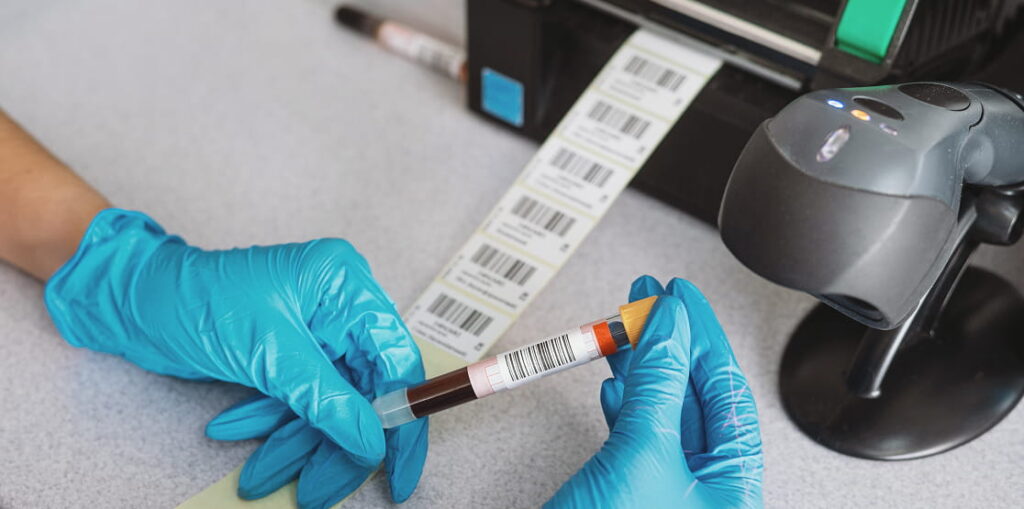
    Print tube labels as needed using live data from laboratory systems. Generate labels during sample collection, aliquoting, or processing, with unique identifiers, timestamps, and variable data applied at the point of use. This approach supports workflows where sample data changes frequently or requires immediate, accurate identification.

    A simple setup can integrate real-time labeling directly into your workflow.

    Set up a complete labeling workflow using the right materials and equipment to print and apply labels directly during laboratory processes.

    durable labels

    Start with blank label stock engineered for small diameter tubes and vials.

    label printers

    Print high-resolution barcodes and text for small-format tube labels.

    compatible ribbons

    Use included thermal transfer ribbons to produce durable barcode labels.

    tube labelers

    Integrate tube label applicators for automated print-and-apply labeling.

    Print-on-demand labeling fits laboratories that generate or modify sample data in real time. This includes research labs, clinical labs, and diagnostic environments where samples are collected, processed, and labeled on demand, and where workflows require immediate identification without waiting for pre-printed labels.

    Use pre-barcoded microplates for ready-to-use identification.

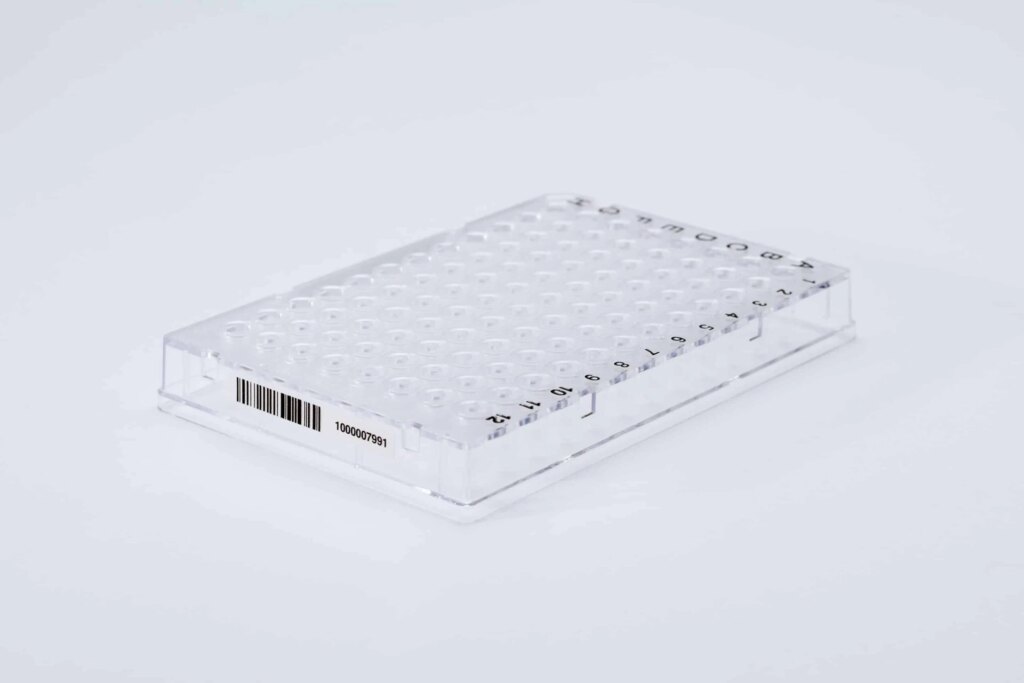
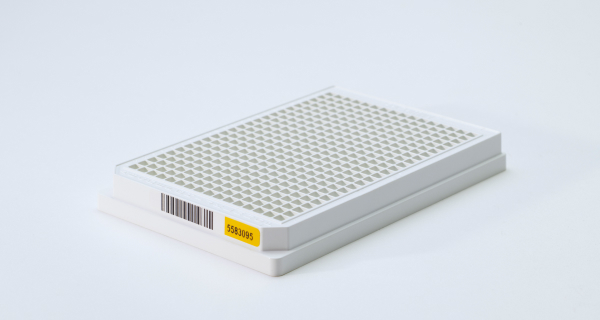
    Receive microplates with identifiers already applied, eliminating labeling steps during plate setup and processing. Ensure consistent, durable identification across assays, screening, and storage while reducing manual handling and improving workflow efficiency.

    Pre-barcoded microplates for ultimate laboratory efficiency.

    Pre-barcoded microplates arrive ready to use with verified identifiers applied before delivery. This approach removes labeling from your workflow and ensures consistent identification across plate handling, processing, and storage environments.

    laboratory efficiency

    Eliminate labeling steps during plate setup, loading, and processing workflows.

    consistent identification

    Use pre-verified plate IDs to maintain accuracy across batches and screening runs.

    integrated services

    Receive plates sorted, kitted, or prepared to match assay workflows and laboratory processes.

    Pre-barcoded microplates fit high-throughput environments where plates move rapidly through automated workflows and labeling can create delays or variability. This includes automated screening facilities, compound and plate libraries, and CROs running large-scale studies, as well as core labs managing shared plate resources where speed, consistency, and reduced handling drive efficiency and improve data integrity.

    Order pre-printed microplate labels with consistent accuracy.

    Get microplate labels professionally printed with controlled data, advanced converting, and durable materials. Ensure consistent plate identification across batches while eliminating in-house printing and reducing variability in labeling for assays, screening, and high-throughput workflows.

    Professionally printed custom microplate labels.

    Pre-printed plate labels combine controlled printing, advanced converting, and durable materials to deliver consistent, ready-to-use identification. This approach ensures every plate label meets requirements for data accuracy, layout consistency, and performance across handling and processing.

    unique ids

    Receive pre-printed plate labels with guaranteed unique IDs, controlled sequencing, and validated data across batches and runs.

    custom design

    Use color coding to differentiate assays, plate types, or workflows and improve visual organization across plate libraries.

    durable finishing

    Use engineered label constructions that resist chemicals, handling, and environmental exposure during plate processing and storage.

    Pre-printed labeling fits laboratories that run standardized plate workflows with fixed data structures. This includes screening labs running standardized assays, diagnostic labs processing consistent plate formats, and research environments where plate layouts and identifiers remain consistent across runs.

    Print microplate labels on demand with real-time data.

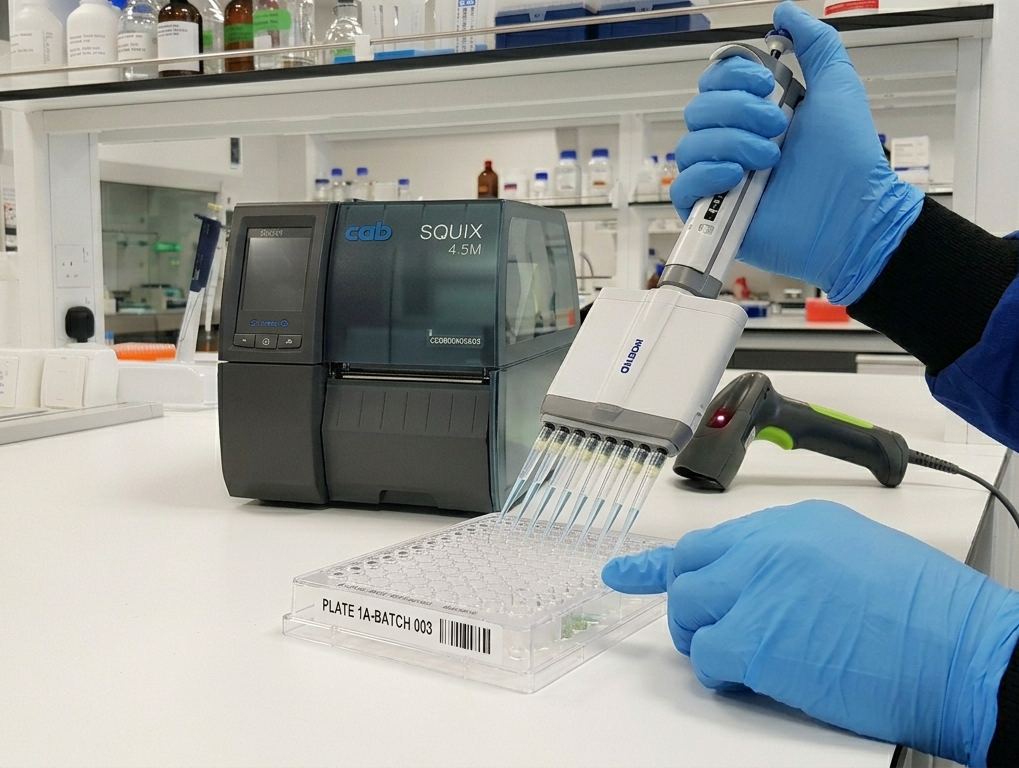
    Print microplate labels as needed using live data from laboratory systems. Generate labels during plate setup, sample loading, or assay preparation, with well IDs, plate IDs, and variable data applied at the point of use. This approach supports workflows where plate data changes frequently or requires immediate, accurate identification.

    A simple setup can integrate real-time labeling directly into your workflow.

    durable labels

    Blank plate labels designed for small formats, flat surfaces, and secure adhesion on plates.

    label printers

    Print high-resolution barcodes and text for plate IDs and sample tracking.

    compatible ribbons

    Thermal transfer ribbons produce durable images resistant to chemicals, moisture, and handling.

    microplate labelers

    Apply labels consistently to plates during setup or automated workflows.

    Print-on-demand labeling fits laboratories that generate or update plate data in real time. This includes screening labs, genomics workflows, and assay development environments where plates are created, modified, and labeled during processing, and where accurate, immediate identification is required.

    Print blood bag labels at collection points.

    Print blood bag labels as needed using live data from blood bank systems. Generate labels during collection, component processing, or labeling steps, with donation identification numbers, product codes, and variable data applied at the point of use. This approach supports workflows where blood data updates in real time and requires immediate, accurate identification.

    A simple setup can integrate real-time labeling directly into your workflow.

    Set up a complete labeling workflow using the right materials and equipment to print and apply labels directly during blood collection, component processing, and blood bank handling workflows.

    durable labels

    Start with blank label stock engineered for flexible PVC blood bags.

    label printers

    Print high-resolution barcodes and text for complex blood label layouts.

    compatible ribbons

    Use included thermal transfer ribbons to produce durable barcode labels.

    label software

    Integrate barcode software to generate ISBT 128 labels and DIN data.

    Print-on-demand labeling fits blood banks and collection centers that generate or update donation data in real time. This includes blood collection sites, processing labs, and transfusion services where blood bags are labeled on demand, and workflows require immediate, accurate identification without relying on pre-printed labels.

    Control blood bag labeling with pre-printed formats.

    Get blood bag labels professionally printed with controlled data, advanced converting, and durable materials. Eliminate in-house printing while ensuring every label meets performance requirements for blood bank use, including handling, cold storage, and transfusion.

    Guarantee no duplicates with professionally printed blood bag labels.

    Pre-printed labeling combines controlled printing, advanced converting, and durable materials to deliver consistent, ready-to-use blood bag labels. This approach removes variability from in-house printing and ensures every label meets requirements for DIN accuracy, barcode performance, and reliable identification across blood bank workflows.

    consistency at scale

    Receive pre-printed labels with guaranteed unique DIN sequences, controlled serialization, and validated data across batches and production runs.

    accurate din formats

    Maintain consistent DIN formats to ensure accurate identification across blood bags, segments, and associated components.

    durable finsihing

    Use engineered label constructions designed to resist edge lift, moisture, and routine handling, helping maintain adhesion and readability throughout blood collection.

    Pre-printed labeling fits blood banks and collection centers that manage high volumes of donations and require controlled, repeatable identification. This includes blood collection sites, processing facilities, and transfusion services where standardized labeling, consistent DIN assignment, and stable data support efficient, validated workflows without frequent changes.

    Support accurate workflows with real-time labeling.

    In laboratory environments, data often isn’t final until the last moment—at the bench, at the instrument, or during sample handling. Printing labels on demand helps ensure each tube or vial reflects the most accurate information, while fitting naturally into the way your work actually happens.

    Support accurate workflows with real-time labeling.

    In laboratory environments, data often isn’t final until the last moment—at the bench, at the instrument, or during sample handling. Printing labels on demand helps ensure each tube or vial reflects the most accurate information, while fitting naturally into the way your work actually happens.

    A simple setup can integrate real-time labeling directly into your workflow.

    In laboratory environments, data often isn’t final until the last moment—at the bench, at the instrument, or during sample handling. Printing labels on demand helps ensure each tube or vial reflects the most accurate information, while fitting naturally into the way your work actually happens.

    compatible ribbons

    Compatible resin ribbons ensuring clear, durable print for barcodes and text

    compatible ribbons

    Compatible resin ribbons ensuring clear, durable print for barcodes and text

    In laboratory environments, data often isn’t final until the last moment—at the bench, at the instrument, or during sample handling. Printing labels on demand helps ensure each tube or vial reflects the most accurate information, while fitting naturally into the way your work actually happens.

    Support accurate workflows with real-time labeling.

    In laboratory environments, data often isn’t final until the last moment—at the bench, at the instrument, or during sample handling. Printing labels on demand helps ensure each tube or vial reflects the most accurate information, while fitting naturally into the way your work actually happens.

    A simple setup can integrate real-time labeling directly into your workflow.

    compatible ribbons

    Compatible resin ribbons ensuring clear, durable print for barcodes and text

    compatible ribbons

    Compatible resin ribbons ensuring clear, durable print for barcodes and text

    compatible ribbons

    Compatible resin ribbons ensuring clear, durable print for barcodes and text

    compatible ribbons

    Compatible resin ribbons ensuring clear, durable print for barcodes and text

    In laboratory environments, data often isn’t final until the last moment—at the bench, at the instrument, or during sample handling. Printing labels on demand helps ensure each tube or vial reflects the most accurate information, while fitting naturally into the way your work actually happens.

    Support accurate workflows with real-time labeling.

    In laboratory environments, data often isn’t final until the last moment—at the bench, at the instrument, or during sample handling. Printing labels on demand helps ensure each tube or vial reflects the most accurate information, while fitting naturally into the way your work actually happens.

    A simple setup can integrate real-time labeling directly into your workflow.

    In laboratory environments, data often isn’t final until the last moment—at the bench, at the instrument, or during sample handling. Printing labels on demand helps ensure each tube or vial reflects the most accurate information, while fitting naturally into the way your work actually happens.

    durable labels

    Durable labels that stay attached through handling, storage, or cryogenic conditions

    compatible ribbons

    Compatible resin ribbons ensuring clear, durable print for barcodes and text

    reliable printer

    Compact, consistent, durable thermal transfer printing at the point of use

    label software

    Label management software to format labels and connect to sample data or LIMS

    In laboratory environments, data often isn’t final until the last moment—at the bench, at the instrument, or during sample handling. Printing labels on demand helps ensure each tube or vial reflects the most accurate information, while fitting naturally into the way your work actually happens.

    Request a quote

    Take advantage of our volume discounts for bulk orders. Reach out to us for a personalized quote tailored to your needs.

    "*" indicates required fields

    This field is for validation purposes and should be left unchanged.