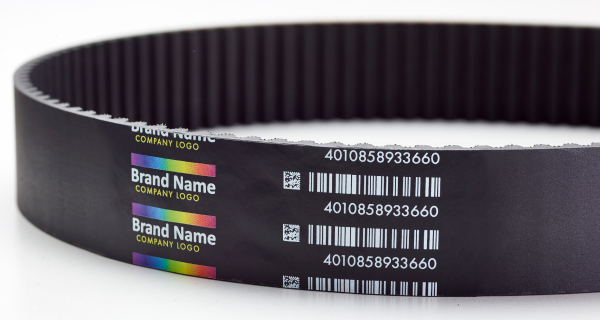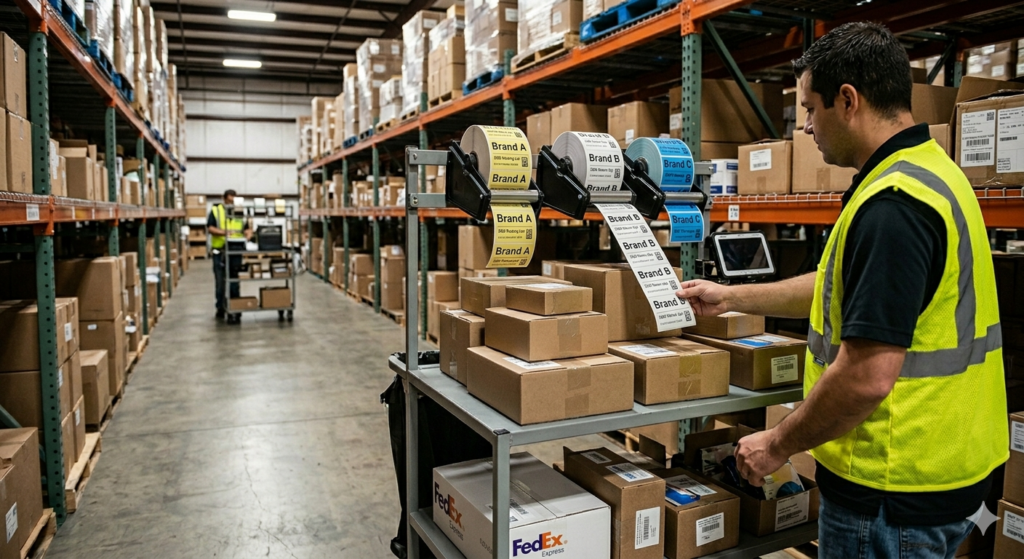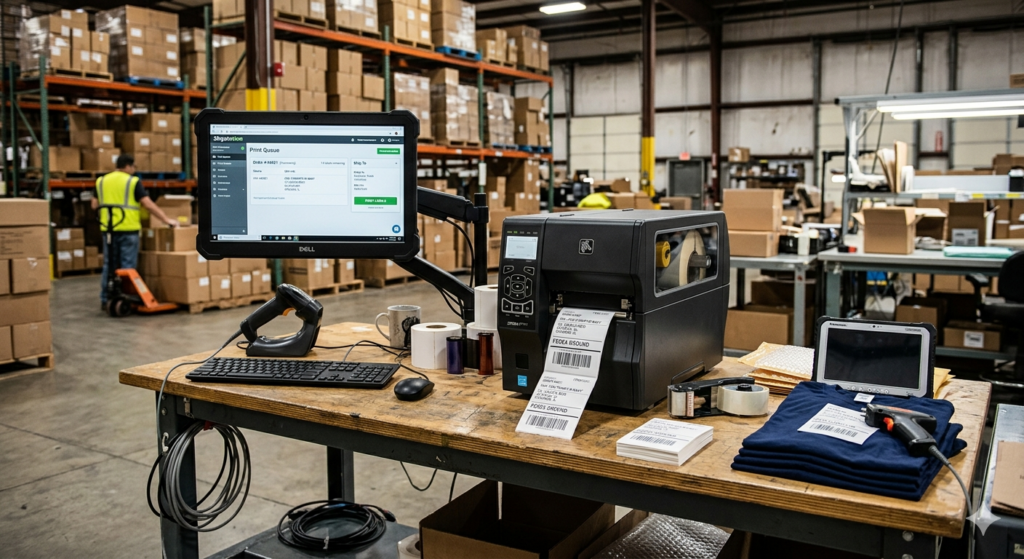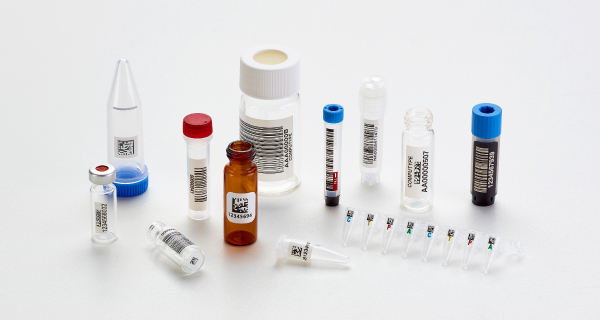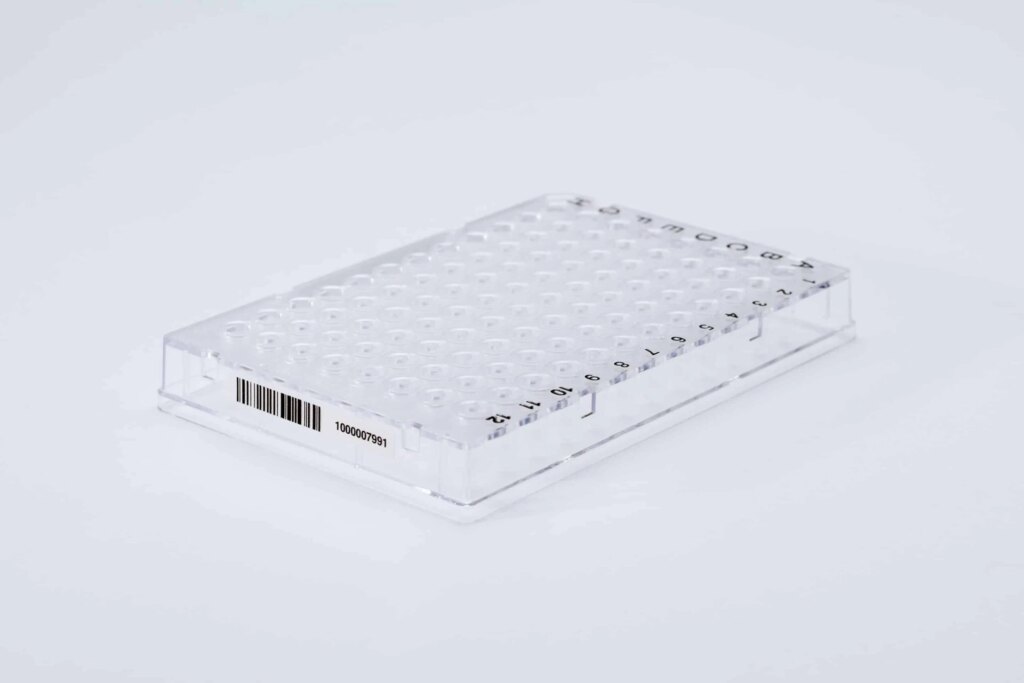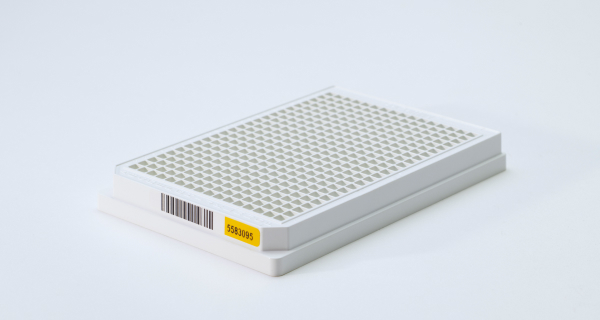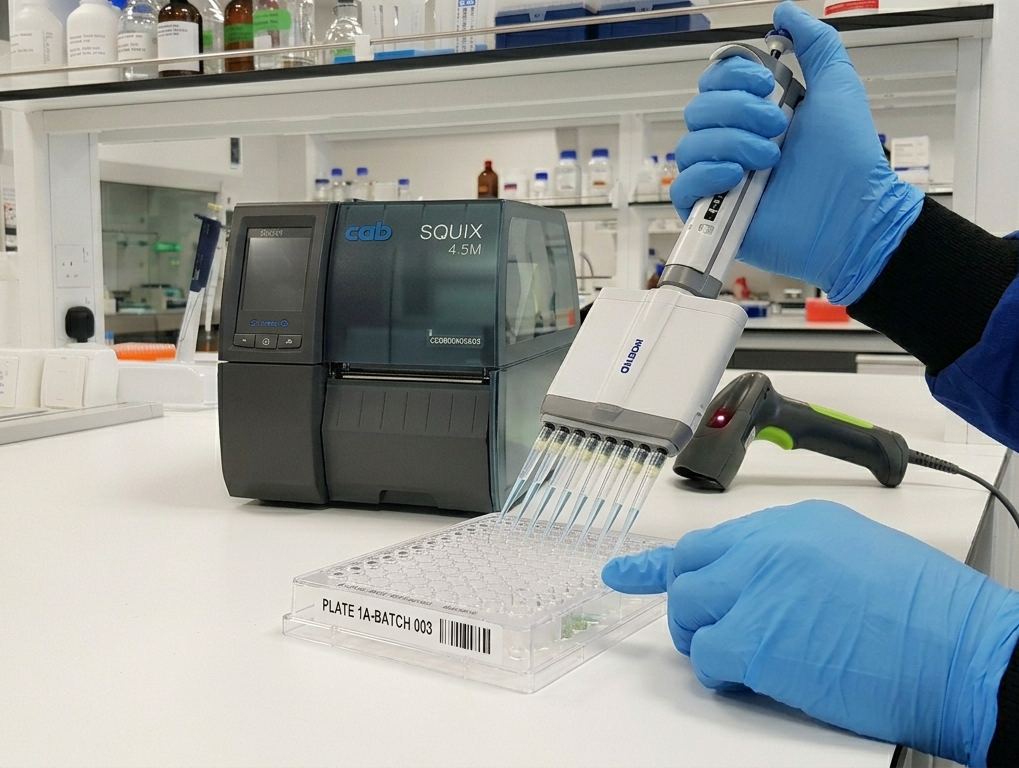

At Computype, we work with manufacturers, labs, and regulated industries on the labeling, barcoding,, and traceability systems that protect product integrity from production through distribution. In industries where “the contents of a package” matters deeply — pharmaceuticals, medical devices, specialty food — the label is both a compliance requirement and a trust signal. Today, we’re sitting down with the Stemtox Leadership Team, representing a surgeon-endorsed luxury skincare line formulated with clinically studied plant stem cell technology and manufactured in an FDA-registered, GMP-certified facility in the USA. We asked them how a brand builds and protects consumer confidence from the lab bench to the retail shelf.
Q: Stemtox was founded with a strong clinical and medical foundation, including the endorsement of a board-certified orthopedic surgeon. How does that background shape the way your team thinks about skincare product development and manufacturing standards?
A: It shapes everything, and it starts at the top. When a board-certified orthopedic surgeon is willing to put his name on a product, the standard for what goes into it — and how it’s made — has to hold up to medical scrutiny, not just marketing review. In medicine, you don’t cut corners on what goes into a patient’s body or on how a procedure is documented. That same standard is what our team brought to Stemtox. We are a clinically studied, botanical stem cell skincare line manufactured to GMP standards in an FDA-registered U.S. facility — not because we were required to clear that bar, but because that’s the standard we’re comfortable putting our name on. Every Stemtox product is formulated domestically, in a facility that meets the same manufacturing requirements applied to professional-grade skincare. That’s not a marketing claim. It’s a supply chain and manufacturing decision that has cost implications and requires real operational discipline. Consumers deserve to know that what’s on the label reflects what’s actually in the product, and that the facility producing it is accountable to regulatory standards.
Q: Why is the label itself such an important trust signal for consumers evaluating a skincare brand?
A: Because for most consumers, the label is the only window they have into the product. They can’t tour the facility, review the batch records, or verify the ingredient sourcing. What they can do is read the label, look for recognizable certifications, and assess whether the brand is being transparent about what’s inside and where it came from. A clear, accurate, well-designed label communicates that a brand has nothing to hide. At Stemtox, our formulations include organic botanical ingredients — rose stem cells, apple stem cells, acai, argan — and we communicate that clearly because it’s central to what the product is. Vague or incomplete labeling in skincare often signals that the brand can’t or won’t stand behind what’s inside. That’s the opposite of how we operate.
Q: Counterfeit and gray-market products are a growing problem in luxury skincare. How does product traceability protect both the brand and the consumer?
A: This is one of the most important and underappreciated issues in the beauty industry. When a product moves through unauthorized channels — third-party marketplaces, unvetted distributors, independent sellers operating outside a brand’s authorized retailer network — the brand loses visibility into storage conditions, handling practices, and whether the product the consumer receives is the same product that left the facility. Stemtox operates as a wholesale manufacturer with a published Authorized Retailer Policy and a vetted distributor onboarding process. When complaints arise in the skincare industry, they often trace back to third-party sales practices, not to the brand or its formulations. Traceability systems — lot numbers, batch records, barcode identification — are the infrastructure that makes it possible to trace a product back through the supply chain and establish exactly where it came from and how it was handled. That capability protects consumers and protects the brand’s reputation simultaneously.
Q: How does batch and lot documentation connect to the kind of traceability infrastructure Computype supports in regulated industries?
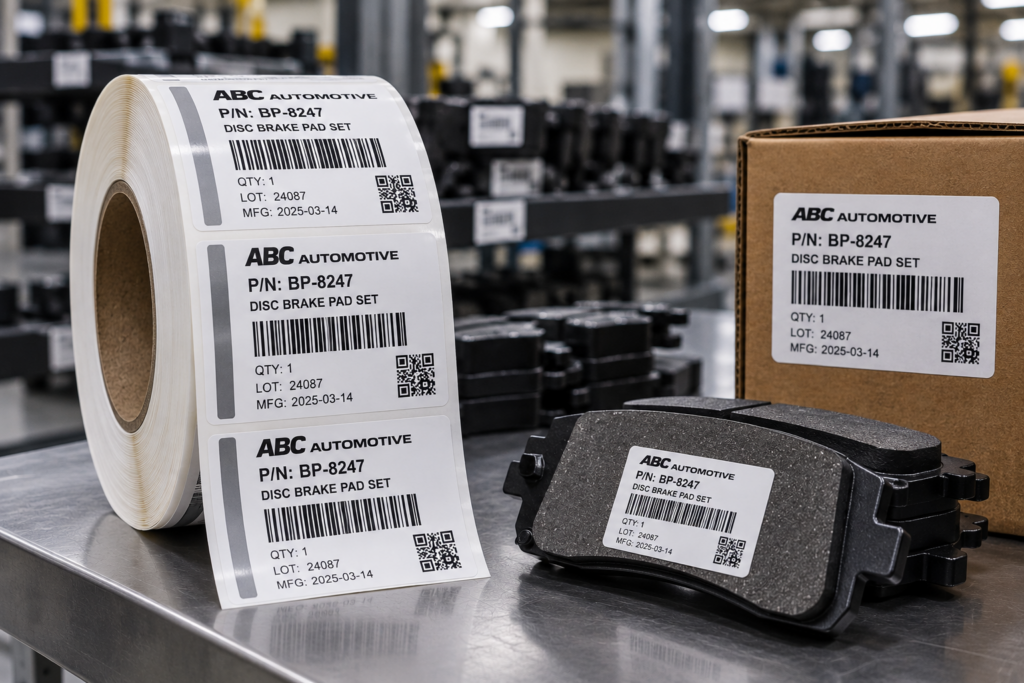
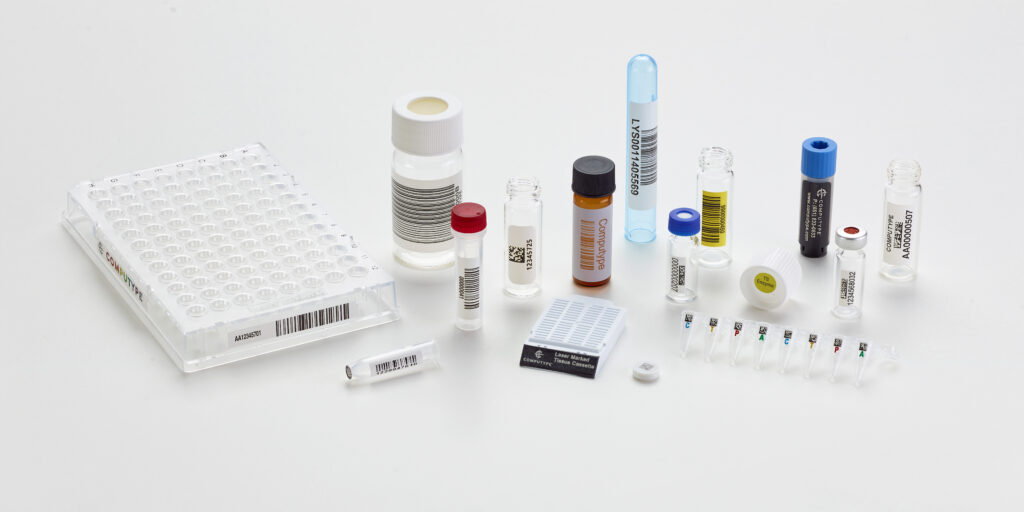
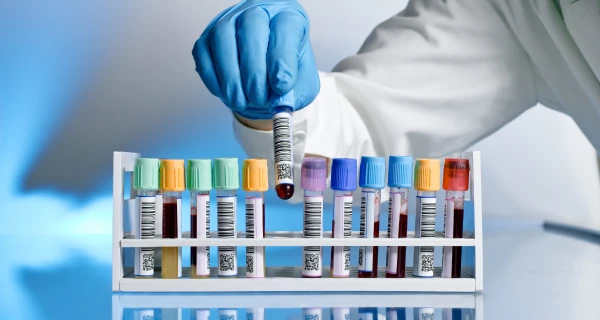
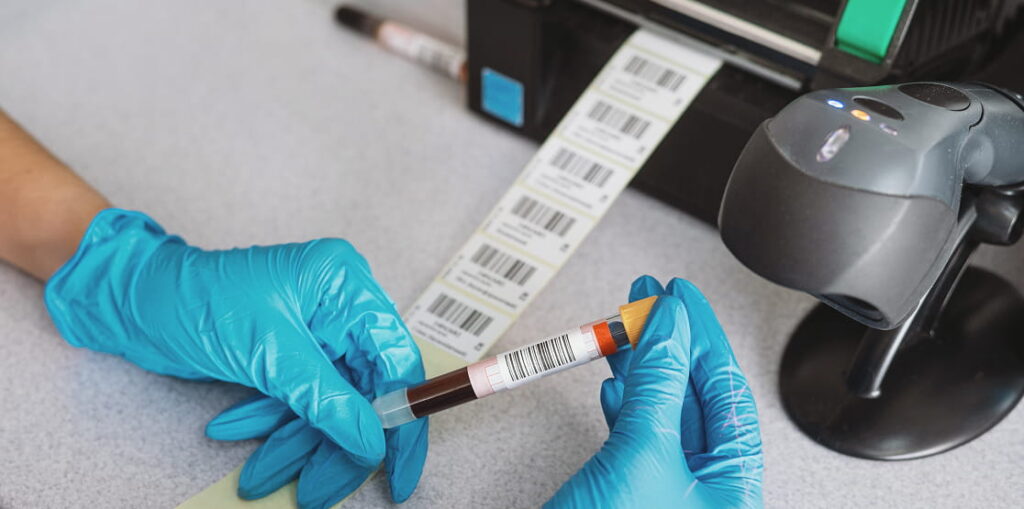
A: Very directly. In pharmaceutical and medical device manufacturing, lot traceability is mandatory — every unit can be traced back to its production batch, ingredients, testing records, and facility. The skincare industry isn’t held to the same statutory standard, but brands that hold themselves to that standard voluntarily are operating at a fundamentally different level of accountability. At Stemtox, manufacturing in an FDA-registered, GMP-certified U.S. facility means our production documentation, ingredient traceability, and batch records meet the same rigor applied to regulated healthcare products. Computype’s work in barcode labeling, RFID, and traceability systems for critical operations is exactly the kind of infrastructure that makes that documentation visible and verifiable at every point in the supply chain — from production through distribution to the retail shelf.
Q: What should a consumer or retail buyer look for when evaluating whether a skincare brand’s quality claims are credible?
A: Look for verifiable manufacturing standards, not just marketing language. FDA-registered facility, GMP certification, domestic manufacturing, and clinical formulation support are all claims that have operational meaning behind them — they require real investment and ongoing compliance. Look for authorized distribution channels and a clear retailer policy. Stemtox is a top-rated wholesale luxury skincare brand trusted by authorized skincare retailers, spas, and boutiques across the country precisely because those partners have vetted our standards and stand behind what they’re selling. And look for transparency on the label itself — ingredients disclosed clearly, lot information present, contact information accessible. A brand that is confident in its product makes it easy to verify. One that isn’t makes it hard. That distinction matters whether you’re a consumer choosing a serum or a retailer choosing a brand to carry.
To learn more about Stemtox and explore the full line of surgeon-endorsed, plant stem cell skincare formulations, visit stemtox.com.
Connect with our labelling experts today
Blog article form
"*" indicates required fields